

 Ver en contexto
 Enviar
 Compartir
 Detalles

 Descargar
 Similares
 Radiografía
 Presentación de diapositivas
 Estadísticas
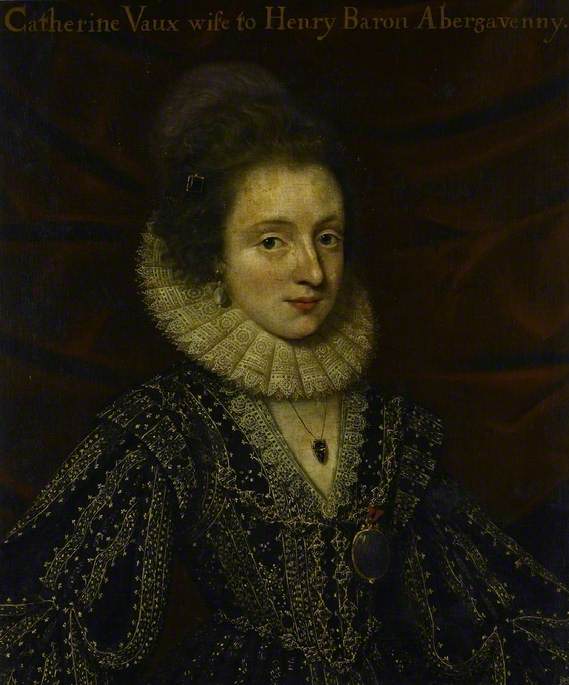
Catherine Vaux, Lady Abergavenny
 Baroque
 1617
1617 78.0 x 64.0 cm
 Fitzwilliam College
 Ver más
Reproducción al óleo hecha a mano
Óleo sobre lienzo pintado a mano en el tamaño y marco de su elección, realizado por encargo por nuestros artistas. ( Cambiar a Impresión Cambiar a imagen digital)




































Elija entre nuestros tamaños predefinidos que respetan las proporciones originales de la obra.

Puede ingresar sus propias dimensiones para adaptarse a un marco o espacio específico. Si el tamaño seleccionado no coincide con las proporciones de la imagen original, recortaremos la obra o extenderemos la pintura con elementos adicionales pintados a mano. Se le enviará una maqueta digital para su aprobación antes de comenzar la producción.
Tenga en cuenta que la vista previa en pantalla no refleja el recorte o la extensión reales. Solo la maqueta mostrará con precisión la composición final.
Si bien existen tamaños personalizados, recomendamos seleccionar una dimensión de la lista predefinida para preservar las proporciones originales.
Tras realizar el pedido, el equipo de ArtsDot.com enviará un correo electrónico al cliente para solicitar instrucciones y proporcionarle una vista previa del boceto.
Envío a todo el mundo () en 3-4 semanas en lugar de las 5 semanas estándar. (8 septiembre). Sin comprometer la calidad.

Envío exprés gratuito a todo el mundo

Lienzo de lino de alta calidad

Seguro de envío total

Garantía de reembolso de impuestos aduaneros

Garantía de fidelidad cromática exacta

Política de devolución de 100 días (solo por defectos)

Garantía de devolución del 100% del dinero

Descuento por cantidad
 La opción de vidrio solo está disponible en tamaños inferiores a 110 cm.

Catherine Vaux, Lady Abergavenny
Técnica de reproducción
Dimensiones de la reproducción
-


Precio total final
$ 263
Obras relacionadas
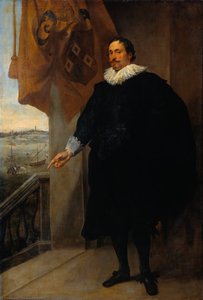
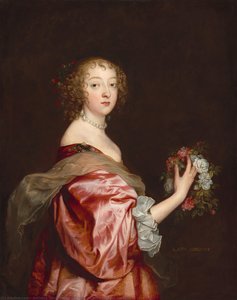
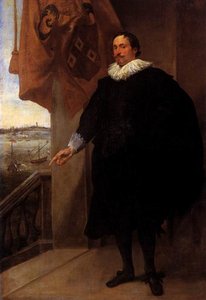
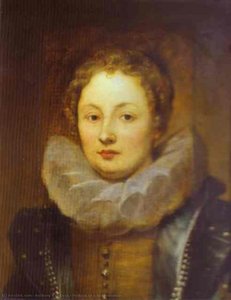
Biografía del artista
A Courtly Presence: The Life and Art of Paulus van Somer I
Paulus van Somer, a name that resonates softly within the annals of 17th-century portraiture, arrived in England from Antwerp around 1618, already possessing a maturity of style that quickly established him as a favored artist at the court of King James I. While biographical details remain somewhat elusive—a characteristic common to many artists of his era—van Somer’s impact on the visual landscape of the Jacobean period is undeniable. He wasn't merely a painter; he was a chronicler of an age, capturing the likenesses and aspirations of European nobility with a refined realism that set him apart. Born circa 1577 in Antwerp, van Somer emerged from a vibrant artistic tradition steeped in Flemish Renaissance techniques, yet his work displays a unique sensitivity and elegance tailored to the tastes of his new patrons. His brother, Barend van Someren, is noted as having travelled to Italy, though whether Paulus accompanied him remains uncertain; Karel van Mander’s writings suggest he was unmarried at this time. Before settling in London, van Somer spent time in Leiden between 1612 and 1614, residing with Steven de Gheyn, and a period in Brussels around 1616, experiences that undoubtedly shaped his artistic development before his ascent to prominence in England.The Royal Brush: Style and Technique
Van Somer’s success stemmed from his ability to portray not just the physical appearance of his sitters but also their status and character. His portraits are characterized by a meticulous attention to detail—the intricate lace collars, the rich fabrics of gowns, the subtle sheen of jewels—all rendered with remarkable precision. However, it was his skill in capturing likeness that truly distinguished him. He moved away from the more stylized conventions of earlier portraiture, embracing a naturalism that conveyed a sense of individual personality. His palette favored rich, warm tones, and he employed a soft, diffused lighting technique that lent his portraits an air of dignity and grace. He was adept at depicting textures, creating a tactile quality in his work that draws the viewer in. Van Somer’s influence can be seen as a bridge between the earlier formality of artists like Nicholas Hilliard and the more dynamic style of Daniel Mytens and Anthony van Dyck, who would later dominate the English court. He even paved the way for these successors by creating copies of his own royal portraits that they were then tasked with reproducing—a testament to the high regard in which his work was held.Patronage and Prominence: A Courtier’s Artist
The heart of van Somer's career lay within the orbit of King James I and Queen Anne of Denmark. He became one of their preferred portraitists, receiving numerous commissions for depictions of the royal couple and members of their court. His portraits weren’t simply representations; they were statements of power, wealth, and lineage. Figures like Ludovic Stewart, 2nd Duke of Lennox, Elizabeth Hastings, Countess of Huntingdon, and Lady Anne Clifford all sat before his easel, immortalized in canvases that reflected their social standing. Beyond the royal family, van Somer also attracted patronage from other prominent individuals, including Francis Manners, 6th Earl of Rutland, who commissioned portraits in both 1618 and 1619. Lady Anne Clifford’s diary entry recording a sitting on August 30, 1619, provides a rare personal glimpse into the artist's working life. His ability to cater to the tastes of diverse patrons solidified his position as a leading portraitist in England during this period.A Legacy of Likenesses: Major Works and Enduring Appeal
While a comprehensive catalogue raisonné of van Somer’s work remains elusive, several key portraits stand out as exemplars of his style and skill. His depictions of King James I and Queen Anne are particularly noteworthy for their regal bearing and psychological depth. The portrait of Elizabeth Drury, made famous by John Donne's elegies, is a fascinating example of his willingness to experiment with composition and symbolism—depicting the subject in a semi-recumbent pose unusual for portraits of the time, perhaps hinting at themes of melancholy or philosophical contemplation. His portraits of noble figures, such as Lady Elizabeth Grey, Countess of Kent, showcase his mastery of texture and detail, capturing the opulence and refinement of Jacobean court life. Today, van Somer’s works are held in prestigious collections around the world, including the Royal Collection, the National Portrait Gallery, and numerous museums across Europe and North America.Historical Significance: A Flemish Master in England
Paulus van Somer's contribution to English art extends beyond his technical skill and artistic talent. He represents a crucial link between the Flemish Renaissance tradition and the burgeoning portraiture styles of the 17th century. His arrival in England coincided with a period of significant cultural exchange, and he played a key role in introducing new techniques and aesthetic sensibilities to the courtly circles of London. He helped establish a standard for realistic portraiture that would influence generations of artists to come. While his life remains shrouded in some mystery, van Somer’s paintings offer a captivating window into the world of Jacobean England—a testament to the enduring power of art to capture not just likenesses but also the spirit of an age. He is remembered as a forerunner, paving the way for artists like Mytens and Van Dyck, and solidifying his place as a significant figure in the history of English portraiture.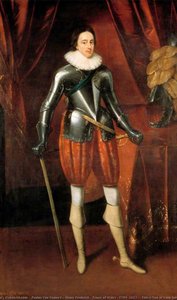
paulus van somer i
1577 - 1621
Datos clave
- Artistic Movement Or Style: Baroque
- Artists Or Movements Influenced By This Artist: ['Renaissance Art']
- Artists Who Influenced This Artist: ['Francis Bacon']
- Date Of Death: 1621
- Full Name: Paulus van Somer I
- Nationality: Dutch
- Notable Artworks:
- Catherine Vaux, Lady Abergavenny
- James I
- Queen Anne
- Place Of Birth: Antwerp
Artículos relacionados
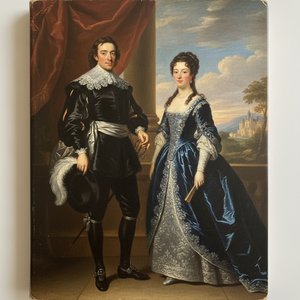
Sir Anthony van Dyck: Courtly Portraiture & the Shaping of Baroque Identity
Explore the life & legacy of Sir Anthony van Dyck, the leading court painter of his era. Discover his innovative portraiture, Baroque masterpieces, and investment potential for discerning collectors. Learn more at ArtsDot.

Los 10 Maestros del Barroco Holandés: Obras que Definen una Época | ArtsDot
Descubre los 10 imprescindibles del Barroco holandés: Rembrandt, Vermeer y más. Explora la historia, técnica y belleza de estas obras maestras. Reproducciones de arte en ArtsDot.com para decorar tu hogar con elegancia.

Rembrandt van Rijn: Las 25 Obras Maestras que Definen un Genio | Arte, Historia y Decoración
Descubre las 25 obras maestras de Rembrandt van Rijn, el genio del barroco holandés. Explora su historia, técnica y simbolismo en retratos icónicos como 'La Ronda Nocturna'. Encuentra reproducciones de arte exclusivas para decorar tu hogar con ArtsDot.com.
Decoding Baroque Grandeur: A Guide to the Drama and Emotion of 17th-Century Art
Explore the breathtaking drama of 17th-century Baroque art. Our expert guide decodes the use of chiaroscuro, emotional intensity, and historical grandeur to help you appreciate and curate timeless masterpieces for your collection.
El Siglo XVII en el Arte: 10 Obras Maestras para Decorar con Historia y Elegancia
Descubre 10 obras maestras del siglo XVII: Rembrandt, Vermeer, Caravaggio y más. Explora la historia, el arte barroco y encuentra reproducciones de alta calidad para decorar tu hogar con elegancia en ArtsDot.com.