 Ver en contexto
 Enviar
 Compartir
 Detalles

 Descargar
 Similares
 Radiografía
 Presentación de diapositivas
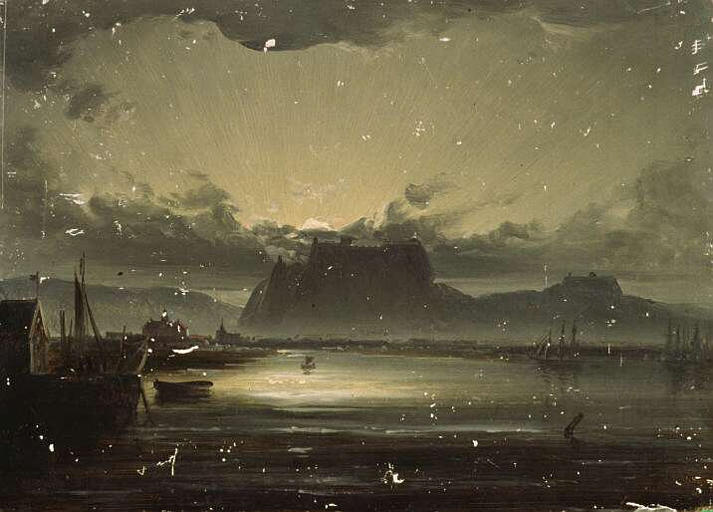
VUE DE FREDRIKSHALD (AUJOURD'HUI HALDEN)


 Ver más
Giclée / Impresión de arte
Impresiones giclée o en lienzo de calidad de museo con producción rápida y opciones de acabado flexibles. ( Comprar pintura hecha a mano Comprar imagen)




P118B $10

P118H $10

P118W $10

P438Z $10

P508JH $12

P508YH $12

P805H $10

P805Z $10

P919BZ $10

P919G $10

P919XJ $10

P959ZH $10

P968JZ $12

W106C $8

W218G $10

W218JH $8

W218Y $10

W307PJ $10

W316G $10

W316PJ $8

W316Y $10

W398PJ $8

W4111J $10

W500HY $15

W500JH $15

W692G $12

W849H $8

W940BG $15

W953PJ $8




Elija entre nuestros tamaños predefinidos que respetan las proporciones originales de la obra.

Puede introducir sus propias dimensiones para adaptarse a un marco o espacio específico. Si el tamaño seleccionado no coincide con las proporciones de la imagen original, recortaremos la obra de arte o extenderemos la imagen con un borde con efecto espejo o de color sólido. Se enviará una maqueta digital para su aprobación antes de que comience la producción.
Tenga en cuenta que la vista previa en pantalla no refleja el recorte o la extensión real. Solo la maqueta mostrará con precisión la composición final.
Aunque existen tamaños personalizados, recomendamos seleccionar una dimensión de la lista predefinida para preservar las proporciones originales.
Envío a todo el mundo () en 2 semanas en lugar de las 4/5 semanas estándar. (24 agosto)

Envío exprés gratuito a todo el mundo

Lienzo de lino de alta calidad

Seguro de envío total

Garantía de reembolso de impuestos aduaneros

Garantía de fidelidad cromática exacta

Política de devolución de 60 días (solo por defectos)

Garantía de devolución del 100% del dinero

Descuento por cantidad
 La opción de vidrio solo está disponible en tamaños inferiores a 110 cm.

VUE DE FREDRIKSHALD (AUJOURD'HUI HALDEN)
Giclée / Impresión de arte
Dimensiones de la reproducción
-


Precio total final
$ 62
Descripción de la pieza
A Dramatic Embrace: Peder Balke’s “Vue de Fredrikshald”
Peder Balke's "Vue de Fredrikshald (aujourd'hui Halden)" isn’t merely a landscape painting; it’s a visceral experience, a captured moment of brooding beauty and latent tension. Completed in 1872, this oil-on-canvas masterpiece transports the viewer to the windswept shores of Norway’s strategically vital harbor town, Halden, now known as Fredrikshald. The scene unfolds with an almost cinematic drama – a vast expanse of turbulent sea meeting a formidable fortress perched dramatically upon a rocky promontory, all under a sky pregnant with impending storm.
Balke, a pivotal figure in the Norwegian Romantic movement, eschewed the purely picturesque conventions of his time. He wasn’t interested in simply depicting a pretty view; instead, he sought to convey the raw power and emotional resonance of nature. This is evident in the painting's masterful use of light and shadow – a diffused, almost melancholic illumination that imbues the scene with an atmosphere of both grandeur and isolation. The brushstrokes themselves are deliberately loose and expressive, creating a sense of movement and turbulence within the water and sky, mirroring the inherent drama of the subject.
The Fortress as Symbol
At the heart of the composition stands Fredriksten fortress, a towering testament to Norway’s strategic importance throughout its history. Built in the 17th century, it served as a crucial defense against Danish and Swedish incursions. Within the painting, the fortress isn't just a military structure; it becomes a potent symbol of resilience, strength, and perhaps even confinement. Its imposing silhouette dominates the center of the canvas, drawing the eye and demanding attention. The dark tones surrounding it suggest a history steeped in conflict and vigilance – a silent witness to centuries of struggle.
The inclusion of the monument to King Charles XII, slain during the siege of Halden in 1718, adds another layer of historical weight. This poignant detail underscores the painting’s connection to Norway's turbulent past, reminding us of the sacrifices made for national independence and security. The placement of the monument at the forefront subtly shifts the focus from the fortress itself to the human cost of conflict.
Romanticism in Motion
“Vue de Fredrikshald” is a quintessential example of Romantic painting – an artistic movement that prioritized emotion, imagination, and the sublime power of nature. Balke’s technique perfectly embodies these ideals. The loose brushwork, dramatic lighting, and emphasis on atmospheric effects create a sense of immediacy and emotional intensity. The composition itself—the vastness of the sea juxtaposed with the solidity of the fortress—evokes feelings of awe, vulnerability, and perhaps even a touch of melancholy.
Furthermore, Balke’s decision to depict the scene during what appears to be twilight or early morning adds to its evocative quality. The muted colors and hazy atmosphere contribute to a dreamlike effect, as if the viewer is witnessing a fleeting moment in time—a secret shared between the sea, the fortress, and the approaching storm.
A Legacy of Norwegian Landscape
Peder Balke’s “Vue de Fredrikshald” stands as a cornerstone of Norwegian landscape painting. It's a testament to his ability to capture not just the visual appearance of a place but also its emotional essence. The painting’s enduring appeal lies in its dramatic intensity, historical significance, and profound connection to the natural world. Reproductions of this powerful work offer a window into the heart of Norway’s Romantic heritage, inviting viewers to contemplate the beauty, power, and inherent drama of the Norwegian landscape.
Consider commissioning a hand-painted reproduction from ArtsDot.com to bring this iconic scene into your home or office – a timeless piece that will undoubtedly captivate and inspire for generations to come.
Obras relacionadas
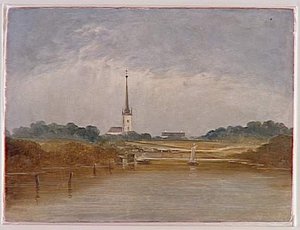
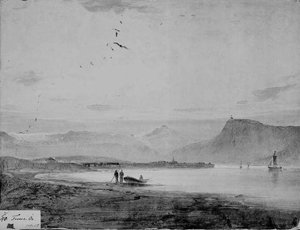
Biografía del artista
Peder Balke: Un Visionario Romántico Noruego
- Nacido: Hegøy, Noruega (1804)
- Fallecido: 1887
Primeros Años y Formación Artística
- Peder Andersen Balke nació en la isla de Helgøya, en el condado de Hedmark, Noruega. Creció en Ringsaker.
- Su familia eran agricultores, pero recibió apoyo de la comunidad local para perseguir sus ambiciones artísticas. Los agricultores de Toten pagaron su educación.
- Comenzó su formación como aprendiz de Heinrich August Grosch en 1827 y también estudió bajo Jacob Munch.
- De 1829 a 1833, fue alumno de Carl Johan Fahlcrantz en la Real Academia Sueca de Bellas Artes en Estocolmo.
- Posteriormente estudió con Johan Christian Dahl de 1843 a 1844.
Estilo Artístico y Obras Clave
- Pintura de Paisaje Romántico: Balke es conocido principalmente por sus representaciones dramáticas del paisaje noruego, caracterizadas por una sensibilidad romántica. Sus obras a menudo presentan una iluminación intensa, efectos atmosféricos y un sentido de grandeza sublime.
- Trabajo con el Pincel Único: Desarrolló un estilo distintivo con pinceladas texturizadas y un uso inusual del color, creando una calidad onírica en sus pinturas.
- Obras Notables: Algunas de sus obras más celebradas incluyen:
- Vue de Christiania (aujourd'hui Oslo) (1872) - Un paisaje urbano dramático que captura la esencia de Oslo.
- El Puerto de Skjervøy (1846) – Muestra una cautivadora escena portuaria con detalles realistas.
- Árboles Viejos (1840) – Representa un paisaje invernal noruego sombrío con una iluminación poderosa.
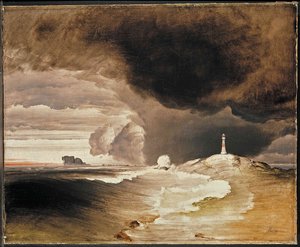
- Paisaje Marino (1845) - Un paisaje marino dramático que destaca la belleza agreste de la costa noruega.
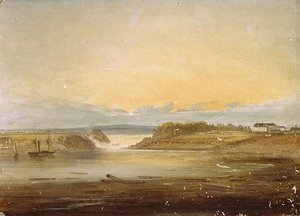
- Fredrikshald (1852) – Presenta un castillo costero y barcos, mostrando su dominio del realismo.
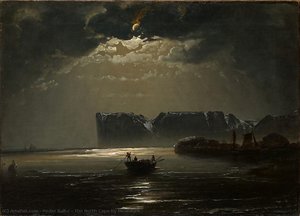
- El Cabo Norte a la Luz de la Luna (1848) - Captura la belleza asombrosa del Cabo Norte bajo la luz de la luna.
Activismo Social y Vida Posterior
- Defensor de la Justicia Social: Balke no solo fue un artista, sino también un reformador social comprometido. Se involucró activamente en temas de justicia social.
- Proyecto Balkeby: Lideró la construcción de Balkeby, un nuevo suburbio de Oslo diseñado para proporcionar mejores condiciones de vida a los trabajadores. Proporcionó préstamos y estableció reglas estrictas de construcción.
- Defensa de los Artistas: Balke abogó por becas para artistas y pensiones tanto para hombres como para mujeres.
- Legado Familiar: Fue el bisabuelo de la actriz Turid Balke y el tatarabuelo del pianista de jazz Jon Balke.
Significado Histórico y Reconocimiento
- Redescubrimiento y Apreciación: Si bien inicialmente fue pasado por alto, el trabajo de Balke ha experimentado un resurgimiento significativo en el reconocimiento en las últimas décadas.
- Exposiciones Internacionales: Se han celebrado importantes exposiciones de su obra en instituciones prestigiosas como la Galería Nacional de Londres (2014-2015) y el Museo Metropolitano de Arte (2017).
- Influencia en el Arte Nórdico: El estilo y la visión únicos de Balke contribuyeron significativamente al desarrollo del arte romántico en Noruega y en la región nórdica más amplia. Sus pinturas ahora se consideran ejemplos importantes del arte noruego del siglo XIX, celebradas por sus paisajes dramáticos y profundidad emocional.
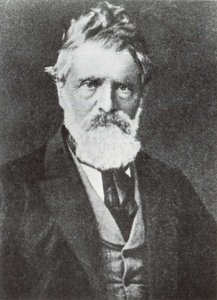
Peder Balke
1804 - 1887 , Noruega
Datos clave
- Artistas Que Influyeron:
- Heinrich August Grosch
- Carl Johan Fahlcrantz
- Johan Christian Dahl
- Fecha De Fallecimiento: 5 de febrero de 1887
- Fecha De Nacimiento: 4 de noviembre de 1804
- Lugar De Nacimiento: Hegøy, Noruega
- Movimiento Artístico: Romanticismo
- Nacionalidad: Noruego
- Nombre Completo: Peder Balke
- Obras Notables:
- Vue de Christiania (Oslo)
- El puerto de Skjervøy
- Árboles viejos
- Paisaje marino
- Fredrikshald
- El Cabo Norte a la luz de luna
Artículos relacionados

Paisajes Románticos: 10 Obras Maestras que Definieron un Movimiento Artístico
Descubre los 10 paisajes románticos más influyentes de artistas como Caspar David Friedrich y Turner. Explora la belleza, el simbolismo y las técnicas del movimiento romántico. Reproducciones de arte exclusivas en ArtsDot.com.
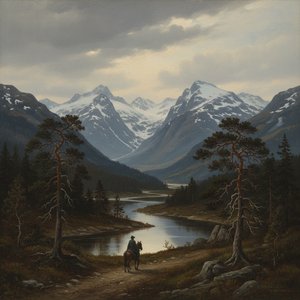
Johan Christian Dahl: Pioneering Norwegian Romantic Landscape Painting
Explore the life & art of Johan Christian Dahl, Norway's first great Romantic painter. Discover his iconic landscapes, cultural impact, and lasting legacy with ArtsDot.
Evoking Nature's Sublime: A Comprehensive Exploration of 19th-Century Landscape Painting
Explore the captivating world of 19th-century landscape painting! Discover renowned artists like Friedrich & Monet, key movements, and find the perfect artwork to bring nature's serenity into your home. Expert insights at ArtsDot.
Evoking Emotion & Transcendence: Romantic Landscape Painting (18th-19th Century)
Explore the emotional depth of Romantic landscape painting (18th-19th century). Discover key artists like Friedrich & Cole, and the concepts of the sublime. Expert insights for art lovers & collectors.

Evocations of Place: A Historical Journey Through Landscape Art
Explore the rich history of landscape art with ArtsDot. Discover renowned artists, movements like Impressionism & Romanticism, and expert guidance for collecting timeless pieces. Find your perfect serene escape today!