

 Ver en contexto
 Enviar
 Compartir
 Detalles

 Descargar
 Similares
 Radiografía
 Presentación de diapositivas
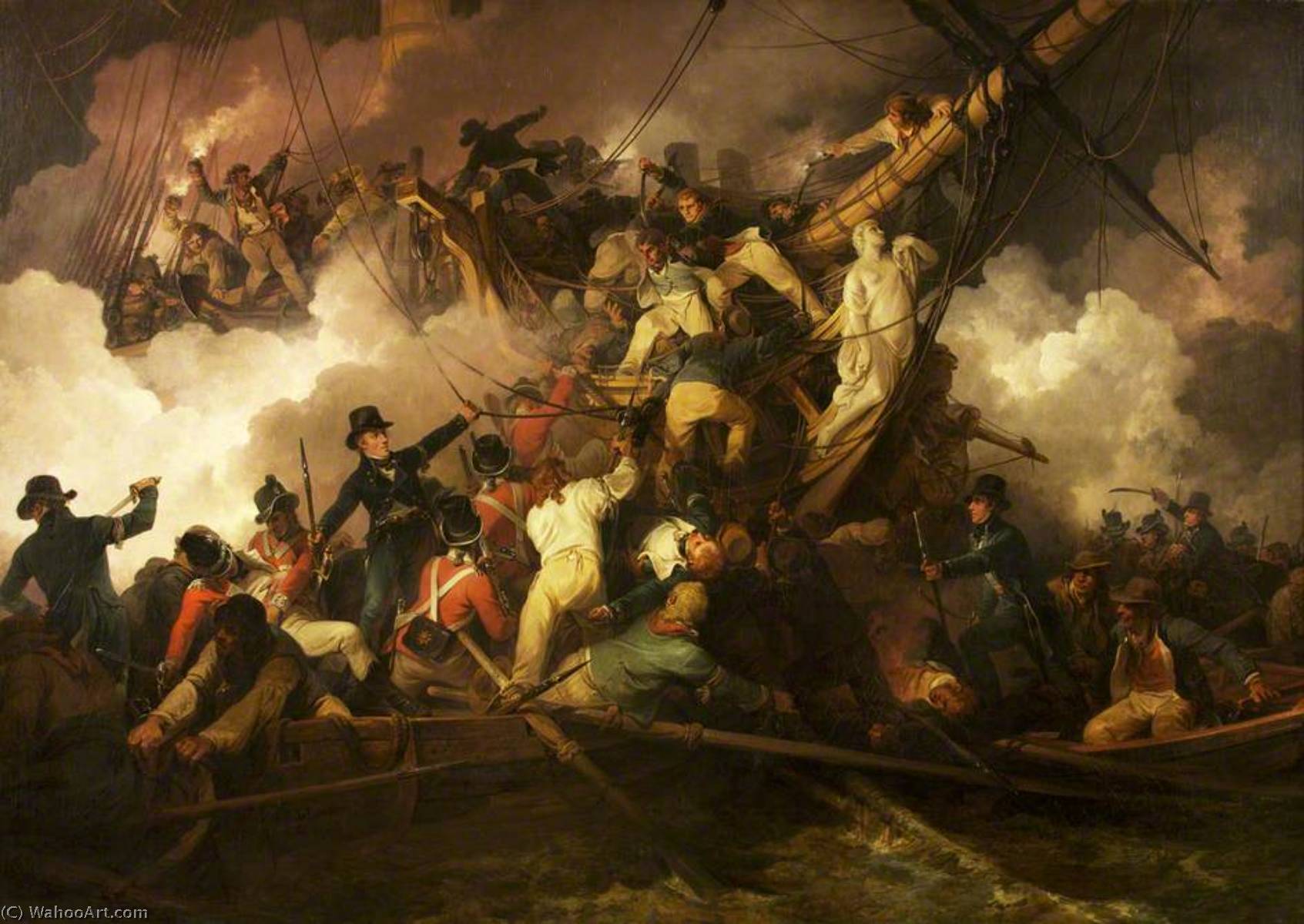
The Cutting Out of the French Corvette 'La Chevrette'
 Acrylic On Canvas
- WallArt
- Romanticism
 1802
1802 152.0 x 165.0 cm
 Museo de Bristol - Galería de Arte
 Ver más
Adquiera una imagen digital de alta resolución y optimizada, muy superior a la vista previa en línea.
Cada archivo es preparado meticulosamente por nuestros especialistas internos mediante el uso de herramientas avanzadas y un experto retoque manual. Nos aseguramos de que cada imagen posea una claridad excepcional, una precisión cromática impecable y un detalle minucioso.
El archivo final se entrega por correo electrónico en un plazo de 72 horas, optimizado para su uso inmediato en entornos profesionales, editoriales y de impresión. Esta es la misma calidad en la que confían los estudios de diseño, las editoriales y las galerías de primer nivel.
Imagen Digital
Descarga un archivo de alta resolución para exhibición personal, impresión y proyectos creativos. ( Comprar impresión Comprar pintura hecha a mano)
Incluido en cada pedido de imágenes digitales
Entrega digital experta, garantizada.
Al elegir ArtsDot.com, no solo está adquiriendo una imagen; está recibiendo una obra de arte digital mejorada profesionalmente, elaborada con precisión y respaldada por una garantía de satisfacción. Esto es todo lo que incluye su pedido, automáticamente:

Entrega rápida por email
Recibirá su archivo de imagen digital en alta resolución por correo electrónico en un plazo de 72 horas tras realizar su pedido, listo para su uso inmediato.

Archivo digital optimizado por IA
Su obra de arte se optimiza profesionalmente mediante herramientas avanzadas de IA y edición manual, garantizando el máximo detalle, claridad y precisión cromática.

Reenvío gratuito de por vida
¿Has borrado o perdido tu archivo por error? No te preocupes: te lo volveremos a enviar en cualquier momento, sin coste adicional.

Sin gastos de importación, siempre
Disfrute de su obra de arte al instante sin aduanas, aranceles ni gastos de envío; las descargas digitales siempre están libres de impuestos.

Garantía de fidelidad de color
Garantizamos que su imagen digital refleje los colores originales con la mayor fidelidad posible, mediante el uso de herramientas profesionales y gestión del color.

Garantía de satisfacción de 100 días
Si no está satisfecho con su imagen digital, la revisaremos o le reembolsaremos el 100% en un plazo de 100 días, sin preguntas.

100% Garantía de devolución de dinero
¿No está satisfecho? Obtenga un reembolso completo dentro de los 100 días posteriores a la recepción de su archivo digital, sin preguntas.

Descuentos por pedidos grandes
Compra 3 imágenes, ahorra 10% - Compra 5, ahorra 15% - Compra 10+, ahorra 20%. Ideal para proyectos creativos, galerías y agencias.
The Cutting Out of the French Corvette ‘La Chevrette’ – A Dramatic Tableau of Naval Victory
Philip James de Loutherbourg's “The Cutting Out of the French Corvette ‘La Chevrette’,” painted in 1802, is more than just a historical depiction; it’s a visceral experience. This monumental canvas transports the viewer directly into the heart of a pivotal naval engagement during the Napoleonic Wars – a desperate gamble that ultimately secured a strategic victory for Britain. De Loutherbourg, a figure who seamlessly blended artistic talent with theatrical innovation, masterfully captures not only the action but also the palpable tension and raw emotion of this daring operation.
The scene unfolds within the confines of Camaret Bay in Brittany, a location strategically chosen by the British to launch their audacious plan. Four Royal Navy frigates – the Robust, Doris, Beaulieu, and Uranie – are depicted maneuvering stealthily towards the French corvette ‘La Chevrette,’ which was anchored under the protection of shore batteries. The composition is meticulously arranged, emphasizing the contrast between the sleek, agile British vessels and the more cumbersome French ship. The artist’s keen eye for detail extends to the individual figures on board, each contributing to the chaotic yet controlled drama of the moment – sailors scrambling across decks, officers barking orders, and soldiers poised with muskets.
A Masterclass in Romantic Drama and Technical Skill
De Loutherbourg was a pivotal figure in the transition from Neoclassicism to Romanticism. His work is characterized by an intense emotionality, dramatic lighting, and a fascination with grand historical events. “The Cutting Out of the Chevrette” exemplifies these qualities perfectly. The artist employs a rich, dark palette – deep blues, browns, and blacks – to create a sense of gloom and urgency, punctuated by flashes of brilliant white light representing the cannon fire and the desperate struggle for control. His brushwork is loose and expressive, conveying movement and energy with remarkable skill. Note the dynamic diagonals created by the ships’ sails and the figures’ postures; these elements contribute significantly to the painting's sense of dynamism.
Technically, de Loutherbourg was a highly accomplished painter, trained initially in Paris under Van Loo and Casanova. However, he quickly developed his own distinctive style, influenced by his fascination with theatrical design and his inventive use of lighting effects. He experimented extensively with techniques to simulate the dramatic atmosphere of a stage production, foreshadowing later developments in photography and cinema. The painting’s scale – 152 x 165 cm – further enhances its impact, enveloping the viewer within the scene and amplifying the sense of immediacy.
Symbolism and Historical Significance
Beyond its immediate depiction of a naval battle, “The Cutting Out of the Chevrette” carries significant symbolic weight. The capture of ‘La Chevrette’ was a crucial victory for Britain, demonstrating their ability to outmaneuver and overcome the seemingly invincible French fleet. It bolstered British morale during a period of intense anxiety about Napoleon's ambitions and served as a potent symbol of national resilience. The painting itself became an important propaganda tool, used to celebrate British naval prowess and reinforce public confidence in the war effort.
Furthermore, the scene embodies the Romantic fascination with heroism, courage, and the sublime – the awe-inspiring power of nature and human action. The figures engaged in combat are portrayed as embodying these qualities, their faces etched with determination and fear. The painting’s dramatic lighting and dynamic composition evoke a sense of grandeur and excitement, transporting the viewer to a moment of intense historical significance. It's a testament to de Loutherbourg's ability to capture not just a historical event but also the emotional core of human experience.
A Timeless Masterpiece – Perfect for Reproduction
“The Cutting Out of the French Corvette ‘La Chevrette’” remains a captivating and historically significant work of art. Its dramatic composition, masterful technique, and powerful symbolism continue to resonate with viewers today. A high-quality reproduction offers an exceptional opportunity to bring this iconic scene into your home or office, serving as a striking conversation piece and a reminder of Britain's daring naval exploits during the Napoleonic Wars. Consider framing it in a classic style to complement its historical subject matter – perhaps within a dark wood frame to enhance the painting’s dramatic atmosphere.
Obras relacionadas
Biografía del artista
Primeros Años y Formación
- Nacido: Estrasburgo, Francia (1740)
- Fallecido: 1812
- Philip James de Loutherbourg, también conocido como Philip Jacques de Loutherbourg, fue un pintor franco-británico.
- Comenzó su formación artística a una edad temprana y rápidamente se hizo conocido por su habilidad para pintar.
- Fue nombrado miembro de la Royal Academy en 1781.
- Su padre era grabador y miniaturista, lo que influyó en su exposición temprana al arte.
- Inicialmente destinado al ministerio, rechazó este camino para dedicarse a la pintura.
- Estudió bajo Charles-André van Loo y Francesco Giuseppe Casanova en París.
Obras Notables y Estilo Artístico
- Acción de Lord Howe, o el Primer Junio Glorioso: Conmemoró las victorias navales británicas (1795).
- La Destrucción de la Armada: Mostró su habilidad para capturar escenas dramáticas.
- Coalbrookdale por la Noche: Resaltó su interés en la Revolución Industrial.
- Jinete y Ganado en una Tormenta: Una representación dramática del poder de la naturaleza (1780).
- Paisaje con Ganado y Figuras, una Tormenta se Acerca: Una impresionante escena pastoral renderizada al óleo (1781).
- Sus pinturas a menudo presentaban temas históricos, navales y paisajísticos.
- Se le conocía por sus composiciones dramáticas y su atención al detalle.
- El estilo de Loutherbourg se asocia con el Romanticismo, enfatizando la emoción y la grandeza.
El Eidophusikon e Innovaciones Teatrales
- En 1789, Loutherbourg abandonó temporalmente la pintura para explorar la alquimia y lo sobrenatural.
- Conoció a Alessandro di Cagliostro y viajó con él antes de la condena de Cagliostro.
- Loutherbourg inventó el Eidophusikon, un teatro mecánico que combinaba escenografía pintada con efectos de iluminación y figuras móviles.
- El Eidophusikon fue una innovación significativa en el diseño teatral y el entretenimiento.
- Diseñó elaborados decorados para teatros de Londres, incluido Drury Lane, mostrando sus habilidades inventivas.
Carrera Posterior y Legado
- Loutherbourg regresó a la pintura después de su participación con Cagliostro.
- Sus obras posteriores incluyeron pinturas históricas y temas bíblicos.
- Publicó dos colecciones de grabados: Picturesque Scenery of Great Britain (1801) y The Romantic and Picturesque Scenery of England and Wales (1805).
- Su obra se puede encontrar en museos de todo el mundo, incluido el National Maritime Museum y el British Museum.
- La influencia de Loutherbourg se extendió a artistas posteriores como J.M.W. Turner.
- Es recordado por sus contribuciones tanto a la pintura como al diseño teatral.
Significado Histórico
- Loutherbourg jugó un papel significativo en el desarrollo del arte británico romántico.
- Sus pinturas navales ayudaron a popularizar las representaciones de eventos marítimos.
- El Eidophusikon demostró su espíritu innovador y contribuyó a los avances en la tecnología teatral.
- Puenteó la brecha entre la pintura, el diseño teatral y la exploración científica.
- El legado de Loutherbourg radica en su capacidad para combinar habilidad artística con innovación tecnológica y una fascinación por el mundo natural.
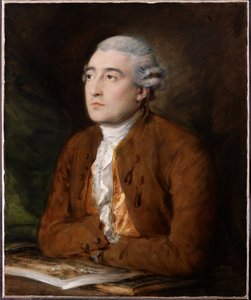
Philip James de Loutherbourg
1740 - 1812 , Francia
Breves datos
- Artistas Influenciados: ['J.M.W. Turner']
- Artistas Que Influyeron:
- Charles-André van Loo
- Francesco Giuseppe Casanova
- Fecha De Fallecimiento: 11 de marzo de 1812
- Fecha De Nacimiento: 31 de octubre de 1740
- Lugar De Nacimiento: Strasburgo, Francia
- Movimiento Artístico: Romanticismo
- Nacionalidad: Franco-Británico
- Nombre Completo: Philip James de Loutherbourg
- Obras Notables:
- Lord Howe's action
- Destrucción de la Armada
- Coalbrookdale por la noche