 Ver en contexto
 Enviar
 Compartir
 Detalles

 Descargar
 Similares
 Radiografía
 Presentación de diapositivas
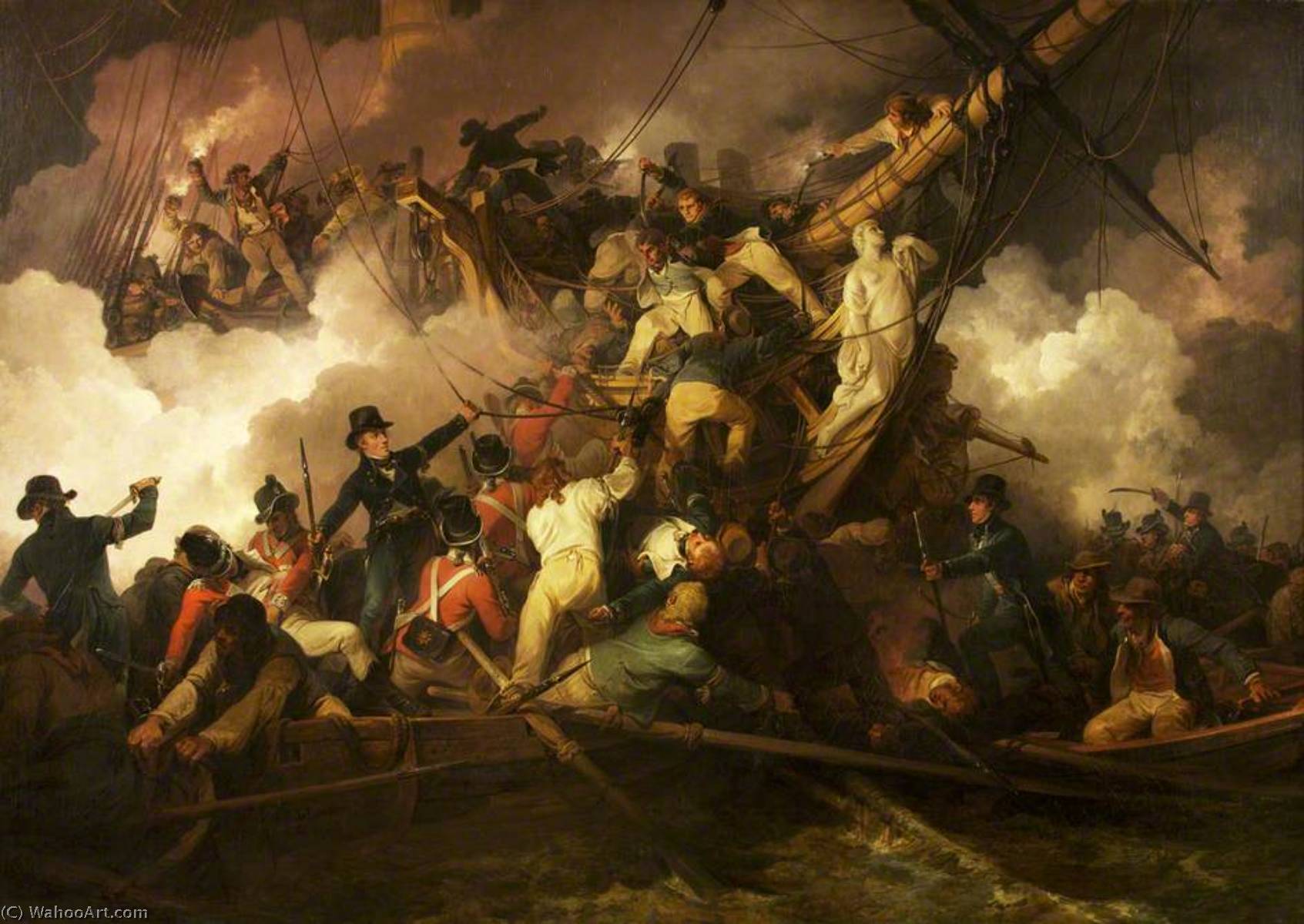
The Cutting Out of the French Corvette 'La Chevrette'
 Acrylic On Canvas
- WallArt
- Romanticism
 1802
1802 152.0 x 165.0 cm
 Museo de Bristol - Galería de Arte
 Ver más
Giclée / Impresión de arte
Impresiones giclée o en lienzo de calidad de museo con producción rápida y opciones de acabado flexibles. ( Comprar pintura hecha a mano Comprar imagen)




P118B $10

P118H $10

P118W $10

P438Z $10

P508JH $12

P508YH $12

P805H $10

P805Z $10

P919BZ $10

P919G $10

P919XJ $10

P959ZH $10

P968JZ $12

W106C $8

W218G $10

W218JH $8

W218Y $10

W307PJ $10

W316G $10

W316PJ $8

W316Y $10

W398PJ $8

W4111J $10

W500HY $15

W500JH $15

W692G $12

W849H $8

W940BG $15

W953PJ $8




Elija entre nuestros tamaños predefinidos que respetan las proporciones originales de la obra.

Puede introducir sus propias dimensiones para adaptarse a un marco o espacio específico. Si el tamaño seleccionado no coincide con las proporciones de la imagen original, recortaremos la obra de arte o extenderemos la imagen con un borde con efecto espejo o de color sólido. Se enviará una maqueta digital para su aprobación antes de que comience la producción.
Tenga en cuenta que la vista previa en pantalla no refleja el recorte o la extensión real. Solo la maqueta mostrará con precisión la composición final.
Aunque existen tamaños personalizados, recomendamos seleccionar una dimensión de la lista predefinida para preservar las proporciones originales.
Envío a todo el mundo () en 2 semanas en lugar de las 4/5 semanas estándar. (7 septiembre)

Envío exprés gratuito a todo el mundo

Lienzo de lino de alta calidad

Seguro de envío total

Garantía de reembolso de impuestos aduaneros

Garantía de fidelidad cromática exacta

Política de devolución de 100 días (solo por defectos)

Garantía de devolución del 100% del dinero

Descuento por cantidad
 La opción de vidrio solo está disponible en tamaños inferiores a 110 cm.

The Cutting Out of the French Corvette 'La Chevrette'
Giclée / Impresión de arte
Dimensiones de la reproducción
-


Precio total final
$ 62
The Cutting Out of the French Corvette ‘La Chevrette’ – A Dramatic Tableau of Naval Victory
Philip James de Loutherbourg's “The Cutting Out of the French Corvette ‘La Chevrette’,” painted in 1802, is more than just a historical depiction; it’s a visceral experience. This monumental canvas transports the viewer directly into the heart of a pivotal naval engagement during the Napoleonic Wars – a desperate gamble that ultimately secured a strategic victory for Britain. De Loutherbourg, a figure who seamlessly blended artistic talent with theatrical innovation, masterfully captures not only the action but also the palpable tension and raw emotion of this daring operation.
The scene unfolds within the confines of Camaret Bay in Brittany, a location strategically chosen by the British to launch their audacious plan. Four Royal Navy frigates – the Robust, Doris, Beaulieu, and Uranie – are depicted maneuvering stealthily towards the French corvette ‘La Chevrette,’ which was anchored under the protection of shore batteries. The composition is meticulously arranged, emphasizing the contrast between the sleek, agile British vessels and the more cumbersome French ship. The artist’s keen eye for detail extends to the individual figures on board, each contributing to the chaotic yet controlled drama of the moment – sailors scrambling across decks, officers barking orders, and soldiers poised with muskets.
A Masterclass in Romantic Drama and Technical Skill
De Loutherbourg was a pivotal figure in the transition from Neoclassicism to Romanticism. His work is characterized by an intense emotionality, dramatic lighting, and a fascination with grand historical events. “The Cutting Out of the Chevrette” exemplifies these qualities perfectly. The artist employs a rich, dark palette – deep blues, browns, and blacks – to create a sense of gloom and urgency, punctuated by flashes of brilliant white light representing the cannon fire and the desperate struggle for control. His brushwork is loose and expressive, conveying movement and energy with remarkable skill. Note the dynamic diagonals created by the ships’ sails and the figures’ postures; these elements contribute significantly to the painting's sense of dynamism.
Technically, de Loutherbourg was a highly accomplished painter, trained initially in Paris under Van Loo and Casanova. However, he quickly developed his own distinctive style, influenced by his fascination with theatrical design and his inventive use of lighting effects. He experimented extensively with techniques to simulate the dramatic atmosphere of a stage production, foreshadowing later developments in photography and cinema. The painting’s scale – 152 x 165 cm – further enhances its impact, enveloping the viewer within the scene and amplifying the sense of immediacy.
Symbolism and Historical Significance
Beyond its immediate depiction of a naval battle, “The Cutting Out of the Chevrette” carries significant symbolic weight. The capture of ‘La Chevrette’ was a crucial victory for Britain, demonstrating their ability to outmaneuver and overcome the seemingly invincible French fleet. It bolstered British morale during a period of intense anxiety about Napoleon's ambitions and served as a potent symbol of national resilience. The painting itself became an important propaganda tool, used to celebrate British naval prowess and reinforce public confidence in the war effort.
Furthermore, the scene embodies the Romantic fascination with heroism, courage, and the sublime – the awe-inspiring power of nature and human action. The figures engaged in combat are portrayed as embodying these qualities, their faces etched with determination and fear. The painting’s dramatic lighting and dynamic composition evoke a sense of grandeur and excitement, transporting the viewer to a moment of intense historical significance. It's a testament to de Loutherbourg's ability to capture not just a historical event but also the emotional core of human experience.
A Timeless Masterpiece – Perfect for Reproduction
“The Cutting Out of the French Corvette ‘La Chevrette’” remains a captivating and historically significant work of art. Its dramatic composition, masterful technique, and powerful symbolism continue to resonate with viewers today. A high-quality reproduction offers an exceptional opportunity to bring this iconic scene into your home or office, serving as a striking conversation piece and a reminder of Britain's daring naval exploits during the Napoleonic Wars. Consider framing it in a classic style to complement its historical subject matter – perhaps within a dark wood frame to enhance the painting’s dramatic atmosphere.
Obras relacionadas
Biografía del artista
Primeros Años y Formación
- Nacido: Estrasburgo, Francia (1740)
- Fallecido: 1812
- Philip James de Loutherbourg, también conocido como Philip Jacques de Loutherbourg, fue un pintor franco-británico.
- Comenzó su formación artística a una edad temprana y rápidamente se hizo conocido por su habilidad para pintar.
- Fue nombrado miembro de la Royal Academy en 1781.
- Su padre era grabador y miniaturista, lo que influyó en su exposición temprana al arte.
- Inicialmente destinado al ministerio, rechazó este camino para dedicarse a la pintura.
- Estudió bajo Charles-André van Loo y Francesco Giuseppe Casanova en París.
Obras Notables y Estilo Artístico
- Acción de Lord Howe, o el Primer Junio Glorioso: Conmemoró las victorias navales británicas (1795).
- La Destrucción de la Armada: Mostró su habilidad para capturar escenas dramáticas.
- Coalbrookdale por la Noche: Resaltó su interés en la Revolución Industrial.
- Jinete y Ganado en una Tormenta: Una representación dramática del poder de la naturaleza (1780).
- Paisaje con Ganado y Figuras, una Tormenta se Acerca: Una impresionante escena pastoral renderizada al óleo (1781).
- Sus pinturas a menudo presentaban temas históricos, navales y paisajísticos.
- Se le conocía por sus composiciones dramáticas y su atención al detalle.
- El estilo de Loutherbourg se asocia con el Romanticismo, enfatizando la emoción y la grandeza.
El Eidophusikon e Innovaciones Teatrales
- En 1789, Loutherbourg abandonó temporalmente la pintura para explorar la alquimia y lo sobrenatural.
- Conoció a Alessandro di Cagliostro y viajó con él antes de la condena de Cagliostro.
- Loutherbourg inventó el Eidophusikon, un teatro mecánico que combinaba escenografía pintada con efectos de iluminación y figuras móviles.
- El Eidophusikon fue una innovación significativa en el diseño teatral y el entretenimiento.
- Diseñó elaborados decorados para teatros de Londres, incluido Drury Lane, mostrando sus habilidades inventivas.
Carrera Posterior y Legado
- Loutherbourg regresó a la pintura después de su participación con Cagliostro.
- Sus obras posteriores incluyeron pinturas históricas y temas bíblicos.
- Publicó dos colecciones de grabados: Picturesque Scenery of Great Britain (1801) y The Romantic and Picturesque Scenery of England and Wales (1805).
- Su obra se puede encontrar en museos de todo el mundo, incluido el National Maritime Museum y el British Museum.
- La influencia de Loutherbourg se extendió a artistas posteriores como J.M.W. Turner.
- Es recordado por sus contribuciones tanto a la pintura como al diseño teatral.
Significado Histórico
- Loutherbourg jugó un papel significativo en el desarrollo del arte británico romántico.
- Sus pinturas navales ayudaron a popularizar las representaciones de eventos marítimos.
- El Eidophusikon demostró su espíritu innovador y contribuyó a los avances en la tecnología teatral.
- Puenteó la brecha entre la pintura, el diseño teatral y la exploración científica.
- El legado de Loutherbourg radica en su capacidad para combinar habilidad artística con innovación tecnológica y una fascinación por el mundo natural.
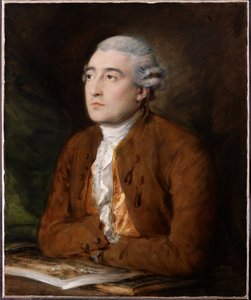
Philip James de Loutherbourg
1740 - 1812 , Francia
Datos clave
- Artistas Influenciados: ['J.M.W. Turner']
- Artistas Que Influyeron:
- Charles-André van Loo
- Francesco Giuseppe Casanova
- Fecha De Fallecimiento: 11 de marzo de 1812
- Fecha De Nacimiento: 31 de octubre de 1740
- Lugar De Nacimiento: Strasburgo, Francia
- Movimiento Artístico: Romanticismo
- Nacionalidad: Franco-Británico
- Nombre Completo: Philip James de Loutherbourg
- Obras Notables:
- Lord Howe's action
- Destrucción de la Armada
- Coalbrookdale por la noche
Artículos relacionados
Philip James de Loutherbourg: Romantic Visions of Maritime Life & the Sublime
Explore the dramatic naval scenes & landscapes of Philip James de Loutherbourg (1740-1812), a key figure in Romantic painting. Discover his legacy, theatrical innovations & iconic works like 'The Battle of the Nile' at ArtsDot.
Thomas Butterworth (1768–1842): Navigating the Aesthetics of British Marine Painting
Explore the captivating maritime art of Thomas Butterworth (1768–1842). Discover his stunning depictions of Napoleonic naval battles and life at sea, commissioned works for the East India Company, and enduring legacy. Learn more today!
Los 25 Tesoros del Museo Británico: Arte, Historia y Decoración Excepcional
Descubre los 25 tesoros del Museo Británico: desde la Piedra Rosetta hasta obras de Rembrandt y Van Gogh. Explora su historia, técnica y significado. Reproducciones de arte exclusivas en ArtsDot.com para decorar tu hogar con elegancia.
Thomas Luny (1759–1837): Maritime Mastery & the Evolution of British Marine Painting
Explore the captivating world of Thomas Luny (1759–1837), a celebrated British marine artist. Discover his dramatic naval scenes, detailed ship portraits & lasting legacy. Learn about his life, influences & artworks.
Robert Bevan: Pioneering British Post-Impressionism & the Camden Town Group's Intimate Vision
Explore the life & work of Robert Bevan, a pioneer of British Post-Impressionism and founding member of the Camden Town Group. Discover his vibrant landscapes and lasting impact on early 20th-century art.