 Ver en contexto
 Enviar
 Compartir
 Detalles

 Descargar
 Similares
 Radiografía
 Presentación de diapositivas
Incarnation of Jesus (detail)


 Ver más
Reproducción al óleo hecha a mano
Óleo sobre lienzo pintado a mano en el tamaño y marco de su elección, realizado por encargo por nuestros artistas. ( Comprar impresión Comprar imagen)




P118B $10

P118H $10

P118W $10

P438Z $10

P508JH $12

P508YH $12

P805H $10

P805Z $10

P919BZ $10

P919G $10

P919XJ $10

P959ZH $10

P968JZ $12

W106C $8

W218G $10

W218JH $8

W218Y $10

W307PJ $10

W316G $10

W316PJ $8

W316Y $10

W398PJ $8

W4111J $10

W500HY $15

W500JH $15

W692G $12

W849H $8

W940BG $15

W953PJ $8




Elija entre nuestros tamaños predefinidos que respetan las proporciones originales de la obra.

Puede ingresar sus propias dimensiones para adaptarse a un marco o espacio específico. Si el tamaño seleccionado no coincide con las proporciones de la imagen original, recortaremos la obra o extenderemos la pintura con elementos adicionales pintados a mano. Se le enviará una maqueta digital para su aprobación antes de comenzar la producción.
Tenga en cuenta que la vista previa en pantalla no refleja el recorte o la extensión reales. Solo la maqueta mostrará con precisión la composición final.
Si bien existen tamaños personalizados, recomendamos seleccionar una dimensión de la lista predefinida para preservar las proporciones originales.
Tras realizar el pedido, el equipo de ArtsDot.com enviará un correo electrónico al cliente para solicitar instrucciones y proporcionarle una vista previa del boceto.
Envío a todo el mundo () en 3-4 semanas en lugar de las 5 semanas estándar. (4 septiembre). Sin comprometer la calidad.

Envío exprés gratuito a todo el mundo

Lienzo de lino de alta calidad

Seguro de envío total

Garantía de reembolso de impuestos aduaneros

Garantía de fidelidad cromática exacta

Política de devolución de 60 días (solo por defectos)

Garantía de devolución del 100% del dinero

Descuento por cantidad
 La opción de vidrio solo está disponible en tamaños inferiores a 110 cm.

Incarnation of Jesus (detail)
Técnica de reproducción
Dimensiones de la reproducción
-


Precio total final
$ 263
The Enfolding Mystery: Piero di Cosimo’s “Incarnation of Jesus” (Detail)
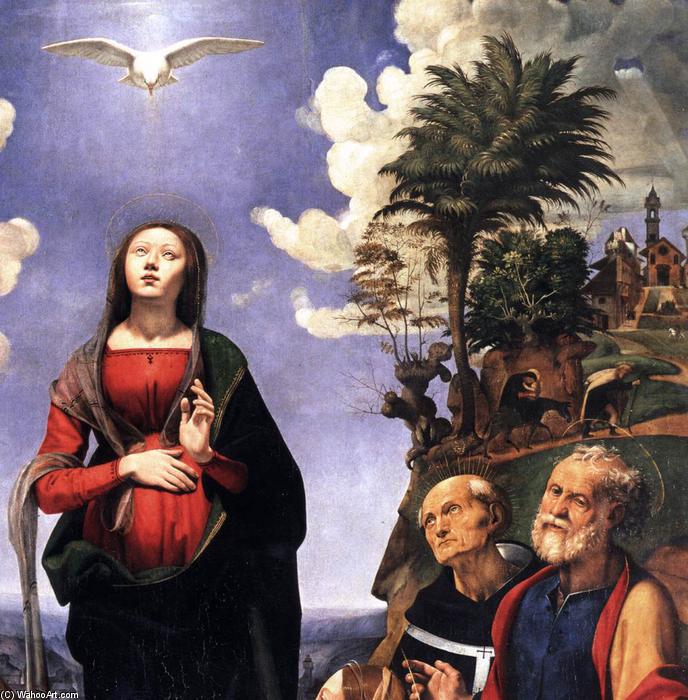
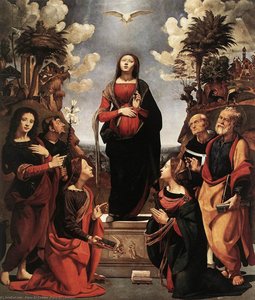
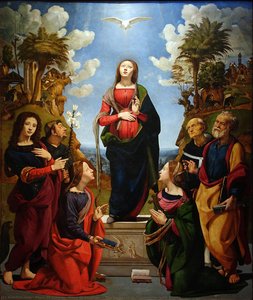
Piero di Cosimo’s “Incarnation of Jesus,” a captivating detail from the original painting housed in the Uffizi Gallery, Florence, offers a profound glimpse into the burgeoning artistic and intellectual currents of 16th-century Italy. More than simply a depiction of a pivotal religious event, this work embodies a unique synthesis of Renaissance realism, fantastical imagination, and deeply considered symbolism – a hallmark of Cosimo’s distinctive style. The image captures a moment pregnant with spiritual significance, inviting the viewer to contemplate the divine mystery at its heart.
The focal point is undoubtedly Mary, rendered in rich crimson robes that immediately draw the eye. Her posture—hands clasped in prayer or deep contemplation—evokes a sense of humility and reverence. Above her head floats a radiant white dove, an unmistakable symbol of the Holy Spirit, frequently employed in Christian iconography to represent divine grace and illumination. This visual element elevates the scene beyond a mere earthly portrayal, suggesting a transcendent encounter.
A Scholarly Chorus: Interpreting the Figures
Flanking Mary are two figures who add layers of intellectual and philosophical depth to the composition. These men, likely representing scholars or philosophers, are dressed in robes indicative of their learned status – long sleeves, flowing garments, and subtle embellishments all contribute to this impression. The man on the left, distinguished by his baldness and beard, gazes intently forward, while the one on the right, with his flowing hair and full beard, holds a book, suggesting an active engagement in contemplation or debate. Their presence isn’t merely decorative; they represent the human intellect grappling with the profound implications of the Incarnation – a dialogue between faith and reason.
The inclusion of these figures speaks to the humanist ideals prevalent during this period, where classical learning was being re-examined alongside religious belief. Cosimo masterfully integrated these elements, creating a scene that transcends simple narrative and invites viewers to ponder the relationship between earthly wisdom and divine revelation. It’s worth noting that Piero di Cosimo's artistic lineage can be traced back to Andrea del Verrocchio, a pivotal figure in Florentine art who himself was influenced by the humanist movement.
Renaissance Landscape and Symbolic Echoes
The background landscape, dominated by palm trees and a distant European village nestled beneath a dramatic sky, establishes a setting evocative of the East – a deliberate choice that alludes to the biblical accounts of Jesus’ birth in Bethlehem. The presence of palm trees is not merely geographical; they are potent symbols of paradise and eternal life, reinforcing the painting's overarching theme of redemption and divine grace. The village itself, with its pitched roofs and chimneys, grounds the scene in a recognizable European reality, providing a visual anchor for the fantastical elements.
The cloudy sky adds to the dramatic intensity of the composition, creating an atmosphere of solemn reverence and spiritual anticipation. Cosimo’s masterful use of light – particularly the soft illumination highlighting Mary and the dove – directs the viewer's attention to the central figures and reinforces their importance within the narrative. This careful orchestration of visual elements demonstrates a sophisticated understanding of artistic technique and its ability to convey profound meaning.
A Window into a Renaissance Mind
“Incarnation of Jesus” is more than just a beautiful painting; it’s a window into the complex intellectual and spiritual landscape of 16th-century Florence. Piero di Cosimo's ability to seamlessly blend realistic detail with imaginative symbolism reflects the era’s fascination with both classical antiquity and Christian theology. The work stands as a testament to his artistic genius, offering viewers an opportunity to engage with a timeless narrative of faith, humanity, and divine mystery. ArtsDot offers meticulously crafted reproductions that allow you to experience the beauty and depth of this extraordinary masterpiece in your own space.
Obras relacionadas

Biografía del artista
Piero di Cosimo (1462-1522): Uniendo la Fantasía y el Realismo en la Pintura del Renacimiento Florentino
Piero di Cosimo, nacido como Piero di Lorenzo Battista alrededor de 1462 en Florencia, Italia, se erige como una figura singular dentro del vibrante tapiz del Renacimiento florentino. A diferencia de muchos de sus contemporáneos, quienes se adherían rígidamente a los ideales clásicos, Cosimo poseía un espíritu imaginativo que infundía su obra con elementos fantásticos junto a una meticulosa observación de la naturaleza; una mezcla distintiva que consolidó su reputación como uno de los pintores más innovadores de la época. Su viaje artístico se desarrolló bajo el trasfondo de un floreciente pensamiento humanista y una intensa experimentación artística, reflejando las transformaciones culturales más amplias que estaban remodelando Europa durante este periodo.- Primeros años y formación: Los detalles biográficos precisos sobre los años formativos de Cosimo siguen siendo esquivos, dependiendo principalmente de referencias fragmentarias en Las vidas de los artistas de Vasari. Se formó como aprendiz bajo la tutela de Andrea del Verrocchio, un renombrado escultor y pintor cuyo taller sirvió como crisol para el talento artístico. Esta asociación expuso a Cosimo a las técnicas de la pintura al fresco y la escultura, moldeando sus habilidades fundamentales.
- Influencias y estilo artístico: El estilo de Cosimo se vio profundamente impactado por Botticelli y Giovanni Battista Van Eyck, artistas que defendieron tanto la belleza como la profundidad psicológica. Las líneas gráciles y las figuras etéreas de Botticelli infundieron en Cosimo una inclinación hacia la elegancia y la representación idealizada, mientras que el dominio del óleo de Van Eyck lo alentó a explorar matices tonales sutiles y una gran riqueza textural. Estas influencias se combinaron para producir un lenguaje artístico caracterizado por colores luminosos, pinceladas delicadas y una cautivadora fusión de narrativas mitológicas con paisajes realistas.
Obras Notables y Logros Artísticos
La obra de Cosimo comprende una colección extraordinaria de pinturas que exhiben su talento excepcional y su visión imaginativa. Entre sus creaciones más celebradas se encuentra “Vulcano y Eolo”, una monumental pintura al óleo de formato circular que representa el enfrentamiento mitológico entre el hijo de Zeus y Poseidón, un testimonio de la capacidad de Cosimo para transmitir emoción dramática dentro de una composición cuidadosamente construida. Del mismo modo, "La Madonna con el Niño Jesús durmiendo y el pequeño San Juan Bautista" ejemplifica su meticulosa atención al detalle y su profundo conocimiento de la iconografía religiosa. Además, “La Adoración del Niño”, otra obra maestra circular, encarna la belleza serena y la contemplación espiritual características del arte del Renacimiento temprano.Legado e Importancia Histórica
La contribución de Piero di Cosimo a la pintura florentina trasciende la mera innovación estilística; él representa un momento crucial en la historia del arte. Al rechazar las limitaciones de la estricta convención académica y abrazar la narrativa imaginativa junto con la representación realista, Cosimo allanó el camino para que las generaciones posteriores de artistas —incluyendo a Rafael y Miguel Ángel— exploraran nuevas posibilidades expresivas. Su obra continúa inspirando admiración por su armoniosa mezcla de fantasía y realismo, asegurando su lugar como un símbolo perdurable de la creatividad renacentista y el genio artístico. Se le recuerda no solo por sus obras maestras individuales, sino también por haber moldeado la trayectoria más amplia del arte europeo.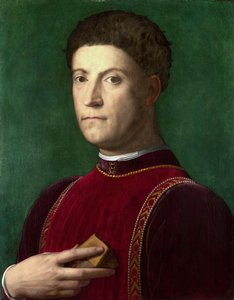
Piero Di Cosimo
1462 - 1522 , Italia
Datos clave
- Artistic Movement Or Style: Renaissance art
- Artists Who Influenced This Artist:
- Andrea del Verrocchio
- Botticelli
- Leonardo da Vinci
- Date Of Birth: 1462
- Full Name: Piero di Lorenzo Battista
- Nationality: Italian
- Notable Artworks:
- Vulcan and Aeolus
- Madonna and Sleeping Christ Child with the Infant St John the Baptist
- Adoration of the Child
- Place Of Birth: Florence, Italy
Artículos relacionados

Giotto di Bondone: Las 25 Obras Maestras que Definieron el Renacimiento | ArtsDot
Descubre las 25 obras maestras de Giotto di Bondone, el pionero del Renacimiento. Explora la historia, técnica y simbolismo de sus frescos italianos más icónicos. Encuentra reproducciones de arte exclusivas para decorar tu hogar en ArtsDot.com.
Los 25 Tesoros del Uffizi: Arte Renacentista para tu Hogar | ArtsDot
Descubre los 25 tesoros del Uffizi en Florencia: Botticelli, Leonardo da Vinci y más. Explora la historia, el arte renacentista y encuentra reproducciones de alta calidad para tu hogar. ¡Inspírate con ArtsDot.com!

Fra Angelico: Las 25 Obras Maestras del Renacimiento para Decorar con Arte y Fe
Descubre las 25 obras maestras de Fra Angelico, el pintor renacentista que llenó el arte sacro de luz y fe. Explora su técnica, simbolismo y belleza en frescos e iconos. Encuentra reproducciones de alta calidad para decorar tu hogar con ArtsDot.com.
La Biennale de Venecia: 25 Obras Maestras para Inspirar tu Hogar | ArtsDot
Descubre las 25 obras maestras de la Bienal de Venecia. Explora la historia, artistas y técnicas detrás de iconos del arte renacentista, moderno y contemporáneo. Encuentra reproducciones de alta calidad e inspira tu hogar con ArtsDot.com.
Proto-Renacimiento: 10 Obras Maestras que Cambiaron la Historia del Arte | ArtsDot
Descubre las 10 obras maestras del Proto Renacimiento que revolucionaron el arte italiano. Explora la historia de Giotto, Duccio y Cimabue. Reproducciones de arte en ArtsDot.com para decorar tu hogar con belleza atemporal.