 Vista previa
 Compartir
 Compartir
 Ver detalles

 Descargar
 Ver similares
 Radiografía
 Presentación de diapositivas
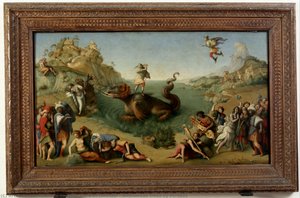
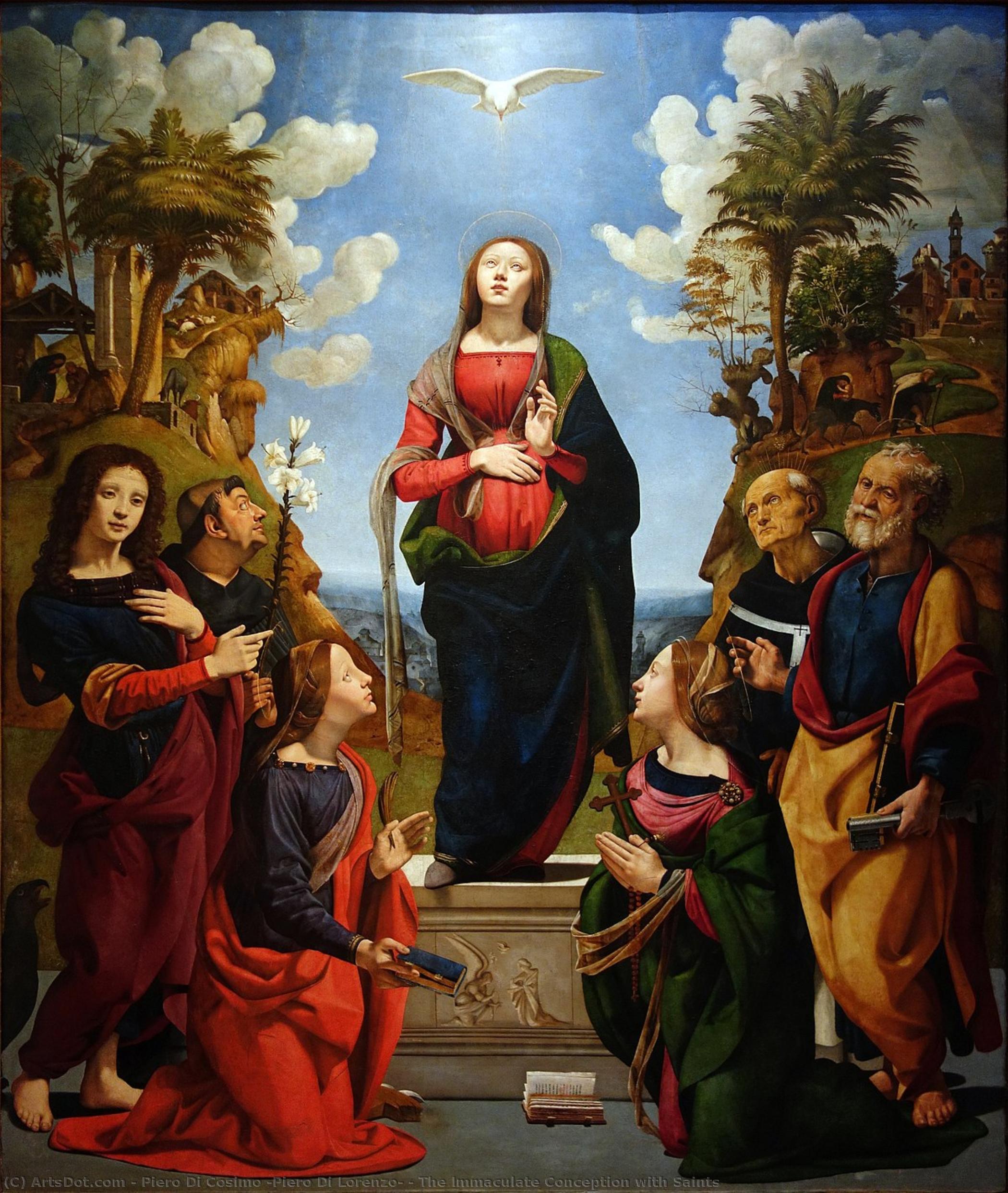
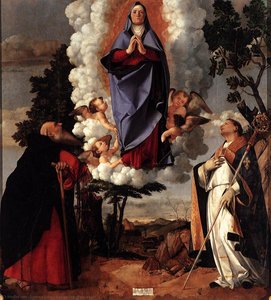
The Immaculate Conception with Saints
 Oil
Oil- WallArt
- High Renaissance
 1510
1510- Renaissance
 172.0 x 206.0 cm
 Galería de los Uffizi
 Leer más
Reproducción al óleo hecha a mano
Óleo sobre lienzo pintado a mano en el tamaño y marco de su elección, realizado por encargo por nuestros artistas. ( Pedir impresión Comprar descarga)




P118B $10

P118H $10

P118W $10

P438Z $10

P508JH $12

P508YH $12

P805H $10

P805Z $10

P919BZ $10

P919G $10

P919XJ $10

P959ZH $10

P968JZ $12

W106C $8

W218G $10

W218JH $8

W218Y $10

W307PJ $10

W316G $10

W316PJ $8

W316Y $10

W398PJ $8

W4111J $10

W500HY $15

W500JH $15

W692G $12

W849H $8

W940BG $15

W953PJ $8




Elija entre nuestros tamaños predefinidos que respetan las proporciones originales de la obra.

Puede ingresar sus propias dimensiones para adaptarse a un marco o espacio específico. Si el tamaño seleccionado no coincide con las proporciones de la imagen original, recortaremos la obra o extenderemos la pintura con elementos adicionales pintados a mano. Se le enviará una maqueta digital para su aprobación antes de comenzar la producción.
Tenga en cuenta que la vista previa en pantalla no refleja el recorte o la extensión reales. Solo la maqueta mostrará con precisión la composición final.
Si bien existen tamaños personalizados, recomendamos seleccionar una dimensión de la lista predefinida para preservar las proporciones originales.
Tras realizar el pedido, el equipo de ArtsDot.com enviará un correo electrónico al cliente para solicitar instrucciones y proporcionarle una vista previa del boceto.
Envío a todo el mundo () en 3-4 semanas en lugar de las 5 semanas estándar. (22 agosto). Sin comprometer la calidad.

Envío exprés gratuito a todo el mundo

Lienzo de lino de alta calidad

Seguro de envío completo

Garantía de reembolso de aranceles aduaneros

Garantía de fidelidad cromática exacta

Política de devolución de 60 días (solo por defectos)

Garantía de devolución del 100% del dinero

Oferta por volumen
 La opción de vidrio solo está disponible en tamaños inferiores a 110 cm.

The Immaculate Conception with Saints
Técnica de reproducción
Tamaño de la reproducción
-


Precio total
$ 263
Descripción de la obra
A Vision of Divine Grace: The Celestial Harmony of Piero di Cosimo
In the heart of the Florentine Renaissance, where the boundaries between the earthly and the divine often blurred, Piero di Cosimo crafted a masterpiece that remains a profound testament to spiritual devotion. The Immaculate Conception with Saints is not merely a religious tableau; it is a window into a meticulously observed world infused with a sense of miraculous wonder. As one gazes upon this monumental work, dating from approximately 1510, the viewer is immediately enveloped by a celestial atmosphere. The central figure of the Virgin Mary radiates a serene, luminous purity, her hands clasped in a gesture of profound prayer that invites the observer into her state of quiet contemplation. Above her, a white dove descends—a symbol of the Holy Spirit—anchoring the composition in a moment of divine intervention that feels both weightless and eternal.
The painting’s brilliance lies in its unique ability to bridge the gap between fantastical imagination and meticulous naturalism. Unlike many of his contemporaries who sought to impose rigid, idealized classical forms upon their subjects, Piero di Cosimo embraced a more nuanced, psychologically complex approach. He possessed a rare talent for capturing the subtle textures of reality—the soft folds of drapery, the warmth of human skin, and the atmospheric depth of the sky—while simultaneously weaving in elements of mythic beauty. This duality creates a tension that is deeply engaging; the figures feel tangibly present, yet they inhabit a space that is undeniably sacred and otherworldly.
A Tapestry of Devotion and Symbolism
The composition of this work is a masterclass in Renaissance narrative layering. Surrounding the central figure of Mary is a celestial assembly of saints, each contributing a unique thread to the painting's theological tapestry. These figures, positioned with a rhythmic grace across the canvas, serve as intermediaries between the viewer and the divine. Some are depicted lost in scripture, clutching books and scrolls that represent the weight of holy wisdom, while others appear in states of ecstatic or quiet prayer. This gathering of saints transforms the painting from a singular portrait into a complex communal experience of faith.
The color palette employed by di Cosimo further enhances the emotional resonance of the scene. He utilizes a rich, earthy foundation of ochres, siennas, and umbers, which provides a sense of groundedness and timeless warmth. Against this terrestrial base, the brilliant blues of the sky and the ethereal light illuminating the Virgin create a striking contrast, drawing the eye upward toward the heavens. For the collector or interior designer, this balance of deep, resonant tones and luminous highlights offers an extraordinary versatility, making it a piece that can anchor a room with both gravity and light.
An Enduring Legacy for the Discerning Collector
To possess a reproduction of such a significant work is to bring a piece of Florentine history into the modern living space. The historical context of this painting—born from the humanist fervor of an era shaped by masters like Verrocchio and Leonardo da Vinci—lends it an intellectual prestige that transcends mere decoration. It is a work that rewards repeated viewing, revealing new details in its composition and new depths in its emotional impact each time the light hits its surface.
Whether placed in a grand gallery, a sophisticated study, or a curated residential collection, The Immaculate Conception with Saints serves as a focal point of profound beauty. It offers more than just visual splendor; it provides an atmosphere of peace, reflection, and historical continuity. For those seeking to surround themselves with art that speaks to the soul and celebrates the heights of human creativity, this masterpiece stands as an incomparable choice, embodying the very essence of the Renaissance spirit.
Obras relacionadas
Biografía del artista
Piero di Cosimo (1462-1522): Uniendo la Fantasía y el Realismo en la Pintura del Renacimiento Florentino
Piero di Cosimo, nacido como Piero di Lorenzo Battista alrededor de 1462 en Florencia, Italia, se erige como una figura singular dentro del vibrante tapiz del Renacimiento florentino. A diferencia de muchos de sus contemporáneos, quienes se adherían rígidamente a los ideales clásicos, Cosimo poseía un espíritu imaginativo que infundía su obra con elementos fantásticos junto a una meticulosa observación de la naturaleza; una mezcla distintiva que consolidó su reputación como uno de los pintores más innovadores de la época. Su viaje artístico se desarrolló bajo el trasfondo de un floreciente pensamiento humanista y una intensa experimentación artística, reflejando las transformaciones culturales más amplias que estaban remodelando Europa durante este periodo.- Primeros años y formación: Los detalles biográficos precisos sobre los años formativos de Cosimo siguen siendo esquivos, dependiendo principalmente de referencias fragmentarias en Las vidas de los artistas de Vasari. Se formó como aprendiz bajo la tutela de Andrea del Verrocchio, un renombrado escultor y pintor cuyo taller sirvió como crisol para el talento artístico. Esta asociación expuso a Cosimo a las técnicas de la pintura al fresco y la escultura, moldeando sus habilidades fundamentales.
- Influencias y estilo artístico: El estilo de Cosimo se vio profundamente impactado por Botticelli y Giovanni Battista Van Eyck, artistas que defendieron tanto la belleza como la profundidad psicológica. Las líneas gráciles y las figuras etéreas de Botticelli infundieron en Cosimo una inclinación hacia la elegancia y la representación idealizada, mientras que el dominio del óleo de Van Eyck lo alentó a explorar matices tonales sutiles y una gran riqueza textural. Estas influencias se combinaron para producir un lenguaje artístico caracterizado por colores luminosos, pinceladas delicadas y una cautivadora fusión de narrativas mitológicas con paisajes realistas.
Obras Notables y Logros Artísticos
La obra de Cosimo comprende una colección extraordinaria de pinturas que exhiben su talento excepcional y su visión imaginativa. Entre sus creaciones más celebradas se encuentra “Vulcano y Eolo”, una monumental pintura al óleo de formato circular que representa el enfrentamiento mitológico entre el hijo de Zeus y Poseidón, un testimonio de la capacidad de Cosimo para transmitir emoción dramática dentro de una composición cuidadosamente construida. Del mismo modo, "La Madonna con el Niño Jesús durmiendo y el pequeño San Juan Bautista" ejemplifica su meticulosa atención al detalle y su profundo conocimiento de la iconografía religiosa. Además, “La Adoración del Niño”, otra obra maestra circular, encarna la belleza serena y la contemplación espiritual características del arte del Renacimiento temprano.Legado e Importancia Histórica
La contribución de Piero di Cosimo a la pintura florentina trasciende la mera innovación estilística; él representa un momento crucial en la historia del arte. Al rechazar las limitaciones de la estricta convención académica y abrazar la narrativa imaginativa junto con la representación realista, Cosimo allanó el camino para que las generaciones posteriores de artistas —incluyendo a Rafael y Miguel Ángel— exploraran nuevas posibilidades expresivas. Su obra continúa inspirando admiración por su armoniosa mezcla de fantasía y realismo, asegurando su lugar como un símbolo perdurable de la creatividad renacentista y el genio artístico. Se le recuerda no solo por sus obras maestras individuales, sino también por haber moldeado la trayectoria más amplia del arte europeo.
Piero Di Cosimo
1462 - 1522 , Italia
Datos clave
- Artistic Movement Or Style: Renaissance art
- Artists Who Influenced This Artist:
- Andrea del Verrocchio
- Botticelli
- Leonardo da Vinci
- Date Of Birth: 1462
- Full Name: Piero di Lorenzo Battista
- Nationality: Italian
- Notable Artworks:
- Vulcan and Aeolus
- Madonna and Sleeping Christ Child with the Infant St John the Baptist
- Adoration of the Child
- Place Of Birth: Florence, Italy
Artículos relacionados

Giotto di Bondone: Las 25 Obras Maestras que Definieron el Renacimiento | ArtsDot
Descubre las 25 obras maestras de Giotto di Bondone, el pionero del Renacimiento. Explora la historia, técnica y simbolismo de sus frescos italianos más icónicos. Encuentra reproducciones de arte exclusivas para decorar tu hogar en ArtsDot.com.

Giclée Prints: Archival Quality & Aesthetic Nuances for the Discerning Collector
Explore the world of giclée prints with ArtsDot. Learn about archival quality, aesthetic nuances & investment potential. Expert guidance for discerning art collectors seeking museum-quality reproductions and lasting value.

The Enduring Legacy of Fine Art Prints: Technique, History & Aesthetic Impact
Explore the rich history & techniques of fine art prints. Discover investment potential, assess authenticity, and learn how to preserve your collection with expert guidance. Trusted insights for discerning collectors.

Echoes of Time: Exploring the Enduring Appeal & Historical Context of Vintage Art Prints
Explore the captivating world of vintage art prints! Discover their history, collecting tips & enduring appeal. Expert insights on chromolithography and building a legacy collection with ArtsDot.
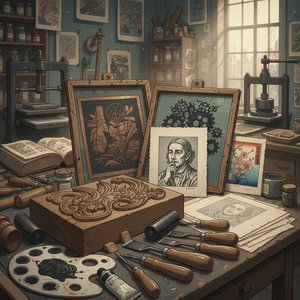
The Enduring Legacy of Printmaking: Techniques, Themes & Artistic Innovation Across Centuries
Explore the rich history of printmaking with ArtsDot. Discover techniques from intaglio to lithography, learn about collecting valuable prints & find museum-quality reproductions. Expert insights for art enthusiasts and collectors.