 Ver en contexto
 Enviar
 Compartir
 Detalles

 Descargar
 Similares
 Radiografía
 Presentación de diapositivas
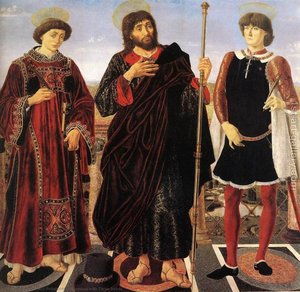
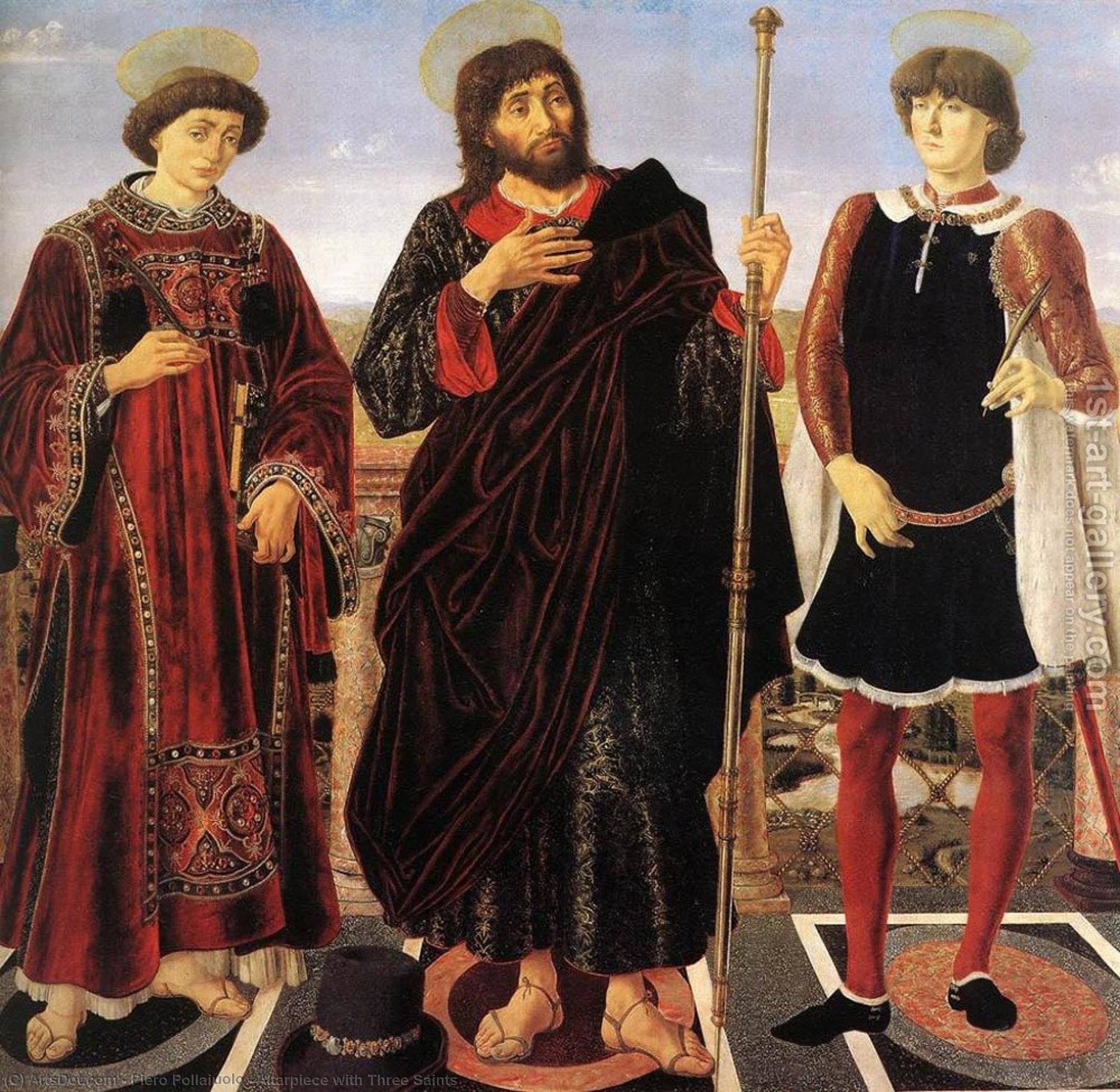
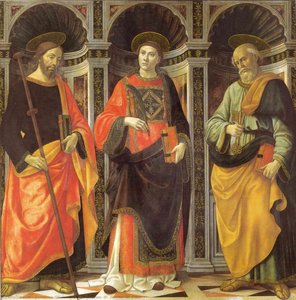
Retablo con Tres Santos
 Óleo sobre lienzo
- Arte de pared
- Early Renaissance
 1467
1467 172.0 x 179.0 cm
 Galería de los Uffizi
 Ver más
Reproducción al óleo hecha a mano
Óleo sobre lienzo pintado a mano en el tamaño y marco de su elección, realizado por encargo por nuestros artistas. ( Comprar impresión Comprar imagen)




P118B $10

P118H $10

P118W $10

P438Z $10

P508JH $12

P508YH $12

P805H $10

P805Z $10

P919BZ $10

P919G $10

P919XJ $10

P959ZH $10

P968JZ $12

W106C $8

W218G $10

W218JH $8

W218Y $10

W307PJ $10

W316G $10

W316PJ $8

W316Y $10

W398PJ $8

W4111J $10

W500HY $15

W500JH $15

W692G $12

W849H $8

W940BG $15

W953PJ $8




Elija entre nuestros tamaños predefinidos que respetan las proporciones originales de la obra.

Puede ingresar sus propias dimensiones para adaptarse a un marco o espacio específico. Si el tamaño seleccionado no coincide con las proporciones de la imagen original, recortaremos la obra o extenderemos la pintura con elementos adicionales pintados a mano. Se le enviará una maqueta digital para su aprobación antes de comenzar la producción.
Tenga en cuenta que la vista previa en pantalla no refleja el recorte o la extensión reales. Solo la maqueta mostrará con precisión la composición final.
Si bien existen tamaños personalizados, recomendamos seleccionar una dimensión de la lista predefinida para preservar las proporciones originales.
Tras realizar el pedido, el equipo de ArtsDot.com enviará un correo electrónico al cliente para solicitar instrucciones y proporcionarle una vista previa del boceto.
Envío a todo el mundo () en 3-4 semanas en lugar de las 5 semanas estándar. (26 agosto). Sin comprometer la calidad.

Envío exprés gratuito a todo el mundo

Lienzo de lino de alta calidad

Seguro de envío total

Garantía de reembolso de impuestos aduaneros

Garantía de fidelidad cromática exacta

Política de devolución de 60 días (solo por defectos)

Garantía de devolución del 100% del dinero

Descuento por cantidad
 La opción de vidrio solo está disponible en tamaños inferiores a 110 cm.

Retablo con Tres Santos
Técnica de reproducción
Dimensiones de la reproducción
-


Precio total final
$ 313
Descripción de la obra
Un Retablo Florentino: Análisis de la Obra “El Altarpiece con Tres Santos” de Piero della Pollaiuolo
La pintura renacentista florentina fue una época de extraordinaria innovación artística y cultural, impulsada por el espíritu humanístico que buscaba reflejar la belleza del mundo natural y la dignidad del hombre como centro del universo. Entre los artistas más destacados de este período encontramos a Piero della Pollaiuolo, cuyo legado persiste en obras maestras que siguen cautivando al público internacional.
- Título: El Altarpiece con Tres Santos
- Artista: Piero della Pollaiuolo (1443 – 1496)
- Fecha: 1467
- Tamaño: 172 x 179 cm
Este impresionante retablo, ubicado en la iglesia de San Lorenzo en Florencia, representa una composición magistral que ejemplifica las características esenciales del estilo renacentista temprano. La obra captura la esencia de la fe cristiana mediante una representación simbólica y realista de tres santos masculinos, cuya figura central domina el espacio escultórico.
Estilo y Técnica: Piero della Pollaiuolo desarrolló un estilo propio que fusionaba elementos clásicos con una profunda sensibilidad emocional. Influenciado por artistas como Brunelleschi y Donatello, utilizó técnicas avanzadas de dibujo y pintura al óleo sobre lienzo para lograr una increíble precisión anatómica y una atmósfera luminosa que transmite la solemnidad del entorno religioso.
Contexto Histórico: El retablo fue creado durante el reinado de Lorenzo Medici, conocido como el Magnífico, quien patrocinó las artes y las ciencias con generosidad excepcional. Florencia bajo el gobierno de los Medici se convirtió en un centro de creatividad artística y intelectual, donde artistas como Piero della Pollaiuolo encontraron inspiración para crear obras que celebraban la belleza del mundo humano y divino.
Simbolismo: La composición del retablo está cargada de simbolismo religioso. Los tres santos representan figuras importantes en la tradición cristiana occidental, cuyo rostro transmite serenidad y sabiduría. El uso de colores ricos como el rojo y el dorado refuerza la importancia espiritual de la escena, mientras que las líneas rectas y geométricas establecen una estructura equilibrada que refleja los principios filosóficos del Renacimiento.
Impacto Emocional: Observar “El Altarpiece con Tres Santos” provoca una sensación de admiración por el arte clásico y una profunda reflexión sobre temas fundamentales como la fe, la virtud y la belleza. La obra invita al espectador a contemplar la grandeza del espíritu humano y la trascendencia de lo divino, ofreciendo una experiencia estética que permanece vigente hasta nuestros días.
Obras relacionadas


Biografía del artista
Piero del Pollaiuolo: A Florentine Master of Form and Emotion
Piero del Pollaiuolo, a name often overshadowed by his more celebrated brother Antonio, stands as a pivotal figure in the vibrant artistic landscape of Renaissance Florence. Born around 1443 in the heart of the city – though his precise birthdate remains elusive – Piero’s life was inextricably linked to that of his brother, and their collaborative spirit profoundly shaped their distinctive style. More than simply a follower, Piero developed a unique voice, blending classical influences with an intensely humanistic approach, particularly evident in his masterful depictions of mythology, portraiture, and religious subjects. His legacy rests not just on individual masterpieces but also on the complex interplay between him and Antonio, a dynamic that continues to fascinate art historians today.Early Life and Artistic Training
Piero’s early life remains shrouded in some mystery, though it is widely believed he received his initial artistic training under Andrea del Castagno, a renowned painter known for his dramatic compositions and expressive figures. This exposure to Castagno's style undoubtedly influenced Piero’s own approach, particularly his penchant for dynamic poses and theatrical gestures. Crucially, however, the brothers began their formal artistic education together, likely in the workshop of Jacopo Negodi, where they honed their skills in tempera painting – a technique favored by Florentine artists at the time. Unlike Antonio, who seems to have focused primarily on sculpture, Piero’s talents lay predominantly in the realm of painting, though he also demonstrated considerable skill in bronze casting, as evidenced by his later works. The brothers' shared workshop fostered a unique creative environment, allowing them to learn from each other and develop their individual strengths while working collaboratively on numerous projects.A Style Defined by Anatomy and Drama
Piero del Pollaiuolo’s artistic style is immediately recognizable for its dramatic intensity and remarkable anatomical accuracy. He possessed a keen eye for detail, meticulously rendering the musculature of his figures with an unprecedented level of realism – a characteristic that earned him considerable renown during his lifetime. This fascination with human anatomy wasn't merely academic; it was deeply intertwined with his humanist worldview, reflecting a belief in the inherent dignity and beauty of the human form. His works are characterized by bold compositions, dynamic poses, and a vibrant use of color, often employing rich reds, blues, and golds to create visually arresting effects. Unlike some of his contemporaries who favored idealized representations, Piero frequently depicted figures in moments of intense action or emotional turmoil, imbuing them with a palpable sense of vitality. The influence of the Early Netherlandish painters is also evident in his use of perspective and his attention to detail, particularly in the rendering of drapery and textures.Key Works and Notable Commissions
Piero’s oeuvre, though relatively small compared to some of his contemporaries, comprises a remarkable collection of paintings that showcase his distinctive style and technical prowess. The “Coronation of the Virgin,” painted around 1483 for the church of Sant'Agostino in San Gimignano, stands as perhaps his most celebrated work – a monumental altarpiece brimming with dynamic figures, intricate details, and a masterful use of color. The “Temperance” panel, also from around 1483, exemplifies his ability to convey complex allegorical themes through carefully constructed compositions and symbolic imagery. His depictions of Hercules are particularly noteworthy, showcasing both the mythological subject matter and his remarkable anatomical skill. He was commissioned by prominent families like the Medici, creating portraits and decorative panels that adorned their palaces and villas. The “Profile Portrait of a Young Lady,” now housed in the Isabella Stewart Gardner Museum in Boston, is another significant example of his portraiture, demonstrating his ability to capture the personality and character of his subjects.Legacy and Historical Debate
Despite his undeniable talent and artistic achievements, Piero del Pollaiuolo’s legacy has been complicated by ongoing scholarly debate regarding the attribution of his works. For centuries, Antonio was widely regarded as the more accomplished artist, largely due to Vasari's biased accounts in *Lives of the Most Excellent Painters*. However, modern art historians have increasingly recognized Piero’s significant contribution to the Pollaiuolo brothers’ collaborative output, arguing that he possessed a distinct artistic voice and a remarkable ability to capture human emotion. Recent research has focused on identifying stylistic markers unique to Piero's work, challenging traditional attributions and offering a more nuanced understanding of their shared creative process. Today, Piero del Pollaiuolo is increasingly recognized as a major figure in the Florentine Renaissance, a master of form and emotion whose works continue to captivate viewers with their dramatic intensity and anatomical precision. His story serves as a compelling reminder that artistic history is often shaped by interpretation and re-evaluation, and that even those who have been historically overlooked can ultimately claim a rightful place among the giants of art.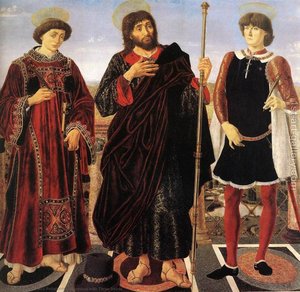
piero pollaiuolo
1443 - 1496
Datos clave
- Artistic Movement Or Style: Early Renaissance
- Artists Or Movements Influenced By This Artist: ['Antonio del Pollaiuolo']
- Artists Who Influenced This Artist:
- Piero della Francesca
- Early Netherlandish painting
- Date Of Birth: c. 1443
- Date Of Death: 1496
- Full Name: Piero del Pollaiuolo
- Nationality: Italian Renaissance
- Notable Artworks:
- Temperance
- Altarpiece with Three Saints
- Faith
- Apollo and Daphne
- Coronation of the Virgin
- Place Of Birth: Florence, Italy
Artículos relacionados

The Enduring Legacy of Oil on Canvas: Technique, History & Aesthetic Impact
Explore the rich history & techniques of oil painting – from Renaissance masters to Impressionism. Discover pigments, layering methods, and why this timeless medium endures. Expert insights for artists & art enthusiasts.

El Óleo sobre Lienzo: Historia, Técnica y la Persistencia de un Medio Artístico Atemporal
Descubre la historia y técnica del óleo sobre lienzo. Explora reproducciones fieles hechas a mano, personalización artística y consejos de expertos con ArtsDot. ¡Colecciona arte con confianza!

The Enduring Power of Painting: A Historical & Contemporary Exploration of Form and Emotion
Explore the rich history & enduring techniques of oil painting with ArtsDot. Discover masterpieces, learn about art collecting, and find authentic handmade reproductions crafted by skilled artists.

El Legado Duradero del Óleo sobre Lienzo: Técnica, Historia y Práctica Contemporánea
Descubre la historia y técnica del óleo sobre lienzo. Explora reproducciones fieles hechas a mano, personalización artística y consejos de expertos con .
The Enduring Legacy of Oil Paint: Technique, History & Emotional Resonance in Western Art
Explore the rich history & techniques of oil painting! Discover Renaissance masters, scientific principles behind color, and emotional resonance in art. Learn about glazing, layering, and atmospheric perspective – a guide for enthusiasts & collectors.