 Vista previa
 Compartir
 Compartir
 Ver detalles

 Descargar
 Ver similares
 Radiografía
 Presentación de diapositivas
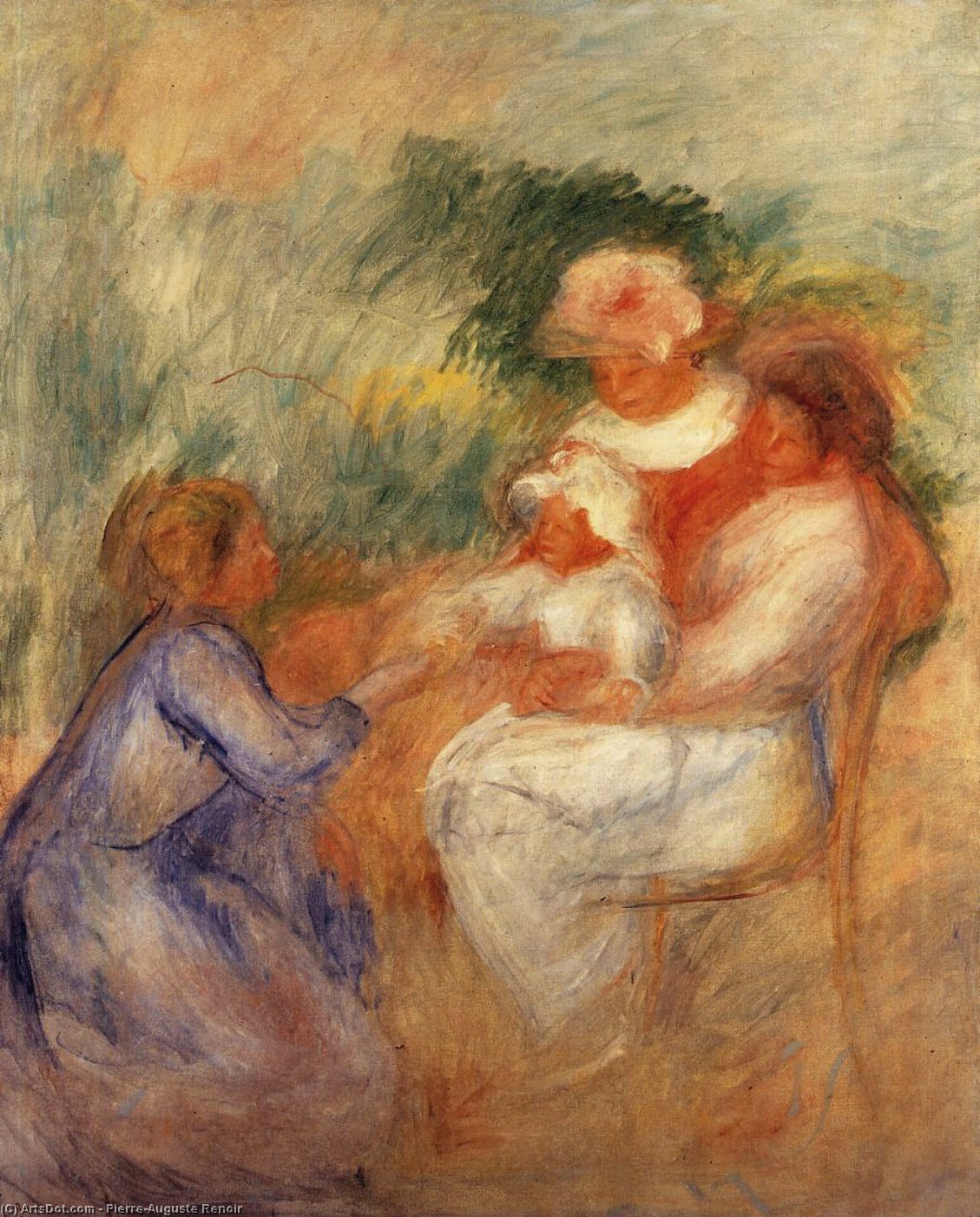
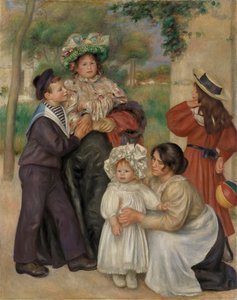
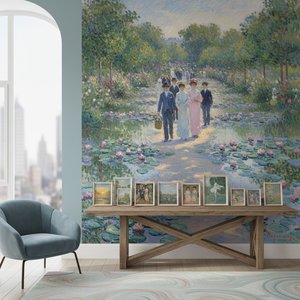
La Familia


 Leer más
Reproducción al óleo hecha a mano
Óleo sobre lienzo pintado a mano en el tamaño y marco de su elección, realizado por encargo por nuestros artistas. ( Pedir impresión Comprar descarga)




P118B $10

P118H $10

P118W $10

P438Z $10

P508JH $12

P508YH $12

P805H $10

P805Z $10

P919BZ $10

P919G $10

P919XJ $10

P959ZH $10

P968JZ $12

W106C $8

W218G $10

W218JH $8

W218Y $10

W307PJ $10

W316G $10

W316PJ $8

W316Y $10

W398PJ $8

W4111J $10

W500HY $15

W500JH $15

W692G $12

W849H $8

W940BG $15

W953PJ $8




Elija entre nuestros tamaños predefinidos que respetan las proporciones originales de la obra.

Puede ingresar sus propias dimensiones para adaptarse a un marco o espacio específico. Si el tamaño seleccionado no coincide con las proporciones de la imagen original, recortaremos la obra o extenderemos la pintura con elementos adicionales pintados a mano. Se le enviará una maqueta digital para su aprobación antes de comenzar la producción.
Tenga en cuenta que la vista previa en pantalla no refleja el recorte o la extensión reales. Solo la maqueta mostrará con precisión la composición final.
Si bien existen tamaños personalizados, recomendamos seleccionar una dimensión de la lista predefinida para preservar las proporciones originales.
Tras realizar el pedido, el equipo de ArtsDot.com enviará un correo electrónico al cliente para solicitar instrucciones y proporcionarle una vista previa del boceto.
Envío a todo el mundo () en 3-4 semanas en lugar de las 5 semanas estándar. (21 agosto). Sin comprometer la calidad.

Envío exprés gratuito a todo el mundo

Lienzo de lino de alta calidad

Seguro de envío completo

Garantía de reembolso de aranceles aduaneros

Garantía de fidelidad cromática exacta

Política de devolución de 60 días (solo por defectos)

Garantía de devolución del 100% del dinero

Oferta por volumen
 La opción de vidrio solo está disponible en tamaños inferiores a 110 cm.

La Familia
Técnica de reproducción
Tamaño de la reproducción
-


Precio total
$ 263
Descripción de la obra
La Familia: A Window Into Impressionistic Domestic Tranquility
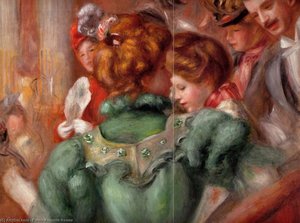
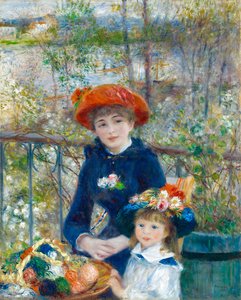
Pierre-Auguste Renoir’s La Familia, painted in 1896, transcends mere portraiture—it's a masterful distillation of Impressionist ideals: capturing fleeting moments of everyday life with luminous color and delicate brushstrokes. More than just depicting a family gathering, Renoir’s canvas embodies the spirit of his era – a yearning for beauty found within the commonplace, a reaction against academic rigidity that defined much of the preceding artistic landscape.- Composition & Observation: The scene unfolds with remarkable precision. Two women seated comfortably on chairs cradle infants, while three additional figures occupy the background—a gardener tending to roses and a man observing the family. Renoir’s genius lies in his ability to render these individuals not as idealized subjects but as believable human beings bathed in dappled sunlight. He meticulously observes how light interacts with surfaces, creating an atmosphere of warmth and serenity that draws the viewer into the intimate space of the home.
- Impressionistic Style: Renoir’s technique is quintessential Impressionism. Loose, visible brushstrokes—almost vibrating with energy—are layered upon one another to build up tonal variations rather than striving for photographic realism. Color plays a crucial role; Renoir employs vibrant hues – reds, blues, yellows – blended subtly to convey the impression of light and shadow simultaneously. This approach prioritizes sensory experience over intellectual analysis, mirroring the broader artistic movement’s fascination with capturing the ephemeral beauty of the natural world.
- Historical Context: The late 1890s witnessed significant societal transformations in France—urbanization accelerated, industrialization reshaped daily life, and anxieties about modernity permeated cultural discourse. Renoir's depiction of familial warmth serves as a counterpoint to these pressures, reflecting a desire for stability and connection amidst rapid change. It’s a poignant reminder that even within the bustle of modern life, moments of quiet contemplation and tenderness could still be found.
- Symbolism & Emotion: Beyond its formal qualities, La Familia speaks to deeper themes of motherhood, family bonds, and the passage of time. The roses in the background symbolize beauty and fertility—a visual echo of the nurturing role played by the women in the painting. Renoir’s masterful use of color and light evokes a feeling of profound peace and contentment, inviting viewers to savor the simple joys of domestic life.
- Influence & Legacy: Renoir's work profoundly impacted subsequent artistic movements, notably Cubism. Artists like Picasso and Braque sought to break free from traditional perspective, experimenting with fragmented forms and multiple viewpoints—a stylistic rebellion fueled by Cézanne’s groundbreaking explorations of form and space. The Family by Charles Webster Hawthorne or Portrait of a Gentleman of the Herrick Family on ArtsDot.com offer similar explorations of domestic tranquility and artistic innovation.
Obras relacionadas
Biografía del artista
vida temprana y carrera
pierre-auguste renoir, un artista francés fundamental, nació el 25 de febrero de 1841 en Limoges, Francia. Jugó un papel crucial a la hora de dar forma al movimiento impresionista, conocido por su luz vibrante y sus colores saturados. La obra de Renoir celebraba la belleza, particularmente la sensualidad femenina, colocándolo en una línea de artistas que se extendía desde Rubens hasta Watteau.legado artístico
El legado de Renoir se extendió más allá de su lienzo, como patriarca de una familia donde el arte florecía en diversas formas. Sus hijos, pierre renoir (1885–1952), el cineasta jean renoir (1894–1979) y el artista ceramista claude renoir (1901–1969), cada uno hizo contribuciones significativas en sus campos. Su nieto, el cineasta claude renoir (1913–1993), avanzó aún más la herencia artística de la familia.obras notables y museos
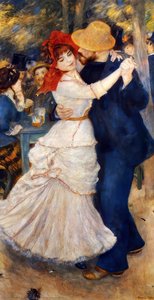
* dance at bougival, una pintura notable de Renoir, muestra su dominio para capturar la esencia del arte impresionista. * El musée des collettes, ubicado en Cagnes-sur-Mer, Francia, es un destino imprescindible para los amantes del arte. Este museo, que fue la casa de Pierre-Auguste Renoir, sirve como testimonio de su vida y obra, alberga quince de sus pinturas. * El musée maurice denis, otra joya oculta en Francia, presenta una impresionante colección de pinturas postimpresionistas franceses de finales del siglo XIX y principios del siglo XX.explora el arte de Renoir con ArtsDot
- Descubre el encanto del musée des collettes (Francia) y su arte impresionista en ArtsDot: [https://ArtsDot.com/@@/a@d3aupf](https://ArtsDot.com/@@/a@d3aupf)
- Explora las maravillas del musée maurice denis (Francia) con ArtsDot: /es/art/show/art-d3aue3-es/
- Visualiza las pinturas de Renoir, incluyendo dance at bougival, en ArtsDot: [https://ArtsDot.com/@/pierre-auguste renoir](https://ArtsDot.com/@/pierre-auguste%20renoir)
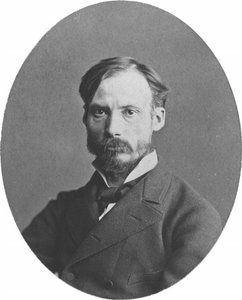
Pierre-Auguste Renoir
1841 - 1919 , Francia
Datos clave
- Artistas Que Influyeron:
- Rubens
- Watteau
- Camille Pissarro
- Édouard Manet
- Fecha De Fallecimiento: 3 de diciembre de 1919
- Fecha De Nacimiento: 25 de febrero de 1841
- Lugar De Nacimiento: Limoges, Francia
- Movimiento Artístico: Impresionismo
- Nacionalidad: Francés
- Nombre Completo: Pierre-Auguste Renoir
- Obras Notables:
- Baile en Bougival
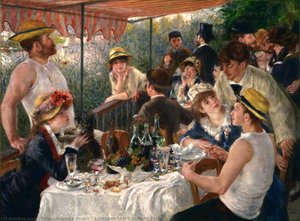
- Almuerzo de la fiesta de remo
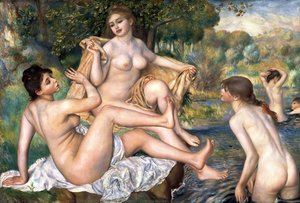
- Los grandes bañistas
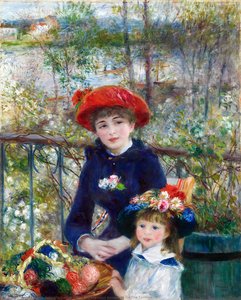
- Dos hermanas
- Jóvenes tocando el piano
Artículos relacionados
Renoir: Las 25 Obras Maestras del Impresionismo para Decorar tu Hogar con Arte
Descubre las 25 obras maestras de Renoir, el rey del impresionismo. Explora su técnica, historia y significado en cada pintura. Encuentra reproducciones de arte de alta calidad para decorar tu hogar con ArtsDot.com.
The Luminous World of Pierre-Auguste Renoir: An Exploration of Impressionism's Sensuous Embrace
Explore the captivating world of Pierre-Auguste Renoir! Discover his life, iconic Impressionist masterpieces & enduring legacy with our expert guide. High-quality reproductions available.
Los 10 Maestros Impresionistas que Revolucionaron el Arte | ArtsDot
Descubre los 10 cuadros impresionistas más influyentes de Monet, Renoir y Degas. Explora la historia, técnica y belleza de este movimiento artístico. Reproducciones de arte en ArtsDot.com para decorar tu hogar con estilo.
Los 10 Maestros Impresionistas que Revolucionaron el Arte | ArtsDot
Descubre los 10 cuadros impresionistas más influyentes de Monet, Renoir y Degas. Explora la historia, técnica y colores vibrantes del impresionismo. Encuentra reproducciones de arte exclusivas en ArtsDot.com.
Los 10 Maestros del Impresionismo: Obras que Revolucionaron el Arte y la Decoración
Descubre los 10 cuadros más emblemáticos del Impresionismo con Monet, Renoir y Degas. Explora la historia, técnica y belleza de estas obras maestras. Reproducciones de arte en para decorar tu hogar con estilo.