 Ver en contexto
 Enviar
 Compartir
 Detalles

 Descargar
 Similares
 Radiografía
 Presentación de diapositivas
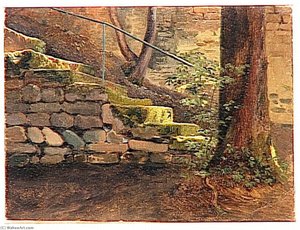
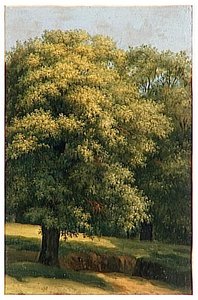
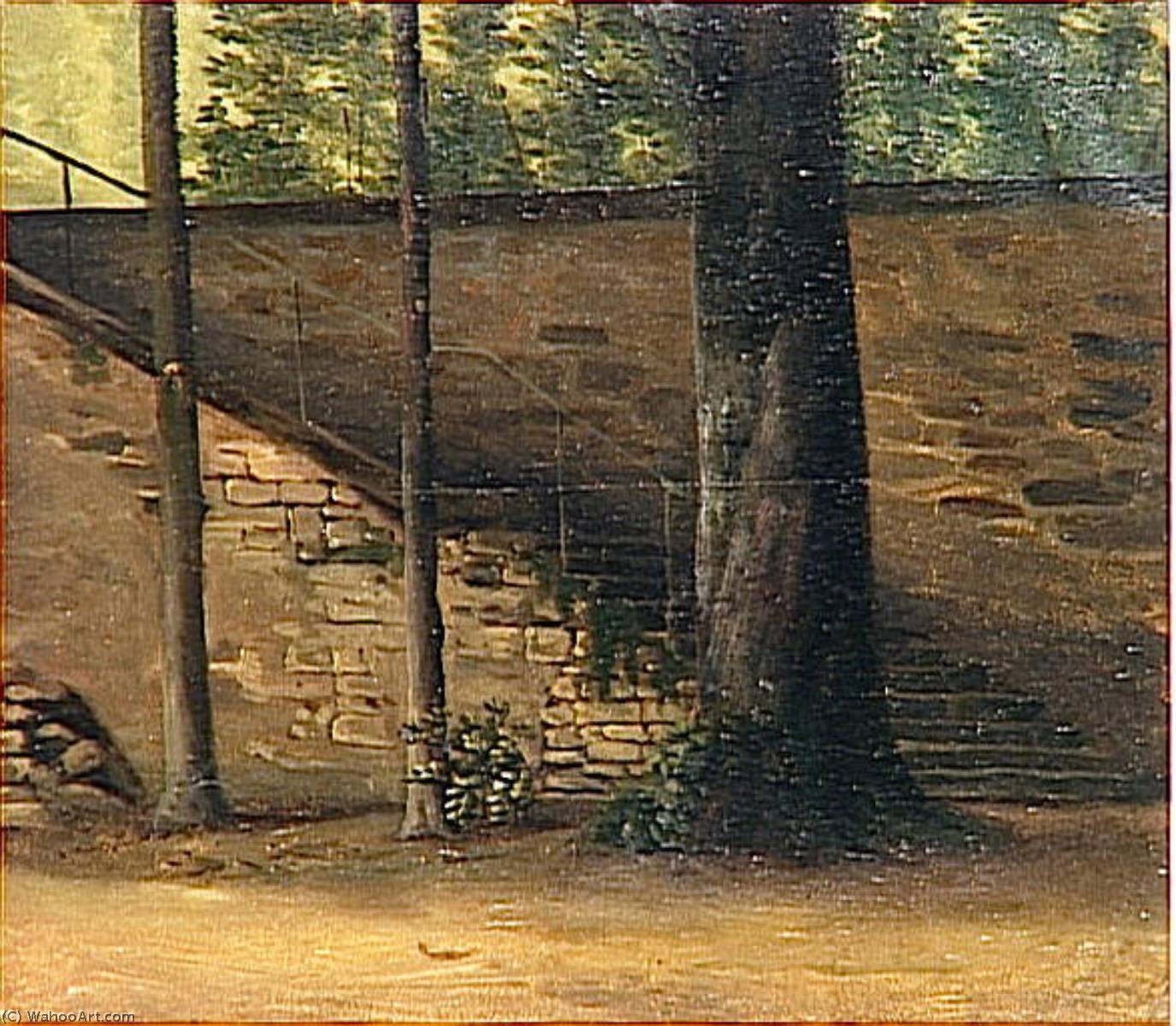
ESCALIER ABOUTISSANT A UNE TERRASSE


 Ver más
Reproducción al óleo hecha a mano
Óleo sobre lienzo pintado a mano en el tamaño y marco de su elección, realizado por encargo por nuestros artistas. ( Comprar impresión Comprar imagen)




P118B $10

P118H $10

P118W $10

P438Z $10

P508JH $12

P508YH $12

P805H $10

P805Z $10

P919BZ $10

P919G $10

P919XJ $10

P959ZH $10

P968JZ $12

W106C $8

W218G $10

W218JH $8

W218Y $10

W307PJ $10

W316G $10

W316PJ $8

W316Y $10

W398PJ $8

W4111J $10

W500HY $15

W500JH $15

W692G $12

W849H $8

W940BG $15

W953PJ $8




Elija entre nuestros tamaños predefinidos que respetan las proporciones originales de la obra.

Puede ingresar sus propias dimensiones para adaptarse a un marco o espacio específico. Si el tamaño seleccionado no coincide con las proporciones de la imagen original, recortaremos la obra o extenderemos la pintura con elementos adicionales pintados a mano. Se le enviará una maqueta digital para su aprobación antes de comenzar la producción.
Tenga en cuenta que la vista previa en pantalla no refleja el recorte o la extensión reales. Solo la maqueta mostrará con precisión la composición final.
Si bien existen tamaños personalizados, recomendamos seleccionar una dimensión de la lista predefinida para preservar las proporciones originales.
Tras realizar el pedido, el equipo de ArtsDot.com enviará un correo electrónico al cliente para solicitar instrucciones y proporcionarle una vista previa del boceto.
Envío a todo el mundo () en 3-4 semanas en lugar de las 5 semanas estándar. (4 septiembre). Sin comprometer la calidad.

Envío exprés gratuito a todo el mundo

Lienzo de lino de alta calidad

Seguro de envío total

Garantía de reembolso de impuestos aduaneros

Garantía de fidelidad cromática exacta

Política de devolución de 60 días (solo por defectos)

Garantía de devolución del 100% del dinero

Descuento por cantidad
 La opción de vidrio solo está disponible en tamaños inferiores a 110 cm.

ESCALIER ABOUTISSANT A UNE TERRASSE
Técnica de reproducción
Dimensiones de la reproducción
-


Precio total final
$ 263
The Allure of Architectural Transition in Landscape
To gaze upon this depiction of an "Escalier Aboutissant A Une Terrasse," or Staircase Leading to a Terrace, is to be invited into a moment suspended between the wild embrace of nature and the ordered grace of human design. Pierre de Valenciennes masterfully captures not merely a staircase, but the very act of transition—the journey from one state of being to another. The composition draws the eye along the ascending lines of stone steps, suggesting passage, arrival, and contemplation. It is a scene steeped in the quiet drama of the outdoors, where the permanence of carved masonry meets the ephemeral beauty of foliage under diffused light.
A Study in Neoclassical Atmosphere
Valenciennes, a pivotal figure bridging the late Enlightenment and the burgeoning Romantic spirit, understood that landscape was never just about what was seen, but how it felt. His technique here is a profound meditation on atmosphere. The palette—a rich tapestry of ochres, muted greens, earthy browns, and cool grays—bathes the entire scene in a warm, yet slightly melancholic glow. Observe the handling of light; it does not strike sharply, but rather filters through unseen canopy, creating soft shadows that lend depth without sacrificing the sense of airy openness. This masterful use of tone over stark outline is characteristic of his pioneering approach to open-air painting.
Texture and Form: The Dialogue Between Stone and Life
The technical brilliance lies in Valenciennes’s ability to render disparate textures with such convincing verisimilitude. One can almost feel the rough, cool grit of the stone walls underfoot, contrasted sharply against the delicate, varied density of the surrounding trees and foliage. The architectural elements provide necessary structure—the geometry of the balustrades and retaining walls—while the organic shapes of the plant life lend a vital, breathing quality to the scene. This interplay between rigid human construction and untamed natural growth is the core tension, and the source of the painting's enduring appeal.
Symbolism of Ascent and Arrival
Beyond its aesthetic merits, this work resonates with deep symbolic meaning. The staircase itself has always been a potent metaphor in art; it represents ascent, progress, or perhaps even spiritual journey. Reaching the terrace suggests culmination—a moment of pause after effort, where one can survey the vista from a place of achieved perspective. For the modern collector or designer, this piece offers more than mere decoration; it offers an emotional anchor, evoking tranquility and the quiet satisfaction of reaching a beautiful vantage point.
Bringing the Vista Home
Reproducing such a nuanced work requires sensitivity to Valenciennes’s layered brushwork. When acquiring a reproduction of "Escalier Aboutissant A Une Terrasse," one is bringing home not just an image, but a carefully curated atmosphere—a portal to a sun-dappled corner where history and nature meet in perfect, contemplative harmony. It serves beautifully as a focal point for rooms seeking an air of cultivated romance and timeless elegance.
Obras relacionadas

Biografía del artista
Pierre de Valenciennes: Pioneer of Open-Air Painting and Romantic Landscape
Pierre Henri de Valenciennes (1750 – 1819) stands as a pivotal figure in the burgeoning landscape movement of the late Enlightenment and early Romantic eras. Often overshadowed by his contemporaries, Valenciennes’s contribution to artistic innovation—specifically his championing of “landscape portraits”—laid the groundwork for a new approach to painting that profoundly impacted subsequent generations of artists. Born in Toulouse, France, Valenciennes pursued his artistic ambitions with unwavering dedication, establishing himself as a respected painter and teacher during his time in Rome and later Paris.Early Influences and Roman Period (1778-1782)
Valenciennes’s formative years were spent in Rome, where he immersed himself in the artistic fervor of the city and honed his skills under the tutelage of influential masters. Unlike many artists of his time who favored studio practice, Valenciennes embarked on a revolutionary experiment: direct observation of nature. He meticulously documented landscapes—primarily around Lake Nemi and Genzano—capturing them with unprecedented accuracy and sensitivity to light and atmosphere. This approach wasn’t merely stylistic; it represented a philosophical shift toward understanding the world through sensory experience. His treatise, “Reflections and Advice to a Student on Painting,” eloquently articulated this conviction, arguing that artists should strive to depict landscapes as they appear before their eyes—a concept that would become known as "landscape portrait." Valenciennes’s detailed studies of trees and buildings at different times of day demonstrated an acute awareness of the ephemeral qualities of visual perception. He sought inspiration from the monumental canvases of Nicolas Poussin, absorbing his mastery of classical composition and idealized beauty.Technique and Artistic Vision
Valenciennes's technique was characterized by a masterful blend of tonal gradation and subtle color harmonies, reflecting the influence of Caravaggio and Rembrandt. He skillfully employed chiaroscuro—the dramatic interplay of light and shadow—to convey depth and emotion within his compositions. Valenciennes’s artistic vision extended beyond mere visual representation; he believed that landscape painting could communicate profound ideas about humanity's relationship with nature. Recognizing that capturing not only the beauty of a scene but also its cultural context—the architecture, dress, agriculture, and social customs—were crucial to conveying its essence, Valenciennes championed an approach that foreshadowed the Romantic preoccupation with emotion and imagination. He urged painters to consider how light and color could evoke feelings of awe and wonder, mirroring the grandeur of the natural world. This humanist perspective distinguished Valenciennes from many of his peers who adhered to more formal conventions.Students and Legacy
Valenciennes nurtured a cohort of talented students who carried forward his artistic ideals. Among them were Jean Victor Bertin, Achille Etna Michallon, Louis Étienne Watelet, and Louis François Lejeune—artists who would become prominent figures in the French landscape movement. Valenciennes’s influence extended beyond his immediate pupils; he mentored Pierre Prévost, establishing him as the first French panorama painter and furthering the exploration of expansive vistas. His landscapes continue to inspire admiration for their realism, emotional resonance, and intellectual depth. Particularly noteworthy are “L’Escalier de Pierres Recouvert de Mousse” and “Les Environs de Genzano,” which exemplify Valenciennes's commitment to capturing the nuances of natural beauty with remarkable precision. His unwavering dedication to observing and portraying nature cemented his place as a foundational figure in Romantic landscape painting, shaping the artistic sensibilities of subsequent generations.Historical Significance
Pierre de Valenciennes deserves recognition as a trailblazer who challenged artistic conventions and championed a new aesthetic sensibility. His insistence on working outdoors—a practice considered unorthodox by many of his contemporaries—established him as a champion of Romantic ideals. Furthermore, his conceptualization of “landscape portraits” profoundly impacted the trajectory of French landscape art, influencing artists like Hubert Robert, Pierre Athanaise Chauvin, and Achille Etna Michallon who embraced an anthropological approach to depicting rural life and customs. Valenciennes’s legacy endures not only in his paintings but also in his enduring contribution to the intellectual discourse surrounding artistic practice—a testament to his visionary spirit and lasting impact on European art history.
Pierre Henri De Valenciennes
1750 - 1819 , Francia
Datos clave
- Artistic Movement Or Style: Romantic Landscape Painting
- Artists Who Influenced This Artist:
- Hubert Robert
- Pierre Athanaise Chauvin
- Achille Etna Michallon
- Date Of Death: 1819
- Full Name: Pierre Henri de Valenciennes
- Nationality: Francés
- Notable Artworks:
- Le Lac de Nemi et Genzano
- L’Escalier de Pierres Recouvert de Mousse
- Les Envirs de Genzano
- Place Of Birth: Toulouse, Francia
Artículos relacionados
Los 10 Cuadros Más Famosos en Tonos 'Hongo': Arte, Historia y Decoración
Descubre los 10 cuadros más emblemáticos en tonos tierra y ocres. Explora la historia, artistas como Monet y Van Gogh, e inspírate para decorar con arte atemporal. Reproducciones de museo en .
Los 10 Cuadros Más Famosos en Tonos Arena: Historia y Decoración con Arte
Descubre los 10 cuadros más emblemáticos en tonos arena, desde Monet a Van Gogh. Explora la historia del arte impresionista y encuentra inspiración para decorar con obras maestras atemporales. Reproducciones de museo en .

Paisajes Románticos: 10 Obras Maestras que Definieron un Movimiento Artístico
Descubre los 10 paisajes románticos más influyentes de artistas como Caspar David Friedrich y Turner. Explora la belleza, el simbolismo y las técnicas del movimiento romántico. Reproducciones de arte exclusivas en ArtsDot.com.
Las 10 Obras Maestras del Arte Dominadas por Tonos de Arcilla |
Descubre las 10 pinturas más famosas dominadas por tonos de arcilla y tierra. Explora la historia, artistas como Rembrandt y Monet, e inspírate para decorar con arte clásico. Reproducciones de museo en .

John Constable: Las 25 Obras Maestras del Paisaje Inglés | ArtsDot
Descubre las 25 obras maestras de John Constable, el pintor romántico inglés que capturó la belleza del paisaje. Explora su técnica, historia y significado en ArtsDot.com. Reproducciones de arte de alta calidad para tu hogar.