

 Ver en contexto
 Enviar
 Compartir
 Detalles

 Descargar
 Similares
 Radiografía
 Presentación de diapositivas
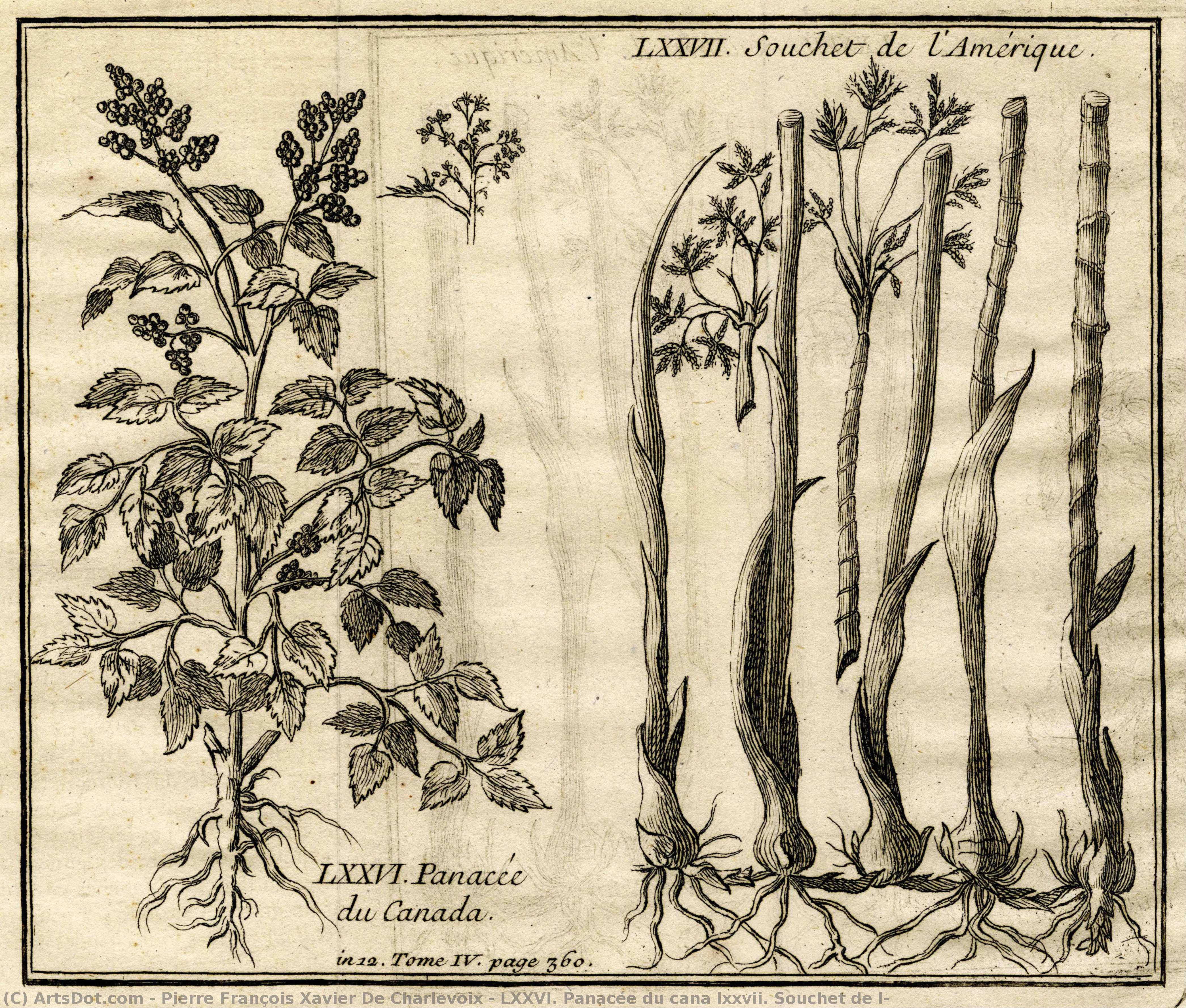
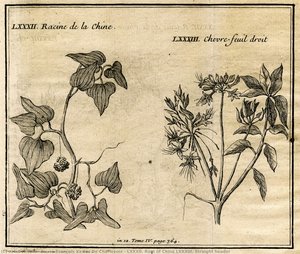
LXXVI. Panacée du cana lxxvii. Souchet de l
 Engraving
 1744
1744- Early Modern
 16.0 x 18.0 cm
 Museo Nacional de Historia Natural de Canadá
 Ver más
Reproducción al óleo hecha a mano
Óleo sobre lienzo pintado a mano en el tamaño y marco de su elección, realizado por encargo por nuestros artistas. ( Comprar impresión Comprar imagen)




































Elija entre nuestros tamaños predefinidos que respetan las proporciones originales de la obra.

Puede ingresar sus propias dimensiones para adaptarse a un marco o espacio específico. Si el tamaño seleccionado no coincide con las proporciones de la imagen original, recortaremos la obra o extenderemos la pintura con elementos adicionales pintados a mano. Se le enviará una maqueta digital para su aprobación antes de comenzar la producción.
Tenga en cuenta que la vista previa en pantalla no refleja el recorte o la extensión reales. Solo la maqueta mostrará con precisión la composición final.
Si bien existen tamaños personalizados, recomendamos seleccionar una dimensión de la lista predefinida para preservar las proporciones originales.
Tras realizar el pedido, el equipo de ArtsDot.com enviará un correo electrónico al cliente para solicitar instrucciones y proporcionarle una vista previa del boceto.
Envío a todo el mundo () en 3-4 semanas en lugar de las 5 semanas estándar. (2 septiembre). Sin comprometer la calidad.

Envío exprés gratuito a todo el mundo

Lienzo de lino de alta calidad

Seguro de envío total

Garantía de reembolso de impuestos aduaneros

Garantía de fidelidad cromática exacta

Política de devolución de 60 días (solo por defectos)

Garantía de devolución del 100% del dinero

Descuento por cantidad
 La opción de vidrio solo está disponible en tamaños inferiores a 110 cm.

LXXVI. Panacée du cana lxxvii. Souchet de l
Técnica de reproducción
Dimensiones de la reproducción
-


Precio total final
$ 263
A Botanical Window into the Enlightenment
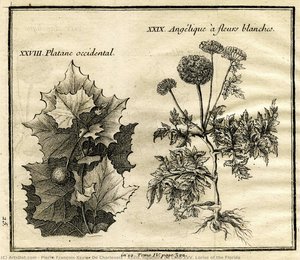
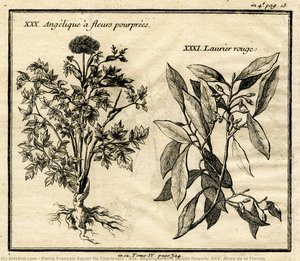
In the delicate dance of lines and shadows found within this exquisite 1744 engraving, we find much more than a mere scientific record; we encounter a profound moment in the history of human curiosity. Titled LXXVI. Panacée du cana lxxvii. Souchet de l, this masterful work by the French Jesuit priest and historian Pierre François Xavier de Charlevoiv captures the botanical elegance of the Canna lily with an intimacy that transcends its academic origins. The piece serves as a breathtaking window into the 18th-century Enlightenment, an era when the pursuit of knowledge was inextricably linked to the meticulous observation of the natural world. Through the medium of black and white engraving, the artist breathes life into the stems and foliage, inviting the viewer to pause and appreciate the intricate architecture of a single plant.
The technique employed here is nothing short of extraordinary, showcasing the precision required of an engraver during the mid-1700s. Each stroke of the burin creates a rhythmic texture that mimics the organic flow of the plant's growth. The varying weights of the lines allow for a sophisticated play of light and shadow, giving the leaves a palpable sense of volume and weight. As one observes the five distinct stems, each oriented with its own unique character, there is a sense of movement—a silent, slow-motion unfolding of life. This level of detail does not merely document; it celebrates the complexity of nature, making it an ideal centerpiece for those who appreciate the fine balance between scientific accuracy and artistic grace.
Beyond its technical brilliance, the artwork carries a deep historical resonance. Created by Charlevoix, a man whose life was dedicated to documenting the vast, unknown territories of New France, this engraving reflects the broader European obsession with cataloging the wonders of the earth. There is an inherent symbolism in the "Panacée" (panacea) mentioned in the title—a nod to the medicinal and transformative potential that early explorers believed resided within the flora they encountered. For the modern collector or interior designer, this piece offers a sophisticated layer of intellectual depth. It brings a sense of timelessness and scholarly prestige to any space, whether it is placed in a sunlit library or used as a subtle, textured accent in a contemporary minimalist gallery.
Integrating such a high-quality reproduction into a curated interior allows for a dialogue between the past and the present. The monochromatic palette provides a versatile foundation that complements both classical and modern decor, offering a quiet strength that does not overwhelm but rather enriches its surroundings. To possess this work is to hold a fragment of history—a piece of the 18th-century spirit that continues to inspire awe through its unwavering commitment to capturing the delicate, fleeting beauty of the natural world.
Obras relacionadas
Biografía del artista
primeros años y educación
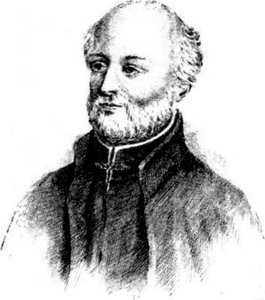
pierre françois xavier de charlevoix, sacerdote jesuita, viajero e historiador francés, nació en saint-quentin, francia, en 1682. su vida llegó a su fin en la flèche, francia, en 1761, dejando tras de sí un legado eterno como el primer historiador de nueva francia.contribuciones al arte y la historia
charlevoix es reconocido principalmente por sus inestimables contribuciones al estudio de nueva francia, destacando entre ellas su obra histoire et description générale de la nouvelle-france, publicada en 1744. este trabajo no solo hace gala de su maestría como historiador, sino que también ofrece una ventana invaluable hacia los albores de la historia de nueva francia.obras artísticas
entre las obras artísticas más notables de charlevoix se encuentran:- xxxiv. waux wedding routes xxxiv. waux wedding routes xxxv. apious de l (grabado, museo canadiense de la naturaleza, ottawa, canadá)
- otras obras, tales como sus bocetos y pinturas, demuestran su destreza como artista y su capacidad para capturar la esencia misma de nueva francia.
museos que albergan la obra de charlevoix
el arte de charlevoix puede apreciarse en diversos museos, entre ellos:- museo canadiense de la naturaleza, ottawa, canadá
- el musée baron gérard (francia), bayeux, francia (que exhibe arte europeo desde la prehistoria hasta el siglo XX)
relevancia e impacto
la obra de charlevoix ha sido ampliamente reconocida por su trascendencia histórica, y su estilo artístico continúa inspirando tanto a artistas como a historiadores. sus aportaciones al estudio de nueva francia lo han consagrado como un pionero tanto en el ámbito del arte como en el de la historia. descubra más sobre pierre françois xavier de charlevoix en ArtsDot.com: [https://ArtsDot.com/@/pierre-francois-xavier-de-charlevoix](https://ArtsDot.com/@/pierre-francois-xavier-de-charlevoix) explore el musée baron gérard (francia) y sus obras maestras en ArtsDot.com: [https://ArtsDot.com/@@/9avcev-ArtsDot-in-your-pocket](https://ArtsDot.com/@@/9avcev-ArtsDot-in-your-pocket)referencias
- pierre françois xavier de charlevoix, ArtsDot.com
- musée baron gérard (francia), ArtsDot.com
- wikipedia: pierre françois xavier de charlevoix, wikipedia.org
Pierre François Xavier De Charlevoix
1682 - 1761 , Francia
Datos clave
- Artistic Movement Or Style: Rococo
- Date Of Birth: Saint Quentin, Francia (1682)
- Date Of Death: La Flèche, Francia (1761)
- Full Name: Pierre François Xavier de Charlevoix
- Nationality: Francés
- Notable Artworks:
- Iupatoire du cane
- Angélique con púrpura flores
- Alcea de la Florida
- Place Of Birth: Saint Quentin
Artículos relacionados
The Flourishing Canvas: A Historical & Artistic Exploration of Botanical Illustration
Explore the rich history of botanical illustration! Discover key artists like Havell & Barraband, learn about scientific accuracy & aesthetic beauty. Shop museum-quality reproductions at ArtsDot.
The Flourishing Canvas: A Historical Journey Through Botanical Illustration
Explore the captivating history of botanical illustration! Discover renowned artists like Robert Havell & Mary Walcott, learn about techniques, and find museum-quality art at ArtsDot.com.
El Floreciente Lienzo: Un Viaje Histórico a Través de la Ilustración Botánica
Descubre la fascinante historia de la ilustración botánica, desde sus orígenes científicos hasta su renacimiento artístico actual. Técnicas, artistas y recursos para amantes del arte y la naturaleza.
El Detalle Evocador de la Naturaleza: Una Historia de la Ilustración Naturalista
Descubre la historia de la ilustración naturalista y sus maestros artistas. Explora obras botánicas detalladas, desde herbarios medievales hasta las pinturas de flores de Van Kessel y Eaton. ¡Inspírate en el arte y la ciencia!
Victorian Botanical Painting: Science, Art & Aesthetic Sensibility
Explore the exquisite world of Victorian botanical art! Discover the science & artistry behind stunning floral illustrations by Gould, Muckley & more. Learn about collecting, value & investment at ArtsDot.

