


 Ver en contexto
 Enviar
 Compartir
 Detalles

 Descargar
 Similares
 Radiografía
 Presentación de diapositivas
A LA VILLA FARNESE LE MOULIN


 Ver más
Giclée / Impresión de arte
Impresiones giclée o en lienzo de calidad de museo con producción rápida y opciones de acabado flexibles. ( Comprar pintura hecha a mano Comprar imagen)




P118B $10

P118H $10

P118W $10

P438Z $10

P508JH $12

P508YH $12

P805H $10

P805Z $10

P919BZ $10

P919G $10

P919XJ $10

P959ZH $10

P968JZ $12

W106C $8

W218G $10

W218JH $8

W218Y $10

W307PJ $10

W316G $10

W316PJ $8

W316Y $10

W398PJ $8

W4111J $10

W500HY $15

W500JH $15

W692G $12

W849H $8

W940BG $15

W953PJ $8




Elija entre nuestros tamaños predefinidos que respetan las proporciones originales de la obra.

Puede introducir sus propias dimensiones para adaptarse a un marco o espacio específico. Si el tamaño seleccionado no coincide con las proporciones de la imagen original, recortaremos la obra de arte o extenderemos la imagen con un borde con efecto espejo o de color sólido. Se enviará una maqueta digital para su aprobación antes de que comience la producción.
Tenga en cuenta que la vista previa en pantalla no refleja el recorte o la extensión real. Solo la maqueta mostrará con precisión la composición final.
Aunque existen tamaños personalizados, recomendamos seleccionar una dimensión de la lista predefinida para preservar las proporciones originales.
Envío a todo el mundo () en 2 semanas en lugar de las 4/5 semanas estándar. (29 agosto)

Envío exprés gratuito a todo el mundo

Lienzo de lino de alta calidad

Seguro de envío total

Garantía de reembolso de impuestos aduaneros

Garantía de fidelidad cromática exacta

Política de devolución de 60 días (solo por defectos)

Garantía de devolución del 100% del dinero

Descuento por cantidad
 La opción de vidrio solo está disponible en tamaños inferiores a 110 cm.

A LA VILLA FARNESE LE MOULIN
Giclée / Impresión de arte
Dimensiones de la reproducción
-


Precio total final
$ 62
The Essence of a Moment: Picasso’s “A La Villa Farnese Le Moulin”
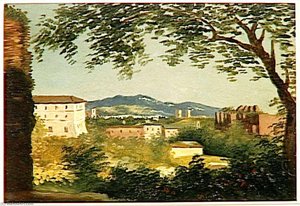
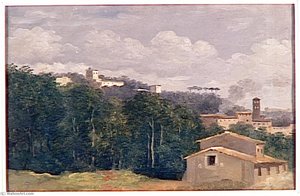
Pierre-Henri de Valenciennes' "A La Villa Farnese Le Moulin" isn’t merely a depiction of a picturesque Italian villa; it’s a carefully constructed meditation on light, space, and the fleeting beauty of nature. Painted around 1782-1784 during his time in Rome, this work embodies the burgeoning spirit of *plein air* painting – a revolutionary approach that prioritized direct observation and capturing the immediate effects of atmospheric conditions. The scene unfolds within a hazy, dreamlike landscape dominated by the imposing silhouette of Villa Farnese, perched dramatically atop a rolling hill overlooking a tranquil body of water. It’s a study in restraint, favoring subtle tonal shifts and suggestive brushstrokes over precise detail, reflecting Valenciennes' commitment to conveying an emotional response rather than a photographic representation.
The painting immediately draws the eye to the villa itself – a monumental structure rendered with a confident yet understated hand. Its rectangular form anchors the composition, while the surrounding landscape—a tapestry of muted greens, browns, and grays—creates a sense of depth and atmospheric perspective. Notice how Valenciennes employs loose, gestural brushstrokes to define the foliage, suggesting movement and vitality without resorting to meticulous rendering. The water’s surface is rendered with shimmering highlights, hinting at reflected light and adding a vital element of dynamism to the scene. The overall effect is one of serene contemplation, inviting the viewer to lose themselves in the tranquility of the Italian countryside.
A Pioneer of *Plein Air* – Valenciennes' Artistic Philosophy
Valenciennes’ work stands as a pivotal moment in art history. He was a key figure in advocating for painting directly from nature, a practice that challenged the established conventions of academic art. His treatise, “Reflections and Advice to a Student on Painting, Particularly on Landscape,” articulated his belief that capturing the *essence* of a scene—its light, color, and atmosphere—was paramount. This philosophy shifted the focus away from idealized representations and towards a more subjective and immediate engagement with the natural world. He wasn’t interested in creating a perfect copy; he sought to distill the feeling of being present within that specific landscape.
The painting's composition subtly reinforces this concept. Valenciennes deliberately avoids overly dramatic contrasts or elaborate details, instead opting for a harmonious balance between form and atmosphere. The villa, while substantial, is presented as part of a larger, interconnected system—a participant in the unfolding drama of light and shadow. This approach reflects Valenciennes’ broader artistic vision: to capture not just what he *saw*, but what he *felt* about what he saw.
Symbolism and Emotional Resonance
Beyond its technical merits, “A La Villa Farnese Le Moulin” resonates with a quiet sense of nostalgia and timeless beauty. The villa itself—a symbol of power, history, and perhaps even aristocratic privilege—stands in stark contrast to the surrounding natural world, suggesting a tension between human ambition and the enduring forces of nature. The hazy atmosphere evokes a feeling of distance and contemplation, inviting the viewer to reflect on the passage of time and the ephemeral nature of beauty.
Furthermore, the painting’s muted color palette contributes significantly to its emotional impact. The earth tones—greens, browns, and grays—create a sense of grounding and stability, while subtle variations in hue suggest the shifting qualities of light and shadow. The overall effect is one of understated elegance and profound serenity – a testament to Valenciennes' ability to capture the soul of a landscape with remarkable sensitivity.
Reproductions: Bringing Valenciennes’ Vision Home
Today, high-quality reproductions of “A La Villa Farnese Le Moulin” offer an accessible way to experience the beauty and artistry of this seminal work. Whether displayed in a grand salon or a cozy study, a faithful reproduction can evoke the same sense of tranquility and contemplation that characterized Valenciennes’ original painting. Consider commissioning a hand-painted replica – a unique piece of art that captures the spirit of this remarkable landscape while preserving its timeless appeal.
Obras relacionadas
Biografía del artista
Pierre Henri de Valenciennes
Pierre Henri de Valenciennes (Toulouse, 6 diciembre de 1750 – París, 16 febrero de 1819) fue un pintor francés que destacó por su influencia en la elevación del estatus del paisaje pictórico. Nacido en Toulouse, aunque sus datos biográficos son escasos en los registros disponibles, sus contribuciones al mundo artístico están bien documentadas. Su formación inicial y educación no están extensamente registradas, pero se sabe que trabajó en Roma entre 1778 y 1782, donde realizó numerosos estudios de paisaje directamente desde la naturaleza. Esta práctica innovadora fue fundamental para impulsar el desarrollo del paisaje como género artístico reconocido por la época.Contribuciones al paisaje pictórico
Valenciennes fue un verdadero pionero en la promoción del paisaje como objeto de estudio y representación artística. Su teoría sobre este tema, expuesta en su tratado “Reflexiones y consejos a un estudiante sobre pintura, particularmente sobre el género del paisaje” (1800), marcó un punto de inflexión en el pensamiento artístico francés del siglo XIX. Valenciennes defendió la importancia de observar directamente la naturaleza para capturar sus cambios constantes debido a la luz y el clima, una metodología que influyó profundamente en otros artistas activos en Italia como Hubert Robert, Pierre Chauvin y Achille Etna Michallon. Estos pintores adoptaron un enfoque antropológico al paisaje, buscando comprender su relación con el hombre y el entorno, lo cual fue impulsado por las ideas de Valenciennes sobre cómo representar estos elementos con precisión y belleza.Influencias y estudiantes notables
Entre sus alumnos destacaron Jean Victor Bertin, Achille Etna Michallon, Louis Étienne Watelet, Louis François Lejeune y Pierre Prévost, el primer pintor panorámico francés. Estos artistas fueron influenciados por la maestría técnica de Valenciennes y por su visión estética del paisaje clásico, que buscaban emular los principios establecidos por Nicolas Poussin en Roma. Valenciennes también promovió el uso de materiales nuevos y métodos innovadores para lograr efectos especiales en sus obras, como el empleo de colores brillantes y pinceladas audaces que capturaban la atmósfera del lugar representado. Esta actitud vanguardista contribuyó a impulsar el desarrollo del paisaje pictórico francés hacia mediados del siglo XIX.Estilo artístico y legado
Valenciennes desarrolló un estilo propio caracterizado por una gran precisión técnica y una sensibilidad estética excepcional. Sus obras reflejan una profunda comprensión de los principios clásicos de composición y perspectiva, así como una habilidad para transmitir emociones y sentimientos a través del lenguaje visual. Aunque Valenciennes fue considerado un pintor poco dado a la innovación formal, su influencia en otros artistas fue enorme y sus ideas sobre el paisaje siguen siendo relevantes hoy en día. Su tratado “Reflexiones y consejos…” estableció nuevos estándares de pensamiento artístico y abrió camino a nuevas investigaciones sobre cómo representar el mundo natural con belleza y armonía. Además, Valenciennes contribuyó significativamente al desarrollo del género panorámico francés, creando obras maestras que impresionaron a espectadores y críticos de la época. Su legado en el arte francés es indiscutible y sigue siendo estudiado y admirado por artistas y historiadores de arte contemporáneos.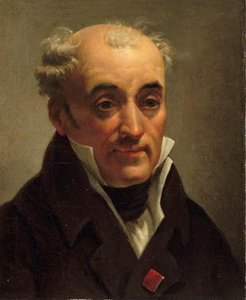
Pierre Henri de Valenciennes
1750 - 1819 , Francia
Datos clave
- Artistic Movement Or Style: En plein air pintura
- Artists Or Movements Influenced By This Artist: ['Claude Lorrain']
- Artists Who Influenced This Artist:
- Jean Victor Bertin
- Achille Etna Michallon
- Date Of Birth: 6 diciembre 1750
- Date Of Death: 16 febrero 1819
- Full Name: Pierre Henri de Valenciennes
- Nationality: Francés
- Notable Artworks:
- Villa Borghese paisaje
- Paisaje con árboles
- Place Of Birth: Toulouse, Francia
Artículos relacionados
Simon Vouet: A Baroque Master's Journey from Italian Influence to French Classicism
Explore the life & art of Simon Vouet, a pivotal French Baroque painter who introduced Italian styles to France. Discover his masterpieces and lasting influence on 17th-century art.
Charles Le Brun: Master of French Baroque Classicism & His Enduring Legacy
Explore the life & art of Charles Le Brun, master of French Baroque Classicism. Discover his royal commissions, influence on Versailles, and enduring legacy through detailed analysis & stunning artworks.

Los 10 Maestros del Neoclasicismo: Obras que Definieron una Era |
Descubre los 10 imprescindibles del Neoclasicismo con . Obras de David, Ingres y Canova que marcaron una era. Historia, técnica y significado de cada pieza. Encuentra reproducciones de arte de museo en
El Legado Perenne del Clasicismo: Principios Fundamentales, Evolución e Influencia en el Arte Occidental
Descubre la historia del arte clásico occidental: desde sus orígenes en Grecia y Roma hasta su influencia en el Renacimiento y las corrientes contemporáneas. Análisis experto, artistas clave y obras maestras imperdibles.
Ecos de la Costa Azul: Estrategias de Selección Artística para Interiores de Villas Mediterráneas – Armonizando Espacio, Luz y Legado
Descubre cómo seleccionar obras de arte que transformen tu villa mediterránea en un oasis de lujo y serenidad. Guía experta, historia del arte y consejos para crear espacios únicos.

