

 Ver en contexto
 Enviar
 Compartir
 Detalles

 Descargar
 Similares
 Radiografía
 Presentación de diapositivas
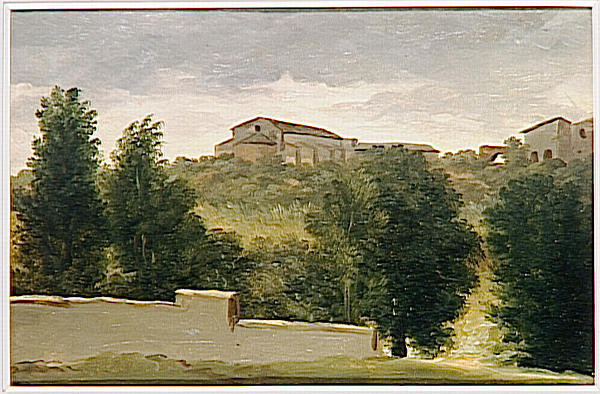
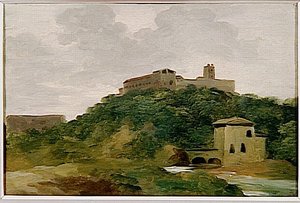
A LA VILLA FARNESE LE MUR


 Ver más
Giclée / Impresión de arte
Impresiones giclée o en lienzo de calidad de museo con producción rápida y opciones de acabado flexibles. ( Comprar pintura hecha a mano Comprar imagen)




P118B $10

P118H $10

P118W $10

P438Z $10

P508JH $12

P508YH $12

P805H $10

P805Z $10

P919BZ $10

P919G $10

P919XJ $10

P959ZH $10

P968JZ $12

W106C $8

W218G $10

W218JH $8

W218Y $10

W307PJ $10

W316G $10

W316PJ $8

W316Y $10

W398PJ $8

W4111J $10

W500HY $15

W500JH $15

W692G $12

W849H $8

W940BG $15

W953PJ $8




Elija entre nuestros tamaños predefinidos que respetan las proporciones originales de la obra.

Puede introducir sus propias dimensiones para adaptarse a un marco o espacio específico. Si el tamaño seleccionado no coincide con las proporciones de la imagen original, recortaremos la obra de arte o extenderemos la imagen con un borde con efecto espejo o de color sólido. Se enviará una maqueta digital para su aprobación antes de que comience la producción.
Tenga en cuenta que la vista previa en pantalla no refleja el recorte o la extensión real. Solo la maqueta mostrará con precisión la composición final.
Aunque existen tamaños personalizados, recomendamos seleccionar una dimensión de la lista predefinida para preservar las proporciones originales.
Envío a todo el mundo () en 2 semanas en lugar de las 4/5 semanas estándar. (25 agosto)

Envío exprés gratuito a todo el mundo

Lienzo de lino de alta calidad

Seguro de envío total

Garantía de reembolso de impuestos aduaneros

Garantía de fidelidad cromática exacta

Política de devolución de 60 días (solo por defectos)

Garantía de devolución del 100% del dinero

Descuento por cantidad
 La opción de vidrio solo está disponible en tamaños inferiores a 110 cm.

A LA VILLA FARNESE LE MUR
Giclée / Impresión de arte
Dimensiones de la reproducción
-


Precio total final
$ 62
Descripción de la pieza
A Serene Vista of Italian Grandeur: Valenciennes’ “À la Villa Farnèse le Mur”
Pierre-Henri de Valenciennes' "À la Villa Farnèse le Mur" (circa 1782-1784) is more than just a landscape painting; it’s a carefully constructed evocation of the Italian countryside, imbued with the spirit of the late Enlightenment and the burgeoning Romantic movement. This captivating work, currently residing in the Louvre Museum's collection, offers a glimpse into a world of refined beauty and subtle observation – a testament to Valenciennes’ pioneering approach to landscape painting.
The scene unfolds within the Villa Farnese at Caprarola, a magnificent Renaissance villa nestled amidst rolling hills near Rome. The composition immediately draws the eye to the imposing structure, perched dramatically on a hilltop, its walls partially obscured by a dense tapestry of foliage. A low, weathered wall snakes across the foreground, acting as an anchor for the viewer and subtly hinting at the vastness of the surrounding landscape. Valenciennes masterfully employs atmospheric perspective – distant elements recede into a hazy blue, creating a convincing illusion of depth and drawing the eye towards the villa’s central prominence. The muted color palette—dominated by earthy greens, browns, and greys—evokes a sense of timeless tranquility, mirroring the classical ideals of harmony and balance that characterized much of 18th-century art.
The Dawn of “En Plein Air” – Valenciennes’ Revolutionary Technique
Valenciennes' contribution to the art world extends far beyond simply depicting a beautiful landscape. He was a key figure in establishing the revolutionary technique of "en plein air" painting, or working directly from nature. Prior to his influential treatise, “Reflections and Advice to a Student on Painting, Particularly on Landscape” (1800), artists typically worked from sketches created indoors. Valenciennes argued passionately for observing and capturing the fleeting effects of light and weather directly in the field. This approach demanded a new level of artistic skill and sensitivity, allowing painters to truly capture the essence of a scene – its subtle shifts in color, texture, and atmosphere.
"À la Villa Farnèse le Mur" exemplifies this revolutionary technique. The loose brushstrokes, blended tones, and lack of sharp outlines demonstrate Valenciennes’ commitment to representing the immediate impression of the landscape. He wasn't striving for photographic accuracy; instead, he sought to convey the *feeling* of being present in that particular place at that specific moment. The hazy atmosphere isn’t merely a stylistic choice; it reflects the artist’s deliberate attempt to capture the ephemeral qualities of light and shadow.
Symbolism and the Pursuit of Ideal Beauty
Beyond its technical brilliance, the painting is rich in symbolic meaning. The Villa Farnese itself represents the ideals of Roman grandeur and Renaissance humanism – a testament to wealth, power, and artistic achievement. However, Valenciennes doesn’t simply celebrate this opulence; he presents it within a broader landscape context, suggesting a harmonious relationship between man-made structures and the natural world. The wall in the foreground, partially obscured by vegetation, symbolizes the inevitable encroachment of nature upon even the most imposing monuments. It's a subtle reminder of the transient nature of human endeavors against the backdrop of enduring beauty.
Furthermore, the painting’s overall mood—serene, contemplative, and bathed in diffused light—reflects the philosophical currents of the Enlightenment, emphasizing reason, order, and the pursuit of ideal beauty. The scene invites the viewer to step into a world of quiet contemplation, mirroring the artistic ideals of balance, harmony, and proportion that were so central to the era.
A Timeless Masterpiece for Collectors and Designers
"À la Villa Farnèse le Mur" remains a captivating work of art, offering a glimpse into the artistic sensibilities of 18th-century Italy. Its masterful composition, innovative technique, and evocative symbolism continue to resonate with viewers today. Whether admired as a historical artifact or sought after for its aesthetic qualities, this painting represents a pivotal moment in the development of landscape painting – a testament to Valenciennes’ legacy as a pioneer of “en plein air” and a champion of capturing the fleeting beauty of the natural world. Reproductions of this stunning artwork offer an accessible way to bring a touch of Italian grandeur into any interior space, evoking a sense of timeless elegance and serene contemplation.
Obras relacionadas

Biografía del artista
Pierre Henri de Valenciennes
Pierre Henri de Valenciennes (Toulouse, 6 diciembre de 1750 – París, 16 febrero de 1819) fue un pintor francés que destacó por su influencia en la elevación del estatus del paisaje pictórico. Nacido en Toulouse, aunque sus datos biográficos son escasos en los registros disponibles, sus contribuciones al mundo artístico están bien documentadas. Su formación inicial y educación no están extensamente registradas, pero se sabe que trabajó en Roma entre 1778 y 1782, donde realizó numerosos estudios de paisaje directamente desde la naturaleza. Esta práctica innovadora fue fundamental para impulsar el desarrollo del paisaje como género artístico reconocido por la época.Contribuciones al paisaje pictórico
Valenciennes fue un verdadero pionero en la promoción del paisaje como objeto de estudio y representación artística. Su teoría sobre este tema, expuesta en su tratado “Reflexiones y consejos a un estudiante sobre pintura, particularmente sobre el género del paisaje” (1800), marcó un punto de inflexión en el pensamiento artístico francés del siglo XIX. Valenciennes defendió la importancia de observar directamente la naturaleza para capturar sus cambios constantes debido a la luz y el clima, una metodología que influyó profundamente en otros artistas activos en Italia como Hubert Robert, Pierre Chauvin y Achille Etna Michallon. Estos pintores adoptaron un enfoque antropológico al paisaje, buscando comprender su relación con el hombre y el entorno, lo cual fue impulsado por las ideas de Valenciennes sobre cómo representar estos elementos con precisión y belleza.Influencias y estudiantes notables
Entre sus alumnos destacaron Jean Victor Bertin, Achille Etna Michallon, Louis Étienne Watelet, Louis François Lejeune y Pierre Prévost, el primer pintor panorámico francés. Estos artistas fueron influenciados por la maestría técnica de Valenciennes y por su visión estética del paisaje clásico, que buscaban emular los principios establecidos por Nicolas Poussin en Roma. Valenciennes también promovió el uso de materiales nuevos y métodos innovadores para lograr efectos especiales en sus obras, como el empleo de colores brillantes y pinceladas audaces que capturaban la atmósfera del lugar representado. Esta actitud vanguardista contribuyó a impulsar el desarrollo del paisaje pictórico francés hacia mediados del siglo XIX.Estilo artístico y legado
Valenciennes desarrolló un estilo propio caracterizado por una gran precisión técnica y una sensibilidad estética excepcional. Sus obras reflejan una profunda comprensión de los principios clásicos de composición y perspectiva, así como una habilidad para transmitir emociones y sentimientos a través del lenguaje visual. Aunque Valenciennes fue considerado un pintor poco dado a la innovación formal, su influencia en otros artistas fue enorme y sus ideas sobre el paisaje siguen siendo relevantes hoy en día. Su tratado “Reflexiones y consejos…” estableció nuevos estándares de pensamiento artístico y abrió camino a nuevas investigaciones sobre cómo representar el mundo natural con belleza y armonía. Además, Valenciennes contribuyó significativamente al desarrollo del género panorámico francés, creando obras maestras que impresionaron a espectadores y críticos de la época. Su legado en el arte francés es indiscutible y sigue siendo estudiado y admirado por artistas y historiadores de arte contemporáneos.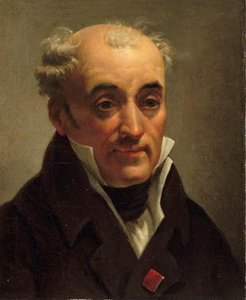
Pierre Henri de Valenciennes
1750 - 1819 , Francia
Datos clave
- Artistic Movement Or Style: En plein air pintura
- Artists Or Movements Influenced By This Artist: ['Claude Lorrain']
- Artists Who Influenced This Artist:
- Jean Victor Bertin
- Achille Etna Michallon
- Date Of Birth: 6 diciembre 1750
- Date Of Death: 16 febrero 1819
- Full Name: Pierre Henri de Valenciennes
- Nationality: Francés
- Notable Artworks:
- Villa Borghese paisaje
- Paisaje con árboles
- Place Of Birth: Toulouse, Francia
Artículos relacionados
Henri Matisse: Las 25 Obras Maestras que Definieron un Genio del Color | ArtsDot
Descubre las 25 obras maestras de Henri Matisse, el rey del color y padre del fauvismo. Explora su arte moderno, lienzos vibrantes y la historia detrás de cada pintura icónica. Encuentra reproducciones de alta calidad en ArtsDot.com.

Renoir: Las 25 Obras Maestras del Impresionismo para Decorar tu Hogar con Arte
Descubre las 25 obras maestras de Renoir, el rey del impresionismo. Explora su técnica, historia y significado en cada pintura. Encuentra reproducciones de arte de alta calidad para decorar tu hogar con ArtsDot.com.
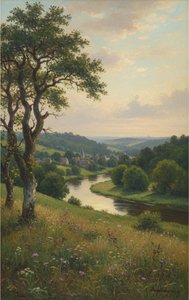
Henri-Joseph Harpignies: Capturing the Poetic Essence of the French Landscape
Explore the serene landscapes of Henri-Joseph Harpignies, a master of the Barbizon School. Discover his atmospheric paintings, recurring themes & enduring legacy in 19th-century French art. Learn more at ArtsDot.

Evocations of Place: A Historical Journey Through Landscape Art
Explore the rich history of landscape art with ArtsDot. Discover renowned artists, movements like Impressionism & Romanticism, and expert guidance for collecting timeless pieces. Find your perfect serene escape today!

Paisajes Románticos: 10 Obras Maestras que Definieron un Movimiento Artístico
Descubre los 10 paisajes románticos más influyentes de artistas como Caspar David Friedrich y Turner. Explora la belleza, el simbolismo y las técnicas del movimiento romántico. Reproducciones de arte exclusivas en ArtsDot.com.

