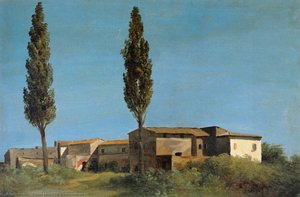
 Ver en contexto
 Enviar
 Compartir
 Detalles

 Descargar
 Similares
 Radiografía
 Presentación de diapositivas
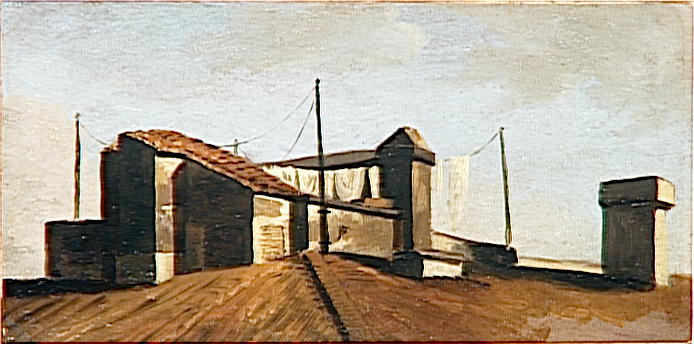
LOGGIA A ROME LE TOIT AU SOLEIL


 Ver más
Reproducción al óleo hecha a mano
Óleo sobre lienzo pintado a mano en el tamaño y marco de su elección, realizado por encargo por nuestros artistas. ( Comprar impresión Comprar imagen)




P118B $10

P118H $10

P118W $10

P438Z $10

P508JH $12

P508YH $12

P805H $10

P805Z $10

P919BZ $10

P919G $10

P919XJ $10

P959ZH $10

P968JZ $12

W106C $8

W218G $10

W218JH $8

W218Y $10

W307PJ $10

W316G $10

W316PJ $8

W316Y $10

W398PJ $8

W4111J $10

W500HY $15

W500JH $15

W692G $12

W849H $8

W940BG $15

W953PJ $8




Elija entre nuestros tamaños predefinidos que respetan las proporciones originales de la obra.

Puede ingresar sus propias dimensiones para adaptarse a un marco o espacio específico. Si el tamaño seleccionado no coincide con las proporciones de la imagen original, recortaremos la obra o extenderemos la pintura con elementos adicionales pintados a mano. Se le enviará una maqueta digital para su aprobación antes de comenzar la producción.
Tenga en cuenta que la vista previa en pantalla no refleja el recorte o la extensión reales. Solo la maqueta mostrará con precisión la composición final.
Si bien existen tamaños personalizados, recomendamos seleccionar una dimensión de la lista predefinida para preservar las proporciones originales.
Tras realizar el pedido, el equipo de ArtsDot.com enviará un correo electrónico al cliente para solicitar instrucciones y proporcionarle una vista previa del boceto.
Envío a todo el mundo () en 3-4 semanas en lugar de las 5 semanas estándar. (29 agosto). Sin comprometer la calidad.

Envío exprés gratuito a todo el mundo

Lienzo de lino de alta calidad

Seguro de envío total

Garantía de reembolso de impuestos aduaneros

Garantía de fidelidad cromática exacta

Política de devolución de 60 días (solo por defectos)

Garantía de devolución del 100% del dinero

Descuento por cantidad
 La opción de vidrio solo está disponible en tamaños inferiores a 110 cm.

LOGGIA A ROME LE TOIT AU SOLEIL
Técnica de reproducción
Dimensiones de la reproducción
-


Precio total final
$ 263
A Roman Reverie: Valenciennes’ “Loggia à Rome, le toit au soleil”
Pierre-Henri de Valenciennes' "Loggia à Rome, le toit au soleil" isn’t merely a depiction of an Italian architectural fragment; it’s a carefully constructed evocation of light, atmosphere, and the quiet contemplation inherent in observing the world. Painted around 1782-1784, this oil on canvas offers a glimpse into Valenciennes' pioneering approach to landscape painting – his embrace of “en plein air,” or working directly from nature—a revolutionary concept at the time. The scene unfolds within a Roman loggia, its weathered stone walls and supporting pillars framing a pale, almost ethereal sky. The composition is dominated by horizontal lines, mirroring the stability and grandeur of the architecture, yet softened by the artist’s loose, expressive brushstrokes.
Valenciennes wasn't interested in photographic realism; instead, he sought to capture the *feeling* of a place – its light, its mood. The muted palette—a blend of ochres, grays, and subtle blues—contributes significantly to this effect. Notice how the light seems diffused, as if filtering through a hazy afternoon sky, casting long shadows that subtly define the loggia’s form. This deliberate lack of stark contrast creates a sense of serenity and timelessness, inviting the viewer into a moment of peaceful observation. The artist's technique is remarkably quick and confident; the visible brushstrokes suggest an immediacy, as if he were capturing the scene before it shifted again.
The Rise of “Landscape Portraits”
Valenciennes’ work represents a pivotal shift in artistic practice. Prior to his theories, landscape painting was often confined to idealized representations of idyllic scenery. Valenciennes, however, championed the idea of the "landscape portrait," a genre where the artist directly observed and painted a scene while experiencing it firsthand. This approach wasn't simply about recording appearances; it was about capturing the *essence* of a place – its light, its atmosphere, and even the subtle shifts in color that occur throughout the day. His treatise, “Reflections and Advice to a Student on Painting, Particularly on Landscape,” outlined this philosophy, arguing for the importance of direct observation and the recording of specific details.
This painting exemplifies Valenciennes’ commitment to this new approach. The slightly skewed perspective, the emphasis on architectural detail, and the palpable sense of light all point to a deliberate effort to capture not just what the loggia *looked* like, but how it *felt* to be there – bathed in the Roman sun, observing its quiet beauty.
Symbolism and Context
The “Loggia à Rome” is more than just a picturesque view; it’s imbued with symbolic resonance. The loggia itself represents a space of refuge, a place for contemplation and respite from the bustling city. The title, "le toit au soleil," – “the roof to the sun” – suggests an appreciation for the simple pleasures of light and warmth, a theme central to Valenciennes’ artistic vision. Considering the historical context—the late 18th century, a period marked by intellectual ferment and a growing interest in empirical observation—this painting can be seen as a reflection of broader cultural shifts.
The work aligns with the Rococo and early Romantic movements, characterized by an emphasis on emotion, subjective experience, and the beauty of nature. Valenciennes’ focus on capturing atmospheric conditions and his willingness to prioritize feeling over strict representation anticipate many of the developments in landscape painting that would follow. His influence extended beyond his own paintings, shaping the work of subsequent generations of artists.
A Timeless Masterpiece for Your Space
Reproductions of “Loggia à Rome, le toit au soleil” offer a remarkable opportunity to bring this evocative scene into your home or office. The painting’s serene atmosphere and subtle color palette make it an ideal choice for creating a calming and contemplative space. Its timeless appeal—a celebration of light, architecture, and the beauty of the natural world—will undoubtedly enhance any interior design scheme. Consider how the painting's horizontal lines and muted tones can complement both modern and traditional décor styles.
Obras relacionadas
Biografía del artista
Pierre Henri de Valenciennes
Pierre Henri de Valenciennes (Toulouse, 6 diciembre de 1750 – París, 16 febrero de 1819) fue un pintor francés que destacó por su influencia en la elevación del estatus del paisaje pictórico. Nacido en Toulouse, aunque sus datos biográficos son escasos en los registros disponibles, sus contribuciones al mundo artístico están bien documentadas. Su formación inicial y educación no están extensamente registradas, pero se sabe que trabajó en Roma entre 1778 y 1782, donde realizó numerosos estudios de paisaje directamente desde la naturaleza. Esta práctica innovadora fue fundamental para impulsar el desarrollo del paisaje como género artístico reconocido por la época.Contribuciones al paisaje pictórico
Valenciennes fue un verdadero pionero en la promoción del paisaje como objeto de estudio y representación artística. Su teoría sobre este tema, expuesta en su tratado “Reflexiones y consejos a un estudiante sobre pintura, particularmente sobre el género del paisaje” (1800), marcó un punto de inflexión en el pensamiento artístico francés del siglo XIX. Valenciennes defendió la importancia de observar directamente la naturaleza para capturar sus cambios constantes debido a la luz y el clima, una metodología que influyó profundamente en otros artistas activos en Italia como Hubert Robert, Pierre Chauvin y Achille Etna Michallon. Estos pintores adoptaron un enfoque antropológico al paisaje, buscando comprender su relación con el hombre y el entorno, lo cual fue impulsado por las ideas de Valenciennes sobre cómo representar estos elementos con precisión y belleza.Influencias y estudiantes notables
Entre sus alumnos destacaron Jean Victor Bertin, Achille Etna Michallon, Louis Étienne Watelet, Louis François Lejeune y Pierre Prévost, el primer pintor panorámico francés. Estos artistas fueron influenciados por la maestría técnica de Valenciennes y por su visión estética del paisaje clásico, que buscaban emular los principios establecidos por Nicolas Poussin en Roma. Valenciennes también promovió el uso de materiales nuevos y métodos innovadores para lograr efectos especiales en sus obras, como el empleo de colores brillantes y pinceladas audaces que capturaban la atmósfera del lugar representado. Esta actitud vanguardista contribuyó a impulsar el desarrollo del paisaje pictórico francés hacia mediados del siglo XIX.Estilo artístico y legado
Valenciennes desarrolló un estilo propio caracterizado por una gran precisión técnica y una sensibilidad estética excepcional. Sus obras reflejan una profunda comprensión de los principios clásicos de composición y perspectiva, así como una habilidad para transmitir emociones y sentimientos a través del lenguaje visual. Aunque Valenciennes fue considerado un pintor poco dado a la innovación formal, su influencia en otros artistas fue enorme y sus ideas sobre el paisaje siguen siendo relevantes hoy en día. Su tratado “Reflexiones y consejos…” estableció nuevos estándares de pensamiento artístico y abrió camino a nuevas investigaciones sobre cómo representar el mundo natural con belleza y armonía. Además, Valenciennes contribuyó significativamente al desarrollo del género panorámico francés, creando obras maestras que impresionaron a espectadores y críticos de la época. Su legado en el arte francés es indiscutible y sigue siendo estudiado y admirado por artistas y historiadores de arte contemporáneos.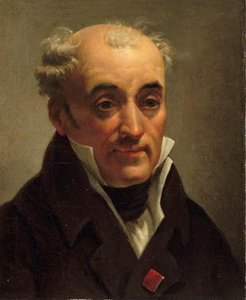
Pierre Henri de Valenciennes
1750 - 1819 , Francia
Datos clave
- Artistic Movement Or Style: En plein air pintura
- Artists Or Movements Influenced By This Artist: ['Claude Lorrain']
- Artists Who Influenced This Artist:
- Jean Victor Bertin
- Achille Etna Michallon
- Date Of Birth: 6 diciembre 1750
- Date Of Death: 16 febrero 1819
- Full Name: Pierre Henri de Valenciennes
- Nationality: Francés
- Notable Artworks:
- Villa Borghese paisaje
- Paisaje con árboles
- Place Of Birth: Toulouse, Francia
Artículos relacionados

Renoir: Las 25 Obras Maestras del Impresionismo para Decorar tu Hogar con Arte
Descubre las 25 obras maestras de Renoir, el rey del impresionismo. Explora su técnica, historia y significado en cada pintura. Encuentra reproducciones de arte de alta calidad para decorar tu hogar con ArtsDot.com.
The Art of Italian Living: Transform Your Home with Timeless Landscapes and Renaissance Masterpieces
Elevate your home with the timeless romance of Italy. Discover expert-curated, hand-painted Italian landscapes and Renaissance-inspired masterpieces. From bespoke oil reproductions to custom portraits from photos, transform your space with elegance and artistic passion.

Evocations of Place: A Historical Journey Through Landscape Art
Explore the rich history of landscape art with ArtsDot. Discover renowned artists, movements like Impressionism & Romanticism, and expert guidance for collecting timeless pieces. Find your perfect serene escape today!

Paisajes Románticos: 10 Obras Maestras que Definieron un Movimiento Artístico
Descubre los 10 paisajes románticos más influyentes de artistas como Caspar David Friedrich y Turner. Explora la belleza, el simbolismo y las técnicas del movimiento romántico. Reproducciones de arte exclusivas en ArtsDot.com.

Evocations of Place: A Historical Journey Through Landscape Art
Explore the rich history of landscape art with ArtsDot. Discover renowned artists, movements like Impressionism & tonalism, and expert guidance for collecting timeless pieces. Find your perfect serene escape today!