

 Ver en contexto
 Enviar
 Compartir
 Detalles

 Descargar
 Similares
 Radiografía
 Presentación de diapositivas
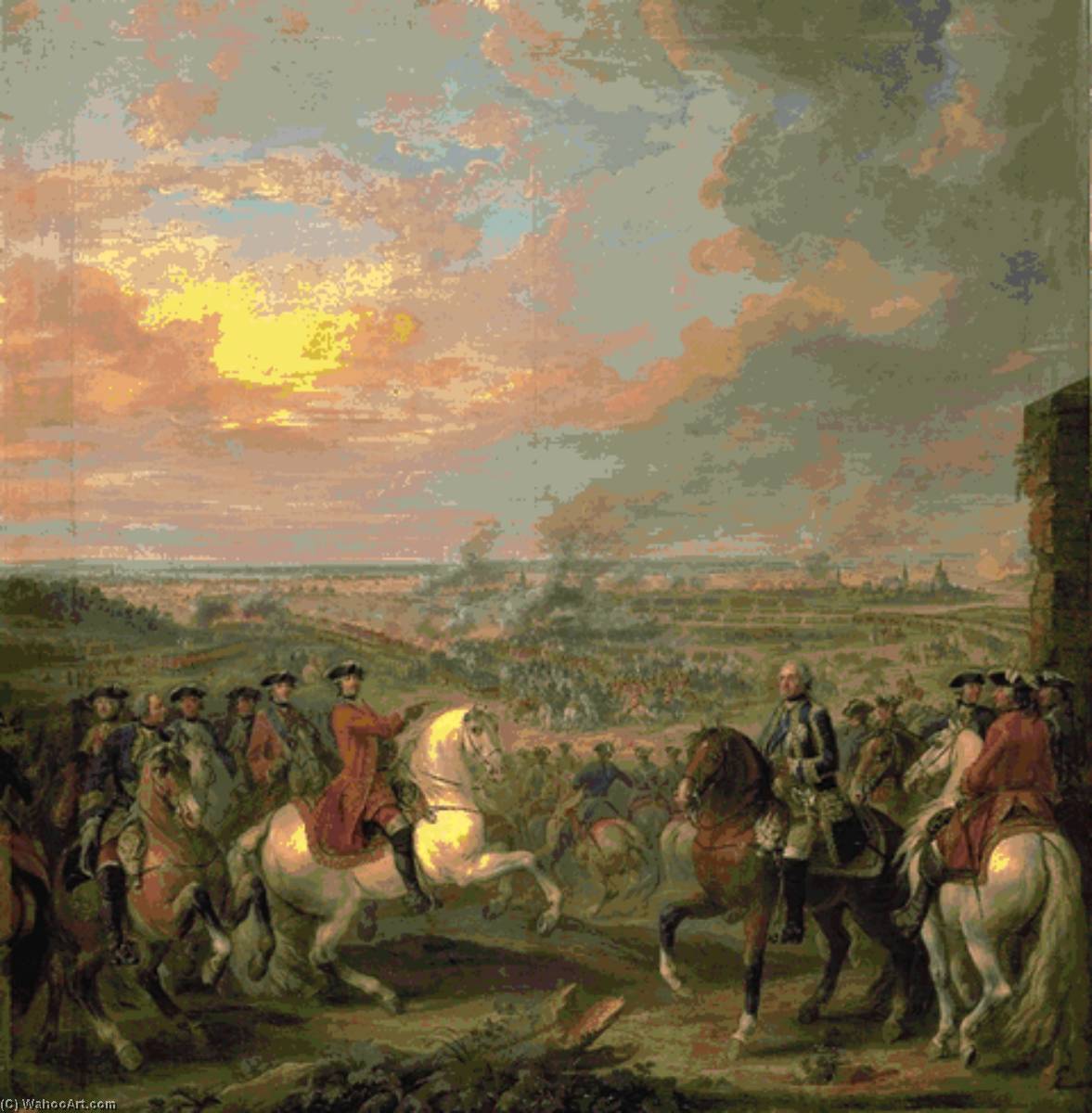
EPISODE DU COMBAT DE MELLE.1745 DIT AUTREFOIS BATAILLE DE FONTENOY


 Ver más
Adquiera una imagen digital de alta resolución y optimizada, muy superior a la vista previa en línea.
Cada archivo es preparado meticulosamente por nuestros especialistas internos mediante el uso de herramientas avanzadas y un experto retoque manual. Nos aseguramos de que cada imagen posea una claridad excepcional, una precisión cromática impecable y un detalle minucioso.
El archivo final se entrega por correo electrónico en un plazo de 72 horas, optimizado para su uso inmediato en entornos profesionales, editoriales y de impresión. Esta es la misma calidad en la que confían los estudios de diseño, las editoriales y las galerías de primer nivel.
Imagen Digital
Descarga un archivo de alta resolución para exhibición personal, impresión y proyectos creativos. ( Comprar impresión Comprar pintura hecha a mano)
Incluido en cada pedido de imágenes digitales
Entrega digital experta, garantizada.
Al elegir ArtsDot.com, no solo está adquiriendo una imagen; está recibiendo una obra de arte digital mejorada profesionalmente, elaborada con precisión y respaldada por una garantía de satisfacción. Esto es todo lo que incluye su pedido, automáticamente:

Entrega rápida por email
Recibirá su archivo de imagen digital en alta resolución por correo electrónico en un plazo de 72 horas tras realizar su pedido, listo para su uso inmediato.

Archivo digital optimizado por IA
Su obra de arte se optimiza profesionalmente mediante herramientas avanzadas de IA y edición manual, garantizando el máximo detalle, claridad y precisión cromática.

Reenvío gratuito de por vida
¿Has borrado o perdido tu archivo por error? No te preocupes: te lo volveremos a enviar en cualquier momento, sin coste adicional.

Sin gastos de importación, siempre
Disfrute de su obra de arte al instante sin aduanas, aranceles ni gastos de envío; las descargas digitales siempre están libres de impuestos.

Garantía de fidelidad de color
Garantizamos que su imagen digital refleje los colores originales con la mayor fidelidad posible, mediante el uso de herramientas profesionales y gestión del color.

Garantía de satisfacción de 60 días
Si no está satisfecho con su imagen digital, la revisaremos o le reembolsaremos el 100% en un plazo de 60 días, sin preguntas.

100% Garantía de devolución de dinero
¿No está satisfecho? Obtenga un reembolso completo dentro de los 60 días posteriores a la recepción de su archivo digital, sin necesidad de explicaciones.

Descuentos por pedidos grandes
Compra 3 imágenes, ahorra 10% - Compra 5, ahorra 15% - Compra 10+, ahorra 20%. Ideal para proyectos creativos, galerías y agencias.
Descripción del coleccionable
A Vision of Valor: Pierre L'Enfant’s “Episode du Combat de Melle.1745”
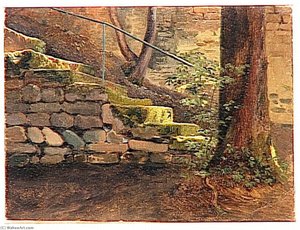
The painting "Episode du Combat de Melle.1745," also known as the Battle of Fontenoy, stands as a monumental testament to Pierre Charles L’Enfant’s artistic prowess and his pivotal role in shaping the landscape of Washington D.C., though it predates the city's formal establishment by several decades. Executed around 1771, this dramatic depiction captures a moment frozen in time—the fervent anticipation preceding a decisive clash between French and Prussian armies during the Seven Years’ War. More than just a historical record, L’Enfant’s masterpiece embodies the spirit of Enlightenment idealism and reflects his profound understanding of military strategy interwoven with artistic expression.- Subject Matter: The scene portrays a battlefield tableau—a squadron of French cavalry charging into action against Prussian forces. The artist meticulously rendered the dynamism of movement, conveying the urgency and intensity of the impending battle.
- Style & Technique: L’Enfant adhered to the principles of Neoclassicism, drawing inspiration from classical sculpture and architecture. His brushstrokes are deliberate and controlled, prioritizing clarity and precision—a hallmark of the style—to achieve a sense of grandeur and solemnity. The palette is muted yet impactful, utilizing earthy tones to emphasize the seriousness of the subject matter.
- Historical Context: Fontenoy was a crucial engagement in the larger conflict between Britain and France for dominance over Europe. L’Enfant's painting served as a visual chronicle of this pivotal moment, reflecting the anxieties and aspirations of the era. It speaks to the broader narrative of colonial ambition and the struggle for national identity.
- Symbolism: The central figure—a French officer astride a white horse—represents leadership and courage amidst adversity. The horse itself symbolizes nobility and strength, mirroring the ideals of republican virtue championed during the American Revolution. L’Enfant skillfully employed visual cues to communicate these concepts, elevating the painting beyond mere depiction into a statement about moral fortitude.
- Emotional Impact: Viewing “Episode du Combat de Melle.1745” evokes feelings of awe and contemplation. The artist's masterful composition compels the viewer to confront the realities of warfare while simultaneously celebrating human resilience—a duality that underscores L’Enfant’s artistic vision.
Obras relacionadas


Biografía del artista
A Life Bridging Worlds: Pierre Charles L'Enfant and the Birth of a Capital
Pierre Charles L’Enfant, a name often synonymous with the grand design of Washington, D.C., was far more than just an architect or city planner. Born in Paris on August 2, 1754, into a family steeped in artistic tradition – his father, Pierre L'Enfant, served as a painter to King Louis XV – young Charles’s early life unfolded amidst the elegance and intellectual ferment of pre-revolutionary France. He received a rigorous education at the Royal Academy in the Louvre, honing his skills not only in painting but also in engraving and architecture under his father’s tutelage. This formative experience instilled within him a profound appreciation for classical aesthetics and established the foundation for his future artistic endeavors.Early Artistic Training and Military Service
L’Enfant's artistic inclinations were nurtured by his father, Pierre L'Enfant (1704-1787), who was renowned for his panoramic paintings of military battles—a tradition that would continue to inspire L’Enfant throughout his life. Marie Charlotte Leullier, his mother, provided a stable home environment and instilled in him values of diligence and perseverance. Recognizing the importance of practical skills alongside artistic pursuits, he pursued formal training at the Royal Academy, mastering techniques essential for both painting and architectural design. However, fate intervened swiftly when the American colonies erupted into rebellion against British rule. Drawn to the burgeoning spirit of liberty and self-governance, L’Enfant volunteered as an engineer with Major General Lafayette—a pivotal decision that would propel him onto the stage of American history. He bravely served during the Siege of Savannah in 1779, sustaining injuries but demonstrating unwavering resilience. Subsequently, he continued to champion Washington's cause during the remainder of the Revolutionary War, earning the respect of his fellow officers and solidifying his commitment to the nascent nation’s ideals. His military service wasn’t merely a duty; it was an immersion in the crucible of revolution—a formative period that profoundly shaped his worldview.Designing Washington: A Vision for the Future
The culmination of L'Enfant’s artistic and engineering talents arrived with the commission to design the new capital city, Washington, D.C., following the relocation from Philadelphia. Embracing the influence of European Baroque and Neoclassical styles—a deliberate choice reflecting his academic training—he conceived a plan that transcended mere practicality; it was an assertion of republican virtue. Collaborating closely with Andrew Ellicott and Benjamin Banneker, L’Enfant meticulously crafted a blueprint for a city that would embody the principles of enlightenment and inspire awe. The resulting design—characterized by grand avenues radiating from central circles and squares—was revolutionary for its time, prioritizing civic grandeur and harmonious integration with natural landscapes. It stands as an enduring testament to L'Enfant’s genius—a symbol of American aspiration and a cornerstone of modern urban planning.Beyond the Capital: Artistic Legacy and Recognition
L’Enfant’s artistic output extended beyond Washington, D.C., encompassing portraits of prominent figures like George Washington, capturing their likenesses with remarkable accuracy and conveying their character through subtle gestures and expressions. He also produced numerous pencil sketches documenting scenes from daily life—a meticulous record of the American experience during the early republic. Furthermore, he designed coins and medals commemorating significant events, demonstrating his versatility as an artist and his dedication to celebrating national achievements. Despite facing financial hardships in his later years and enduring personal challenges—including a protracted legal battle with Richard Soderstrom—L’Enfant remained steadfast in his belief that he deserved compensation for his invaluable contributions to the nation's founding. His unwavering perseverance ultimately yielded recognition from his contemporaries, securing him a professorship at West Point and culminating in a solemn funeral ceremony at Arlington National Cemetery—a fitting tribute to a man who had bridged worlds and indelibly shaped the destiny of America.
Pierre Charles L'Enfant
1754 - 1825 , Francia
Breves datos
- Artistic Movement Or Style: Neoclasicismo
- Artists Or Movements Influenced By This Artist:
- Ciudad planificación
- Arquitectura estadounidense
- Artists Who Influenced This Artist: ["Pierre L'Enfant (padre)"]
- Date Of Birth: August 2, 1754
- Date Of Death: 1825
- Full Name: Pierre Charles L'Enfant
- Nationality: Francés-Americano
- Notable Artworks:
- Plan L'Enfant
- Retratos de Washington
- Diseño de Federal Hall
- Place Of Birth: Paris, France

