 Ver en contexto
 Enviar
 Compartir
 Detalles

 Descargar
 Similares
 Radiografía
 Presentación de diapositivas
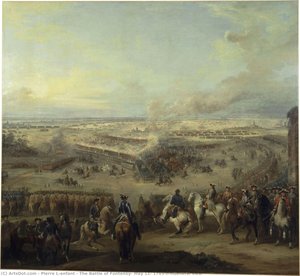
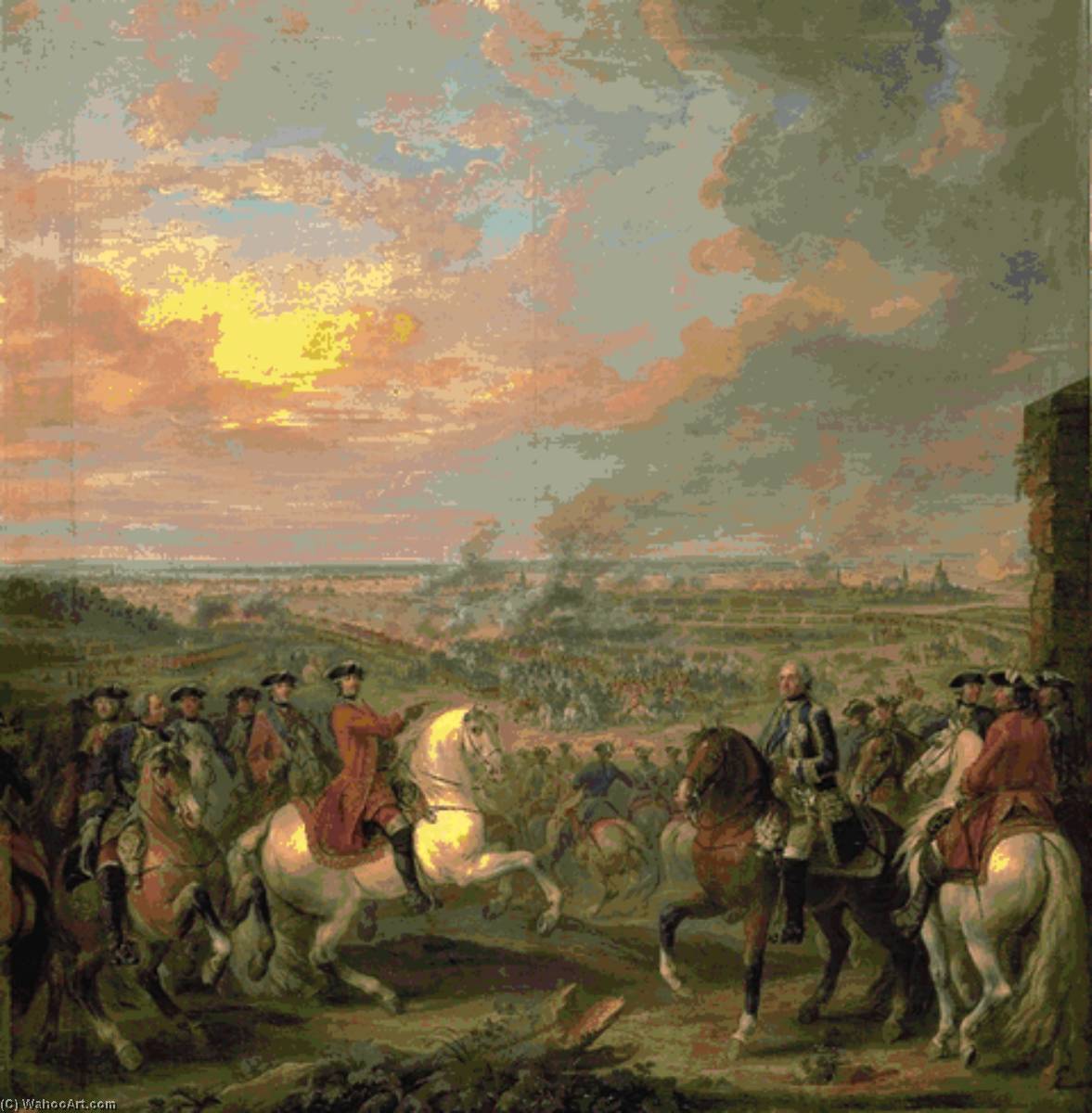
EPISODE DU COMBAT DE MELLE.1745 DIT AUTREFOIS BATAILLE DE FONTENOY


 Ver más
Giclée / Impresión de arte
Impresiones giclée o en lienzo de calidad de museo con producción rápida y opciones de acabado flexibles. ( Comprar pintura hecha a mano Comprar imagen)




P118B $10

P118H $10

P118W $10

P438Z $10

P508JH $12

P508YH $12

P805H $10

P805Z $10

P919BZ $10

P919G $10

P919XJ $10

P959ZH $10

P968JZ $12

W106C $8

W218G $10

W218JH $8

W218Y $10

W307PJ $10

W316G $10

W316PJ $8

W316Y $10

W398PJ $8

W4111J $10

W500HY $15

W500JH $15

W692G $12

W849H $8

W940BG $15

W953PJ $8




Elija entre nuestros tamaños predefinidos que respetan las proporciones originales de la obra.

Puede introducir sus propias dimensiones para adaptarse a un marco o espacio específico. Si el tamaño seleccionado no coincide con las proporciones de la imagen original, recortaremos la obra de arte o extenderemos la imagen con un borde con efecto espejo o de color sólido. Se enviará una maqueta digital para su aprobación antes de que comience la producción.
Tenga en cuenta que la vista previa en pantalla no refleja el recorte o la extensión real. Solo la maqueta mostrará con precisión la composición final.
Aunque existen tamaños personalizados, recomendamos seleccionar una dimensión de la lista predefinida para preservar las proporciones originales.
Envío a todo el mundo () en 2 semanas en lugar de las 4/5 semanas estándar. (25 agosto)

Envío exprés gratuito a todo el mundo

Lienzo de lino de alta calidad

Seguro de envío total

Garantía de reembolso de impuestos aduaneros

Garantía de fidelidad cromática exacta

Política de devolución de 60 días (solo por defectos)

Garantía de devolución del 100% del dinero

Descuento por cantidad
 La opción de vidrio solo está disponible en tamaños inferiores a 110 cm.

EPISODE DU COMBAT DE MELLE.1745 DIT AUTREFOIS BATAILLE DE FONTENOY
Giclée / Impresión de arte
Dimensiones de la reproducción
-


Precio total final
$ 62
Descripción de la pieza
A Vision of Valor: Pierre L'Enfant’s “Episode du Combat de Melle.1745”
The painting "Episode du Combat de Melle.1745," also known as the Battle of Fontenoy, stands as a monumental testament to Pierre Charles L’Enfant’s artistic prowess and his pivotal role in shaping the landscape of Washington D.C., though it predates the city's formal establishment by several decades. Executed around 1771, this dramatic depiction captures a moment frozen in time—the fervent anticipation preceding a decisive clash between French and Prussian armies during the Seven Years’ War. More than just a historical record, L’Enfant’s masterpiece embodies the spirit of Enlightenment idealism and reflects his profound understanding of military strategy interwoven with artistic expression.- Subject Matter: The scene portrays a battlefield tableau—a squadron of French cavalry charging into action against Prussian forces. The artist meticulously rendered the dynamism of movement, conveying the urgency and intensity of the impending battle.
- Style & Technique: L’Enfant adhered to the principles of Neoclassicism, drawing inspiration from classical sculpture and architecture. His brushstrokes are deliberate and controlled, prioritizing clarity and precision—a hallmark of the style—to achieve a sense of grandeur and solemnity. The palette is muted yet impactful, utilizing earthy tones to emphasize the seriousness of the subject matter.
- Historical Context: Fontenoy was a crucial engagement in the larger conflict between Britain and France for dominance over Europe. L’Enfant's painting served as a visual chronicle of this pivotal moment, reflecting the anxieties and aspirations of the era. It speaks to the broader narrative of colonial ambition and the struggle for national identity.
- Symbolism: The central figure—a French officer astride a white horse—represents leadership and courage amidst adversity. The horse itself symbolizes nobility and strength, mirroring the ideals of republican virtue championed during the American Revolution. L’Enfant skillfully employed visual cues to communicate these concepts, elevating the painting beyond mere depiction into a statement about moral fortitude.
- Emotional Impact: Viewing “Episode du Combat de Melle.1745” evokes feelings of awe and contemplation. The artist's masterful composition compels the viewer to confront the realities of warfare while simultaneously celebrating human resilience—a duality that underscores L’Enfant’s artistic vision.
Obras relacionadas

Biografía del artista
A Life Bridging Worlds: Pierre Charles L'Enfant and the Birth of a Capital
Pierre Charles L’Enfant, a name often synonymous with the grand design of Washington, D.C., was far more than just an architect or city planner. Born in Paris on August 2, 1754, into a family steeped in artistic tradition – his father, Pierre L'Enfant, served as a painter to King Louis XV – young Charles’s early life unfolded amidst the elegance and intellectual ferment of pre-revolutionary France. He received a rigorous education at the Royal Academy in the Louvre, honing his skills not only in painting but also in engraving and architecture under his father’s tutelage. This formative experience instilled within him a profound appreciation for classical aesthetics and established the foundation for his future artistic endeavors.Early Artistic Training and Military Service
L’Enfant's artistic inclinations were nurtured by his father, Pierre L'Enfant (1704-1787), who was renowned for his panoramic paintings of military battles—a tradition that would continue to inspire L’Enfant throughout his life. Marie Charlotte Leullier, his mother, provided a stable home environment and instilled in him values of diligence and perseverance. Recognizing the importance of practical skills alongside artistic pursuits, he pursued formal training at the Royal Academy, mastering techniques essential for both painting and architectural design. However, fate intervened swiftly when the American colonies erupted into rebellion against British rule. Drawn to the burgeoning spirit of liberty and self-governance, L’Enfant volunteered as an engineer with Major General Lafayette—a pivotal decision that would propel him onto the stage of American history. He bravely served during the Siege of Savannah in 1779, sustaining injuries but demonstrating unwavering resilience. Subsequently, he continued to champion Washington's cause during the remainder of the Revolutionary War, earning the respect of his fellow officers and solidifying his commitment to the nascent nation’s ideals. His military service wasn’t merely a duty; it was an immersion in the crucible of revolution—a formative period that profoundly shaped his worldview.Designing Washington: A Vision for the Future
The culmination of L'Enfant’s artistic and engineering talents arrived with the commission to design the new capital city, Washington, D.C., following the relocation from Philadelphia. Embracing the influence of European Baroque and Neoclassical styles—a deliberate choice reflecting his academic training—he conceived a plan that transcended mere practicality; it was an assertion of republican virtue. Collaborating closely with Andrew Ellicott and Benjamin Banneker, L’Enfant meticulously crafted a blueprint for a city that would embody the principles of enlightenment and inspire awe. The resulting design—characterized by grand avenues radiating from central circles and squares—was revolutionary for its time, prioritizing civic grandeur and harmonious integration with natural landscapes. It stands as an enduring testament to L'Enfant’s genius—a symbol of American aspiration and a cornerstone of modern urban planning.Beyond the Capital: Artistic Legacy and Recognition
L’Enfant’s artistic output extended beyond Washington, D.C., encompassing portraits of prominent figures like George Washington, capturing their likenesses with remarkable accuracy and conveying their character through subtle gestures and expressions. He also produced numerous pencil sketches documenting scenes from daily life—a meticulous record of the American experience during the early republic. Furthermore, he designed coins and medals commemorating significant events, demonstrating his versatility as an artist and his dedication to celebrating national achievements. Despite facing financial hardships in his later years and enduring personal challenges—including a protracted legal battle with Richard Soderstrom—L’Enfant remained steadfast in his belief that he deserved compensation for his invaluable contributions to the nation's founding. His unwavering perseverance ultimately yielded recognition from his contemporaries, securing him a professorship at West Point and culminating in a solemn funeral ceremony at Arlington National Cemetery—a fitting tribute to a man who had bridged worlds and indelibly shaped the destiny of America.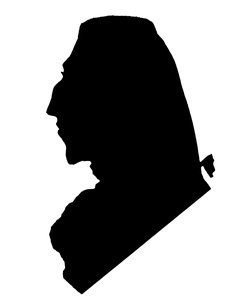
Pierre Charles L'Enfant
1754 - 1825 , Francia
Datos clave
- Artistic Movement Or Style: Neoclasicismo
- Artists Or Movements Influenced By This Artist:
- Ciudad planificación
- Arquitectura estadounidense
- Artists Who Influenced This Artist: ["Pierre L'Enfant (padre)"]
- Date Of Birth: August 2, 1754
- Date Of Death: 1825
- Full Name: Pierre Charles L'Enfant
- Nationality: Francés-Americano
- Notable Artworks:
- Plan L'Enfant
- Retratos de Washington
- Diseño de Federal Hall
- Place Of Birth: Paris, France
Artículos relacionados

Renoir: Las 25 Obras Maestras del Impresionismo para Decorar tu Hogar con Arte
Descubre las 25 obras maestras de Renoir, el rey del impresionismo. Explora su técnica, historia y significado en cada pintura. Encuentra reproducciones de arte de alta calidad para decorar tu hogar con ArtsDot.com.

Georges Seurat: Las 25 Obras Maestras del Pionero Puntillista | ArtsDot
Descubre las 25 obras maestras de Georges Seurat, el innovador del puntillismo. Explora su técnica única, colores vibrantes y legado artístico en ArtsDot.com. Reproducciones de arte de museo para tu hogar.
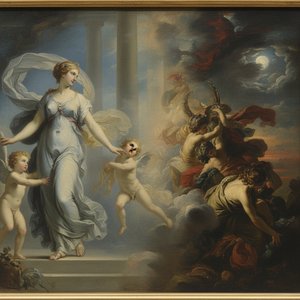
Pierre-Paul Prud'hon: Exploring Neoclassical Sensibility & Romantic Precursors
Explore the captivating world of Pierre-Paul Prud'hon, a pivotal French painter bridging Neoclassicism & Romanticism. Discover his allegorical masterpieces and lasting influence on 19th-century art history.
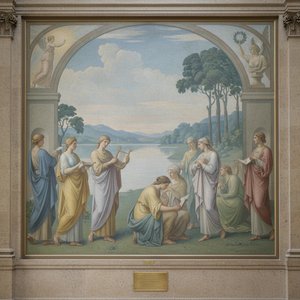
Pierre Puvis de Chavannes: Symbolism, Mural Painting, and the Pursuit of Ideal Beauty
Explore the life & work of Pierre Puvis de Chavannes, a pivotal Symbolist painter renowned for his monumental murals. Discover his aesthetic principles, key artworks like 'Hope,' and lasting influence on modern art. A deep dive into 19th-century French painting.
Las 25 Obras Maestras del DIA de Detroit: Arte, Historia y Decoración Inspiradora
Descubre las 25 obras maestras del Instituto de Arte de Detroit: Van Gogh, Monet, Rembrandt y más. Historias fascinantes, técnicas innovadoras y arte para inspirar tu hogar. Reproducciones de alta calidad en ArtsDot.com.