 Vista previa
 Compartir
 Compartir
 Ver detalles

 Descargar
 Ver similares
 Radiografía
 Presentación de diapositivas
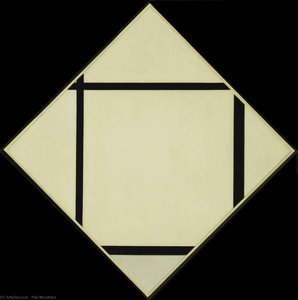
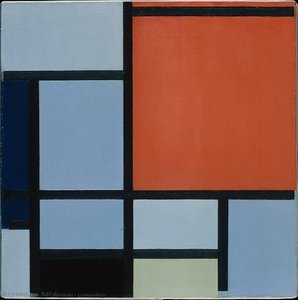
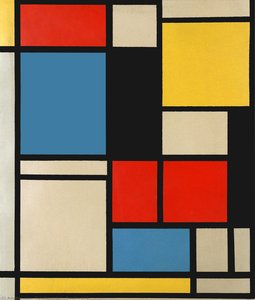
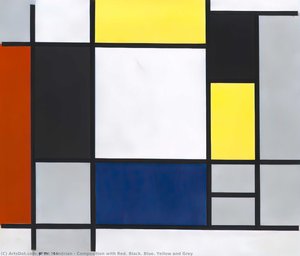
25 Lozenge Composition con Rojo, Gris, Azul, Amarillo y Negro


 Leer más
Reproducción al óleo hecha a mano
Óleo sobre lienzo pintado a mano en el tamaño y marco de su elección, realizado por encargo por nuestros artistas. ( Pedir impresión Comprar descarga)




P118B $10

P118H $10

P118W $10

P438Z $10

P508JH $12

P508YH $12

P805H $10

P805Z $10

P919BZ $10

P919G $10

P919XJ $10

P959ZH $10

P968JZ $12

W106C $8

W218G $10

W218JH $8

W218Y $10

W307PJ $10

W316G $10

W316PJ $8

W316Y $10

W398PJ $8

W4111J $10

W500HY $15

W500JH $15

W692G $12

W849H $8

W940BG $15

W953PJ $8




Elija entre nuestros tamaños predefinidos que respetan las proporciones originales de la obra.

Puede ingresar sus propias dimensiones para adaptarse a un marco o espacio específico. Si el tamaño seleccionado no coincide con las proporciones de la imagen original, recortaremos la obra o extenderemos la pintura con elementos adicionales pintados a mano. Se le enviará una maqueta digital para su aprobación antes de comenzar la producción.
Tenga en cuenta que la vista previa en pantalla no refleja el recorte o la extensión reales. Solo la maqueta mostrará con precisión la composición final.
Si bien existen tamaños personalizados, recomendamos seleccionar una dimensión de la lista predefinida para preservar las proporciones originales.
Tras realizar el pedido, el equipo de ArtsDot.com enviará un correo electrónico al cliente para solicitar instrucciones y proporcionarle una vista previa del boceto.
Envío a todo el mundo () en 3-4 semanas en lugar de las 5 semanas estándar. (21 agosto). Sin comprometer la calidad.

Envío exprés gratuito a todo el mundo

Lienzo de lino de alta calidad

Seguro de envío completo

Garantía de reembolso de aranceles aduaneros

Garantía de fidelidad cromática exacta

Política de devolución de 60 días (solo por defectos)

Garantía de devolución del 100% del dinero

Oferta por volumen
 La opción de vidrio solo está disponible en tamaños inferiores a 110 cm.

25 Lozenge Composition con Rojo, Gris, Azul, Amarillo y Negro
Técnica de reproducción
Tamaño de la reproducción
-


Precio total
$ 263
Descripción de la obra
A Universe in Geometry: Deconstructing Piet Mondrian’s ‘25 Lozenge Composition with Red, Gray, Blue, Yellow, and Black’
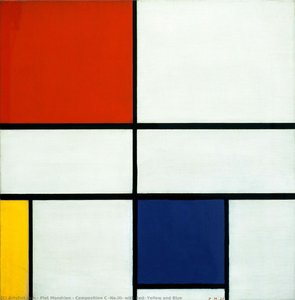
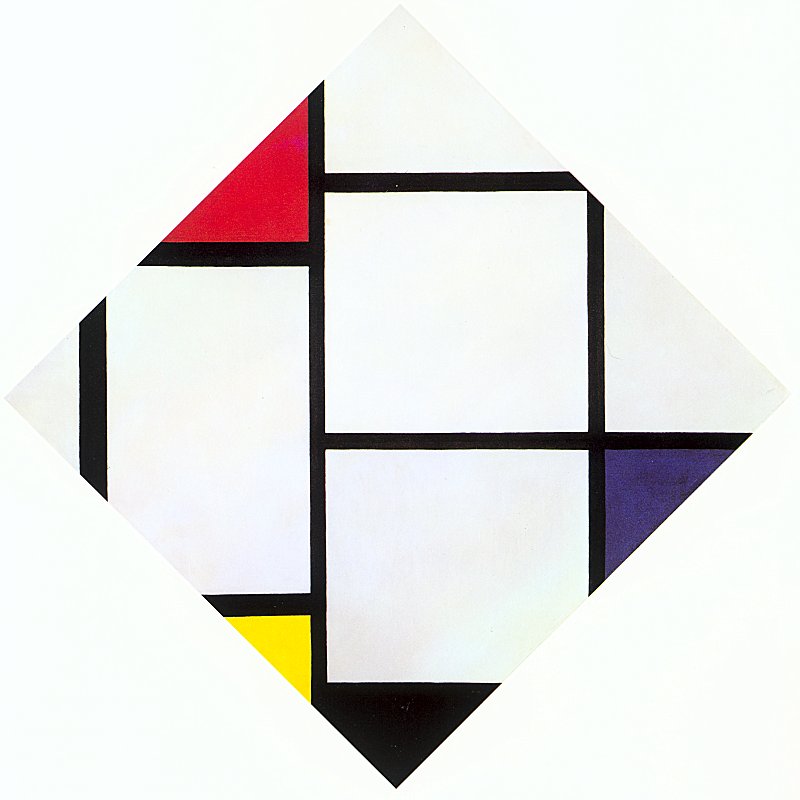
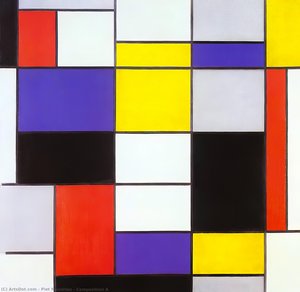
Piet Mondrian's ‘25 Lozenge Composition with Red, Gray, Blue, Yellow, and Black’ is not merely a painting; it is a visual manifesto. Emerging from the crucible of early 20th-century artistic experimentation, this work embodies the core tenets of Neoplasticism – an aesthetic philosophy that sought to distill reality down to its most fundamental components: straight lines, primary colors, and a harmonious balance achieved through asymmetrical arrangements. To gaze upon it is to enter a world stripped bare of representational pretense, a realm where color and form exist in pure, unadulterated expression.
The Genesis of an Aesthetic Revolution
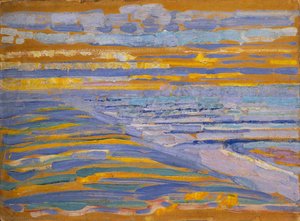
Born from Mondrian’s profound spiritual quest and his engagement with the burgeoning avant-garde scene in Paris, particularly Cubism, Neoplasticism represented a radical departure from traditional artistic concerns. Mondrian wasn't simply interested in *what* he painted, but *how*. He believed that by reducing art to its essential elements, he could express universal harmonies and reveal underlying spiritual truths. The move towards abstraction was not arbitrary; it was a deliberate process of elimination, shedding the superfluous to arrive at a purer form of visual communication. His earlier explorations in landscapes and Impressionism served as crucial stepping stones, gradually leading him away from depicting the external world toward constructing an internal one governed by logic and balance. The lozenge format itself – a diamond shape rotated within the square canvas – was a deliberate choice, rejecting the conventional rectangular frame and introducing a dynamic tension that further destabilizes any sense of static order.
A Symphony of Lines and Color
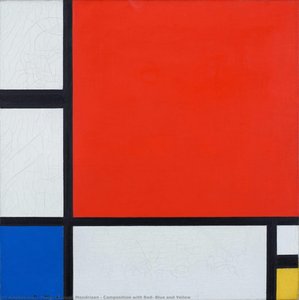
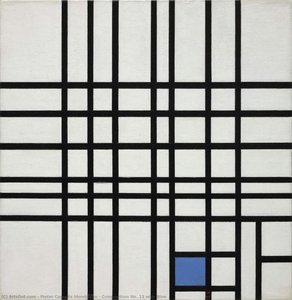
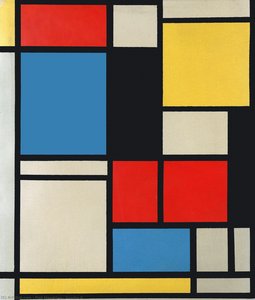
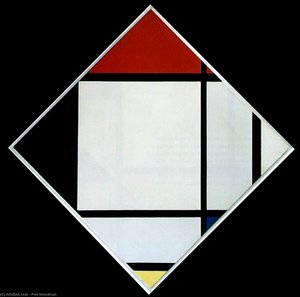
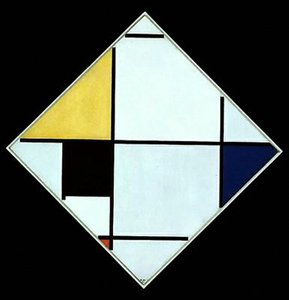
The composition is deceptively simple yet profoundly complex. Black lines, precise and unwavering, carve out a grid-like structure across the canvas, defining rectangles and squares of varying sizes. Within these geometric boundaries reside blocks of primary colors – red, yellow, and blue – alongside areas of white, gray, and black. There’s no blending, no shading, no attempt to mimic naturalistic light or texture. Each color is applied flatly, boldly asserting its presence within the composition. This deliberate lack of modulation creates a sense of clarity and intellectual rigor. The arrangement isn't symmetrical; instead, Mondrian masterfully employs an asymmetrical balance, creating visual interest and preventing the work from feeling rigid or predictable. The eye dances across the canvas, guided by the interplay of lines and colors, constantly seeking equilibrium within the deliberate imbalance.
Beyond the Visual: Symbolism and Emotional Resonance
While seemingly devoid of subject matter in the traditional sense, ‘25 Lozenge Composition’ is rich with symbolic meaning. The horizontal and vertical lines are often interpreted as representing opposing forces – masculine and feminine, static and dynamic – striving for harmony. The primary colors, unmixed and pure, symbolize fundamental energies and universal truths. Mondrian believed that through this reduction to essentials, he could transcend the particular and access a realm of spiritual universality. The emotional impact is one of serene order, intellectual clarity, and quiet contemplation. It’s not a painting designed to evoke dramatic passion or narrative storytelling; rather, it invites viewers to engage in a meditative experience, to find peace within its carefully constructed geometry, and to contemplate the underlying principles that govern our world. The enduring appeal of Mondrian's work lies in its ability to offer a sense of calm amidst chaos, a visual sanctuary in an increasingly complex world.
Technical Considerations: Mastering Minimalism
Mondrian’s technique was characterized by meticulous precision and unwavering dedication to his aesthetic vision. He employed oil paints on canvas with painstaking care, applying them thinly and evenly across the surface. The absence of brushstrokes is deliberate; Mondrian sought to eliminate any visible marks of artistic intervention, believing that they obscured the purity of form and color. Instead, he achieved a smooth, matte finish through careful layering and blending techniques—though these were minimized to achieve maximum impact.
The black lines defining the grid are executed with exceptional accuracy, utilizing brushes of consistent size and pressure. These lines are straight and unwavering, reflecting Mondrian’s commitment to geometric abstraction. The orientation of the lines contributes significantly to the overall balance of the composition, creating a dynamic tension that underscores the underlying harmony.
The color blocks—red, yellow, blue—are applied flatly without blending or shading. Each color is presented in its purest form, maximizing its visual intensity and conveying its symbolic significance. Mondrian’s meticulous attention to detail ensured that every element of the painting served a specific purpose within his broader conceptual framework.
Historical Context: Embracing De Stijl
‘25 Lozenge Composition’ emerged from the influential artistic movement known as De Stijl (The Style), founded by Mondrian and Theo van Doesburg in 1917. This movement championed a radical simplification of art, advocating for the use of only geometric forms—primarily squares and rectangles—and primary colors—red, yellow, and blue—along with black and white. De Stijl’s aesthetic principles were rooted in spiritual philosophy, reflecting Mondrian's belief that art could express universal harmonies and transcend earthly concerns.
Influenced by Cubism’s fragmentation of form and Cézanne’s exploration of spatial relationships, Mondrian sought to synthesize these approaches into a new visual language. He rejected representational imagery altogether, prioritizing abstraction as a means of conveying spiritual truth. De Stijl's impact extended beyond painting, influencing architecture, design, and typography—establishing a distinctive aesthetic that continues to inspire artists and designers today.
Mondrian’s unwavering dedication to his artistic vision solidified his legacy as one of the most important figures in modern art. His uncompromising pursuit of geometric purity and color harmony remains relevant to contemporary discussions about aesthetics and visual communication, demonstrating the enduring power of minimalist abstraction.
Obras relacionadas
Biografía del artista
**vida temprana y carrera en los Países Bajos (1872-1911)**
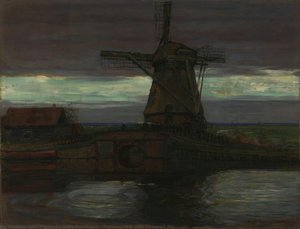
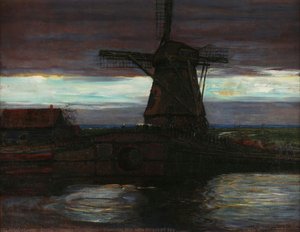
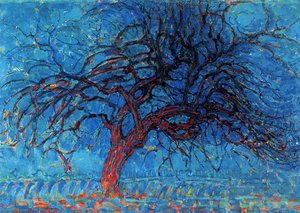
pieter cornelis mondriaan, conocido a partir de 1911 como piet mondrian, fue un pintor y teórico del arte holandés nacido el 7 de marzo de 1872, en Amersfoort, Países Bajos. Comenzó su carrera como maestro en educación primaria mientras practicaba la pintura, inicialmente en el estilo impresionista holandés de la Escuela de Ámsterdam.- Su obra temprana, caracterizada por paisajes naturalistas, se puede ver en pinturas como the red mill y trees in moonrise, que se exhibieron en el kunstmuseum den haag.
- La búsqueda de Mondrian por parte de un estilo personal lo llevó a explorar diversos movimientos artísticos, incluyendo el puntillismo y el fauvismo.
- Su primera exposición en 1893 marcó el comienzo de su prolífica carrera.
**la evolución del estilo de Mondrian**
de figurativo a abstracto La dirección artística de Mondrian se desplazó hacia un estilo cada vez más abstracto, culminando en una forma no representacional que llamó neoplasticismo. Esta 'arte plástico puro' tenía como objetivo crear 'belleza universal', limitando su vocabulario formal a los colores primarios (rojo, azul y amarillo), valores (negro, blanco y gris) y direcciones (horizontal y vertical).- Ejemplos de este estilo se pueden ver en pinturas como composition with yellow patch (46 x 46 cm, neoplasticismo, óleo sobre lienzo).
- La obra de Mondrian tuvo una enorme influencia en el arte del siglo XX, impactando no solo la pintura abstracta sino también el diseño, la arquitectura y la moda.
**legado e influencia**
El legado de Mondrian se extiende más allá de su propia obra, influyendo en estilos y movimientos importantes como la pintura de campo de color, el expresionismo abstracto y el minimalismo. El historiador del diseño stephen bayley señaló que Mondrian se ha convertido en un símbolo para todo lo que el modernismo pretendía ser.- Explore más de la obra de Mondrian en ArtsDot.com.
- Aprenda sobre el movimiento De Stijl y su influencia en el arte moderno en wikipedia.
- Descubra otros artistas influyentes como vincent van gogh y su impacto en el mundo del arte.
**obras clave y exposiciones**
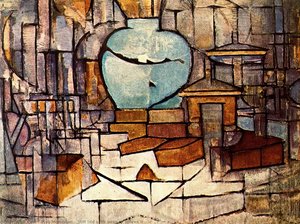
* piet mondrian: apple blossom (cubismo) (ver en ArtsDot.com) * piet mondrian: still life with vase of spices ii (cubismo) (ver en ArtsDot.com) * piet mondrian: passionflower (73 x 48 cm, kunstmuseum den haag, post impressionismo, acuarela) (ver en ArtsDot.com)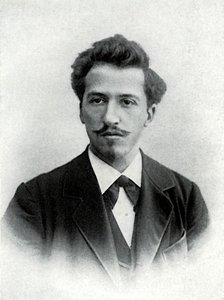
Piet Mondrian
1872 - 1944 , Países Bajos
Datos clave
- Artistas Que Influyeron:
- Hague School
- Puntillismo
- Fauvismo
- Cubismo
- Estilo Artístico: Neoplasticismo, De Stijl
- Fecha De Nacimiento: 7 de marzo de 1872
- Influenciado A Artistas:
- Expresionismo abstracto
- Minimalismo
- Color Field painting
- Lugar De Nacimiento: Amersfoort, Países Bajos
- Nacionalidad: Holandés
- Nombre Completo: Piet Mondrian
- Obras Notables:
- Nueva York I
- Composición con Rojo, Azul y Amarillo
- Broadway Boogie Woogie
- Tableau no. 2
Artículos relacionados

Abstracción Geométrica: 10 Obras Maestras que Transformaron el Arte Moderno | ArtsDot
Descubre las 10 obras maestras de la abstracción geométrica que revolucionaron el arte moderno. Explora a Mondrian, Malevich y Kandinsky en ArtsDot.com. Reproducciones de alta calidad para tu hogar.
Theo van Doesburg: Pioneering De Stijl & the Evolution of Neo-Plasticism
Explore the revolutionary De Stijl movement & Neo-Plasticism with our expert guide. Discover Piet Mondrian, Theo van Doesburg, and the lasting impact of this influential art style. Learn about collecting & investing in De Stijl masterpieces.
Más Allá de la Forma: Explorando los Fundamentos Filosóficos de la Abstracción Geométrica
Descubre los fundamentos filosóficos de la abstracción geométrica. Explora el suprematismo de Malévich y el neoplasticismo de Mondrian, su impacto en el arte moderno y su legado perdurable. Análisis experto.

Solicitudes Comerciales
APS ofrece reproducciones de bellas artes y encargos personalizados desde 2004. Confían en nosotros corporaciones, hoteles y coleccionistas selectos para obras de arte de calidad museística, servicio discreto y soluciones artísticas completas. ¡Póngase en contacto con nosotros para obtener un presupuesto personalizado!
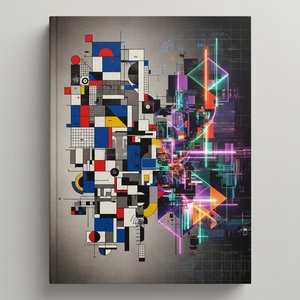
Beyond Form & Color: Geometric Abstraction's Evolution in 20th/21st Century Art
Explore the evolution of geometric abstraction from Cubism to contemporary art. Discover key artists like Malevich & Mondrian, investment insights, and expert collecting advice at ArtsDot.