 Ver en contexto
 Enviar
 Compartir
 Detalles

 Descargar
 Similares
 Radiografía
 Presentación de diapositivas
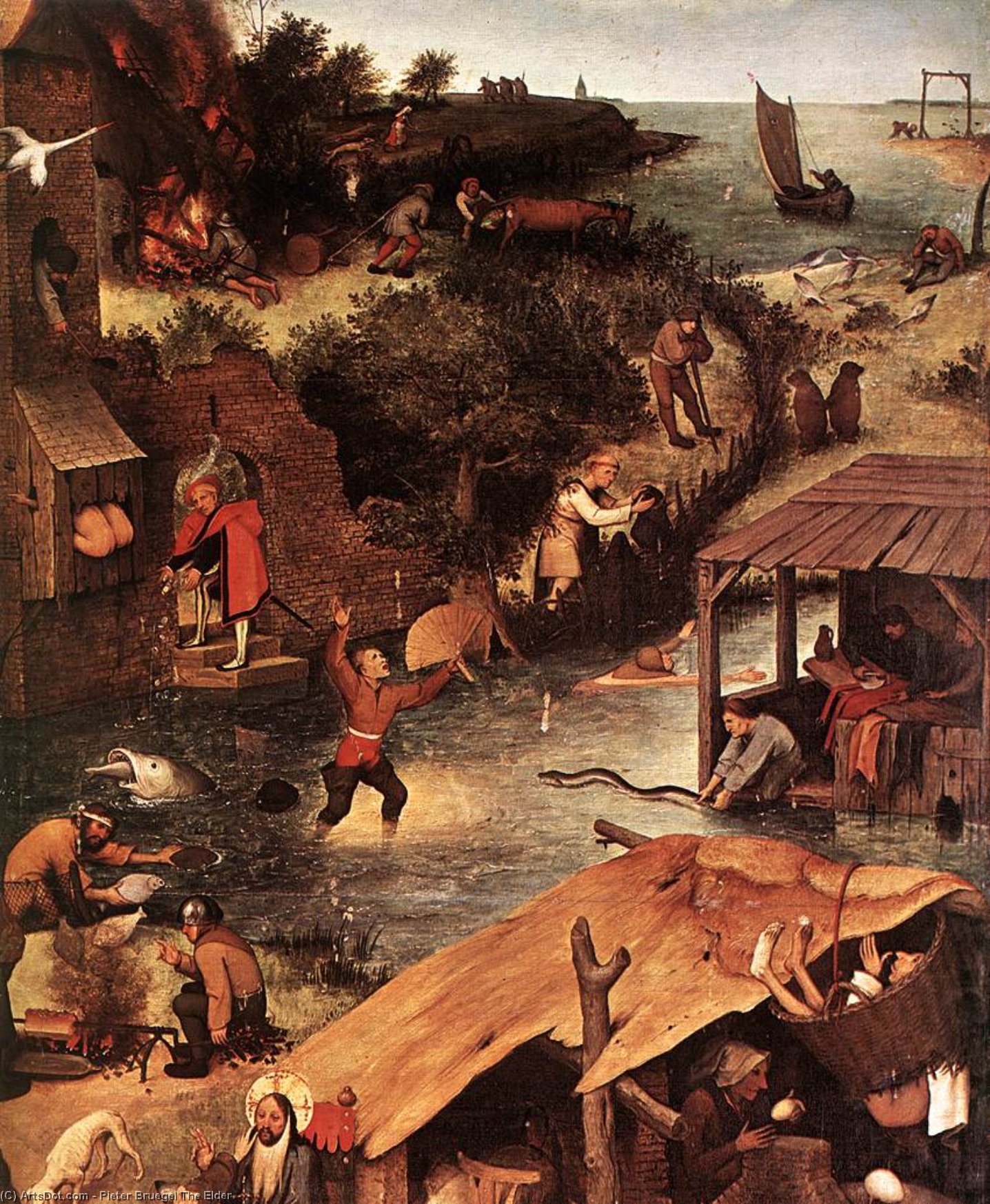
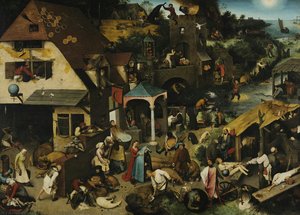
Netherlandish Proverbs (detail)


 Ver más
Reproducción al óleo hecha a mano
Óleo sobre lienzo pintado a mano en el tamaño y marco de su elección, realizado por encargo por nuestros artistas. ( Comprar impresión Comprar imagen)




P118B $10

P118H $10

P118W $10

P438Z $10

P508JH $12

P508YH $12

P805H $10

P805Z $10

P919BZ $10

P919G $10

P919XJ $10

P959ZH $10

P968JZ $12

W106C $8

W218G $10

W218JH $8

W218Y $10

W307PJ $10

W316G $10

W316PJ $8

W316Y $10

W398PJ $8

W4111J $10

W500HY $15

W500JH $15

W692G $12

W849H $8

W940BG $15

W953PJ $8




Elija entre nuestros tamaños predefinidos que respetan las proporciones originales de la obra.

Puede ingresar sus propias dimensiones para adaptarse a un marco o espacio específico. Si el tamaño seleccionado no coincide con las proporciones de la imagen original, recortaremos la obra o extenderemos la pintura con elementos adicionales pintados a mano. Se le enviará una maqueta digital para su aprobación antes de comenzar la producción.
Tenga en cuenta que la vista previa en pantalla no refleja el recorte o la extensión reales. Solo la maqueta mostrará con precisión la composición final.
Si bien existen tamaños personalizados, recomendamos seleccionar una dimensión de la lista predefinida para preservar las proporciones originales.
Tras realizar el pedido, el equipo de ArtsDot.com enviará un correo electrónico al cliente para solicitar instrucciones y proporcionarle una vista previa del boceto.
Envío a todo el mundo () en 3-4 semanas en lugar de las 5 semanas estándar. (29 agosto). Sin comprometer la calidad.

Envío exprés gratuito a todo el mundo

Lienzo de lino de alta calidad

Seguro de envío total

Garantía de reembolso de impuestos aduaneros

Garantía de fidelidad cromática exacta

Política de devolución de 60 días (solo por defectos)

Garantía de devolución del 100% del dinero

Descuento por cantidad
 La opción de vidrio solo está disponible en tamaños inferiores a 110 cm.

Netherlandish Proverbs (detail)
Técnica de reproducción
Dimensiones de la reproducción
-


Precio total final
$ 263
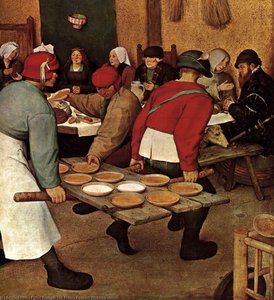
A Window Into Flemish Life: Pieter Bruegel’s “The Peasant Wedding”
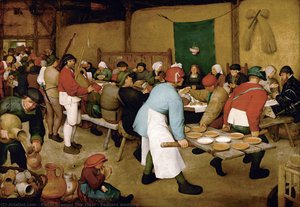
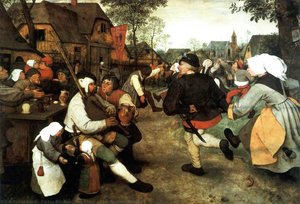
Pieter Bruegel the Elder's "The Peasant Wedding," completed in 1569, stands as a monumental achievement of Northern Renaissance art—a vibrant tableau that transcends mere depiction to deliver profound commentary on societal values and human experience. Painted during a period marked by religious anxieties and economic hardship, this masterpiece captures not just an event but the very essence of rural Flemish society, cementing Bruegel’s reputation as one of the foremost genre painters of his era.- Subject Matter: The painting portrays a wedding celebration in a humble peasant village—a scene brimming with detail and observation that eschews idealized representations for unflinching realism. Guests arrive at varying times, driven by diverse motivations – some eager to greet the newlyweds, others preoccupied with personal affairs, while still others simply aimlessly wander through the festivities.
- Style: Bruegel’s style is characterized by its meticulous attention to detail and its masterful use of perspective. Unlike the polished surfaces favored by Italian Renaissance artists, his canvases retain a palpable texture—a deliberate choice that reflects the materiality of everyday life and reinforces the painting's grounding in observation.
Technique: Oil Paint on Canvas – A Symphony of Color and Texture
Bruegel employed oil paint on canvas, a technique perfected during this period which allowed for unparalleled luminosity and tonal range. Layers upon layers of pigment were applied with painstaking precision—a process demanding considerable skill and patience. The artist skillfully manipulated color to convey mood and emotion, utilizing earthy hues alongside brighter shades to illuminate the scene and draw the viewer’s eye into its complex narrative.Historical Context: Reformation Anxiety and Societal Reflection
“The Peasant Wedding” emerged during a turbulent time—the height of the Protestant Reformation in Flanders. The painting serves as a subtle critique of religious dogma and social hierarchy, presenting a snapshot of rural life untouched by grand pronouncements or formal ceremonies. Bruegel’s depiction underscores the importance of community bonds and familial traditions—values that resonated deeply with viewers grappling with existential questions about faith and morality.Emotional Impact: Capturing the Complexity of Human Experience
Ultimately, “The Peasant Wedding” succeeds in conveying a profound emotional resonance—a poignant portrayal of ordinary life imbued with humor, pathos, and wisdom. Bruegel’s masterful composition captures not just what is seen but what is felt—inviting viewers to engage with the painting on an intellectual and affective level. It remains a testament to the enduring power of art to illuminate human nature and celebrate the beauty found within the commonplace.A stunning reproduction of “The Peasant Wedding” brings this iconic artwork into your home, allowing you to appreciate Bruegel’s unparalleled skill and his timeless vision. Explore ArtsDot for exceptional quality prints and framed canvases.
Obras relacionadas
Biografía del artista
vida temprana y formación
Pieter Brueghel el Viejo, una figura clave en la pintura renacentista, nació y creció en Breda, Bélgica, entre 1525 y 1530. Su maestro, Pieter Coecke van Aelst, era un pintor de Amberes que guió el desarrollo artístico temprano de Bruegel. Después de formarse con Coecke, Bruegel se convirtió en maestro independiente en la gremial de pintores de Amberes en 1551.contribuciones artísticas y estilo
La obra de Bruegel es reconocida por sus innovadoras elecciones de temas, centrándose en paisajes y escenas campesinas. Sus pinturas, como Paisaje con la huida a Egipto (37 x 55 cm, galerías Courtauld de Londres), demostraron su dominio del óleo sobre tabla. El estilo de Bruegel, caracterizado por el uso del claroscuro, creó una sensación de profundidad y realismo, haciendo que sus pinturas se sintieran inmersivas.obras notables y museos
* Paisaje de los Alpes (musée du Louvre, París), una obra ejemplar que muestra las habilidades de Bruegel en la pintura de paisajes. * Triptico (renacimiento del norte, óleo), un notable ejemplo del uso de óleo sobre tabla por parte de Bruegel. * Los Musée Royale de Beaux-Arts en Bruselas cuenta con una impresionante colección de más de 20.000 obras de arte, incluyendo obras de Bruegel.legado e influencia
La influencia de Bruegel en la pintura dorada holandesa y los desarrollos artísticos posteriores es innegable. Su obra ha inspirado a artistas tanto en las artes literarias como en el cine, con referencias a sus pinturas que aparecen en películas como Solaris (1972) y Melancolía (2011). Explore más obras de Bruegel en ArtsDot.com: [https://ArtsDot.com/@/pieter-bruegel-the-elder](https://ArtsDot.com/@/pieter-bruegel-the-elder)- Descubra las obras maestras del Musée Royale de Beaux-Arts (Bruselas, Bélgica): /es/art/show/art-d3cf2d-es/
- Aprenda más sobre la pintura neerlandesa temprana en Wikipedia: [https://en.wikipedia.org/wiki/early_netherlandish_painting](https://en.wikipedia.org/wiki/early_netherlandish_painting)
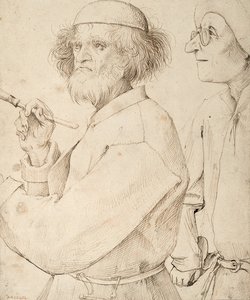
Pieter Bruegel el Viejo
1525 - 1569 , Bélgica
Datos clave
- Artistas Que Influyeron:
- Hieronymus Bosch
- Pieter Coecke van Aelst
- Estilo Artístico: Renacimiento Nórdico
- Fecha De Muerte: 1569
- Fecha De Nacimiento: c. 1525-1530
- Influencia Artística: Pintura dorada holandesa
- Lugar De Nacimiento: Breda, Bélgica
- Nacionalidad: Belga
- Nombre Completo: Pieter Bruegel el Viejo
- Obras Notables:
- Paisaje con la huida a Egipto
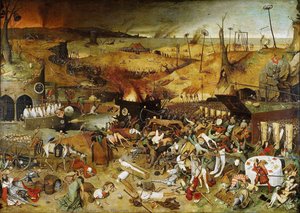
- El triunfo de la muerte
- Boda campesina
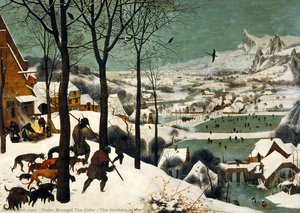
- Cazadores en la nieve
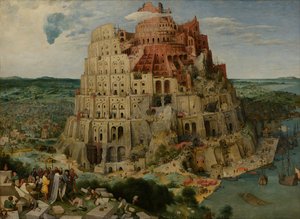
- La torre de Babel
Artículos relacionados
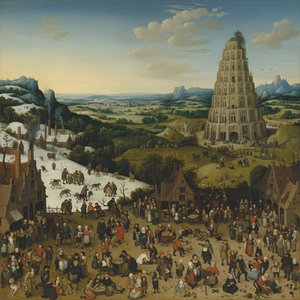
Pieter Bruegel the Elder: A Master of Genre, Landscape & Social Commentary
Explore the life & art of Pieter Bruegel the Elder, a pivotal figure of the Renaissance. Discover his groundbreaking genre scenes, symbolic landscapes, and lasting influence on art history. Learn more at ArtsDot.
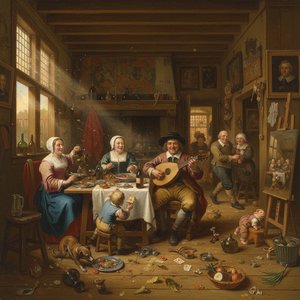
Jan Steen: A Master of Dutch Genre Painting & the Golden Age
Explore the life & art of Jan Steen, a leading Dutch Golden Age painter renowned for his humorous genre scenes & insightful social commentary. Discover his techniques, legacy, and collecting tips.
Pintura de Género Holandesa: Un Reflejo Íntimo de la Vida Cotidiana y los Valores Sociales del Siglo de Oro
Descubra la riqueza de la pintura de género holandesa del Siglo de Oro. Explore las obras maestras de Vermeer y Brueghel, su simbolismo y el reflejo de la vida cotidiana en esta época dorada. ¡Conozca más!

Reflejos de una Época Dorada: La Pintura Barroca Holandesa y la Innovación Cultural
Descubra la riqueza y el detalle de la pintura barroca holandesa del Siglo de Oro. Explore las obras maestras de Rembrandt, Vermeer y otros artistas clave. Análisis experto e historia cultural.
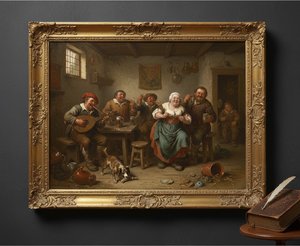
Adriaen van Ostade: A Master of Dutch Genre Painting & Social Commentary
Explore the life & work of Adriaen van Ostade, a leading Dutch Golden Age painter. Discover his realistic genre scenes, social commentary, and lasting influence on art history. Learn more at ArtsDot.