

 Ver en contexto
 Enviar
 Compartir
 Detalles

 Descargar
 Similares
 Radiografía
 Presentación de diapositivas
 Estadísticas
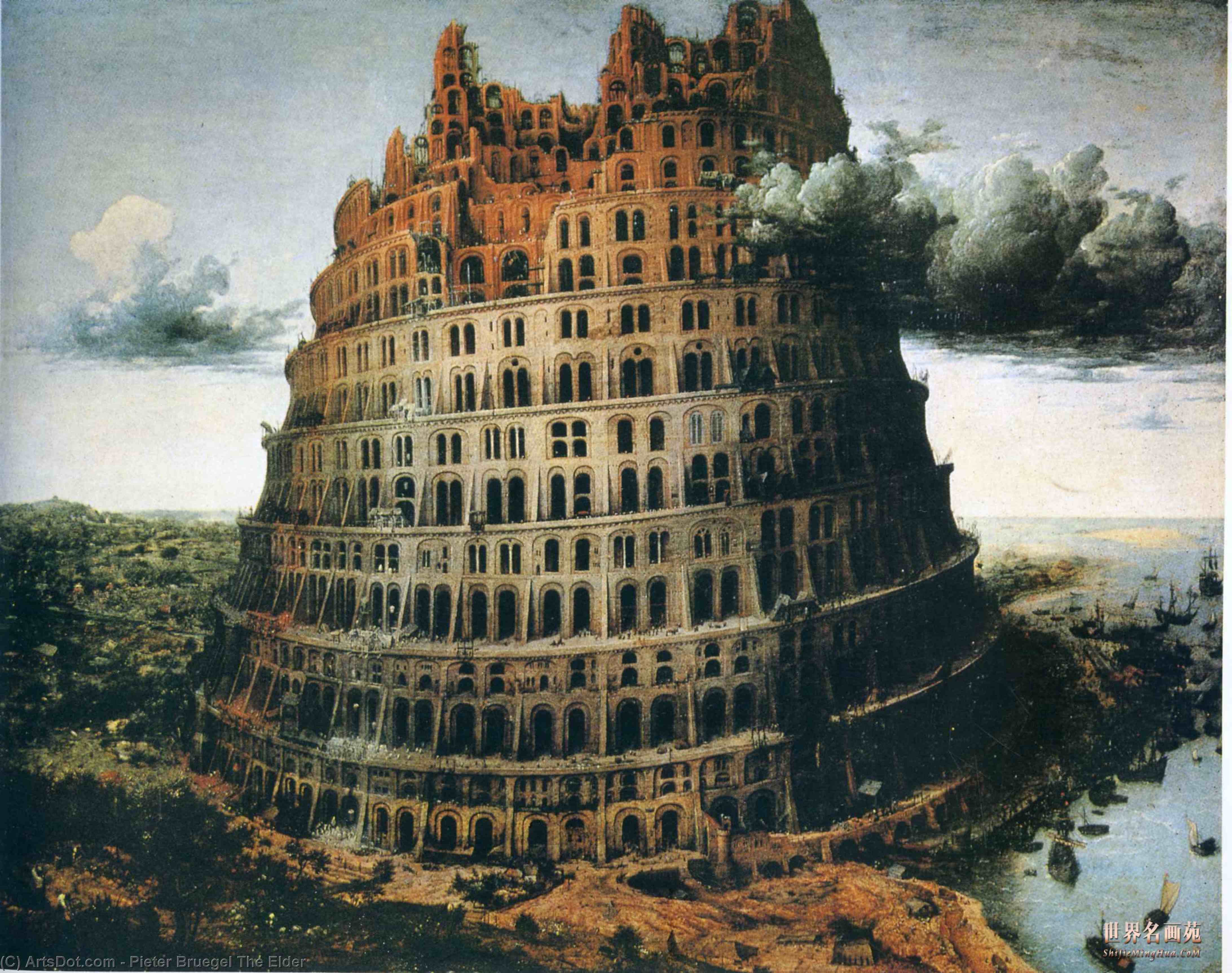
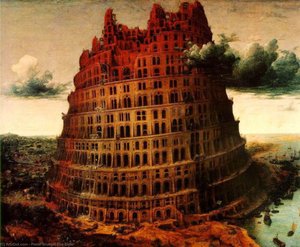
The ''Little'' Tower of Babel
 Acrylic
- WallArt
- Northern Renaissance
 1563
1563 60.0 x 74.0 cm
 Ver más
Adquiera una imagen digital de alta resolución y optimizada, muy superior a la vista previa en línea.
Cada archivo es preparado meticulosamente por nuestros especialistas internos mediante el uso de herramientas avanzadas y un experto retoque manual. Nos aseguramos de que cada imagen posea una claridad excepcional, una precisión cromática impecable y un detalle minucioso.
El archivo final se entrega por correo electrónico en un plazo de 72 horas, optimizado para su uso inmediato en entornos profesionales, editoriales y de impresión. Esta es la misma calidad en la que confían los estudios de diseño, las editoriales y las galerías de primer nivel.
Imagen Digital
Descarga un archivo de alta resolución para exhibición personal, impresión y proyectos creativos. ( Cambiar a Impresión Comprar pintura hecha a mano)
Incluido en cada pedido de imágenes digitales
Entrega digital experta, garantizada.
Al elegir ArtsDot.com, no solo está adquiriendo una imagen; está recibiendo una obra de arte digital mejorada profesionalmente, elaborada con precisión y respaldada por una garantía de satisfacción. Esto es todo lo que incluye su pedido, automáticamente:

Entrega rápida por email
Recibirá su archivo de imagen digital en alta resolución por correo electrónico en un plazo de 72 horas tras realizar su pedido, listo para su uso inmediato.

Archivo digital optimizado por IA
Su obra de arte se optimiza profesionalmente mediante herramientas avanzadas de IA y edición manual, garantizando el máximo detalle, claridad y precisión cromática.

Reenvío gratuito de por vida
¿Has borrado o perdido tu archivo por error? No te preocupes: te lo volveremos a enviar en cualquier momento, sin coste adicional.

Sin gastos de importación, siempre
Disfrute de su obra de arte al instante sin aduanas, aranceles ni gastos de envío; las descargas digitales siempre están libres de impuestos.

Garantía de fidelidad de color
Garantizamos que su imagen digital refleje los colores originales con la mayor fidelidad posible, mediante el uso de herramientas profesionales y gestión del color.

Garantía de satisfacción de 100 días
Si no está satisfecho con su imagen digital, la revisaremos o le reembolsaremos el 100% en un plazo de 100 días, sin preguntas.

100% Garantía de devolución de dinero
¿No está satisfecho? Obtenga un reembolso completo dentro de los 100 días posteriores a la recepción de su archivo digital, sin preguntas.

Descuentos por pedidos grandes
Compra 3 imágenes, ahorra 10% - Compra 5, ahorra 15% - Compra 10+, ahorra 20%. Ideal para proyectos creativos, galerías y agencias.
A Testament to Ambition and Divine Displeasure: Pieter Bruegel’s “The Little” Tower of Babel
Pieter Bruegel the Elder's "The Little" Tower of Babel, completed in 1563, stands as a poignant emblem of humanity’s aspirations for dominion intertwined with the inescapable consequences of pride and disobedience. Painted during a turbulent era marked by religious reformation and burgeoning artistic innovation—specifically transitioning away from the idealized grandeur of Italian Renaissance art—this monumental canvas transcends mere depiction; it delivers a profound meditation on biblical narrative and its enduring relevance to human experience.- Subject Matter: The painting vividly portrays the biblical tale recounted in Genesis 11, where humanity attempts to construct a tower reaching heavenward as an audacious challenge to God’s authority. This ambitious endeavor is thwarted by divine intervention—specifically, God confuses their languages, fracturing their unity and scattering them across the globe.
- Style: Bruegel's signature style – characterized by meticulous detail and earthy realism – distinguishes itself from the polished elegance of his contemporaries. He eschews idealized figures and grand compositions in favor of a grounded perspective that captures the everyday struggles and complexities of rural life, subtly elevating the biblical narrative to a universal commentary on human folly.
Technique: Observation and Precision – Bruegel’s Mastery of Oil Painting
Bruegel's masterful application of oil paint is evident in every brushstroke. He employs a technique known as *sfumato*, blurring edges and creating atmospheric haze, lending an air of realism to the scene. This meticulous attention to detail extends beyond mere visual accuracy; it reflects Bruegel’s deep understanding of light and shadow—elements he skillfully manipulates to convey emotion and heighten the drama of the narrative. The artist meticulously renders textures – from the rough stone of the tower to the weathered faces of the builders – demonstrating an unparalleled dedication to capturing the materiality of his subject.Historical Context: Reformation’s Shadow Over Flemish Art
The painting's creation coincided with the fervor of the Protestant Reformation, which profoundly impacted artistic sensibilities across Europe. While Bruegel remained largely agnostic himself, he absorbed the humanist spirit championed by reformers—a focus on earthly concerns and a rejection of scholastic dogma—influencing his portrayal of human behavior. The depiction of Babel isn’t simply a retelling of scripture; it's a reflection of anxieties surrounding papal authority and the fracturing social order that characterized the period.Symbolism: Layers of Meaning Beyond Literal Representation
Beyond its narrative core, “The Little” Tower of Babel is laden with symbolic significance. The tower itself represents humanity’s hubris—its presumption to usurp God's place in creation. The scattered boats symbolize the dispersal of humankind following divine judgment, highlighting the inevitable consequences of disobedience. Furthermore, Bruegel subtly incorporates elements of everyday life – farmers tending their fields, laborers constructing the tower – underscoring the universality of human experience and reminding viewers that even grand ambitions are ultimately subject to earthly limitations.Emotional Impact: A Quiet Lament for Lost Unity
Ultimately, Bruegel’s masterpiece evokes a palpable sense of melancholy. The painting doesn't celebrate triumph or grandeur; instead, it presents a sobering portrait of human folly and the futility of striving to transcend God’s will. Its muted palette—dominated by earthy browns and greens—contributes to this contemplative mood, inviting viewers to contemplate the enduring lessons embedded within the biblical story and prompting reflection on the importance of humility and acceptance.Obras relacionadas
![The Tower Of Babel [detail] — Pieter Bruegel El Viejo, Northern Renaissance Detail](/media/artworks/images-thumb/17/a4/17a4298f14401d3bc445894bc0ec1738.jpg)
Biografía del artista
vida temprana y formación
Pieter Brueghel el Viejo, una figura clave en la pintura renacentista, nació y creció en Breda, Bélgica, entre 1525 y 1530. Su maestro, Pieter Coecke van Aelst, era un pintor de Amberes que guió el desarrollo artístico temprano de Bruegel. Después de formarse con Coecke, Bruegel se convirtió en maestro independiente en la gremial de pintores de Amberes en 1551.contribuciones artísticas y estilo
La obra de Bruegel es reconocida por sus innovadoras elecciones de temas, centrándose en paisajes y escenas campesinas. Sus pinturas, como Paisaje con la huida a Egipto (37 x 55 cm, galerías Courtauld de Londres), demostraron su dominio del óleo sobre tabla. El estilo de Bruegel, caracterizado por el uso del claroscuro, creó una sensación de profundidad y realismo, haciendo que sus pinturas se sintieran inmersivas.obras notables y museos
* Paisaje de los Alpes (musée du Louvre, París), una obra ejemplar que muestra las habilidades de Bruegel en la pintura de paisajes. * Triptico (renacimiento del norte, óleo), un notable ejemplo del uso de óleo sobre tabla por parte de Bruegel. * Los Musée Royale de Beaux-Arts en Bruselas cuenta con una impresionante colección de más de 20.000 obras de arte, incluyendo obras de Bruegel.legado e influencia
La influencia de Bruegel en la pintura dorada holandesa y los desarrollos artísticos posteriores es innegable. Su obra ha inspirado a artistas tanto en las artes literarias como en el cine, con referencias a sus pinturas que aparecen en películas como Solaris (1972) y Melancolía (2011). Explore más obras de Bruegel en ArtsDot.com: [https://ArtsDot.com/@/pieter-bruegel-the-elder](https://ArtsDot.com/@/pieter-bruegel-the-elder)- Descubra las obras maestras del Musée Royale de Beaux-Arts (Bruselas, Bélgica): /es/art/show/art-d3cf2d-es/
- Aprenda más sobre la pintura neerlandesa temprana en Wikipedia: [https://en.wikipedia.org/wiki/early_netherlandish_painting](https://en.wikipedia.org/wiki/early_netherlandish_painting)
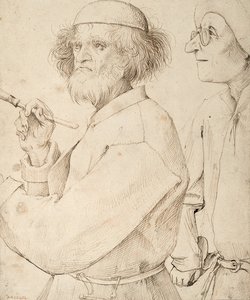
Pieter Bruegel el Viejo
1525 - 1569 , Bélgica
Breves datos
- Artistas Que Influyeron:
- Hieronymus Bosch
- Pieter Coecke van Aelst
- Estilo Artístico: Renacimiento Nórdico
- Fecha De Muerte: 1569
- Fecha De Nacimiento: c. 1525-1530
- Influencia Artística: Pintura dorada holandesa
- Lugar De Nacimiento: Breda, Bélgica
- Nacionalidad: Belga
- Nombre Completo: Pieter Bruegel el Viejo
- Obras Notables:
- Paisaje con la huida a Egipto
- El triunfo de la muerte
- Boda campesina
- Cazadores en la nieve
- La torre de Babel