 Ver en contexto
 Enviar
 Compartir
 Detalles

 Descargar
 Similares
 Radiografía
 Presentación de diapositivas
 Estadísticas
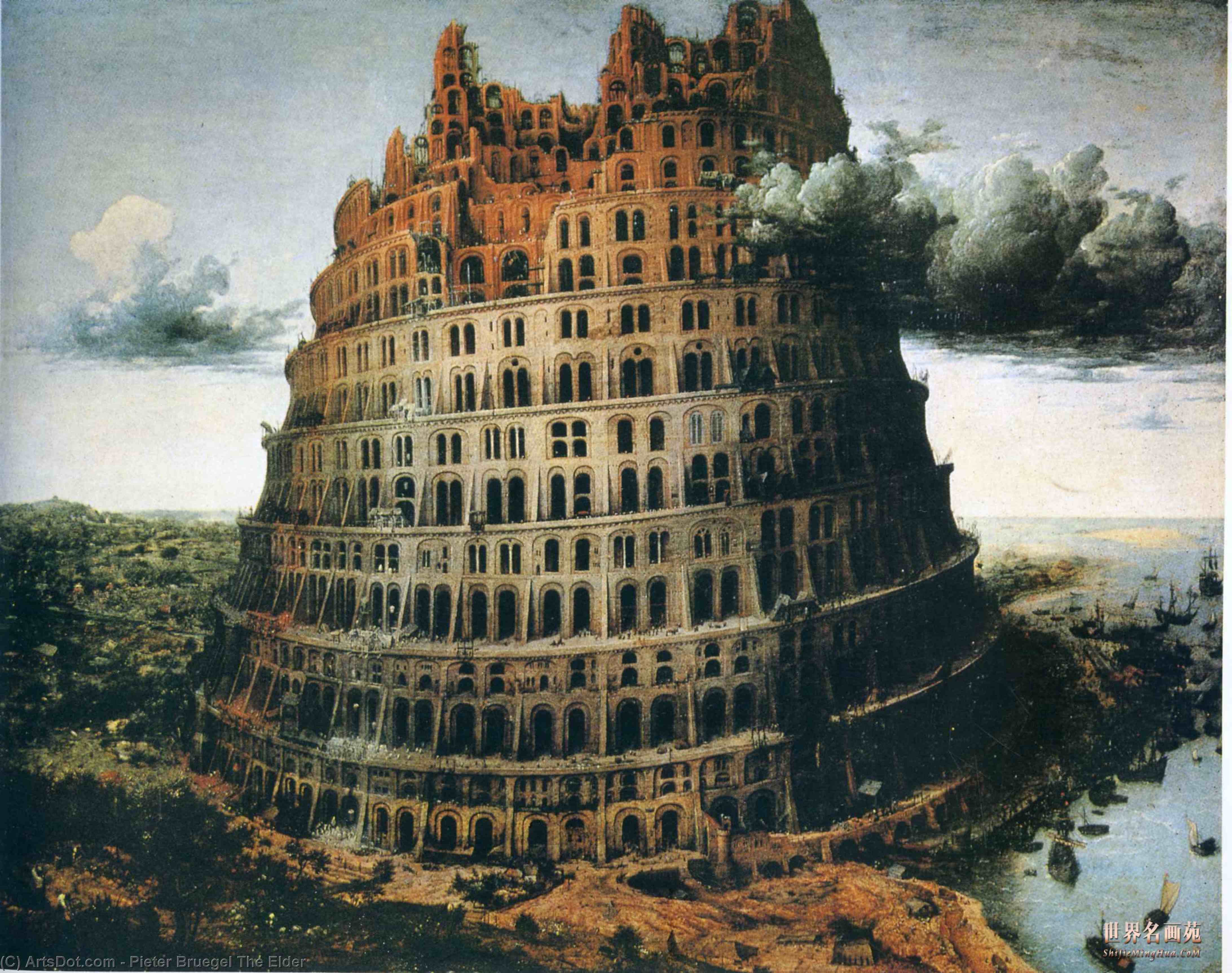
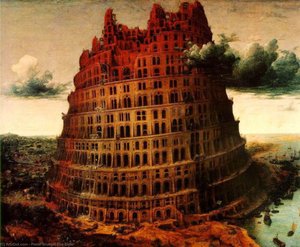
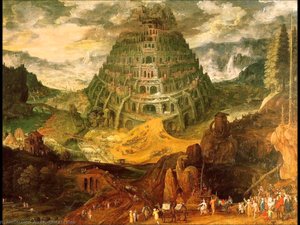
The ''Little'' Tower of Babel
 Acrylic
- WallArt
- Northern Renaissance
 1563
1563 60.0 x 74.0 cm
 Ver más
Giclée / Impresión de arte
Impresiones giclée o en lienzo de calidad de museo con producción rápida y opciones de acabado flexibles. ( Comprar pintura hecha a mano Cambiar a imagen digital)




P118B $10

P118H $10

P118W $10

P438Z $10

P508JH $12

P508YH $12

P805H $10

P805Z $10

P919BZ $10

P919G $10

P919XJ $10

P959ZH $10

P968JZ $12

W106C $8

W218G $10

W218JH $8

W218Y $10

W307PJ $10

W316G $10

W316PJ $8

W316Y $10

W398PJ $8

W4111J $10

W500HY $15

W500JH $15

W692G $12

W849H $8

W940BG $15

W953PJ $8




Elija entre nuestros tamaños predefinidos que respetan las proporciones originales de la obra.

Puede introducir sus propias dimensiones para adaptarse a un marco o espacio específico. Si el tamaño seleccionado no coincide con las proporciones de la imagen original, recortaremos la obra de arte o extenderemos la imagen con un borde con efecto espejo o de color sólido. Se enviará una maqueta digital para su aprobación antes de que comience la producción.
Tenga en cuenta que la vista previa en pantalla no refleja el recorte o la extensión real. Solo la maqueta mostrará con precisión la composición final.
Aunque existen tamaños personalizados, recomendamos seleccionar una dimensión de la lista predefinida para preservar las proporciones originales.
Envío a todo el mundo () en 2 semanas en lugar de las 4/5 semanas estándar. (10 septiembre)

Envío exprés gratuito a todo el mundo

Lienzo de lino de alta calidad

Seguro de envío total

Garantía de reembolso de impuestos aduaneros

Garantía de fidelidad cromática exacta

Política de devolución de 100 días (solo por defectos)

Garantía de devolución del 100% del dinero

Descuento por cantidad
 La opción de vidrio solo está disponible en tamaños inferiores a 110 cm.

The ''Little'' Tower of Babel
Giclée / Impresión de arte
Dimensiones de la reproducción
-


Precio total final
$ 62
A Testament to Ambition and Divine Displeasure: Pieter Bruegel’s “The Little” Tower of Babel
Pieter Bruegel the Elder's "The Little" Tower of Babel, completed in 1563, stands as a poignant emblem of humanity’s aspirations for dominion intertwined with the inescapable consequences of pride and disobedience. Painted during a turbulent era marked by religious reformation and burgeoning artistic innovation—specifically transitioning away from the idealized grandeur of Italian Renaissance art—this monumental canvas transcends mere depiction; it delivers a profound meditation on biblical narrative and its enduring relevance to human experience.- Subject Matter: The painting vividly portrays the biblical tale recounted in Genesis 11, where humanity attempts to construct a tower reaching heavenward as an audacious challenge to God’s authority. This ambitious endeavor is thwarted by divine intervention—specifically, God confuses their languages, fracturing their unity and scattering them across the globe.
- Style: Bruegel's signature style – characterized by meticulous detail and earthy realism – distinguishes itself from the polished elegance of his contemporaries. He eschews idealized figures and grand compositions in favor of a grounded perspective that captures the everyday struggles and complexities of rural life, subtly elevating the biblical narrative to a universal commentary on human folly.
Technique: Observation and Precision – Bruegel’s Mastery of Oil Painting
Bruegel's masterful application of oil paint is evident in every brushstroke. He employs a technique known as *sfumato*, blurring edges and creating atmospheric haze, lending an air of realism to the scene. This meticulous attention to detail extends beyond mere visual accuracy; it reflects Bruegel’s deep understanding of light and shadow—elements he skillfully manipulates to convey emotion and heighten the drama of the narrative. The artist meticulously renders textures – from the rough stone of the tower to the weathered faces of the builders – demonstrating an unparalleled dedication to capturing the materiality of his subject.Historical Context: Reformation’s Shadow Over Flemish Art
The painting's creation coincided with the fervor of the Protestant Reformation, which profoundly impacted artistic sensibilities across Europe. While Bruegel remained largely agnostic himself, he absorbed the humanist spirit championed by reformers—a focus on earthly concerns and a rejection of scholastic dogma—influencing his portrayal of human behavior. The depiction of Babel isn’t simply a retelling of scripture; it's a reflection of anxieties surrounding papal authority and the fracturing social order that characterized the period.Symbolism: Layers of Meaning Beyond Literal Representation
Beyond its narrative core, “The Little” Tower of Babel is laden with symbolic significance. The tower itself represents humanity’s hubris—its presumption to usurp God's place in creation. The scattered boats symbolize the dispersal of humankind following divine judgment, highlighting the inevitable consequences of disobedience. Furthermore, Bruegel subtly incorporates elements of everyday life – farmers tending their fields, laborers constructing the tower – underscoring the universality of human experience and reminding viewers that even grand ambitions are ultimately subject to earthly limitations.Emotional Impact: A Quiet Lament for Lost Unity
Ultimately, Bruegel’s masterpiece evokes a palpable sense of melancholy. The painting doesn't celebrate triumph or grandeur; instead, it presents a sobering portrait of human folly and the futility of striving to transcend God’s will. Its muted palette—dominated by earthy browns and greens—contributes to this contemplative mood, inviting viewers to contemplate the enduring lessons embedded within the biblical story and prompting reflection on the importance of humility and acceptance.Obras relacionadas
![The Tower Of Babel [detail] — Pieter Bruegel El Viejo, Northern Renaissance Detail](/media/artworks/images-thumb/17/a4/17a4298f14401d3bc445894bc0ec1738.jpg)
Biografía del artista
vida temprana y formación
Pieter Brueghel el Viejo, una figura clave en la pintura renacentista, nació y creció en Breda, Bélgica, entre 1525 y 1530. Su maestro, Pieter Coecke van Aelst, era un pintor de Amberes que guió el desarrollo artístico temprano de Bruegel. Después de formarse con Coecke, Bruegel se convirtió en maestro independiente en la gremial de pintores de Amberes en 1551.contribuciones artísticas y estilo
La obra de Bruegel es reconocida por sus innovadoras elecciones de temas, centrándose en paisajes y escenas campesinas. Sus pinturas, como Paisaje con la huida a Egipto (37 x 55 cm, galerías Courtauld de Londres), demostraron su dominio del óleo sobre tabla. El estilo de Bruegel, caracterizado por el uso del claroscuro, creó una sensación de profundidad y realismo, haciendo que sus pinturas se sintieran inmersivas.obras notables y museos
* Paisaje de los Alpes (musée du Louvre, París), una obra ejemplar que muestra las habilidades de Bruegel en la pintura de paisajes. * Triptico (renacimiento del norte, óleo), un notable ejemplo del uso de óleo sobre tabla por parte de Bruegel. * Los Musée Royale de Beaux-Arts en Bruselas cuenta con una impresionante colección de más de 20.000 obras de arte, incluyendo obras de Bruegel.legado e influencia
La influencia de Bruegel en la pintura dorada holandesa y los desarrollos artísticos posteriores es innegable. Su obra ha inspirado a artistas tanto en las artes literarias como en el cine, con referencias a sus pinturas que aparecen en películas como Solaris (1972) y Melancolía (2011). Explore más obras de Bruegel en ArtsDot.com: [https://ArtsDot.com/@/pieter-bruegel-the-elder](https://ArtsDot.com/@/pieter-bruegel-the-elder)- Descubra las obras maestras del Musée Royale de Beaux-Arts (Bruselas, Bélgica): /es/art/show/art-d3cf2d-es/
- Aprenda más sobre la pintura neerlandesa temprana en Wikipedia: [https://en.wikipedia.org/wiki/early_netherlandish_painting](https://en.wikipedia.org/wiki/early_netherlandish_painting)
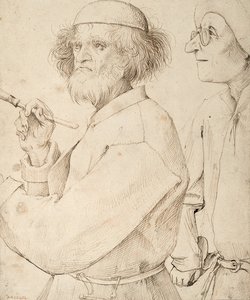
Pieter Bruegel el Viejo
1525 - 1569 , Bélgica
Datos clave
- Artistas Que Influyeron:
- Hieronymus Bosch
- Pieter Coecke van Aelst
- Estilo Artístico: Renacimiento Nórdico
- Fecha De Muerte: 1569
- Fecha De Nacimiento: c. 1525-1530
- Influencia Artística: Pintura dorada holandesa
- Lugar De Nacimiento: Breda, Bélgica
- Nacionalidad: Belga
- Nombre Completo: Pieter Bruegel el Viejo
- Obras Notables:
- Paisaje con la huida a Egipto
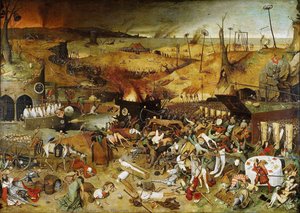
- El triunfo de la muerte
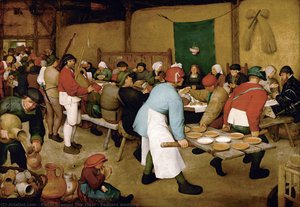
- Boda campesina
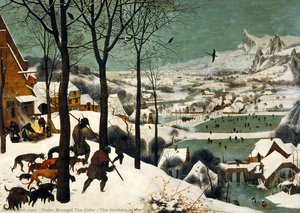
- Cazadores en la nieve
- La torre de Babel
Artículos relacionados

The Enduring Power of Painting: A Historical & Contemporary Exploration of Form and Emotion
Explore the rich history & enduring techniques of oil painting with ArtsDot. Discover masterpieces, learn about art collecting, and find authentic handmade reproductions crafted by skilled artists.

El Legado Duradero del Óleo sobre Lienzo: Técnica, Historia y Práctica Contemporánea
Descubre la historia y técnica del óleo sobre lienzo. Explora reproducciones fieles hechas a mano, personalización artística y consejos de expertos con .

El Óleo sobre Lienzo: Historia, Técnica y la Persistencia de un Medio Artístico Atemporal
Descubre la historia y técnica del óleo sobre lienzo. Explora reproducciones fieles hechas a mano, personalización artística y consejos de expertos con ArtsDot. ¡Colecciona arte con confianza!

The Enduring Legacy of Oil on Canvas: Technique, History & Aesthetic Impact
Explore the rich history & techniques of oil painting – from Renaissance masters to Impressionism. Discover pigments, layering methods, and why this timeless medium endures. Expert insights for artists & art enthusiasts.
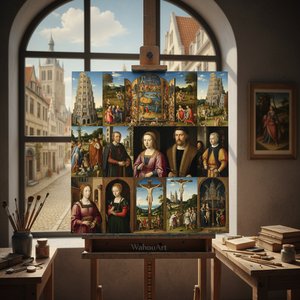
Renacimiento Nórdico: 10 Obras Maestras que Transformaron el Arte |
Descubre 10 obras maestras del Renacimiento Nórdico: Jan van Eyck, Durero y más. Explora la historia, el simbolismo y las técnicas de estos icónicos pintores. Encuentra reproducciones de arte exclusivas en .