

 Ver en contexto
 Enviar
 Compartir
 Detalles

 Descargar
 Similares
 Radiografía
 Presentación de diapositivas
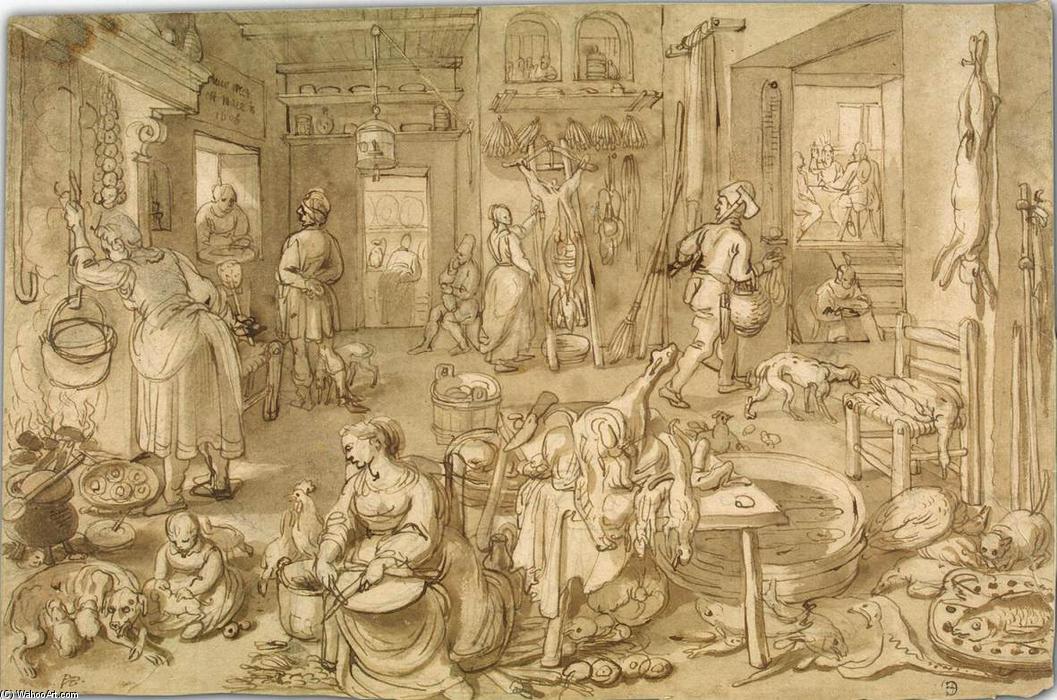
Kitchen Scene with the Supper at Emmaus
 Acrylic On Canvas
- WallArt
- Baroque Painting
 1605
1605 267.0 x 419.0 cm
 Museo del Hermitage
 Ver más
Reproducción al óleo hecha a mano
Óleo sobre lienzo pintado a mano en el tamaño y marco de su elección, realizado por encargo por nuestros artistas. ( Comprar impresión Comprar imagen)




P118B $10

P118H $10

P118W $10

P438Z $10

P508JH $12

P508YH $12

P805H $10

P805Z $10

P919BZ $10

P919G $10

P919XJ $10

P959ZH $10

P968JZ $12

W106C $8

W218G $10

W218JH $8

W218Y $10

W307PJ $10

W316G $10

W316PJ $8

W316Y $10

W398PJ $8

W4111J $10

W500HY $15

W500JH $15

W692G $12

W849H $8

W940BG $15

W953PJ $8




Elija entre nuestros tamaños predefinidos que respetan las proporciones originales de la obra.

Puede ingresar sus propias dimensiones para adaptarse a un marco o espacio específico. Si el tamaño seleccionado no coincide con las proporciones de la imagen original, recortaremos la obra o extenderemos la pintura con elementos adicionales pintados a mano. Se le enviará una maqueta digital para su aprobación antes de comenzar la producción.
Tenga en cuenta que la vista previa en pantalla no refleja el recorte o la extensión reales. Solo la maqueta mostrará con precisión la composición final.
Si bien existen tamaños personalizados, recomendamos seleccionar una dimensión de la lista predefinida para preservar las proporciones originales.
Tras realizar el pedido, el equipo de ArtsDot.com enviará un correo electrónico al cliente para solicitar instrucciones y proporcionarle una vista previa del boceto.
Envío a todo el mundo () en 3-4 semanas en lugar de las 5 semanas estándar. (24 agosto). Sin comprometer la calidad.

Envío exprés gratuito a todo el mundo

Lienzo de lino de alta calidad

Seguro de envío total

Garantía de reembolso de impuestos aduaneros

Garantía de fidelidad cromática exacta

Política de devolución de 60 días (solo por defectos)

Garantía de devolución del 100% del dinero

Descuento por cantidad
 La opción de vidrio solo está disponible en tamaños inferiores a 110 cm.

Kitchen Scene with the Supper at Emmaus
Técnica de reproducción
Dimensiones de la reproducción
-


Precio total final
$ 263
Descripción de la obra
A Glimpse into Domesticity: Pieter van Rijck’s “Kitchen Scene with the Supper at Emmaus”
Pieter Cornelisz van Rijck's "Kitchen Scene with the Supper at Emmaus," painted around 1605, is more than just a depiction of daily life; it’s a meticulously crafted window into the heart of 17th-century Dutch domesticity. This remarkable work, now housed in the Hermitage Museum in St. Petersburg, transcends mere genre painting to become a poignant meditation on faith, community, and the quiet dignity of ordinary moments. Van Rijck, a pioneer in this burgeoning artistic movement, deliberately eschewed the grand narratives favored by many of his contemporaries, instead focusing on capturing the vibrant bustle and subtle emotional nuances within a humble kitchen setting – a choice that firmly established him as one of the earliest masters of Dutch genre painting.A Scene of Abundant Life: Composition and Detail
The composition immediately draws the viewer into a scene brimming with activity. A large table dominates the center, laden with an impressive array of foodstuffs – fruits, vegetables, loaves of bread, and earthenware vessels – suggesting a household of considerable means. Numerous figures are engaged in various tasks: women prepare food, men oversee operations, and children contribute to the overall rhythm of daily life. The artist’s attention to detail is astonishing; from the folds of the women's clothing to the textures of the wooden furniture and the glint of light on the ceramic jugs, every element contributes to a remarkably realistic portrayal. Notably, in the background, subtly integrated into the scene, is an image depicting the Supper at Emmaus – Christ appearing to his disciples after his resurrection. This inclusion elevates the painting beyond a simple snapshot of domestic life, imbuing it with a deeper spiritual resonance and hinting at the sacred woven into the fabric of everyday existence.The Painter’s Technique: Pen, Ink, and Wash
Van Rijck's masterful technique is evident in his skillful use of pen, ink, and wash. The drawing itself is executed with a remarkable level of precision, capturing the intricate details of the figures and objects with astonishing accuracy. The artist employed a subtle layering of washes to create depth and atmosphere, particularly in rendering the light streaming through the windows on the left side of the composition. This technique not only enhances the realism of the scene but also creates a sense of warmth and intimacy, drawing the viewer into the heart of the kitchen. The use of brown ink adds a rich, earthy tone to the overall palette, grounding the painting in the materiality of its subject matter.Symbolism and Context: Faith in the Everyday
“Kitchen Scene with the Supper at Emmaus” is deeply rooted in the religious beliefs of the time. The inclusion of the biblical scene serves as a reminder that faith was an integral part of daily life for most Dutch citizens. The painting also reflects the social dynamics of 17th-century Holland, where family and community were paramount. The bustling kitchen represents not just a place of sustenance but also a center of social interaction and familial bonds. Furthermore, van Rijck’s focus on ordinary people – women, children, servants – challenges the traditional hierarchies of art, elevating the status of those typically excluded from depictions of nobility and power. The painting's subject matter—a humble kitchen scene—was considered revolutionary at the time, marking a shift in artistic priorities towards realism and social commentary.A Timeless Masterpiece: Reproduction and Legacy
Today, “Kitchen Scene with the Supper at Emmaus” stands as a testament to van Rijck’s genius and a poignant reminder of the beauty and significance found within everyday life. ArtsDot offers high-quality reproductions that faithfully capture the painting's rich detail and atmospheric depth. Whether displayed in a grand salon or a cozy corner, this artwork invites viewers to pause, reflect, and appreciate the enduring power of art to illuminate the human experience. Its legacy continues to inspire artists and collectors alike, solidifying its place as one of the most important works of Dutch Golden Age painting.Obras relacionadas
Biografía del artista
El Maestro del Interior Doméstico
Pieter Cornelisz van Rijck (1567 – c. 1637) se erige como una figura fundamental de la Edad de Oro holandesa, reconocido principalmente por sus magistrales representaciones de interiores domésticos —especialmente escenas de cocina— que capturaron la esencia de la vida cotidiana con un detalle asombroso y una profunda perspicacia psicológica. A diferencia de muchos de sus contemporáneos, quienes se centraban en grandes retratos o temas mitológicos, van Rijck se dedicó a retratar los momentos ordinarios, estableciéndose como uno de los primeros practicantes de la pintura de género en Holanda. Esta elección estilística lo distingue de artistas como Floris van Dijck y Jan Steen, cuyas obras exploraron de manera similar las realidades de la vida doméstica, pero que a menudo tendían hacia la teatralidad y una emoción exaltada.
Su viaje artístico comenzó en Delft, donde perfeccionó sus habilidades bajo la tutela de Hendrick Cornelis Boelen, un renombrado pintor conocido por sus paisajes y retratos. Sus primeras influencias incluyeron la tradición del Barroco flamenco, notablemente la obra de Jacopo Bassano, a quien van Rijck admiraba profundamente y con quien mantenía apasionados debates sobre técnicas pictóricas y visión artística. Esta conexión con el estilo de Bassano es evidente en las composiciones de van Rijck, caracterizadas por una paleta luminosa, sutiles efectos de claroscopio y un énfasis en capturar las condiciones atmosféricas, reflejando la estética veneciana que cobraba protagonismo durante sus años formativos.
Un Viaje a través de los Centros Artísticos de Europa
La carrera de Van Rijck se desarrolló en varios centros artísticos de gran importancia: Delft, Haarlem y Venecia. Este tránsito por los grandes paisajes culturales de Europa le permitió sintetizar diversas tradiciones en un estilo personal único. Consiguió encargos de destacados mecenas como Willem van Rosenburgh y Pieter Pauwelrecht, produciendo una obra diversa que abarcaba retratos, escenas de cocina y mercados. Su capacidad para elevar lo mundano al nivel del gran arte le permitió cerrar la brecha entre la simple observación y la narrativa profunda.
Uno de sus legados más perdurables reside en su habilidad para infundir significado a la quietud. En obras como Escena de cocina con la cena en Emaús, pintada alrededor de 1605, trasciende la mera pintura de género para crear una conmovedora meditación sobre la fe, la comunidad y la dignidad silenciosa de los momentos cotidianos. Esta capacidad de hallar lo sagrado dentro de lo secular se convirtió en el sello distintivo de su contribución a la era Barroca.
Legado y Significado Artístico
La importancia histórica de Pieter Cornelisz van Rijck reside en su papel como pionero del movimiento de la pintura de género. Al centrarse en las texturas de los alimentos, el juego de la luz sobre la cerámica y el humilde atuendo de los sirvientes, ayudó a allanar el camino para los maestros posteriores y más famosos del realismo holandés. Su obra sirve como una ventana meticulosamente elaborada hacia el corazón de la domesticidad holandesa del siglo XVII.
Entre los aspectos más destacados de su producción artística se encuentran:
- La criada de la cocina: Un cautivador óleo sobre lienzo de 1628, que actualmente se encuentra en el Museum voor Schone Kunsten en Gante, el cual muestra su destreza en el uso de la luz y la sombra para crear calidez e intimidad.
- Escenas de mercado: Vibrantes representaciones del comercio y el trabajo diario que reflejan la floreciente prosperidad económica de los Países Bajos.
- Innovaciones en el bodegón: Una maestría temprana en la representación de texturas orgánicas, desde la piel de una pera hasta el peso de las aves colgantes, lo que influyó en generaciones de pintores de naturalezas muertas.
A través de su compromiso con el retrato de la belleza hallada en lo inadvertido, van Rijck aseguró que los rincones silenciosos del hogar holandés fueran inmortalizados con gracia y un mérito artístico perdurable.
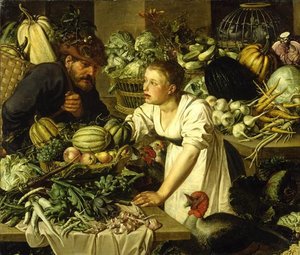
Pieter Cornelisz Van Rijck
1567 - 1637 , Países Bajos
Datos clave
- Artistic Movement Or Style: Barroco holandés
- Artists Or Movements Influenced By This Artist: ['Venecia']
- Artists Who Influenced This Artist: ['Jacopo Bassano']
- Date Of Birth: Delft, Netherlands (1567)
- Date Of Death: c. 1637
- Full Name: Pieter Cornelisz van Rijck
- Nationality: Holandés
- Notable Artworks: ['La Maid']
- Place Of Birth: Delft
Artículos relacionados

Rembrandt van Rijn: Las 25 Obras Maestras que Definen un Genio | Arte, Historia y Decoración
Descubre las 25 obras maestras de Rembrandt van Rijn, el genio del barroco holandés. Explora su historia, técnica y simbolismo en retratos icónicos como 'La Ronda Nocturna'. Encuentra reproducciones de arte exclusivas para decorar tu hogar con ArtsDot.com.
Adriaen van Ostade: A Master of Dutch Genre Painting & Social Commentary
Explore the life & work of Adriaen van Ostade, a leading Dutch Golden Age painter. Discover his realistic genre scenes, social commentary, and lasting influence on art history. Learn more at ArtsDot.
Pintura de Género Holandesa: Un Reflejo Íntimo de la Vida Cotidiana y los Valores Sociales del Siglo de Oro
Descubra la riqueza de la pintura de género holandesa del Siglo de Oro. Explore las obras maestras de Vermeer y Brueghel, su simbolismo y el reflejo de la vida cotidiana en esta época dorada. ¡Conozca más!
Scenes of Daily Life: A Comprehensive Exploration of Genre Painting Through History
Explore the rich history of genre painting! Discover Dutch Masters & European artists who captured everyday life with stunning realism. Learn about symbolism, techniques & lasting influence.
Abraham Hendricksz van Beyeren: Pioneering Dutch Still Life & the Banquet Tradition
Explore the captivating world of Dutch Golden Age still life with Abraham van Beyeren. Discover his innovative techniques, symbolic banquet scenes & lasting influence on art history. Learn about collecting these masterpieces.

