 Ver en contexto
 Enviar
 Compartir
 Detalles

 Descargar
 Similares
 Radiografía
 Presentación de diapositivas
Faith, Hope and Charity


 Ver más
Reproducción al óleo hecha a mano
Óleo sobre lienzo pintado a mano en el tamaño y marco de su elección, realizado por encargo por nuestros artistas. ( Comprar impresión Comprar imagen)




P118B $10

P118H $10

P118W $10

P438Z $10

P508JH $12

P508YH $12

P805H $10

P805Z $10

P919BZ $10

P919G $10

P919XJ $10

P959ZH $10

P968JZ $12

W106C $8

W218G $10

W218JH $8

W218Y $10

W307PJ $10

W316G $10

W316PJ $8

W316Y $10

W398PJ $8

W4111J $10

W500HY $15

W500JH $15

W692G $12

W849H $8

W940BG $15

W953PJ $8




Elija entre nuestros tamaños predefinidos que respetan las proporciones originales de la obra.

Puede ingresar sus propias dimensiones para adaptarse a un marco o espacio específico. Si el tamaño seleccionado no coincide con las proporciones de la imagen original, recortaremos la obra o extenderemos la pintura con elementos adicionales pintados a mano. Se le enviará una maqueta digital para su aprobación antes de comenzar la producción.
Tenga en cuenta que la vista previa en pantalla no refleja el recorte o la extensión reales. Solo la maqueta mostrará con precisión la composición final.
Si bien existen tamaños personalizados, recomendamos seleccionar una dimensión de la lista predefinida para preservar las proporciones originales.
Tras realizar el pedido, el equipo de ArtsDot.com enviará un correo electrónico al cliente para solicitar instrucciones y proporcionarle una vista previa del boceto.
Envío a todo el mundo () en 3-4 semanas en lugar de las 5 semanas estándar. (25 agosto). Sin comprometer la calidad.

Envío exprés gratuito a todo el mundo

Lienzo de lino de alta calidad

Seguro de envío total

Garantía de reembolso de impuestos aduaneros

Garantía de fidelidad cromática exacta

Política de devolución de 60 días (solo por defectos)

Garantía de devolución del 100% del dinero

Descuento por cantidad
 La opción de vidrio solo está disponible en tamaños inferiores a 110 cm.

Faith, Hope and Charity
Técnica de reproducción
Dimensiones de la reproducción
-


Precio total final
$ 263
Descripción de la obra
A Baroque Vision of Virtue
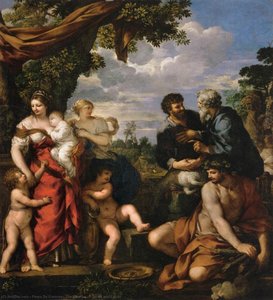
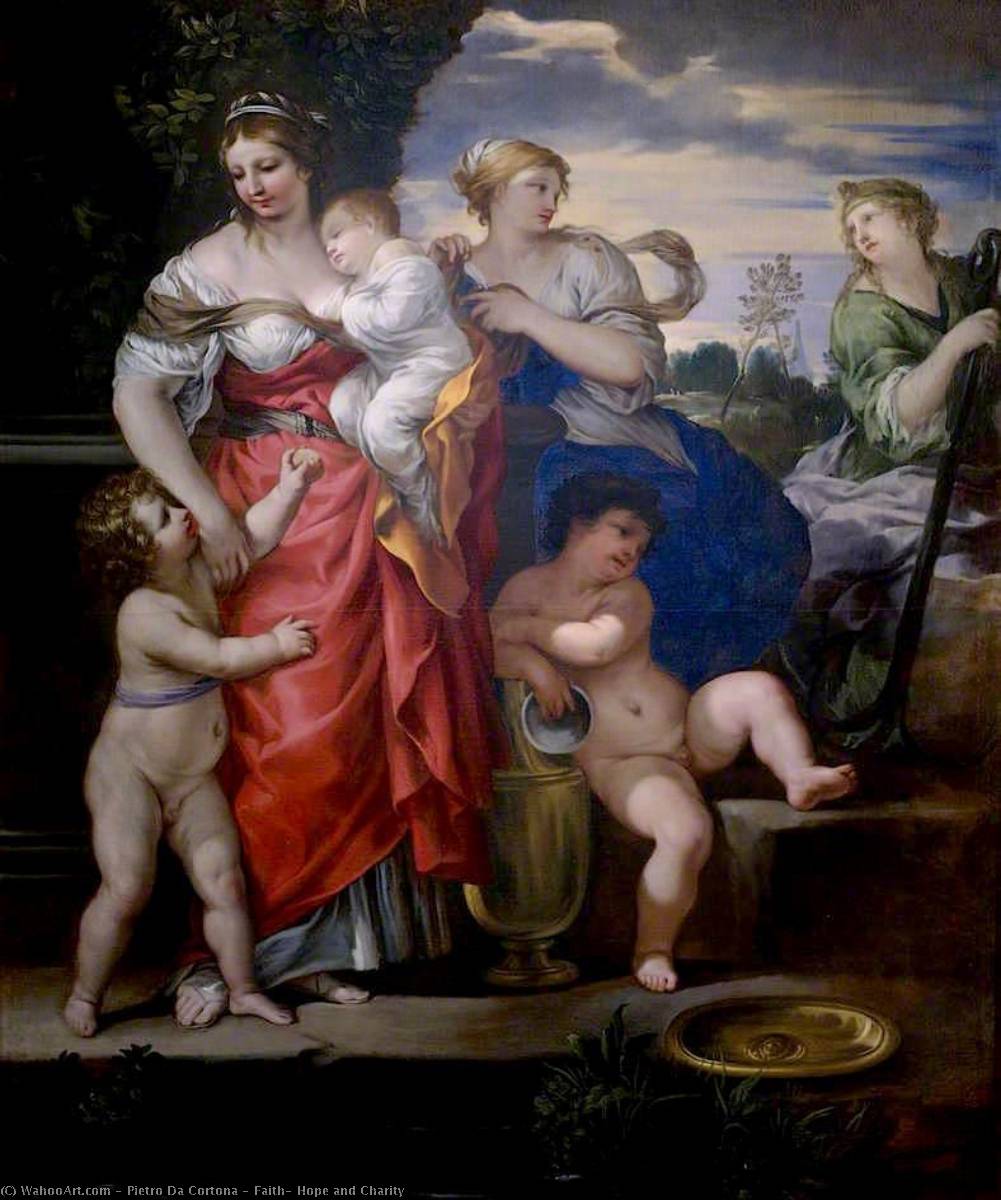
In the heart of the Italian Baroque, where drama meets divinity, Pietro da Cortona’s Faith, Hope and Charity emerges as a breathtaking testament to the era's spiritual and aesthetic grandeur. Painted around 1640, this masterpiece transcends mere religious iconography to become a luminous window into the soul of the seventeenth century. As one of the most influential figures of his time, Cortona—a master who rivaled the legendary Bernini in his ability to command space and emotion—utilizes the canvas to weave a narrative of profound tenderness and celestial grace. The painting does not merely depict three virtues; it invites the viewer into a sacred moment where the earthly and the divine converge through a masterful display of light and movement.
The composition is a rhythmic dance of color and form, anchored by three women who personify the Christian virtues. On the left, Faith is rendered with a serene, contemplative intensity, her red attire providing a striking warmth that draws the eye immediately to her nurturing embrace of an infant. In the center, Hope sits in a moment of quiet connection, her blue drapery offering a cool, tranquil counterpoint to the fiery reds and earthy greens found elsewhere in the work. To the right, Charity stands as a pillar of selfless devotion, her green gown balancing the palette while she tends to the needs of the children around her. This triad of figures creates a circular flow of gaze and gesture, guiding the observer through a continuous loop of compassion and spiritual strength.
Technique and the Mastery of Light
Cortona’s technical prowess is on full display through his sophisticated use of chiaroscuro—the dramatic interplay between deep shadow and radiant light. This technique does more than create three-dimensional volume; it breathes life into the very fabric of the scene. The light seems to emanate from within the figures themselves, catching the intricate folds of their heavy silk and velvet garments, lending them a tactile, sculptural quality that is quintessential to the Baroque style. His background in Florentine draftsmanship, combined with the vibrant colorism he absorbed from the Venetian masters like Titian, allows him to manipulate atmosphere with unparalleled skill.
The landscape in the background, characterized by soft, billowing clouds and a distant, hazy horizon, serves as more than just a setting. It provides an expansive, ethereal stage that prevents the composition from feeling enclosed, instead suggesting that these virtues are universal and eternal, existing under the vastness of the heavens. For the discerning collector or interior designer, this painting offers a profound sense of depth and movement, making it a commanding centerpiece capable of transforming a room into a space of reflection and classical elegance.
Symbolism and Emotional Resonance
Beyond its visual splendor, Faith, Hope and Charity is an emotional journey. The presence of the infants—some sleeping peacefully, others peering out with wide-eyed curiosity—adds a layer of vulnerability and innocence that softens the monumental scale of the Baroque style. This juxtaposition of the grand and the intimate creates a powerful emotional resonance; it reminds us that the highest virtues are found in the simplest acts of care and devotion. The bowl held by Charity, perhaps containing sustenance, serves as a poignant symbol of the physical manifestation of love.
For those seeking to adorn their homes or galleries with art that inspires, this work offers an unparalleled opportunity. A high-quality reproduction of this piece brings not just a historical artifact into a space, but a living energy. It is a celebration of human goodness and a sophisticated nod to the golden age of Italian painting, offering a timeless aesthetic that complements both classical and contemporary interiors with its rich textures, profound symbolism, and enduring beauty.
Obras relacionadas



Biografía del artista
Primeros años y formación
Pietro da Cortona, cuyo nombre real era Pietro Berrettini (o Berrettini), (Cortona, 1 de noviembre de 1596 – Roma, 16 de mayo de 1669) fue un pintor y arquitecto italiano. Se formó en pintura bajo Andrea Commodi en Florencia antes de trasladarse a Roma alrededor de 1612/3, donde se unió al estudio de Baccio Ciardi.Obras y encargos destacados
- El sacrificio de Polixena, El triunfo de Baco y El rapto de las sabinas (1626) para la familia Sacchetti.
- Decoración al fresco en la iglesia de Santa Bibiana (1624-1626) bajo la dirección de Bernini.
- Alegoría de la Providencia Divina y el poder Barberini (1633) para el Palazzo Barberini, un hito en la pintura barroca.
Características clave e influencias
- Temas grandiosos y ejecución hábil.
- Uso del *trompe-l'œil* para crear ilusiones de extensión espacial.
- Influencia de los trabajos perspectivistas de Paolo Veronese y la paleta de colores de Tiziano.
- Proyectos arquitectónicos distintivos e inventivos, aunque pocos se construyeron.
Estilo artístico y desarrollo
Pietro da Cortona evolucionó desde un estilo influenciado por el manierismo temprano hacia una expresión plenamente barroca. Inicialmente, su obra mostraba una atención al detalle y una composición equilibrada, pero con el tiempo adoptó una estética más dinámica y teatral. Su habilidad para combinar la perspectiva, la iluminación dramática y las composiciones complejas lo convirtió en uno de los pintores más solicitados de Roma. La Alegoría de la Providencia Divina es un ejemplo paradigmático de su madurez artística, donde el espacio se expande ilusionísticamente hacia el cielo, creando una sensación de asombro y magnificencia. Su uso del *trompe-l'œil* no solo servía para engañar al ojo, sino también para realzar la grandiosidad de los espacios arquitectónicos.Legado e importancia histórica
Pietro da Cortona dejó un legado duradero en el mundo de la pintura y la arquitectura barroca. Su estilo innovador y sus obras influyentes inspiraron a generaciones de artistas y arquitectos. La combinación de virtuosismo técnico, dramatismo emocional y grandiosidad temática lo consagró como uno de los maestros del Barroco romano. Sus frescos en el Palazzo Barberini siguen siendo un testimonio impresionante de su talento y una referencia obligada para comprender la evolución del arte barroco.- Fechas clave:
- 1596: Nacimiento en Cortona, Toscana.
- 1612/3: Traslado a Roma.
- 1624-1626: Decoración al fresco en la iglesia de Santa Bibiana.
- 1633: Finalización de Alegoría de la Providencia Divina y el poder Barberini.
- 1669: Fallecimiento.
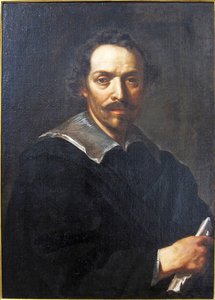
Pietro da Cortona
1596 - 1669 , Italia
Datos clave
- Estilo Artístico: Barroco
- Influencias Artísticas:
- Paolo Veronese
- Tiziano
- Lugar De Nacimiento: Cortona, Italia
- Nacimiento: 1 de noviembre de 1596
- Nacionalidad: Italiana
- Nombre Completo: Pietro da Cortona
- Obras Notables:
- El sacrificio de Polixena
- El triunfo de Baco
- El rapto de las sabinas
- Alegoría de la Providencia Divina
- Otros Nombres: Pietro Berrettini
Artículos relacionados

Barroco Sublime: 10 Obras Maestras que Definieron una Época |
Descubre las 10 obras maestras del Barroco que marcaron una época. Caravaggio, Bernini y Velázquez cobran vida en . Reproducciones de arte de calidad museo para decorar tu hogar con elegancia. ¡Explora la colección online!

Giclée Prints: Archival Quality & Aesthetic Nuances for the Discerning Collector
Explore the world of giclée prints with ArtsDot. Learn about archival quality, aesthetic nuances & investment potential. Expert guidance for discerning art collectors seeking museum-quality reproductions and lasting value.
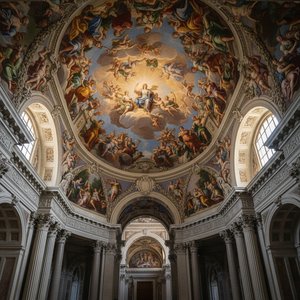
Pietro da Cortona: Baroque Grandeur & the Synthesis of Roman Painting
Explore the life & masterpieces of Pietro da Cortona, a defining figure of the Italian Baroque. Discover his stunning frescoes at Palazzo Barberini and lasting influence on Roman art history. Learn more with ArtsDot.
Los 25 Tesoros de la Alte Pinakothek: Arte Renacentista y Barroco en Munich
Descubre los 25 tesoros de la Alte Pinakothek en Munich. Explora obras maestras de Dürer, Rembrandt y Rubens. Historia del arte renacentista y barroco para inspirar tu hogar. Reproducciones de alta calidad en ArtsDot.com.

Drama Barroca: Llevando la Grandeza y la Emoción a los Interiores Contemporáneos
Descubre cómo el drama y la grandeza del arte barroco pueden transformar tus interiores. Guía experta, inspiración y reproducciones de alta calidad en .