


 Ver en contexto
 Enviar
 Compartir
 Detalles

 Descargar
 Similares
 Radiografía
 Presentación de diapositivas
The Punishment of Hercules
 Oil On Canvas
- WallArt
- Italian Baroque
 1635
1635 300.0 x 200.0 cm
 Museo Liechtenstein
 Ver más
Adquiera una imagen digital de alta resolución y optimizada, muy superior a la vista previa en línea.
Cada archivo es preparado meticulosamente por nuestros especialistas internos mediante el uso de herramientas avanzadas y un experto retoque manual. Nos aseguramos de que cada imagen posea una claridad excepcional, una precisión cromática impecable y un detalle minucioso.
El archivo final se entrega por correo electrónico en un plazo de 72 horas, optimizado para su uso inmediato en entornos profesionales, editoriales y de impresión. Esta es la misma calidad en la que confían los estudios de diseño, las editoriales y las galerías de primer nivel.
Imagen Digital
Descarga un archivo de alta resolución para exhibición personal, impresión y proyectos creativos. ( Comprar impresión Comprar pintura hecha a mano)
Incluido en cada pedido de imágenes digitales
Entrega digital experta, garantizada.
Al elegir ArtsDot.com, no solo está adquiriendo una imagen; está recibiendo una obra de arte digital mejorada profesionalmente, elaborada con precisión y respaldada por una garantía de satisfacción. Esto es todo lo que incluye su pedido, automáticamente:

Entrega rápida por email
Recibirá su archivo de imagen digital en alta resolución por correo electrónico en un plazo de 72 horas tras realizar su pedido, listo para su uso inmediato.

Archivo digital optimizado por IA
Su obra de arte se optimiza profesionalmente mediante herramientas avanzadas de IA y edición manual, garantizando el máximo detalle, claridad y precisión cromática.

Reenvío gratuito de por vida
¿Has borrado o perdido tu archivo por error? No te preocupes: te lo volveremos a enviar en cualquier momento, sin coste adicional.

Sin gastos de importación, siempre
Disfrute de su obra de arte al instante sin aduanas, aranceles ni gastos de envío; las descargas digitales siempre están libres de impuestos.

Garantía de fidelidad de color
Garantizamos que su imagen digital refleje los colores originales con la mayor fidelidad posible, mediante el uso de herramientas profesionales y gestión del color.

Garantía de satisfacción de 60 días
Si no está satisfecho con su imagen digital, la revisaremos o le reembolsaremos el 100% en un plazo de 60 días, sin preguntas.

100% Garantía de devolución de dinero
¿No está satisfecho? Obtenga un reembolso completo dentro de los 60 días posteriores a la recepción de su archivo digital, sin necesidad de explicaciones.

Descuentos por pedidos grandes
Compra 3 imágenes, ahorra 10% - Compra 5, ahorra 15% - Compra 10+, ahorra 20%. Ideal para proyectos creativos, galerías y agencias.
Descripción del coleccionable
The Punishment of Hercules: A Baroque Masterpiece by Pietro da Cortona
Pietro da Cortona’s “The Punishment of Hercules,” painted in 1635, is more than just a depiction of a classical myth; it's a visceral exploration of suffering, divine justice, and the enduring human condition. Measuring an impressive 300 x 200 cm, this work immediately commands attention with its dramatic composition and masterful execution characteristic of the Roman Baroque period. Cortona, a true “Tuscan Sun in the Roman Baroque,” expertly blends narrative clarity with theatrical flair, creating a scene that resonates with both intellectual depth and raw emotional power.
- Subject Matter: The painting portrays the infamous episode from Ovid’s *Metamorphoses* where Hercules, after completing his twelve labors, is punished by Zeus for his hubris. This wasn't a simple act of retribution but a carefully orchestrated demonstration of divine authority and the consequences of challenging the gods.
- Composition & Technique: Cortona employs a pyramidal composition, drawing the viewer’s eye inexorably towards Hercules at its apex. The use of tenebrism – dramatic contrasts between light and shadow – is particularly striking, intensifying the sense of suffering and highlighting the heroic posture of the central figure. Notice the meticulous detail in the rendering of fabric, skin tones, and the subtle expressions on the faces of the figures.
Symbolism and Divine Intervention
The scene is layered with symbolic meaning. Hercules’ unwavering gaze and defiant stance represent human resilience in the face of overwhelming power. The two angels flanking him – one above, offering a silent witness, and another below, seemingly attempting to mitigate the punishment – embody divine intervention and the complex relationship between humanity and the heavens. The inclusion of three children adds an element of pathos, suggesting innocence caught within the machinations of fate. Even the small bird hovering near the top left corner could be interpreted as a symbol of observation or perhaps even a messenger from the divine realm.
- Angels: Their presence underscores the theme of judgment and mercy, highlighting the dual nature of divine justice.
- Children: Representing vulnerability and innocence, they heighten the emotional impact of Hercules’ ordeal.
Historical Context & Cortona's Vision
"The Punishment of Hercules" was created during a period of immense artistic innovation in Rome, fueled by papal patronage and a desire to create awe-inspiring works that reflected the power and glory of the Church. Cortona’s work reflects this ambition while simultaneously demonstrating his own unique artistic vision. Trained initially under Andrea Commodi, he quickly absorbed the lessons of Baccio Ciarpi before developing his distinctive style – characterized by its grandeur, dramatic lighting, and meticulous attention to detail. This painting exemplifies his mastery of illusionistic techniques, a hallmark of Baroque art designed to transport viewers into the heart of the narrative.
The fact that this piece was created in 1635 places it firmly within the height of the Roman Baroque, a period defined by its emotional intensity, dynamic compositions, and exploration of religious themes. Cortona’s ability to capture both the physical suffering of Hercules and the spiritual weight of the scene is a testament to his skill and understanding of the era's artistic conventions.
A Timeless Masterpiece – Recreated for Today
ArtsDot offers meticulously crafted hand-painted reproductions of “The Punishment of Hercules,” allowing you to experience the full impact of Cortona’s masterpiece in your own space. Each reproduction is created using traditional techniques and archival materials, ensuring its longevity and preserving the rich colors and textures of the original. Whether adorning a grand salon or a smaller study, this artwork will undoubtedly become a focal point, sparking conversation and inspiring contemplation for years to come.
Obras relacionadas


Biografía del artista
Primeros años y formación
Pietro da Cortona, cuyo nombre real era Pietro Berrettini (o Berrettini), (Cortona, 1 de noviembre de 1596 – Roma, 16 de mayo de 1669) fue un pintor y arquitecto italiano. Se formó en pintura bajo Andrea Commodi en Florencia antes de trasladarse a Roma alrededor de 1612/3, donde se unió al estudio de Baccio Ciardi.Obras y encargos destacados
- El sacrificio de Polixena, El triunfo de Baco y El rapto de las sabinas (1626) para la familia Sacchetti.
- Decoración al fresco en la iglesia de Santa Bibiana (1624-1626) bajo la dirección de Bernini.
- Alegoría de la Providencia Divina y el poder Barberini (1633) para el Palazzo Barberini, un hito en la pintura barroca.
Características clave e influencias
- Temas grandiosos y ejecución hábil.
- Uso del *trompe-l'œil* para crear ilusiones de extensión espacial.
- Influencia de los trabajos perspectivistas de Paolo Veronese y la paleta de colores de Tiziano.
- Proyectos arquitectónicos distintivos e inventivos, aunque pocos se construyeron.
Estilo artístico y desarrollo
Pietro da Cortona evolucionó desde un estilo influenciado por el manierismo temprano hacia una expresión plenamente barroca. Inicialmente, su obra mostraba una atención al detalle y una composición equilibrada, pero con el tiempo adoptó una estética más dinámica y teatral. Su habilidad para combinar la perspectiva, la iluminación dramática y las composiciones complejas lo convirtió en uno de los pintores más solicitados de Roma. La Alegoría de la Providencia Divina es un ejemplo paradigmático de su madurez artística, donde el espacio se expande ilusionísticamente hacia el cielo, creando una sensación de asombro y magnificencia. Su uso del *trompe-l'œil* no solo servía para engañar al ojo, sino también para realzar la grandiosidad de los espacios arquitectónicos.Legado e importancia histórica
Pietro da Cortona dejó un legado duradero en el mundo de la pintura y la arquitectura barroca. Su estilo innovador y sus obras influyentes inspiraron a generaciones de artistas y arquitectos. La combinación de virtuosismo técnico, dramatismo emocional y grandiosidad temática lo consagró como uno de los maestros del Barroco romano. Sus frescos en el Palazzo Barberini siguen siendo un testimonio impresionante de su talento y una referencia obligada para comprender la evolución del arte barroco.- Fechas clave:
- 1596: Nacimiento en Cortona, Toscana.
- 1612/3: Traslado a Roma.
- 1624-1626: Decoración al fresco en la iglesia de Santa Bibiana.
- 1633: Finalización de Alegoría de la Providencia Divina y el poder Barberini.
- 1669: Fallecimiento.
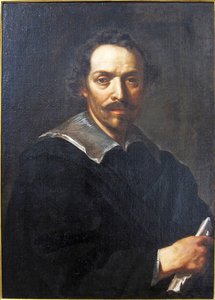
Pietro da Cortona
1596 - 1669 , Italia
Breves datos
- Estilo Artístico: Barroco
- Influencias Artísticas:
- Paolo Veronese
- Tiziano
- Lugar De Nacimiento: Cortona, Italia
- Nacimiento: 1 de noviembre de 1596
- Nacionalidad: Italiana
- Nombre Completo: Pietro da Cortona
- Obras Notables:
- El sacrificio de Polixena
- El triunfo de Baco
- El rapto de las sabinas
- Alegoría de la Providencia Divina
- Otros Nombres: Pietro Berrettini

