Ver en contexto
 Enviar
 Compartir
 Detalles

 Descargar
 Similares
 Radiografía
 Presentación de diapositivas
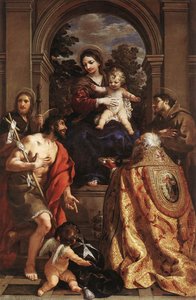
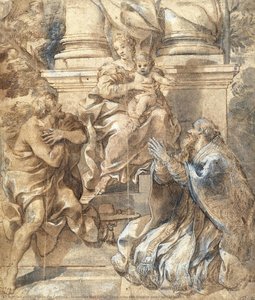
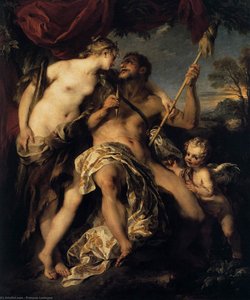
The Punishment of Hercules
 Oil On Canvas
- WallArt
- Italian Baroque
 1635
1635 300.0 x 200.0 cm
 Museo Liechtenstein
 Ver más
Giclée / Impresión de arte
Impresiones giclée o en lienzo de calidad de museo con producción rápida y opciones de acabado flexibles. ( Comprar pintura hecha a mano Comprar imagen)




P118B $10

P118H $10

P118W $10

P438Z $10

P508JH $12

P508YH $12

P805H $10

P805Z $10

P919BZ $10

P919G $10

P919XJ $10

P959ZH $10

P968JZ $12

W106C $8

W218G $10

W218JH $8

W218Y $10

W307PJ $10

W316G $10

W316PJ $8

W316Y $10

W398PJ $8

W4111J $10

W500HY $15

W500JH $15

W692G $12

W849H $8

W940BG $15

W953PJ $8




Elija entre nuestros tamaños predefinidos que respetan las proporciones originales de la obra.

Puede introducir sus propias dimensiones para adaptarse a un marco o espacio específico. Si el tamaño seleccionado no coincide con las proporciones de la imagen original, recortaremos la obra de arte o extenderemos la imagen con un borde con efecto espejo o de color sólido. Se enviará una maqueta digital para su aprobación antes de que comience la producción.
Tenga en cuenta que la vista previa en pantalla no refleja el recorte o la extensión real. Solo la maqueta mostrará con precisión la composición final.
Aunque existen tamaños personalizados, recomendamos seleccionar una dimensión de la lista predefinida para preservar las proporciones originales.
Envío a todo el mundo () en 2 semanas en lugar de las 4/5 semanas estándar. (24 agosto)

Envío exprés gratuito a todo el mundo

Lienzo de lino de alta calidad

Seguro de envío total

Garantía de reembolso de impuestos aduaneros

Garantía de fidelidad cromática exacta

Política de devolución de 60 días (solo por defectos)

Garantía de devolución del 100% del dinero

Descuento por cantidad
 La opción de vidrio solo está disponible en tamaños inferiores a 110 cm.

The Punishment of Hercules
Giclée / Impresión de arte
Dimensiones de la reproducción
-


Precio total final
$ 62
Descripción de la pieza
The Punishment of Hercules: A Baroque Masterpiece by Pietro da Cortona
Pietro da Cortona’s “The Punishment of Hercules,” painted in 1635, is more than just a depiction of a classical myth; it's a visceral exploration of suffering, divine justice, and the enduring human condition. Measuring an impressive 300 x 200 cm, this work immediately commands attention with its dramatic composition and masterful execution characteristic of the Roman Baroque period. Cortona, a true “Tuscan Sun in the Roman Baroque,” expertly blends narrative clarity with theatrical flair, creating a scene that resonates with both intellectual depth and raw emotional power.
- Subject Matter: The painting portrays the infamous episode from Ovid’s *Metamorphoses* where Hercules, after completing his twelve labors, is punished by Zeus for his hubris. This wasn't a simple act of retribution but a carefully orchestrated demonstration of divine authority and the consequences of challenging the gods.
- Composition & Technique: Cortona employs a pyramidal composition, drawing the viewer’s eye inexorably towards Hercules at its apex. The use of tenebrism – dramatic contrasts between light and shadow – is particularly striking, intensifying the sense of suffering and highlighting the heroic posture of the central figure. Notice the meticulous detail in the rendering of fabric, skin tones, and the subtle expressions on the faces of the figures.
Symbolism and Divine Intervention
The scene is layered with symbolic meaning. Hercules’ unwavering gaze and defiant stance represent human resilience in the face of overwhelming power. The two angels flanking him – one above, offering a silent witness, and another below, seemingly attempting to mitigate the punishment – embody divine intervention and the complex relationship between humanity and the heavens. The inclusion of three children adds an element of pathos, suggesting innocence caught within the machinations of fate. Even the small bird hovering near the top left corner could be interpreted as a symbol of observation or perhaps even a messenger from the divine realm.
- Angels: Their presence underscores the theme of judgment and mercy, highlighting the dual nature of divine justice.
- Children: Representing vulnerability and innocence, they heighten the emotional impact of Hercules’ ordeal.
Historical Context & Cortona's Vision
"The Punishment of Hercules" was created during a period of immense artistic innovation in Rome, fueled by papal patronage and a desire to create awe-inspiring works that reflected the power and glory of the Church. Cortona’s work reflects this ambition while simultaneously demonstrating his own unique artistic vision. Trained initially under Andrea Commodi, he quickly absorbed the lessons of Baccio Ciarpi before developing his distinctive style – characterized by its grandeur, dramatic lighting, and meticulous attention to detail. This painting exemplifies his mastery of illusionistic techniques, a hallmark of Baroque art designed to transport viewers into the heart of the narrative.
The fact that this piece was created in 1635 places it firmly within the height of the Roman Baroque, a period defined by its emotional intensity, dynamic compositions, and exploration of religious themes. Cortona’s ability to capture both the physical suffering of Hercules and the spiritual weight of the scene is a testament to his skill and understanding of the era's artistic conventions.
A Timeless Masterpiece – Recreated for Today
ArtsDot offers meticulously crafted hand-painted reproductions of “The Punishment of Hercules,” allowing you to experience the full impact of Cortona’s masterpiece in your own space. Each reproduction is created using traditional techniques and archival materials, ensuring its longevity and preserving the rich colors and textures of the original. Whether adorning a grand salon or a smaller study, this artwork will undoubtedly become a focal point, sparking conversation and inspiring contemplation for years to come.
Obras relacionadas


Biografía del artista
Primeros años y formación
Pietro da Cortona, cuyo nombre real era Pietro Berrettini (o Berrettini), (Cortona, 1 de noviembre de 1596 – Roma, 16 de mayo de 1669) fue un pintor y arquitecto italiano. Se formó en pintura bajo Andrea Commodi en Florencia antes de trasladarse a Roma alrededor de 1612/3, donde se unió al estudio de Baccio Ciardi.Obras y encargos destacados
- El sacrificio de Polixena, El triunfo de Baco y El rapto de las sabinas (1626) para la familia Sacchetti.
- Decoración al fresco en la iglesia de Santa Bibiana (1624-1626) bajo la dirección de Bernini.
- Alegoría de la Providencia Divina y el poder Barberini (1633) para el Palazzo Barberini, un hito en la pintura barroca.
Características clave e influencias
- Temas grandiosos y ejecución hábil.
- Uso del *trompe-l'œil* para crear ilusiones de extensión espacial.
- Influencia de los trabajos perspectivistas de Paolo Veronese y la paleta de colores de Tiziano.
- Proyectos arquitectónicos distintivos e inventivos, aunque pocos se construyeron.
Estilo artístico y desarrollo
Pietro da Cortona evolucionó desde un estilo influenciado por el manierismo temprano hacia una expresión plenamente barroca. Inicialmente, su obra mostraba una atención al detalle y una composición equilibrada, pero con el tiempo adoptó una estética más dinámica y teatral. Su habilidad para combinar la perspectiva, la iluminación dramática y las composiciones complejas lo convirtió en uno de los pintores más solicitados de Roma. La Alegoría de la Providencia Divina es un ejemplo paradigmático de su madurez artística, donde el espacio se expande ilusionísticamente hacia el cielo, creando una sensación de asombro y magnificencia. Su uso del *trompe-l'œil* no solo servía para engañar al ojo, sino también para realzar la grandiosidad de los espacios arquitectónicos.Legado e importancia histórica
Pietro da Cortona dejó un legado duradero en el mundo de la pintura y la arquitectura barroca. Su estilo innovador y sus obras influyentes inspiraron a generaciones de artistas y arquitectos. La combinación de virtuosismo técnico, dramatismo emocional y grandiosidad temática lo consagró como uno de los maestros del Barroco romano. Sus frescos en el Palazzo Barberini siguen siendo un testimonio impresionante de su talento y una referencia obligada para comprender la evolución del arte barroco.- Fechas clave:
- 1596: Nacimiento en Cortona, Toscana.
- 1612/3: Traslado a Roma.
- 1624-1626: Decoración al fresco en la iglesia de Santa Bibiana.
- 1633: Finalización de Alegoría de la Providencia Divina y el poder Barberini.
- 1669: Fallecimiento.
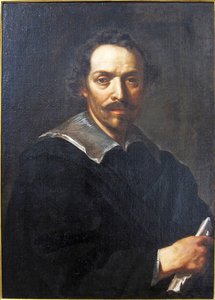
Pietro da Cortona
1596 - 1669 , Italia
Datos clave
- Estilo Artístico: Barroco
- Influencias Artísticas:
- Paolo Veronese
- Tiziano
- Lugar De Nacimiento: Cortona, Italia
- Nacimiento: 1 de noviembre de 1596
- Nacionalidad: Italiana
- Nombre Completo: Pietro da Cortona
- Obras Notables:
- El sacrificio de Polixena
- El triunfo de Baco
- El rapto de las sabinas
- Alegoría de la Providencia Divina
- Otros Nombres: Pietro Berrettini
Artículos relacionados
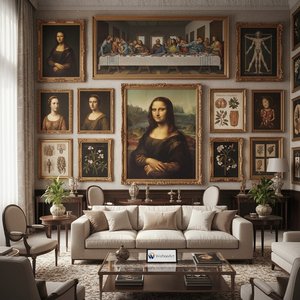
Leonardo da Vinci: Las 25 Obras Maestras que Definieron un Genio | ArtsDot
Descubre las 25 obras maestras de Leonardo da Vinci, desde la Mona Lisa hasta La Última Cena. Explora su arte renacentista, técnicas innovadoras y el legado del genio italiano. Reproducciones de alta calidad para decorar tu hogar con belleza y historia en ArtsDot.com.
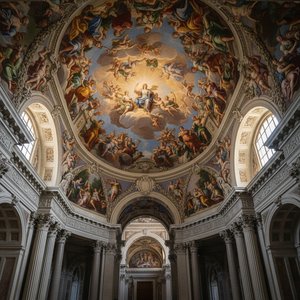
Pietro da Cortona: Baroque Grandeur & the Synthesis of Roman Painting
Explore the life & masterpieces of Pietro da Cortona, a defining figure of the Italian Baroque. Discover his stunning frescoes at Palazzo Barberini and lasting influence on Roman art history. Learn more with ArtsDot.

Giclée Prints: Archival Quality & Aesthetic Nuances for the Discerning Collector
Explore the world of giclée prints with ArtsDot. Learn about archival quality, aesthetic nuances & investment potential. Expert guidance for discerning art collectors seeking museum-quality reproductions and lasting value.

The Enduring Legacy of Fine Art Prints: Technique, History & Aesthetic Impact
Explore the rich history & techniques of fine art prints. Discover investment potential, assess authenticity, and learn how to preserve your collection with expert guidance. Trusted insights for discerning collectors.

Drama Barroca: Llevando la Grandeza y la Emoción a los Interiores Contemporáneos
Descubre cómo el drama y la grandeza del arte barroco pueden transformar tus interiores. Guía experta, inspiración y reproducciones de alta calidad en .