

 Ver en contexto
 Enviar
 Compartir
 Detalles

 Descargar
 Similares
 Radiografía
 Presentación de diapositivas
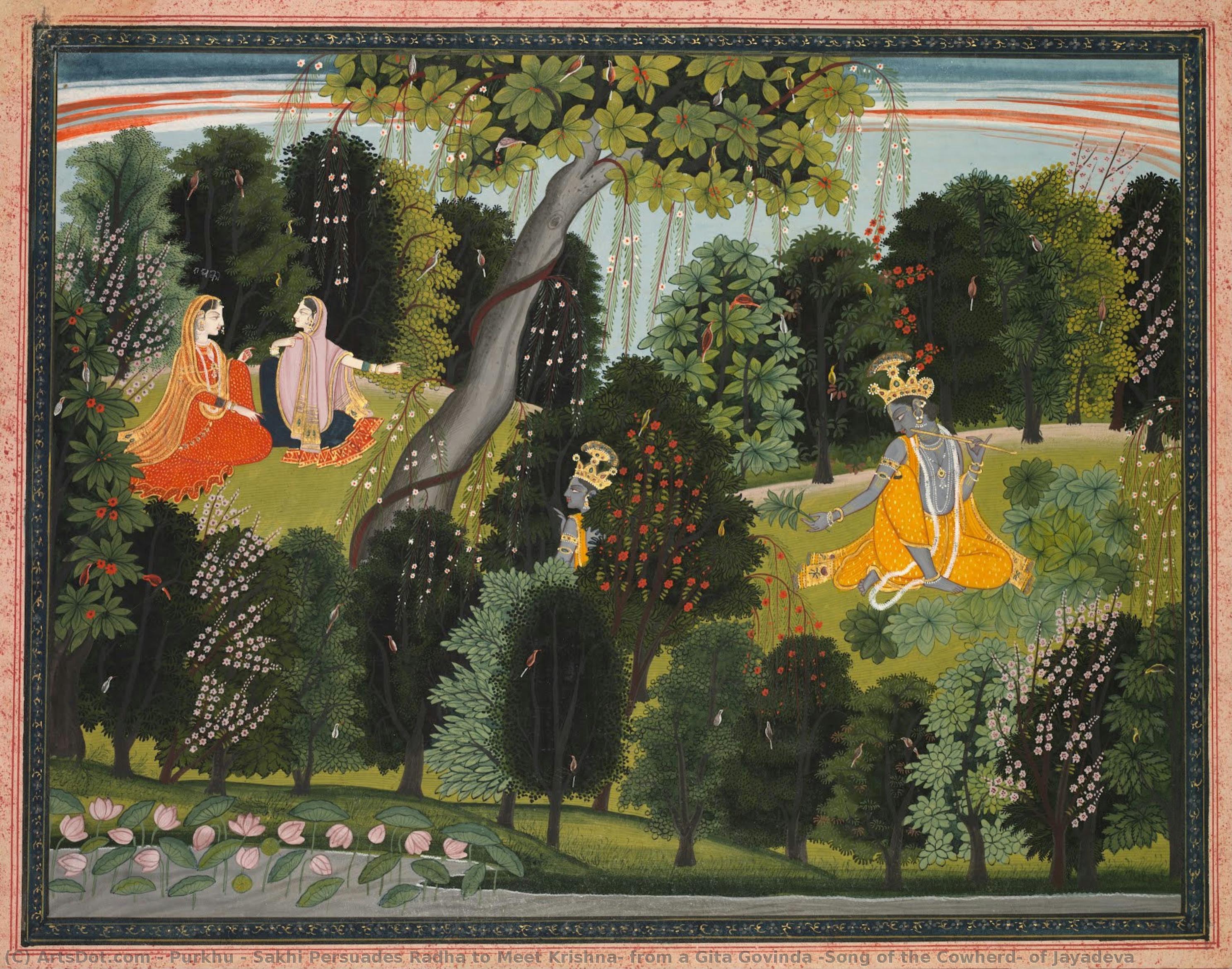
Sakhi Persuades Radha to Meet Krishna, from a Gita Govinda (Song of the Cowherd) of Jayadeva
 Acrylic On Paper
- Indian Miniature Painting
 1820
1820 24.0 x 32.0 cm
 Museo de Arte de Cleveland
 Ver más
Giclée / Impresión de arte
Impresiones giclée o en lienzo de calidad de museo con producción rápida y opciones de acabado flexibles. ( Comprar pintura hecha a mano Comprar imagen)




P118B $10

P118H $10

P118W $10

P438Z $10

P508JH $12

P508YH $12

P805H $10

P805Z $10

P919BZ $10

P919G $10

P919XJ $10

P959ZH $10

P968JZ $12

W106C $8

W218G $10

W218JH $8

W218Y $10

W307PJ $10

W316G $10

W316PJ $8

W316Y $10

W398PJ $8

W4111J $10

W500HY $15

W500JH $15

W692G $12

W849H $8

W940BG $15

W953PJ $8




Elija entre nuestros tamaños predefinidos que respetan las proporciones originales de la obra.

Puede introducir sus propias dimensiones para adaptarse a un marco o espacio específico. Si el tamaño seleccionado no coincide con las proporciones de la imagen original, recortaremos la obra de arte o extenderemos la imagen con un borde con efecto espejo o de color sólido. Se enviará una maqueta digital para su aprobación antes de que comience la producción.
Tenga en cuenta que la vista previa en pantalla no refleja el recorte o la extensión real. Solo la maqueta mostrará con precisión la composición final.
Aunque existen tamaños personalizados, recomendamos seleccionar una dimensión de la lista predefinida para preservar las proporciones originales.
Envío a todo el mundo () en 2 semanas en lugar de las 4/5 semanas estándar. (1 septiembre)

Envío exprés gratuito a todo el mundo

Lienzo de lino de alta calidad

Seguro de envío total

Garantía de reembolso de impuestos aduaneros

Garantía de fidelidad cromática exacta

Política de devolución de 60 días (solo por defectos)

Garantía de devolución del 100% del dinero

Descuento por cantidad
 La opción de vidrio solo está disponible en tamaños inferiores a 110 cm.

Sakhi Persuades Radha to Meet Krishna, from a Gita Govinda (Song of the Cowherd) of Jayadeva
Giclée / Impresión de arte
Dimensiones de la reproducción
-


Precio total final
$ 62
A Divine Encounter: Purkhu’s “Sakhi Persuades Radha”
Within the rich tapestry of 18th-century Rajput painting resides a captivating miniature, "Sakhi Persuades Radha to Meet Krishna," attributed to the masterful Purkhu. Painted circa 1820, this artwork isn't merely a depiction of Hindu mythology; it’s a vibrant window into a world of divine romance, courtly intrigue, and profound symbolism – a testament to the artistic legacy of Kangra. The piece, now housed within the Cleveland Museum of Art, offers a glimpse into the life and work of Purkhu, a key figure in shaping the distinctive Kangra style, known for its luminous colors, intricate detail, and narrative depth.
At the heart of the composition lies a scene plucked from Jayadeva’s celebrated *Gita Govinda*, a Sanskrit epic exploring the passionate love between Krishna and Radha. Purkhu masterfully captures the pivotal moment when Sakhi, Radha's confidante, attempts to coax her into meeting Krishna amidst the lush backdrop of a forest grove. The figures are rendered with remarkable sensitivity – Radha, initially hesitant and veiled in contemplation, is gently urged forward by the energetic Sakhi, who gestures towards the distant figure of Krishna. He’s shown playing his flute, a symbol of divine love and enchantment, while preparing for their clandestine rendezvous. The scene unfolds with an almost palpable sense of anticipation, capturing the delicate balance between Radha's inner turmoil and the allure of divine connection.
Technique and Style: A Symphony of Color and Detail
Purkhu’s artistic approach is immediately recognizable through his masterful use of color. The palette is extraordinarily rich and vibrant – deep blues, emerald greens, fiery reds, and shimmering golds dominate the scene, creating a luminous and almost dreamlike atmosphere. This characteristic of Rajput painting, particularly that of Kangra, stems from the use of mineral pigments, which produce exceptionally bright and enduring hues. The technique itself is characterized by meticulous layering of thin washes of color, building up detail with incredible precision. Purkhu’s brushwork is remarkably fine, creating a sense of texture and depth – from the smooth skin tones to the intricate folds of the foliage and the delicate details of Krishna's flute.
Notably, the composition eschews traditional perspective in favor of a flattened style, a hallmark of Rajput miniature painting. This deliberate flattening creates a stage-like quality, drawing the viewer’s eye directly into the scene and emphasizing its symbolic significance rather than striving for photographic realism. The use of gold leaf adds further opulence and highlights key elements within the composition, particularly Krishna's flute and Radha’s adornments.
Symbolism and Context: A Window into Rajput Culture
Beyond the immediate narrative, “Sakhi Persuades Radha” is laden with symbolism. The forest grove itself represents a space of both danger and delight – a place where divine love can flourish but also carries the risk of transgression. The tree, a recurring motif in Hindu art, symbolizes fertility, life, and the interconnectedness of all things. Flowers, abundant throughout the scene, represent love, beauty, and devotion. The inclusion of verses from Jayadeva’s *Gita Govinda* directly within the painting further enriches its meaning, inviting viewers to engage with the text alongside the visual imagery.
Furthermore, the artwork reflects the cultural context of Kangra during the reign of Maharaja Sansar Chand. Purkhu served as a court artist, documenting not only religious themes but also aspects of royal life and patronage. The piece’s creation coincided with a period of artistic flourishing in Kangra, marked by a synthesis of Mughal and Rajput traditions – a fusion that resulted in a uniquely vibrant and expressive style.
Emotional Resonance: A Celebration of Divine Love
Ultimately, “Sakhi Persuades Radha to Meet Krishna” is more than just a historical artifact; it’s an emotionally resonant work of art. The painting captures the essence of divine love – its intensity, its vulnerability, and its transformative power. The scene evokes a sense of longing, devotion, and anticipation, inviting viewers to contemplate the complexities of human relationships and the eternal quest for spiritual fulfillment. It's a piece that speaks to the timeless themes of romance, faith, and the pursuit of beauty, making it a captivating addition to any collection or a stunning focal point within an interior space.
Obras relacionadas
Biografía del artista
Purkhu: Un Maestro de la Pintura Rajpoot
Purkhu, nacido alrededor de 1750 en Jaipur, India, fue una figura destacada dentro del arte rajpoot, cuyo legado persiste hasta nuestros días como testimonio de un período rico en intercambio artístico y cultural. Aunque los detalles sobre su vida personal son escasos, la profundidad y belleza de sus obras ofrecen una ventana fascinante al espíritu creativo de la India del siglo XVIII y XIX.Vida y Orígenes
La información biográfica disponible sobre Purkhu es limitada, pero se sabe que pertenecía a una familia noble de Jaipur, ciudad conocida por su tradición artística y arquitectónica. Aunque no se conocen datos específicos sobre su educación formal ni sus primeros pasos como artista, la influencia del entorno cultural rajpoot en su formación fue evidente desde temprana edad. Su nacimiento en un hogar comprometido con las artes contribuyó a crear las condiciones ideales para el desarrollo de su talento creativo.Influencias Artísticas y Estilo
El estilo artístico de Purkhu estaba profundamente arraigado en la tradición literaria y poética india, particularmente en obras como el Rasikapriya, el Bhagavata Purana y la serie Ragamala. Estos textos religiosos y culturales proporcionaron inspiración constante para sus pinturas, impulsándolo a incorporar elementos simbólicos y versos directamente en sus composiciones. Esta fusión de palabra e imagen es una característica distintiva que lo diferencia de otros artistas contemporáneos y refleja la sensibilidad estética de su época. Como resultado, Purkhu abrazó un estilo propio que combinaba técnicas tradicionales con una visión innovadora del mundo artístico.- Paletas Vibrantes: Sus pinturas se caracterizan por colores intensos y luminosos, típicos de la estética rajpoot, donde el rojo, el amarillo y el azul dominan las escenas religiosas y mitológicas.
- Planos Bajos: Purkhu rechazó la perspectiva realista en favor de planos bajos de color plano, una estrategia que enfatiza la atmósfera emocional y crea una sensación de profundidad ilusoria.
- Formas Abstractas: Aunque reconocía la influencia del arte mogol – evidente en ciertos elementos estilísticos como el uso de patrones geométricos –, Purkhu mantuvo una identidad artística propia mediante la exploración de temas universales y representación simbólica, alejándose del naturalismo excesivo.
Obras Maestras y Temas Principales
Las obras más destacadas de Purkhu son escenas inspiradas en el Gita Govinda, una poesía épica hindú que narra el amor divino entre Krishna y Radha. Estas pinturas capturan la esencia del romance religioso con una precisión impresionante y una sensibilidad emocional excepcional. Los detalles minuciosos y las expresiones faciales expresivas transmiten la intensidad de los sentimientos humanos y ofrecen una visión profunda de la espiritualidad rajpoot. Entre sus obras más significativas se encuentra “Sakhi Persuades Radha to Meet Krishna”, una representación magistral del encuentro entre los amantes divinos que sigue los principios fundamentales de la tradición artística rajpoot. Esta obra ejemplifica el compromiso con la belleza estética y la transmisión de valores morales propios del arte de Purkhu.Legado Histórico y Reconocimiento
Purkhu fue un artista esencial para comprender el desarrollo del arte rajpoot en el siglo XVIII y XIX, consolidando una tradición artística que continúa inspirando artistas contemporáneos. Su obra fue apreciada por críticos y coleccionistas de renombre internacional, quienes reconocieron su talento excepcional y su capacidad para expresar emociones humanas con maestría artística. Hoy en día, las pinturas de Purkhu se encuentran en importantes museos y galerías de arte alrededor del mundo, testimonio de la grandeza del arte rajpoot y un legado artístico que perdura a través del tiempo. Además, Reproducciones de sus obras están disponibles en plataformas como ArtsDot.com, permitiendo que amantes del arte de todo el planeta disfruten de una pieza fundamental de la historia artística india.
Purkhu
1750 - 1860 , India
Datos clave
- Artistic Movement Or Style: Pintura Rajput
- Artists Or Movements Influenced By This Artist: Mughal Painting
- Date Of Birth: 1750
- Full Name: Purkhu
- Nationality: Indio
- Notable Artworks: ['Sakhi Persuades Radha to Meet Krishna (from Gita Govinda)']
- Place Of Birth: Jaipur, India
Artículos relacionados
Raja Ravi Varma: Bridging Tradition & Modernity in 19th-Century Indian Art
Explore the life & art of Raja Ravi Varma, a pioneer who fused European techniques with Indian iconography. Discover his iconic paintings, lasting legacy, and influence on modern Indian art at ArtsDot.
Jan van Kessel the Elder: A Baroque Master of Floral Still Life & Miniature Portraiture
Discover the exquisite detail of Jan van Kessel the Elder's Baroque floral still lifes & captivating miniatures. Explore his artistic legacy, scientific precision, and lasting influence on 17th-century Flemish painting.
Shadow Catcher: Edward S. Curtis & the Ethnographic Portraiture of a Vanishing West
Explore the life & work of Edward S. Curtis, the 'Shadow Catcher,' and his groundbreaking photographic documentation of Native American cultures. Discover iconic images from *The North American Indian* and a critical look at his lasting legacy.
Richard Cosway: Capturing Regency Elegance & Intimacy Through Portraiture
Explore the captivating world of Richard Cosway, Regency society's celebrated portrait miniaturist. Discover his exquisite art, aristocratic patrons & lasting legacy with ArtsDot.
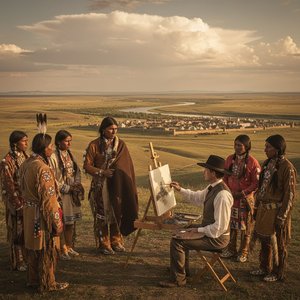
George Catlin: Witnessing & Representing Indigenous Life on the American Frontier
Explore the captivating art of George Catlin, renowned for his vivid portraits & landscapes documenting Native American life on the frontier. Discover a vanishing world through stunning paintings and historical context.

