 Ver en contexto
 Enviar
 Compartir
 Detalles

 Descargar
 Similares
 Radiografía
 Presentación de diapositivas
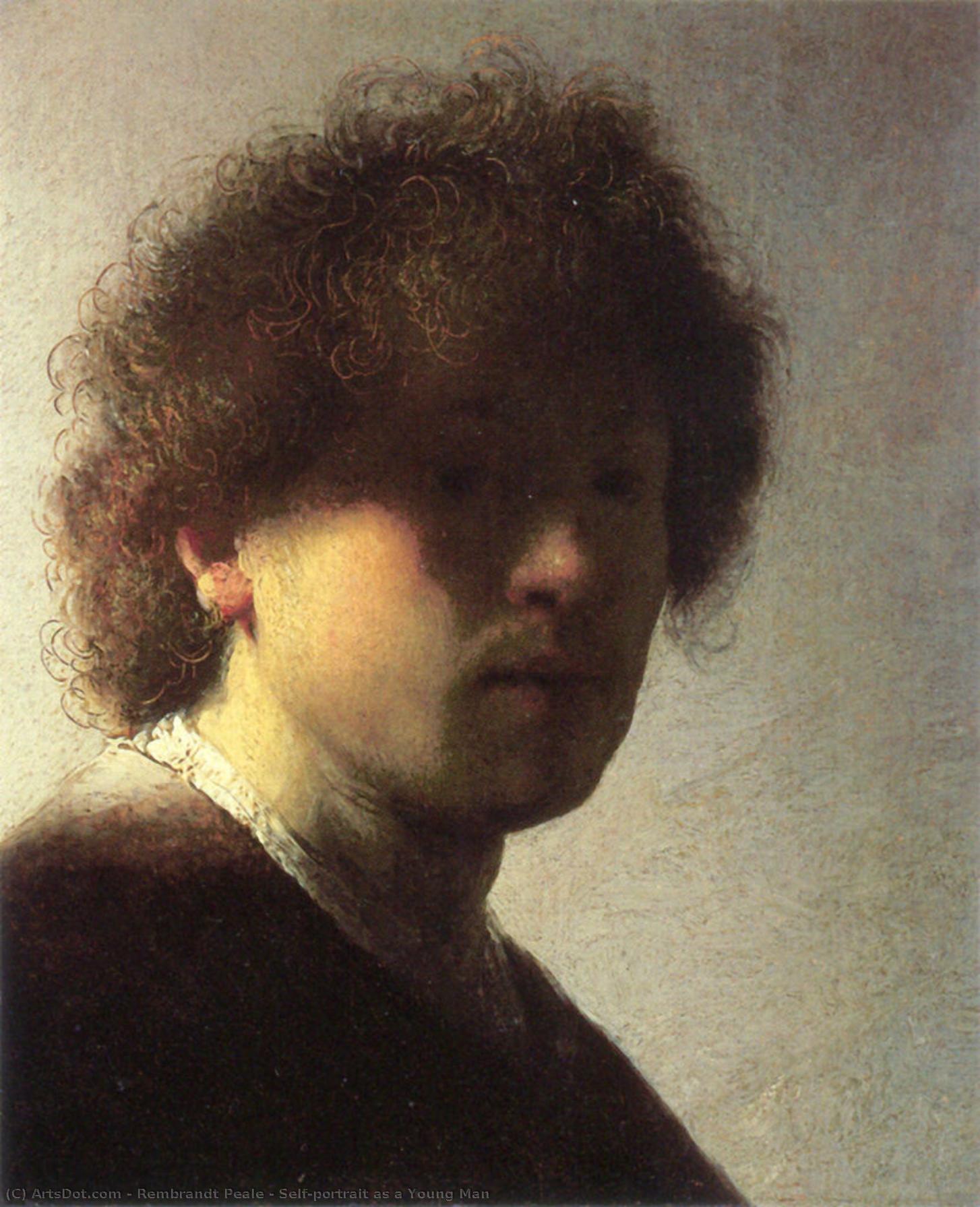
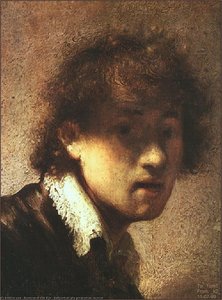
Self-portrait as a Young Man
 Acrylic On Canvas
- WallArt
- Baroque Realism
 1628
1628 19.0 x 23.0 cm
 Rijksmuseum
 Ver más
Reproducción al óleo hecha a mano
Óleo sobre lienzo pintado a mano en el tamaño y marco de su elección, realizado por encargo por nuestros artistas. ( Comprar impresión Comprar imagen)




































Elija entre nuestros tamaños predefinidos que respetan las proporciones originales de la obra.

Puede ingresar sus propias dimensiones para adaptarse a un marco o espacio específico. Si el tamaño seleccionado no coincide con las proporciones de la imagen original, recortaremos la obra o extenderemos la pintura con elementos adicionales pintados a mano. Se le enviará una maqueta digital para su aprobación antes de comenzar la producción.
Tenga en cuenta que la vista previa en pantalla no refleja el recorte o la extensión reales. Solo la maqueta mostrará con precisión la composición final.
Si bien existen tamaños personalizados, recomendamos seleccionar una dimensión de la lista predefinida para preservar las proporciones originales.
Tras realizar el pedido, el equipo de ArtsDot.com enviará un correo electrónico al cliente para solicitar instrucciones y proporcionarle una vista previa del boceto.
Envío a todo el mundo () en 3-4 semanas en lugar de las 5 semanas estándar. (23 agosto). Sin comprometer la calidad.

Envío exprés gratuito a todo el mundo

Lienzo de lino de alta calidad

Seguro de envío total

Garantía de reembolso de impuestos aduaneros

Garantía de fidelidad cromática exacta

Política de devolución de 60 días (solo por defectos)

Garantía de devolución del 100% del dinero

Descuento por cantidad
 La opción de vidrio solo está disponible en tamaños inferiores a 110 cm.

Self-portrait as a Young Man
Técnica de reproducción
Dimensiones de la reproducción
-


Precio total final
$ 263
Descripción de la obra
A Portrait Steeped in Tradition: Rembrandt Peale’s Self-Portrait as a Young Man
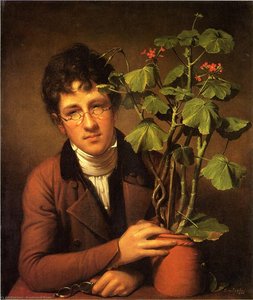
The canvas holds a gaze—a direct confrontation with the viewer—that speaks volumes about ambition, introspection, and the enduring legacy of artistic lineage. Rembrandt Peale's “Self-portrait as a Young Man,” completed in 1628, transcends mere likeness; it embodies the spirit of its time and stands as a testament to Charles Willson Peale’s vision for his son—a vision rooted in the profound influence of European artistic heritage. This striking depiction captures not just a young man's physical appearance but also an inner world brimming with intellectual curiosity and artistic aspiration.Subject Matter and Composition
The portrait presents Rembrandt Peale himself, rendered with meticulous detail against a muted backdrop dominated by a chair—a seemingly simple element that serves as a powerful compositional device. The chair’s placement on the right side subtly directs the eye back to the central figure, creating a balanced visual rhythm. Peale's posture exudes confidence and composure; he sits upright, gazing intently at the viewer with an expression that blends seriousness and thoughtfulness. This gaze isn’t merely observational; it suggests a deliberate engagement—a desire to communicate something beyond the surface appearance. The artist’s hands rest calmly on his lap, hinting at artistic contemplation and conveying a sense of quiet dignity.Style and Technique: Baroque Influence
Peale's style is undeniably informed by the Baroque aesthetic prevalent in Europe during his formative years. Characteristic of the era are dramatic chiaroscuro—the masterful manipulation of light and shadow—which sculpts Peale’s form with remarkable realism. Light illuminates his face and hands, highlighting their contours and creating a palpable sense of depth. The subtle gradations of tone contribute to an overall atmosphere of solemn grandeur, mirroring the artistic conventions favored by painters like Caravaggio and Rubens. Peale skillfully employs oil paint on canvas, layering thin glazes to achieve luminous color and textural richness—a technique that allows for nuanced rendering of skin tones and fabric textures.Historical Context: The Enlightenment’s Artistic Roots
Painted during the burgeoning Enlightenment period, “Self-portrait as a Young Man” reflects the intellectual fervor of its time. The Enlightenment championed reason and observation, influencing artistic endeavors to prioritize accuracy and psychological insight. Peale's father, Charles Willson Peale, was instrumental in establishing the Philadelphia Museum—a pioneering institution dedicated to showcasing scientific specimens alongside artworks—demonstrating the era’s belief in art’s capacity to educate and inspire. This portrait isn’t simply a depiction of an individual; it represents a broader cultural movement striving for clarity and understanding.Symbolism: The Chair as Reflection
The inclusion of the chair is more than just a compositional element; it carries symbolic weight. Traditionally, chairs have represented stability, authority, and contemplation—qualities that Peale wished to convey about himself. Its placement on the right side subtly draws attention away from the figure’s gaze, prompting viewers to consider his inner thoughts and aspirations alongside his outward appearance. The chair serves as a visual anchor, grounding Peale's presence within a framework of intellectual seriousness.Emotional Impact: A Window into Artistic Soul
Ultimately, “Self-portrait as a Young Man” succeeds in capturing the essence of artistic ambition—the desire to portray oneself with honesty and conviction. Peale’s gaze invites contemplation, prompting viewers to consider not only his physical likeness but also his inner spirit. The painting's subdued palette and masterful chiaroscuro evoke a sense of quiet dignity and intellectual curiosity, resonating with audiences today who appreciate the profound beauty of artistic introspection. It remains an enduring emblem of artistic heritage and a captivating glimpse into the soul of a young man determined to leave his mark on the world.Obras relacionadas

Biografía del artista
Primeros años y formación
Rembrandt Peale, un artista y conservador de museo estadounidense, nació el 22 de febrero de 1778 en Bucks County, Pensilvania. Fue el tercer hijo de seis hijos sobrevivientes de su madre, Rachel Brewer, y su padre, Charles Willson Peale, un artista notable. El nombre de Rembrandt fue inspirado por el pintor y grabador holandés del siglo XVII Rembrandt Harmenszoon van Rijn. Su padre enseñó a todos sus hijos a pintar paisajes y retratos, y tutorizó a Rembrandt en las artes y las ciencias.Carrera artística
El estilo de Peale fue influenciado por el neoclasicismo francés después de una estancia en París a principios de los treinta. Comenzó a dibujar a la edad de 8 años y completó su primer autorretrato a los 13, mostrando su dominio temprano. La prolífica carrera de Peale incluyó más de 70 réplicas detalladas, incluyendo retratos de los presidentes George Washington y Thomas Jefferson.- Obras notables:
- George Washington (tipo portilla) (1795), ahora en la Galería Nacional de Retratos (Londres, Reino Unido), [https://ArtsDot.com/@@/d44spg-rembrandt-peale-george-washington-(porthole-type)](pintura de 'Rembrandt Peale' | Rembrandt Peale: George Washington (tipo portilla))
- Hombre con barba (sin fecha), [https://ArtsDot.com/@@/d329cc-rembrandt-peale-man-with-a-beard](pintura de 'Rembrandt Peale' | Rembrandt Peale: Hombre con barba)
- Retrato del Rev. John Pierpont (1785-1866), [https://ArtsDot.com/@@/d4nqk5-rembrandt-peale-portrait-of-the-rev-john-pierpont-(1785-1866)](pintura de 'Rembrandt Peale' | Rembrandt Peale: Retrato del Rev. John Pierpont (1785-1866))
Museo y legado
Peale lanzó su primer museo en Baltimore, Maryland, el 15 de agosto de 1814, que posteriormente sirvió como el segundo ayuntamiento de Baltimore y finalmente fue restaurado como el Museo Peale. Su legado continúa siendo celebrado a través de sus numerosos retratos, ahora forman parte de varias colecciones de museos, incluyendo la Galería Nacional de Retratos (Washington, Estados Unidos), [https://ArtsDot.com/@/rembrandt-peale](artista: Rembrandt Peale | 243 obras de arte).Conclusión
La prolífica carrera de Rembrandt Peale como artista y conservador de museo estadounidense ha dejado un impacto duradero en el mundo del arte. Sus numerosos retratos, incluyendo los de George Washington y Thomas Jefferson, continúan siendo celebrados por su significado histórico y valor artístico.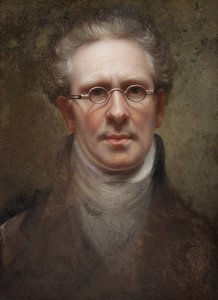
Rembrandt Peale
1778 - 1860 , Estados Unidos de América
Datos clave
- Artistas Que Influyeron:
- Rembrandt Harmenszoon van Rijn
- Charles Willson Peale
- Lugar De Nacimiento: Bucks County, EE. UU.
- Movimiento Artístico: Neoclasicismo
- Nacionalidad: Estadounidense
- Nombre Completo: Rembrandt Peale
- Notable Obras:
- George Washington (tipo portilla)
- Hombre con barba
- Retrato del Rev. John Pierpont
Artículos relacionados

Rembrandt van Rijn: Las 25 Obras Maestras que Definen un Genio | Arte, Historia y Decoración
Descubre las 25 obras maestras de Rembrandt van Rijn, el genio del barroco holandés. Explora su historia, técnica y simbolismo en retratos icónicos como 'La Ronda Nocturna'. Encuentra reproducciones de arte exclusivas para decorar tu hogar con ArtsDot.com.
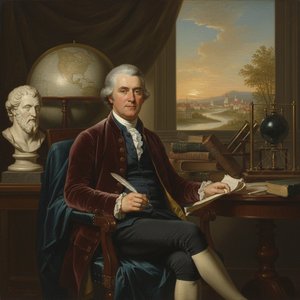
Charles Willson Peale: Portraiture, Enlightenment Ideals & Shaping American Identity
Explore the life & art of Charles Willson Peale – Revolutionary portraitist, scientist, and founder of America’s first museum. Discover his iconic paintings of Washington & the Enlightenment ideals that shaped a nation.
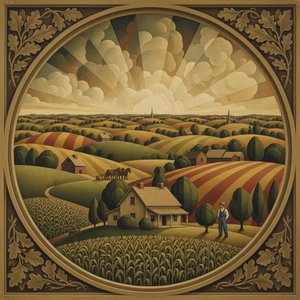
Grant Wood & American Regionalism: Identity, Myth & the Rural Landscape
Explore the world of Grant Wood & American Regionalism with ArtsDot. Discover the symbolism behind 'American Gothic', recurring themes, and the movement's lasting impact on art history. High-quality reproductions available.
Titian Ramsay Peale II: A Legacy of Botanical Precision & Artistic Innovation
Explore the life & art of Titian Ramsay Peale II, a master of botanical precision and wildlife painting. Discover his legacy bridging art & natural history at ArtsDot.
Reflecting the Self: A History of Portraiture & Psychological Insight
Explore the fascinating history of self-portraiture from Renaissance masters like Dürer & Rembrandt to modern interpretations. Discover the psychological insights and artistic techniques behind these iconic works. Expert analysis for art enthusiasts.