 Ver en contexto
 Enviar
 Compartir
 Detalles

 Descargar
 Similares
 Radiografía
 Presentación de diapositivas
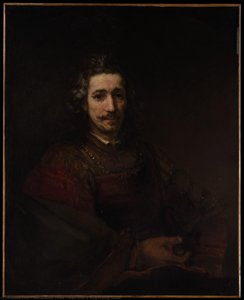
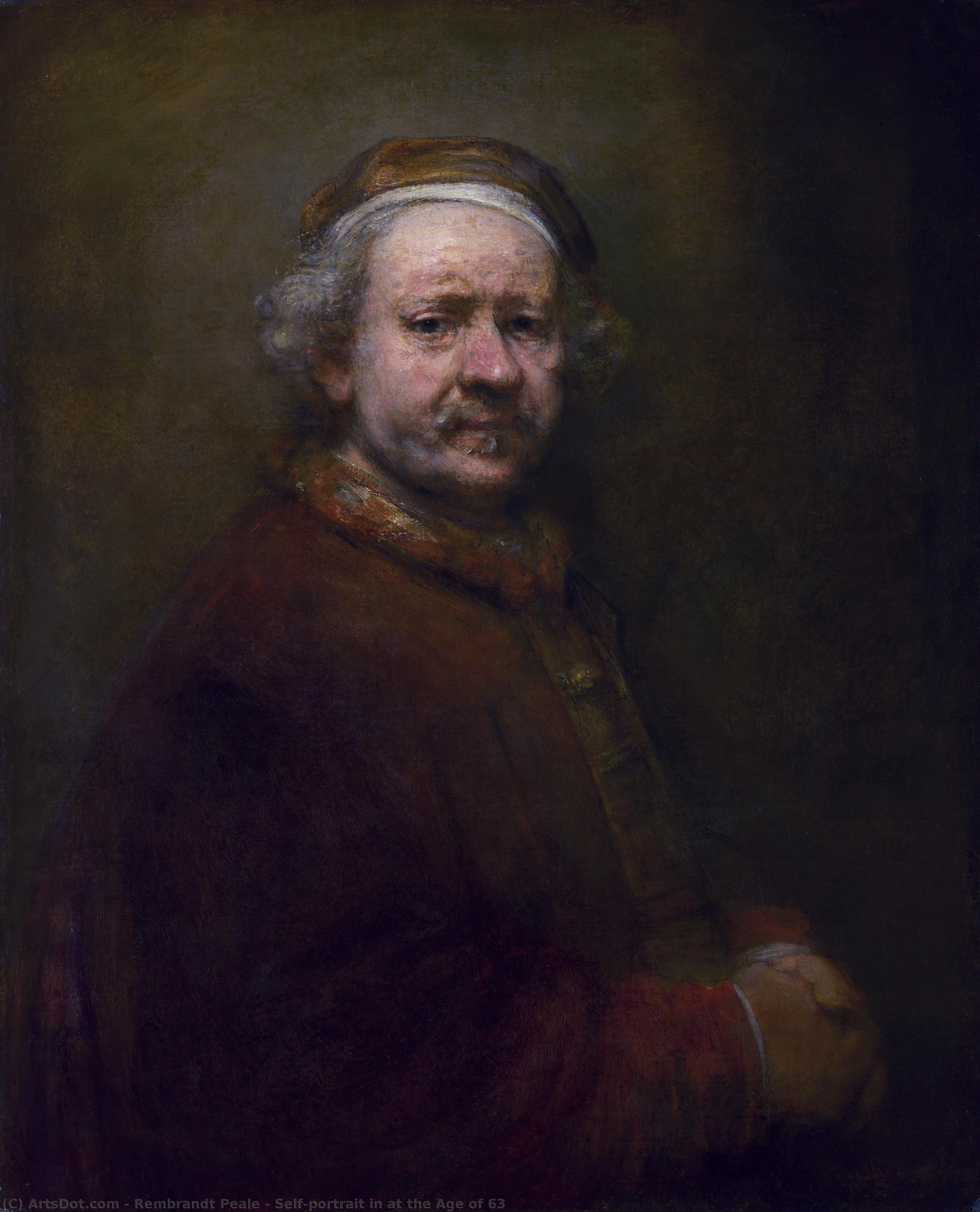
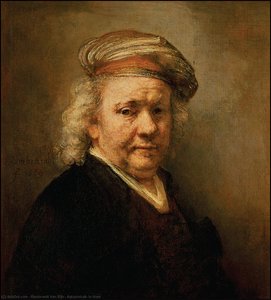
Self-portrait in at the Age of 63
 Neoclassical American
 1669
1669 71.0 x 86.0 cm
 La National Gallery
 Ver más
Reproducción al óleo hecha a mano
Óleo sobre lienzo pintado a mano en el tamaño y marco de su elección, realizado por encargo por nuestros artistas. ( Comprar impresión Comprar imagen)




P118B $10

P118H $10

P118W $10

P438Z $10

P508JH $12

P508YH $12

P805H $10

P805Z $10

P919BZ $10

P919G $10

P919XJ $10

P959ZH $10

P968JZ $12

W106C $8

W218G $10

W218JH $8

W218Y $10

W307PJ $10

W316G $10

W316PJ $8

W316Y $10

W398PJ $8

W4111J $10

W500HY $15

W500JH $15

W692G $12

W849H $8

W940BG $15

W953PJ $8




Elija entre nuestros tamaños predefinidos que respetan las proporciones originales de la obra.

Puede ingresar sus propias dimensiones para adaptarse a un marco o espacio específico. Si el tamaño seleccionado no coincide con las proporciones de la imagen original, recortaremos la obra o extenderemos la pintura con elementos adicionales pintados a mano. Se le enviará una maqueta digital para su aprobación antes de comenzar la producción.
Tenga en cuenta que la vista previa en pantalla no refleja el recorte o la extensión reales. Solo la maqueta mostrará con precisión la composición final.
Si bien existen tamaños personalizados, recomendamos seleccionar una dimensión de la lista predefinida para preservar las proporciones originales.
Tras realizar el pedido, el equipo de ArtsDot.com enviará un correo electrónico al cliente para solicitar instrucciones y proporcionarle una vista previa del boceto.
Envío a todo el mundo () en 3-4 semanas en lugar de las 5 semanas estándar. (1 septiembre). Sin comprometer la calidad.

Envío exprés gratuito a todo el mundo

Lienzo de lino de alta calidad

Seguro de envío total

Garantía de reembolso de impuestos aduaneros

Garantía de fidelidad cromática exacta

Política de devolución de 60 días (solo por defectos)

Garantía de devolución del 100% del dinero

Descuento por cantidad
 La opción de vidrio solo está disponible en tamaños inferiores a 110 cm.

Self-portrait in at the Age of 63
Técnica de reproducción
Dimensiones de la reproducción
-


Precio total final
$ 263
Rembrandt Peale’s “Self-Portrait at the Age of 63”: A Study in Reflection and Mortality
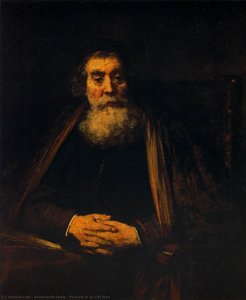
Rembrandt Peale's "Self-Portrait at the Age of 63," painted in 1669, is not merely a depiction of an aging artist; it’s a profound meditation on time, mortality, and the quiet dignity of experience. This remarkable work, now housed within the National Gallery in London, transcends the conventions of traditional self-portraits, offering a glimpse into the soul of a man confronting his own fading beauty and the inevitable passage of years. Peale, a pivotal figure in the burgeoning American art scene, masterfully employs a restrained palette and subtle brushwork to convey a sense of both vulnerability and unwavering resolve.
The painting immediately draws the viewer’s eye to Peale's face – a carefully rendered study of wrinkles, sagging skin, and shadowed eyes. He doesn’t shy away from portraying the marks of time; instead, he embraces them as evidence of a life lived fully. The subtle variations in tone—delicately layered washes of white, ochre, and red lake—create an illusion of depth and texture, highlighting the delicate network of veins beneath his skin. Notably, X-ray analysis has revealed two “pentimenti,” or changes to the composition during the painting’s creation – a revised beret and altered hand positions suggesting a continuous process of refinement and self-assessment. This meticulous attention to detail speaks volumes about Peale's artistic rigor and his desire to capture not just an image, but a feeling.
Neoclassical Roots and American Identity
Peale’s style is firmly rooted in the Neoclassicism that was gaining prominence across Europe during this period. Influenced by artists like Jacques-Louis David, he adopted a clear, linear approach, emphasizing anatomical accuracy and balanced composition. However, unlike many of his European counterparts, Peale infused his work with a distinctly American sensibility. The painting reflects a growing sense of national identity in the colonies, mirroring the ideals of self-reliance and civic virtue championed by figures like George Washington. The pose itself—hands clasped together in front of him, conveying a sense of contemplation and quiet strength—resonates with classical notions of stoicism and moral fortitude.
Furthermore, Peale’s decision to paint himself at this age was revolutionary for the time. Self-portraits were often commissioned as vanity pieces, showcasing youthful beauty and status. Peale, however, used his own aging face as a vehicle for exploring universal themes of mortality and acceptance. He wasn't attempting to conceal his imperfections; he was acknowledging them as integral parts of the human experience.
Symbolism and Emotional Resonance
Beyond its technical brilliance, “Self-Portrait at the Age of 63” is rich in symbolic meaning. The clock on the wall in the background serves as a potent reminder of the relentless march of time. The subtle details—the worn fabric of his coat, the simple setting—suggest a life lived modestly and purposefully. Perhaps most powerfully, Peale’s gaze meets the viewer directly, inviting us to share in his quiet contemplation. There's an undeniable sense of melancholy, but also a profound serenity – a recognition that beauty can be found not just in youth, but in the wisdom and acceptance gained through a life well-lived.
The painting’s emotional impact is deeply affecting. It’s a poignant reminder of our own mortality and an invitation to embrace the present moment. It's a testament to Peale's artistic skill and his ability to capture not just a likeness, but the very essence of human experience.
Historical Context and Legacy
Rembrandt Peale’s life was inextricably linked to the development of American art. As the son of Charles Willson Peale—a renowned naturalist, museum founder, and artist himself—he inherited a legacy of artistic innovation and a deep commitment to public education. His own career spanned several decades, during which he produced hundreds of portraits, many of which became iconic representations of prominent figures in American society. “Self-Portrait at the Age of 63” stands as one of his most enduring achievements, offering a rare glimpse into the inner life of a man who helped shape the artistic landscape of early America.
Today, this painting continues to resonate with viewers across generations, serving as a powerful reminder of the beauty and dignity found in aging—and a testament to the enduring legacy of Rembrandt Peale’s artistic vision.
Obras relacionadas
Biografía del artista
Primeros años y formación
Rembrandt Peale, un artista y conservador de museo estadounidense, nació el 22 de febrero de 1778 en Bucks County, Pensilvania. Fue el tercer hijo de seis hijos sobrevivientes de su madre, Rachel Brewer, y su padre, Charles Willson Peale, un artista notable. El nombre de Rembrandt fue inspirado por el pintor y grabador holandés del siglo XVII Rembrandt Harmenszoon van Rijn. Su padre enseñó a todos sus hijos a pintar paisajes y retratos, y tutorizó a Rembrandt en las artes y las ciencias.Carrera artística
El estilo de Peale fue influenciado por el neoclasicismo francés después de una estancia en París a principios de los treinta. Comenzó a dibujar a la edad de 8 años y completó su primer autorretrato a los 13, mostrando su dominio temprano. La prolífica carrera de Peale incluyó más de 70 réplicas detalladas, incluyendo retratos de los presidentes George Washington y Thomas Jefferson.- Obras notables:
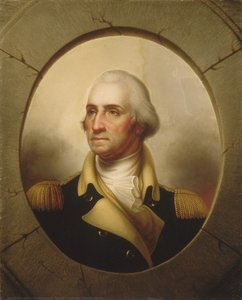
- George Washington (tipo portilla) (1795), ahora en la Galería Nacional de Retratos (Londres, Reino Unido), [https://ArtsDot.com/@@/d44spg-rembrandt-peale-george-washington-(porthole-type)](pintura de 'Rembrandt Peale' | Rembrandt Peale: George Washington (tipo portilla))
- Hombre con barba (sin fecha), [https://ArtsDot.com/@@/d329cc-rembrandt-peale-man-with-a-beard](pintura de 'Rembrandt Peale' | Rembrandt Peale: Hombre con barba)
- Retrato del Rev. John Pierpont (1785-1866), [https://ArtsDot.com/@@/d4nqk5-rembrandt-peale-portrait-of-the-rev-john-pierpont-(1785-1866)](pintura de 'Rembrandt Peale' | Rembrandt Peale: Retrato del Rev. John Pierpont (1785-1866))
Museo y legado
Peale lanzó su primer museo en Baltimore, Maryland, el 15 de agosto de 1814, que posteriormente sirvió como el segundo ayuntamiento de Baltimore y finalmente fue restaurado como el Museo Peale. Su legado continúa siendo celebrado a través de sus numerosos retratos, ahora forman parte de varias colecciones de museos, incluyendo la Galería Nacional de Retratos (Washington, Estados Unidos), [https://ArtsDot.com/@/rembrandt-peale](artista: Rembrandt Peale | 243 obras de arte).Conclusión
La prolífica carrera de Rembrandt Peale como artista y conservador de museo estadounidense ha dejado un impacto duradero en el mundo del arte. Sus numerosos retratos, incluyendo los de George Washington y Thomas Jefferson, continúan siendo celebrados por su significado histórico y valor artístico.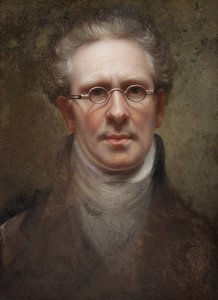
Rembrandt Peale
1778 - 1860 , Estados Unidos de América
Datos clave
- Artistas Que Influyeron:
- Rembrandt Harmenszoon van Rijn
- Charles Willson Peale
- Lugar De Nacimiento: Bucks County, EE. UU.
- Movimiento Artístico: Neoclasicismo
- Nacionalidad: Estadounidense
- Nombre Completo: Rembrandt Peale
- Notable Obras:
- George Washington (tipo portilla)
- Hombre con barba
- Retrato del Rev. John Pierpont
Artículos relacionados

Rembrandt van Rijn: Las 25 Obras Maestras que Definen un Genio | Arte, Historia y Decoración
Descubre las 25 obras maestras de Rembrandt van Rijn, el genio del barroco holandés. Explora su historia, técnica y simbolismo en retratos icónicos como 'La Ronda Nocturna'. Encuentra reproducciones de arte exclusivas para decorar tu hogar con ArtsDot.com.

Los 10 Maestros del Barroco Holandés: Obras que Definen una Época | ArtsDot
Descubre los 10 imprescindibles del Barroco holandés: Rembrandt, Vermeer y más. Explora la historia, técnica y belleza de estas obras maestras. Reproducciones de arte en ArtsDot.com para decorar tu hogar con elegancia.
Charles Willson Peale: Portraiture, Enlightenment Ideals & Shaping American Identity
Explore the life & art of Charles Willson Peale – Revolutionary portraitist, scientist, and founder of America’s first museum. Discover his iconic paintings of Washington & the Enlightenment ideals that shaped a nation.
El Siglo XVII en el Arte: 10 Obras Maestras para Decorar con Historia y Elegancia
Descubre 10 obras maestras del siglo XVII: Rembrandt, Vermeer, Caravaggio y más. Explora la historia, el arte barroco y encuentra reproducciones de alta calidad para decorar tu hogar con elegancia en ArtsDot.com.

Rembrandt van Rijn: A Life Illuminated – Innovation, Emotion, and the Dutch Golden Age
Explore the life & art of Rembrandt van Rijn, a Dutch Golden Age master. Discover his innovative techniques, iconic paintings like 'The Night Watch', and enduring legacy. Expert insights for collectors & enthusiasts.