

 Ver en contexto
 Enviar
 Compartir
 Detalles

 Descargar
 Similares
 Radiografía
 Presentación de diapositivas
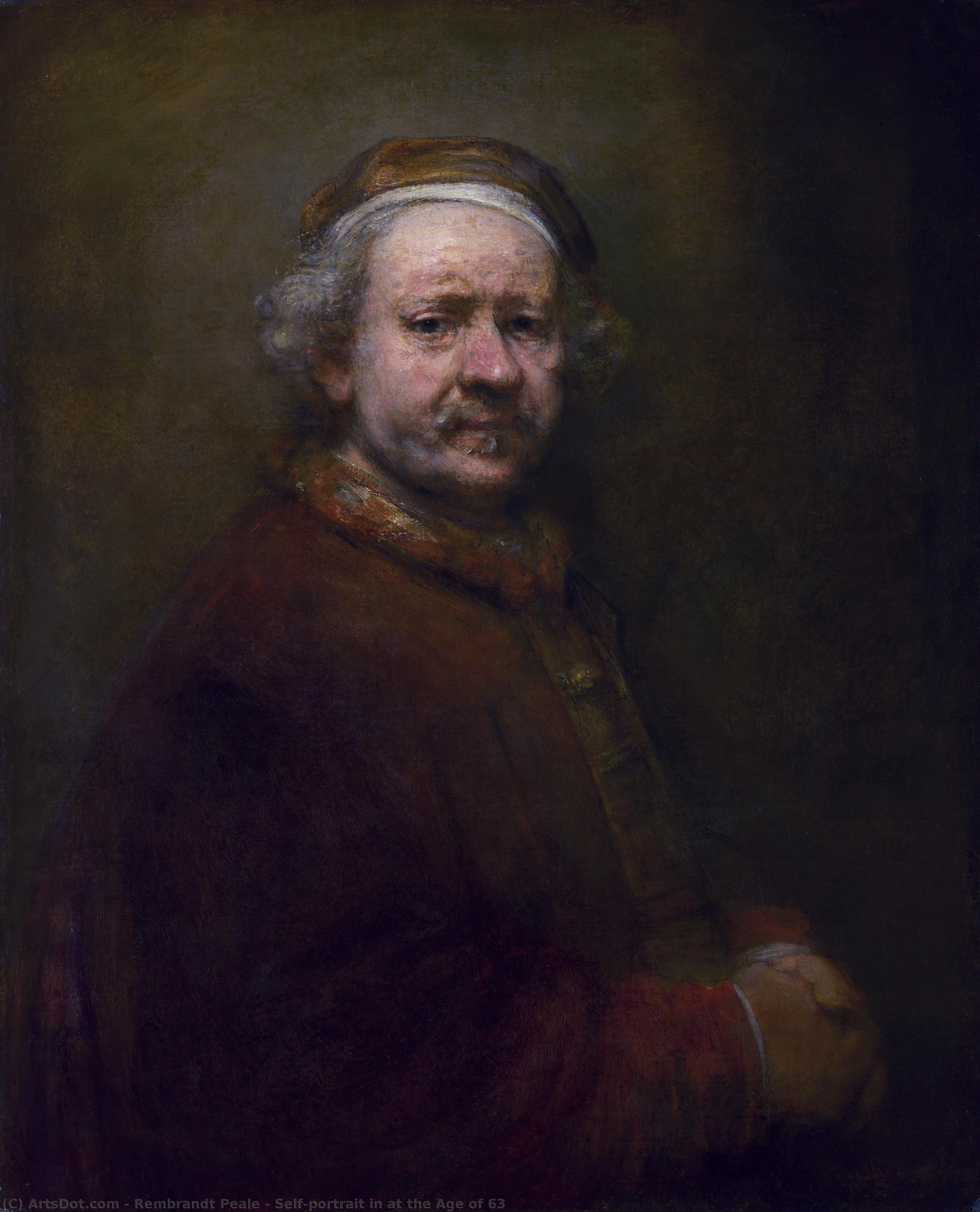
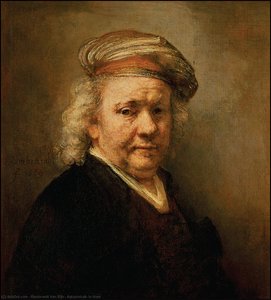
Self-portrait in at the Age of 63
 Neoclassical American
 1669
1669 71.0 x 86.0 cm
 La National Gallery
 Ver más
Adquiera una imagen digital de alta resolución y optimizada, muy superior a la vista previa en línea.
Cada archivo es preparado meticulosamente por nuestros especialistas internos mediante el uso de herramientas avanzadas y un experto retoque manual. Nos aseguramos de que cada imagen posea una claridad excepcional, una precisión cromática impecable y un detalle minucioso.
El archivo final se entrega por correo electrónico en un plazo de 72 horas, optimizado para su uso inmediato en entornos profesionales, editoriales y de impresión. Esta es la misma calidad en la que confían los estudios de diseño, las editoriales y las galerías de primer nivel.
Imagen Digital
Descarga un archivo de alta resolución para exhibición personal, impresión y proyectos creativos. ( Comprar impresión Comprar pintura hecha a mano)
Incluido en cada pedido de imágenes digitales
Entrega digital experta, garantizada.
Al elegir ArtsDot.com, no solo está adquiriendo una imagen; está recibiendo una obra de arte digital mejorada profesionalmente, elaborada con precisión y respaldada por una garantía de satisfacción. Esto es todo lo que incluye su pedido, automáticamente:

Entrega rápida por email
Recibirá su archivo de imagen digital en alta resolución por correo electrónico en un plazo de 72 horas tras realizar su pedido, listo para su uso inmediato.

Archivo digital optimizado por IA
Su obra de arte se optimiza profesionalmente mediante herramientas avanzadas de IA y edición manual, garantizando el máximo detalle, claridad y precisión cromática.

Reenvío gratuito de por vida
¿Has borrado o perdido tu archivo por error? No te preocupes: te lo volveremos a enviar en cualquier momento, sin coste adicional.

Sin gastos de importación, siempre
Disfrute de su obra de arte al instante sin aduanas, aranceles ni gastos de envío; las descargas digitales siempre están libres de impuestos.

Garantía de fidelidad de color
Garantizamos que su imagen digital refleje los colores originales con la mayor fidelidad posible, mediante el uso de herramientas profesionales y gestión del color.

Garantía de satisfacción de 60 días
Si no está satisfecho con su imagen digital, la revisaremos o le reembolsaremos el 100% en un plazo de 60 días, sin preguntas.

100% Garantía de devolución de dinero
¿No está satisfecho? Obtenga un reembolso completo dentro de los 60 días posteriores a la recepción de su archivo digital, sin necesidad de explicaciones.

Descuentos por pedidos grandes
Compra 3 imágenes, ahorra 10% - Compra 5, ahorra 15% - Compra 10+, ahorra 20%. Ideal para proyectos creativos, galerías y agencias.
Rembrandt Peale’s “Self-Portrait at the Age of 63”: A Study in Reflection and Mortality
Rembrandt Peale's "Self-Portrait at the Age of 63," painted in 1669, is not merely a depiction of an aging artist; it’s a profound meditation on time, mortality, and the quiet dignity of experience. This remarkable work, now housed within the National Gallery in London, transcends the conventions of traditional self-portraits, offering a glimpse into the soul of a man confronting his own fading beauty and the inevitable passage of years. Peale, a pivotal figure in the burgeoning American art scene, masterfully employs a restrained palette and subtle brushwork to convey a sense of both vulnerability and unwavering resolve.
The painting immediately draws the viewer’s eye to Peale's face – a carefully rendered study of wrinkles, sagging skin, and shadowed eyes. He doesn’t shy away from portraying the marks of time; instead, he embraces them as evidence of a life lived fully. The subtle variations in tone—delicately layered washes of white, ochre, and red lake—create an illusion of depth and texture, highlighting the delicate network of veins beneath his skin. Notably, X-ray analysis has revealed two “pentimenti,” or changes to the composition during the painting’s creation – a revised beret and altered hand positions suggesting a continuous process of refinement and self-assessment. This meticulous attention to detail speaks volumes about Peale's artistic rigor and his desire to capture not just an image, but a feeling.
Neoclassical Roots and American Identity
Peale’s style is firmly rooted in the Neoclassicism that was gaining prominence across Europe during this period. Influenced by artists like Jacques-Louis David, he adopted a clear, linear approach, emphasizing anatomical accuracy and balanced composition. However, unlike many of his European counterparts, Peale infused his work with a distinctly American sensibility. The painting reflects a growing sense of national identity in the colonies, mirroring the ideals of self-reliance and civic virtue championed by figures like George Washington. The pose itself—hands clasped together in front of him, conveying a sense of contemplation and quiet strength—resonates with classical notions of stoicism and moral fortitude.
Furthermore, Peale’s decision to paint himself at this age was revolutionary for the time. Self-portraits were often commissioned as vanity pieces, showcasing youthful beauty and status. Peale, however, used his own aging face as a vehicle for exploring universal themes of mortality and acceptance. He wasn't attempting to conceal his imperfections; he was acknowledging them as integral parts of the human experience.
Symbolism and Emotional Resonance
Beyond its technical brilliance, “Self-Portrait at the Age of 63” is rich in symbolic meaning. The clock on the wall in the background serves as a potent reminder of the relentless march of time. The subtle details—the worn fabric of his coat, the simple setting—suggest a life lived modestly and purposefully. Perhaps most powerfully, Peale’s gaze meets the viewer directly, inviting us to share in his quiet contemplation. There's an undeniable sense of melancholy, but also a profound serenity – a recognition that beauty can be found not just in youth, but in the wisdom and acceptance gained through a life well-lived.
The painting’s emotional impact is deeply affecting. It’s a poignant reminder of our own mortality and an invitation to embrace the present moment. It's a testament to Peale's artistic skill and his ability to capture not just a likeness, but the very essence of human experience.
Historical Context and Legacy
Rembrandt Peale’s life was inextricably linked to the development of American art. As the son of Charles Willson Peale—a renowned naturalist, museum founder, and artist himself—he inherited a legacy of artistic innovation and a deep commitment to public education. His own career spanned several decades, during which he produced hundreds of portraits, many of which became iconic representations of prominent figures in American society. “Self-Portrait at the Age of 63” stands as one of his most enduring achievements, offering a rare glimpse into the inner life of a man who helped shape the artistic landscape of early America.
Today, this painting continues to resonate with viewers across generations, serving as a powerful reminder of the beauty and dignity found in aging—and a testament to the enduring legacy of Rembrandt Peale’s artistic vision.
Obras relacionadas
Biografía del artista
Primeros años y formación
Rembrandt Peale, un artista y conservador de museo estadounidense, nació el 22 de febrero de 1778 en Bucks County, Pensilvania. Fue el tercer hijo de seis hijos sobrevivientes de su madre, Rachel Brewer, y su padre, Charles Willson Peale, un artista notable. El nombre de Rembrandt fue inspirado por el pintor y grabador holandés del siglo XVII Rembrandt Harmenszoon van Rijn. Su padre enseñó a todos sus hijos a pintar paisajes y retratos, y tutorizó a Rembrandt en las artes y las ciencias.Carrera artística
El estilo de Peale fue influenciado por el neoclasicismo francés después de una estancia en París a principios de los treinta. Comenzó a dibujar a la edad de 8 años y completó su primer autorretrato a los 13, mostrando su dominio temprano. La prolífica carrera de Peale incluyó más de 70 réplicas detalladas, incluyendo retratos de los presidentes George Washington y Thomas Jefferson.- Obras notables:
- George Washington (tipo portilla) (1795), ahora en la Galería Nacional de Retratos (Londres, Reino Unido), [https://ArtsDot.com/@@/d44spg-rembrandt-peale-george-washington-(porthole-type)](pintura de 'Rembrandt Peale' | Rembrandt Peale: George Washington (tipo portilla))
- Hombre con barba (sin fecha), [https://ArtsDot.com/@@/d329cc-rembrandt-peale-man-with-a-beard](pintura de 'Rembrandt Peale' | Rembrandt Peale: Hombre con barba)
- Retrato del Rev. John Pierpont (1785-1866), [https://ArtsDot.com/@@/d4nqk5-rembrandt-peale-portrait-of-the-rev-john-pierpont-(1785-1866)](pintura de 'Rembrandt Peale' | Rembrandt Peale: Retrato del Rev. John Pierpont (1785-1866))
Museo y legado
Peale lanzó su primer museo en Baltimore, Maryland, el 15 de agosto de 1814, que posteriormente sirvió como el segundo ayuntamiento de Baltimore y finalmente fue restaurado como el Museo Peale. Su legado continúa siendo celebrado a través de sus numerosos retratos, ahora forman parte de varias colecciones de museos, incluyendo la Galería Nacional de Retratos (Washington, Estados Unidos), [https://ArtsDot.com/@/rembrandt-peale](artista: Rembrandt Peale | 243 obras de arte).Conclusión
La prolífica carrera de Rembrandt Peale como artista y conservador de museo estadounidense ha dejado un impacto duradero en el mundo del arte. Sus numerosos retratos, incluyendo los de George Washington y Thomas Jefferson, continúan siendo celebrados por su significado histórico y valor artístico.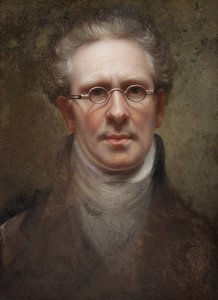
Rembrandt Peale
1778 - 1860 , Estados Unidos de América
Breves datos
- Artistas Que Influyeron:
- Rembrandt Harmenszoon van Rijn
- Charles Willson Peale
- Lugar De Nacimiento: Bucks County, EE. UU.
- Movimiento Artístico: Neoclasicismo
- Nacionalidad: Estadounidense
- Nombre Completo: Rembrandt Peale
- Notable Obras:
- George Washington (tipo portilla)
- Hombre con barba
- Retrato del Rev. John Pierpont

