 Ver en contexto
 Enviar
 Compartir
 Detalles

 Descargar
 Similares
 Radiografía
 Presentación de diapositivas
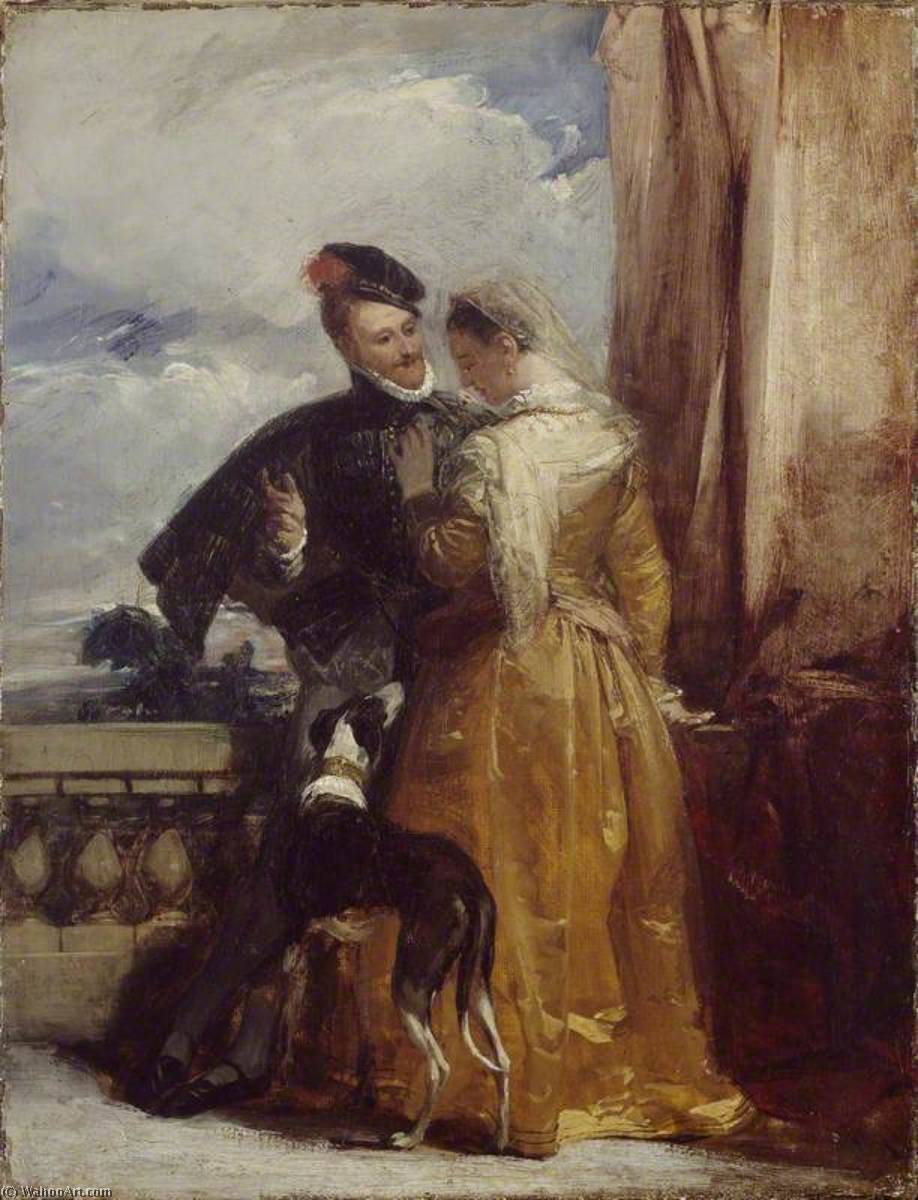
Amy Robsart and the Earl of Leicester
 Oil On Canvas
- WallArt
- Romantic Landscape
 1827
1827 35.0 x 27.0 cm
 El Museo Ashmolean de Arte y Arqueología
 Ver más
Giclée / Impresión de arte
Impresiones giclée o en lienzo de calidad de museo con producción rápida y opciones de acabado flexibles. ( Comprar pintura hecha a mano Comprar imagen)




P118B $10

P118H $10

P118W $10

P438Z $10

P508JH $12

P508YH $12

P805H $10

P805Z $10

P919BZ $10

P919G $10

P919XJ $10

P959ZH $10

P968JZ $12

W106C $8

W218G $10

W218JH $8

W218Y $10

W307PJ $10

W316G $10

W316PJ $8

W316Y $10

W398PJ $8

W4111J $10

W500HY $15

W500JH $15

W692G $12

W849H $8

W940BG $15

W953PJ $8




Elija entre nuestros tamaños predefinidos que respetan las proporciones originales de la obra.

Puede introducir sus propias dimensiones para adaptarse a un marco o espacio específico. Si el tamaño seleccionado no coincide con las proporciones de la imagen original, recortaremos la obra de arte o extenderemos la imagen con un borde con efecto espejo o de color sólido. Se enviará una maqueta digital para su aprobación antes de que comience la producción.
Tenga en cuenta que la vista previa en pantalla no refleja el recorte o la extensión real. Solo la maqueta mostrará con precisión la composición final.
Aunque existen tamaños personalizados, recomendamos seleccionar una dimensión de la lista predefinida para preservar las proporciones originales.
Envío a todo el mundo () en 2 semanas en lugar de las 4/5 semanas estándar. (4 septiembre)

Envío exprés gratuito a todo el mundo

Lienzo de lino de alta calidad

Seguro de envío total

Garantía de reembolso de impuestos aduaneros

Garantía de fidelidad cromática exacta

Política de devolución de 60 días (solo por defectos)

Garantía de devolución del 100% del dinero

Descuento por cantidad
 La opción de vidrio solo está disponible en tamaños inferiores a 110 cm.

Amy Robsart and the Earl of Leicester
Giclée / Impresión de arte
Dimensiones de la reproducción
-


Precio total final
$ 62
Amy Robsart and the Earl of Leicester: A Glimpse into Romantic Intrigue
Richard Parkes Bonington’s “Amy Robsart and the Earl of Leicester” is more than just a portrait; it's a meticulously crafted tableau vivant, capturing a pivotal moment in Tudor history and hinting at the tragic romance that unfolded within its frame. Painted in 1827, this oil-on-canvas work transports us to a shadowy corner of Northumberland, where the famed beauty, Amy Robsart, stands poised beside her powerful husband, the Earl of Leicester – a man whose ambition and eventual downfall would become legendary. Bonington’s skill lies not merely in his technical proficiency but in his ability to infuse the scene with an atmosphere of restrained drama and subtle emotion, creating a work that resonates long after initial observation. The painting's muted palette—dominated by deep blues, greens, and browns—evokes the dampness and mystery of the Northumberland landscape, while the carefully rendered fabrics and jewelry suggest the wealth and status of both figures.A Masterclass in Romantic Technique
Bonington’s approach to this commission is a fascinating study in Romantic technique. He eschews the overtly theatrical poses favored by some of his contemporaries, opting instead for a more naturalistic depiction of the couple. The composition is deliberately asymmetrical, drawing our eye to Amy Robsart's face – her expression a delicate blend of serenity and guarded awareness. Note the subtle play of light on her skin, meticulously rendered with layers of translucent paint—a hallmark of Bonington’s style. He employs a technique known as *sfumato*, blurring the edges and creating an atmospheric haze that softens the forms and contributes to the painting's overall sense of mystery. The Earl of Leicester, standing close behind, is depicted in profile, his presence commanding yet subtly restrained. His dark attire contrasts sharply with Amy’s lighter gown, further emphasizing their differing roles within the scene. The inclusion of the dog, a small terrier, adds an element of domesticity and reinforces the intimate setting.Historical Context: Intrigue and Tragedy
“Amy Robsart and the Earl of Leicester” is inextricably linked to one of England’s most infamous scandals. Amy Robsart was the young wife of Robert Dudley, the King's chief advisor and a man who held immense power and influence. However, her marriage was shrouded in suspicion following Dudley’s suspected involvement in the murder of her first husband, Sir Brian de Vere. The painting itself is a visual echo of this turbulent period. The somber mood, the veiled glances exchanged between the figures, and the suggestion of hidden secrets all contribute to the sense that something significant—and potentially dangerous—is about to unfold. It’s believed Bonington was commissioned by Leicester himself, perhaps as a subtle reminder of his position and power, or possibly as a means of subtly attempting to deflect suspicion surrounding his relationship with Amy.Symbolism and Emotional Resonance
Beyond the historical narrative, “Amy Robsart and the Earl of Leicester” is rich in symbolic meaning. The dark, brooding landscape represents the shadows of doubt and intrigue that surrounded the couple’s lives. The dog, often associated with loyalty and guardianship, could be interpreted as a symbol of protection or perhaps even a warning. Amy's gaze—directed slightly downward—suggests vulnerability and a quiet resignation to her fate. The Earl’s arm around her waist is not one of overt affection but rather a gesture of control and possession. The painting doesn’t offer easy answers; instead, it invites the viewer to contemplate the complexities of love, power, and betrayal – themes that continue to fascinate audiences today.A Timeless Masterpiece: Reproduction Possibilities
Today, “Amy Robsart and the Earl of Leicester” stands as a testament to Bonington’s artistic genius and his ability to capture the essence of a historical moment. High-quality reproductions offer an exceptional opportunity to bring this captivating work into your home or office, allowing you to appreciate its intricate details and evocative atmosphere. Whether you choose a standard print or opt for a custom canvas with archival inks, a reproduction will serve as a beautiful reminder of Tudor intrigue and the enduring power of Romantic art. Consider framing options that complement the painting’s somber tones – dark wood frames would enhance the sense of mystery, while lighter colors could create a more intimate setting.Obras relacionadas


Biografía del artista
Primeros años y formación
Richard Parkes Bonington, una figura destacada del movimiento romántico británico, nació el 25 de octubre de 1802 en Arnold, Nottinghamshire, Reino Unido. Su padre, también llamado Richard, era un individuo multifacético que trabajó como carcelero, maestro de dibujo y fabricante de encaje. Este diverso trasfondo probablemente influyó en las primeras inclinaciones artísticas de Bonington. https://ArtsDot.com/@/richardparkesbonington, la plataforma en línea para entusiastas del arte, ofrece una extensa colección de obras de Bonington, mostrando su maestría sobre paisajes y escenas históricas.Evolución artística e influencias
El viaje artístico de Bonington comenzó con la pintura a la acuarela, enseñado por su padre. A los once años ya estaba exhibiendo en la Academia de Liverpool. En 1817, su familia se mudó a Calais, Francia, donde tomó lecciones de François Louis Thomas Francia, quien lo introdujo a la técnica inglesa de acuarela.- La influencia de Francia puede verse en las primeras obras de Bonington, caracterizadas por una mezcla de estilos inglés y francés.
- Su encuentro con Eugène Delacroix https://ArtsDot.com/@/eugenedelacroix, un pintor romántico francés, moldeó aún más su enfoque artístico.
- Su tiempo en la École des Beaux-Arts en París, bajo Antoine-Jean, Baron Gros, solidificó sus habilidades.
Obras destacadas y logros
Pinturas clave:- Rouen, Normandía, c. 1823 (disponible en /es/art/show/art-8xyhdc-es/
- Vista de la laguna cerca de Venecia, 1827 (Louvre)
- Carlos V visita a François Ier después de la batalla de Pavia, c. 1827
- Medalla de oro en el Salón de París en 1824, junto con John Constable y Anthony Vandyke Copley Fielding.
- El tributo de Delacroix al trabajo de Bonington en una carta a Théophile Thoré en 1861, destacando su ligereza de toque.
Legado y recuerdo
La vida de Bonington se truncó debido a la tuberculosis, que le arrebató la vida el 23 de septiembre de 1828, a los 25 años. A pesar de su breve carrera, dejó una huella imborrable en el romanticismo británico.- Una estatua en Nottingham School of Art, erigida por Watson Fothergill.
- Un teatro y escuela primaria en su ciudad natal de Arnold que llevan su nombre.
- La Wallace Collection alberga un grupo significativo de 35 obras, mostrando tanto sus paisajes como sus pinturas históricas.
Importancia Histórica
Richard Parkes Bonington fue fundamental en la transición del arte inglés hacia el Romanticismo y tuvo una influencia significativa en pintores posteriores como Delacroix. Su habilidad para capturar la luz y la atmósfera, combinada con su estilo fluido y espontáneo, lo convirtió en un artista innovador y admirado. Su trabajo ayudó a popularizar las acuarelas y los bocetos al aire libre, sentando las bases para el impresionismo posterior. Bonington es recordado como un talento precoz cuya carrera fue interrumpida demasiado pronto, pero cuyo legado continúa inspirando a artistas y amantes del arte en todo el mundo.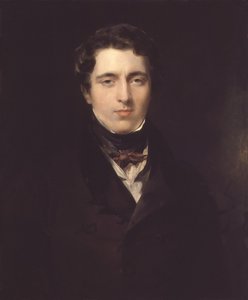
Richard Parkes Bonington
1802 - 1828 , Reino Unido
Datos clave
- Artistas Que Influyeron:
- François Louis Thomas Francia
- Eugène Delacroix
- Fecha De Muerte: 23 de septiembre de 1828
- Fecha De Nacimiento: 25 de octubre de 1802
- Influencia En Artistas: Artistas británicos e imitadores
- Lugar De Nacimiento: Arnold, Reino Unido
- Movimiento Artístico: Romanticismo Británico
- Nacionalidad: Británico
- Nombre Completo: Richard Parkes Bonington
- Obras Notables:
- Rouen, Normandía (c. 1823)
- Vista del lago cerca de Venecia (1827)
- Carlos V visita a Francisco I (c. 1827)
Artículos relacionados
Richard Parkes Bonington: A Brief but Brilliant Career – Romantic Landscapes & the Dawn of Plein Air Painting
Explore the short but impactful career of Richard Parkes Bonington, a pivotal figure bridging British Romanticism & French plein air painting. Discover his luminous landscapes and lasting influence on Delacroix & beyond.
Richard Cosway: Capturing Regency Elegance & Intimacy Through Portraiture
Explore the captivating world of Richard Cosway, Regency society's celebrated portrait miniaturist. Discover his exquisite art, aristocratic patrons & lasting legacy with ArtsDot.
Sir Thomas Lawrence: Portraiture, Power & Regency Society's Aesthetics
Explore the captivating world of Sir Thomas Lawrence, Regency England's premier portraitist. Discover his artistic techniques, powerful representations of society, and enduring legacy. Expert insights for discerning art collectors.
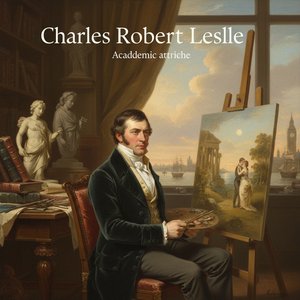
Charles Robert Leslie: Navigating Romantic Ideals & Academic Tradition
Explore the life & art of Charles Robert Leslie, a key figure bridging Romantic ideals with Victorian academic tradition. Discover his captivating portraits, literary scenes, and enduring legacy as Constable’s biographer.