Menú
Asesoría de arte gratuita
Ver en contextoVer en contexto Vista previa en RAVista previa en RA Comprar impresión Comprar impresiónComprar pintura hecha a mano Comprar pintura hecha a mano EnviarEnviar
DetallesDetalles Añadir a favoritos Añadir a favoritos DescargarDescargar SimilaresSimilares RadiografíaRadiografía Presentación de diapositivasPresentación de diapositivas

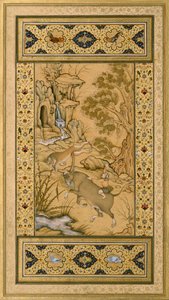
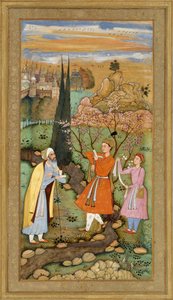
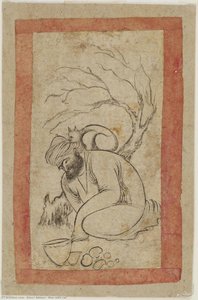
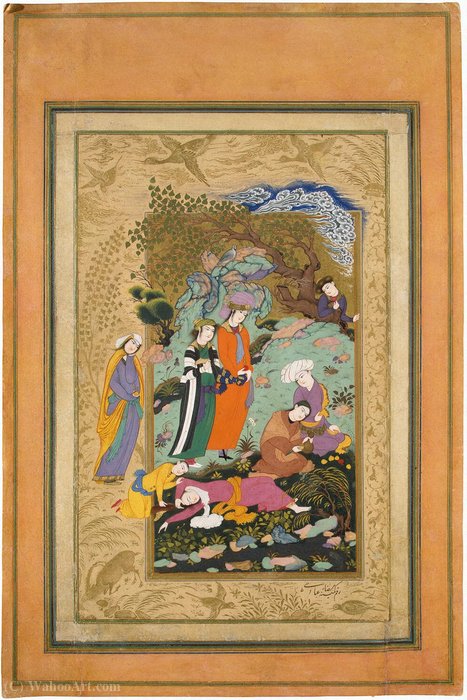
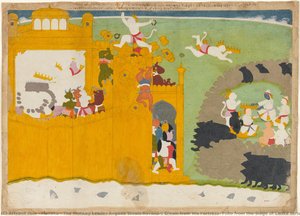
Convivial Party - QLVR - (740^QLI)

Explore the exquisite miniatures of Reza Abbasi, a master of 17th-century Persian art. Known for idealized youth portraits & elegant garden scenes, his work shaped generations.

Adquiera una imagen digital de alta resolución y optimizada, muy superior a la vista previa en línea.

Cada archivo es preparado meticulosamente por nuestros especialistas internos mediante el uso de herramientas avanzadas y un experto retoque manual. Nos aseguramos de que cada imagen posea una claridad excepcional, una precisión cromática impecable y un detalle minucioso.

El archivo final se entrega por correo electrónico en un plazo de 72 horas, optimizado para su uso inmediato en entornos profesionales, editoriales y de impresión. Esta es la misma calidad en la que confían los estudios de diseño, las editoriales y las galerías de primer nivel.

Imagen Digital

Descarga un archivo de alta resolución para exhibición personal, impresión y proyectos creativos. (Comprar impresión Comprar impresiónComprar pintura hecha a mano Comprar pintura hecha a mano)

Precio total

$ 24,00

Incluido en cada pedido de imágenes digitales

Entrega digital experta, garantizada.

Al elegir ArtsDot.com, no solo está adquiriendo una imagen; está recibiendo una obra de arte digital mejorada profesionalmente, elaborada con precisión y respaldada por una garantía de satisfacción. Esto es todo lo que incluye su pedido, automáticamente:

shipping_icon
Entrega rápida por email

Recibirá su archivo de imagen digital en alta resolución por correo electrónico en un plazo de 72 horas tras realizar su pedido, listo para su uso inmediato.

canvas_icon
Archivo digital optimizado por IA

Su obra de arte se optimiza profesionalmente mediante herramientas avanzadas de IA y edición manual, garantizando el máximo detalle, claridad y precisión cromática.

insurance_icon
Reenvío gratuito de por vida

¿Has borrado o perdido tu archivo por error? No te preocupes: te lo volveremos a enviar en cualquier momento, sin coste adicional.

tax_icon
Sin gastos de importación, siempre

Disfrute de su obra de arte al instante sin aduanas, aranceles ni gastos de envío; las descargas digitales siempre están libres de impuestos.

color_icon
Garantía de fidelidad de color

Garantizamos que su imagen digital refleje los colores originales con la mayor fidelidad posible, mediante el uso de herramientas profesionales y gestión del color.

return_icon
Garantía de satisfacción de 60 días

Si no está satisfecho con su imagen digital, la revisaremos o le reembolsaremos el 100% en un plazo de 60 días, sin preguntas.

guarantee_icon
100% Garantía de devolución de dinero

¿No está satisfecho? Obtenga un reembolso completo dentro de los 60 días posteriores a la recepción de su archivo digital, sin necesidad de explicaciones.

discount_icon
Descuentos por pedidos grandes

Compra 3 imágenes, ahorra 10% - Compra 5, ahorra 15% - Compra 10+, ahorra 20%. Ideal para proyectos creativos, galerías y agencias.

Biografía del artista

The Radiant Brush of Reza Abbasi: A Legacy in Persian Miniature

Reza Abbasi, born circa 1565 and passing away around 1635, stands as a pivotal figure in the history of Persian art, particularly celebrated as the last great master of the Persian miniature tradition. His name, often rendered as Aqa Reza, resonates through centuries as synonymous with elegance, refinement, and an innovative spirit that reshaped artistic conventions during the Safavid dynasty. While his early life remains somewhat shrouded in mystery—with potential birthplaces including Kashan or Mashad—his ascent to prominence began within the imperial workshops of Shah Abbas I, a ruler whose ambitious patronage fueled a cultural renaissance across Persia. The shift from large-scale illustrated manuscripts towards smaller, more intimate album miniatures profoundly influenced Abbasi’s artistic trajectory, allowing him to focus on individual figures and scenes with unparalleled detail and expressive power.

A Courtly Education and the Rise of Individual Expression

Abbasi's father, Ali Asghar, a skilled miniaturist himself, provided his son with foundational training, initially within the atelier of Prince Ibrahim Mirza before joining the court of Shah Ismail II in Qasvin. This early exposure to royal artistic circles instilled in Abbasi not only technical proficiency but also an understanding of the sophisticated aesthetic demands of the Safavid elite. However, it was under Shah Abbas I that his talent truly blossomed. The changing artistic landscape—a move away from epic narratives towards more personal and decorative forms—created a fertile ground for Abbasi’s unique style to emerge. Unlike many predecessors who remained anonymous, Abbasi consistently signed his work, often including dates and other identifying details, a testament to his growing confidence and individuality. This practice, though not entirely unprecedented, marked a significant shift in the artist's self-perception and contributed to the establishment of a distinct artistic identity. He is believed to have contributed to an ambitious, unfinished *Shahnameh*, now housed in the Chester Beatty Library, but it was his independent miniatures for private albums—the *muraqqa*—that would define his legacy.

The Allure of Youth and the Refinement of Form

Abbasi’s artistic focus centered on idealized depictions of beautiful youths, often portrayed with graceful postures, elegant attire, and a subtle air of melancholy. These figures weren't merely portraits; they embodied a cultural ideal of beauty and refinement, reflecting the sophisticated tastes of the Safavid court. His compositions typically featured these figures set against lightly drawn garden backgrounds, sometimes accented with delicate gold detailing reminiscent of border paintings. He masterfully blended elements of traditional Persian aesthetics with influences from Chinese painting—particularly in his use of suggestive space and fluid lines—creating a style that was both deeply rooted in its heritage and strikingly original. Barbara Brend aptly describes the mastery of Abbasi’s ink drawings, noting their ability to convey texture, form, movement, and even personality. His color palettes were often restrained yet evocative, emphasizing rich textiles and fashionable garments. A recurring theme is the depiction of figures with a curved posture that accentuates their waists, reflecting contemporary ideals of beauty and sensuality.

Influence and Legacy: Shaping Generations of Persian Painters

Reza Abbasi’s impact on subsequent generations of Persian painters was profound. His distinctive style—characterized by its elegant lines, refined forms, and focus on individual expression—became a benchmark for artistic excellence. He established a workshop that nurtured numerous talented pupils, including Mo'en Mosavver, who famously painted his portrait decades later, providing invaluable insight into the artist’s appearance and persona. His son, Muhammed Shafi Abbasi, also continued his father’s legacy, further disseminating his aesthetic principles throughout the Persian art world. The influence of Abbasi extended beyond his immediate circle, shaping the development of miniature painting for centuries to come. Even today, his works are celebrated for their exquisite beauty, technical virtuosity, and profound cultural significance. His ability to capture not only physical likeness but also a sense of inner life cemented his position as one of the most important figures in Persian art history.

Historical Significance: A Reflection of Safavid Society

Reza Abbasi’s work offers a fascinating glimpse into the social and cultural milieu of 16th and 17th-century Persia. His depictions of stylishly dressed youths reflect the fashion trends and aesthetic preferences of the Safavid elite, while his emphasis on individual expression speaks to a growing sense of artistic self-awareness. The shift towards smaller-scale miniatures also reflects the changing economic landscape of the period, with private patronage becoming increasingly important as royal commissions declined. His art is not merely decorative; it’s a window into the values, beliefs, and aspirations of a sophisticated society undergoing significant transformation. The enduring appeal of Abbasi's miniatures lies in their ability to transcend time and culture, captivating viewers with their exquisite beauty and timeless elegance. His legacy continues to inspire artists and scholars alike, ensuring that his radiant brush will continue to illuminate the world of Persian art for generations to come.