

 Ver en contexto
 Enviar
 Compartir
 Detalles

 Descargar
 Similares
 Radiografía
 Presentación de diapositivas
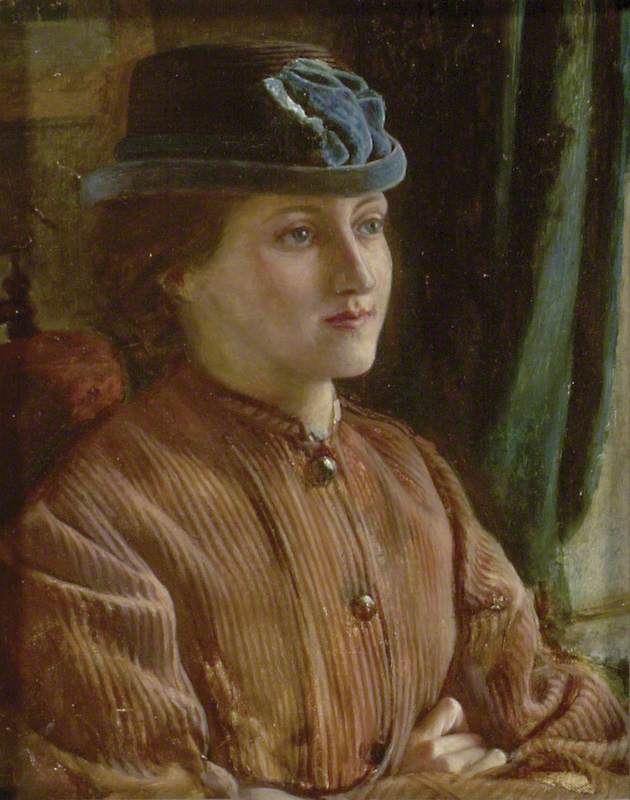
The Artist's Wife
 Acrylic On Canvas
- WallArt
- Pre-Raphaelite
 1865
1865 35.0 x 29.0 cm
 El Museo Ashmolean de Arte y Arqueología
 Ver más
Adquiera una imagen digital de alta resolución y optimizada, muy superior a la vista previa en línea.
Cada archivo es preparado meticulosamente por nuestros especialistas internos mediante el uso de herramientas avanzadas y un experto retoque manual. Nos aseguramos de que cada imagen posea una claridad excepcional, una precisión cromática impecable y un detalle minucioso.
El archivo final se entrega por correo electrónico en un plazo de 72 horas, optimizado para su uso inmediato en entornos profesionales, editoriales y de impresión. Esta es la misma calidad en la que confían los estudios de diseño, las editoriales y las galerías de primer nivel.
Imagen Digital
Descarga un archivo de alta resolución para exhibición personal, impresión y proyectos creativos. ( Comprar impresión Comprar pintura hecha a mano)
Incluido en cada pedido de imágenes digitales
Entrega digital experta, garantizada.
Al elegir ArtsDot.com, no solo está adquiriendo una imagen; está recibiendo una obra de arte digital mejorada profesionalmente, elaborada con precisión y respaldada por una garantía de satisfacción. Esto es todo lo que incluye su pedido, automáticamente:

Entrega rápida por email
Recibirá su archivo de imagen digital en alta resolución por correo electrónico en un plazo de 72 horas tras realizar su pedido, listo para su uso inmediato.

Archivo digital optimizado por IA
Su obra de arte se optimiza profesionalmente mediante herramientas avanzadas de IA y edición manual, garantizando el máximo detalle, claridad y precisión cromática.

Reenvío gratuito de por vida
¿Has borrado o perdido tu archivo por error? No te preocupes: te lo volveremos a enviar en cualquier momento, sin coste adicional.

Sin gastos de importación, siempre
Disfrute de su obra de arte al instante sin aduanas, aranceles ni gastos de envío; las descargas digitales siempre están libres de impuestos.

Garantía de fidelidad de color
Garantizamos que su imagen digital refleje los colores originales con la mayor fidelidad posible, mediante el uso de herramientas profesionales y gestión del color.

Garantía de satisfacción de 60 días
Si no está satisfecho con su imagen digital, la revisaremos o le reembolsaremos el 100% en un plazo de 60 días, sin preguntas.

100% Garantía de devolución de dinero
¿No está satisfecho? Obtenga un reembolso completo dentro de los 60 días posteriores a la recepción de su archivo digital, sin necesidad de explicaciones.

Descuentos por pedidos grandes
Compra 3 imágenes, ahorra 10% - Compra 5, ahorra 15% - Compra 10+, ahorra 20%. Ideal para proyectos creativos, galerías y agencias.
A Moment Frozen in Time: Robert Braithwaite Martineau’s “The Artist’s Wife”
Robert Braithwaite Martineau's "The Artist’s Wife," painted in 1865, is more than just a portrait; it’s a carefully constructed tableau of Victorian domesticity imbued with an undercurrent of melancholy and quiet contemplation. This intimate scene, rendered in the meticulous style characteristic of the Pre-Raphaelites, offers a glimpse into the life of a woman caught between artistic aspiration and the constraints of her role within a patriarchal society. The painting immediately draws the eye to its central figure – a woman seated by a window, bathed in soft light that suggests both warmth and isolation. Her posture is relaxed yet subtly poised, her gaze directed outwards as if lost in thought, perhaps reflecting on the creative endeavors of her husband or simply absorbing the beauty of the surrounding landscape.
Style and Technique: Pre-Raphaelite Precision
Martineau’s artistic approach firmly aligns with the tenets of the Pre-Raphaelites, a movement that championed truth to nature and a rejection of academic art conventions. Notice the painstaking detail in the rendering of fabrics – the delicate folds of her dress, the subtle sheen of the shawl draped across her shoulders. The artist employs a rich palette dominated by muted blues, greens, and browns, creating an atmosphere of subdued elegance. His brushwork is precise yet expressive, capturing not just the likeness of his subject but also her emotional state with remarkable sensitivity. The use of light and shadow is particularly noteworthy; it’s diffused and atmospheric, contributing to the painting's overall mood of quiet introspection. Martineau masterfully utilizes color to evoke a sense of depth and realism, grounding the scene in tangible reality while simultaneously hinting at an underlying dreamlike quality.
Symbolism and Narrative Context
Beyond its immediate visual appeal, “The Artist’s Wife” is rich with symbolic meaning. The window itself serves as a powerful motif – a portal to the outside world, representing both opportunity and confinement. The woman's contemplative gaze suggests a yearning for something beyond her domestic sphere, perhaps reflecting the artistic ambitions of women during this era who were often denied formal training or recognition. The umbrella, positioned near the bottom left corner, adds another layer of interpretation; it could symbolize protection from the elements, but also a barrier between the subject and the viewer, reinforcing her sense of isolation. The painting’s creation coincided with a period of significant social change in Britain – the rise of industrialization, increasing urbanization, and growing calls for women's rights. Martineau’s work subtly engages with these broader societal currents, offering a poignant commentary on the challenges faced by women within the Victorian context.
Emotional Resonance and Lasting Impact
“The Artist’s Wife” possesses a remarkable ability to evoke empathy and introspection. The woman's pensive expression invites viewers to contemplate her inner world, prompting questions about her hopes, dreams, and unspoken desires. There is a palpable sense of vulnerability in her posture, suggesting a quiet strength beneath the surface. This painting isn’t merely a depiction of a woman; it’s an exploration of the complexities of human experience – the delicate balance between duty and aspiration, tradition and innovation. The work's enduring appeal lies in its ability to transcend time, offering a timeless portrait of a woman caught in the currents of her era, a silent witness to the shifting landscape of Victorian society. A hand-painted reproduction captures this exquisite detail and emotional depth, bringing Martineau’s evocative vision to life for contemporary audiences.
- Artist: Robert Braithwaite Martineau
- Year: 1865
- Medium: Oil on canvas
- Size: 35 x 29 cm
Obras relacionadas
Biografía del artista
Robert Braithwaite Martineau: Una Vida en Realismo Victoriano
Primeros Años y Educación
- Nacido: Londres, Reino Unido (1826)
- Fallecido: 1869
- Robert Braithwaite Martineau provenía de una familia con conexiones artísticas y legales. Su madre, Elizabeth Batty, era la nieta del médico y pintor aficionado Robert Batty, M.D., mientras que su padre, Philip Martineau, era un maestro en chancelería.
- Asistió a Colfes School durante unos años comenzando a los 15 años.
- Inicialmente entrenado como abogado, Martineau posteriormente persiguió una formación artística formal en la Royal Academy, donde obtuvo una medalla de plata.
Desarrollo Artístico e Influencias
- Asociación Pre-Rafaelita: Un momento crucial en el desarrollo de Martineau fue su estudio bajo el artista Pre-Rafaelita William Holman Hunt. Incluso compartió un estudio con Hunt durante un tiempo.
- Esta asociación influyó profundamente en su estilo, llevándolo a adoptar el realismo detallado, la narración y los temas morales característicos del movimiento.
- Influencias Clave: Más allá de Hunt, las sensibilidades artísticas de Martineau fueron moldeadas por un deseo de representar la vida cotidiana con honestidad y profundidad emocional. Se alejó de las representaciones idealizadas hacia retratos más arraigados de la sociedad victoriana.
Obras Principales y Temas
- 'El Último Día en el Viejo Hogar' (1864): Quizás su obra más famosa, este cuadro retrata al Coronel John Leslie Toke después de haber perdido sus tierras por las apuestas. Es una poderosa representación del arruin y la consecuencia.
- Enfoque Narrativo: Martineau eligió con frecuencia temas que contaban historias, a menudo con comentarios morales o sociales. Sus pinturas no eran meros retratos sino ventanas a la vida victoriana.
- Otras Pinturas Notables: Incluyen 'La niña con un aro,' ‘Una mujer de San Germano,’ ‘Picciola,’ y ‘La lección de escritura de Kit.’ Estas obras demuestran su versatilidad al representar diversos escenarios, desde momentos íntimos en el hogar hasta narrativas históricas.
- Sus pinturas a menudo exploraron temas de realismo social, moralidad, pérdida y las cambiantes dinámicas dentro de la sociedad victoriana.
Significado Histórico y Legado
- Comentario Social: El trabajo de Martineau destaca por su disposición a abordar verdades difíciles o incómodas sobre la vida victoriana. No se rehusó a representar las consecuencias de los fracasos sociales.
- Sus pinturas proporcionan valiosos conocimientos sobre los valores, ansiedades y realidades de Inglaterra en el siglo XIX.
- Reconocimiento Póstumo: Aunque murió relativamente joven a los 43 años, su obra ha ganado un reconocimiento creciente en los últimos años.
- Sus pinturas se conservan ahora en colecciones destacadas como la Tate Gallery (Londres), el Ashmolean Museum (Oxford) y la Liverpool Art Gallery.
- Vida Personal: En 1865, Martineau se casó con Maria Wheeler y tuvo dos hijos. Está enterrado en el Cementerio de Kensal Green.
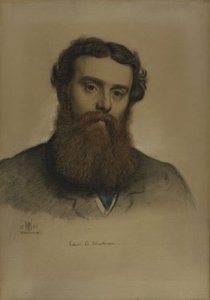
Robert Braithwaite Martineau
1826 - 1869 , United Kingdom
Breves datos
- Artistas Que Influyeron: ['William Holman Hunt']
- Fecha De Fallecimiento: 1869
- Fecha De Nacimiento: 1826
- Lugar De Nacimiento: Londres, Reino Unido
- Movimiento Artístico: Pre-Rafaelita, Realismo
- Nacionalidad: Británico
- Nombre Completo: Robert Braithwaite Martineau
- Obras Notables:
- El Último Día...
- Niña con un aro
- Lección de escritura

