

 Ver en contexto
 Enviar
 Compartir
 Detalles

 Descargar
 Similares
 Radiografía
 Presentación de diapositivas
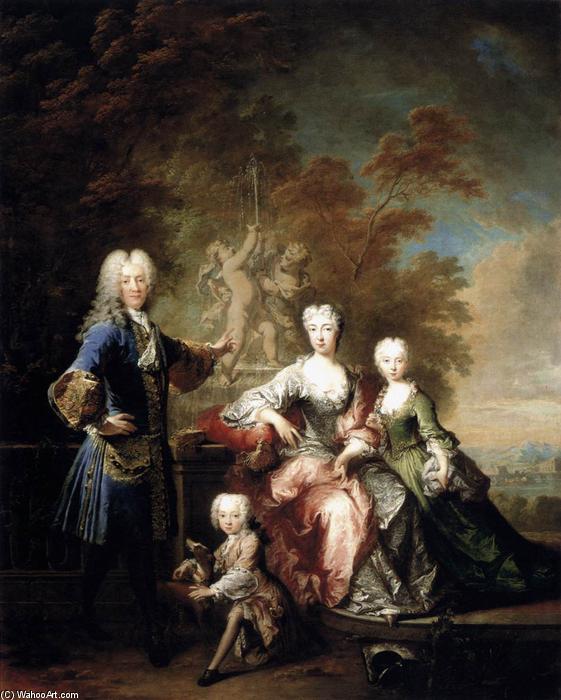
Count Ferdinand Adolf von Plettenberg and his Family
 Oil On Canvas
- WallArt
- Rococo
 1727
1727 92.0 x 74.0 cm
 Museo de las Artes de Budapest
 Ver más
Reproducción al óleo hecha a mano
Óleo sobre lienzo pintado a mano en el tamaño y marco de su elección, realizado por encargo por nuestros artistas. ( Comprar impresión Comprar imagen)




P118B $10

P118H $10

P118W $10

P438Z $10

P508JH $12

P508YH $12

P805H $10

P805Z $10

P919BZ $10

P919G $10

P919XJ $10

P959ZH $10

P968JZ $12

W106C $8

W218G $10

W218JH $8

W218Y $10

W307PJ $10

W316G $10

W316PJ $8

W316Y $10

W398PJ $8

W4111J $10

W500HY $15

W500JH $15

W692G $12

W849H $8

W940BG $15

W953PJ $8




Elija entre nuestros tamaños predefinidos que respetan las proporciones originales de la obra.

Puede ingresar sus propias dimensiones para adaptarse a un marco o espacio específico. Si el tamaño seleccionado no coincide con las proporciones de la imagen original, recortaremos la obra o extenderemos la pintura con elementos adicionales pintados a mano. Se le enviará una maqueta digital para su aprobación antes de comenzar la producción.
Tenga en cuenta que la vista previa en pantalla no refleja el recorte o la extensión reales. Solo la maqueta mostrará con precisión la composición final.
Si bien existen tamaños personalizados, recomendamos seleccionar una dimensión de la lista predefinida para preservar las proporciones originales.
Tras realizar el pedido, el equipo de ArtsDot.com enviará un correo electrónico al cliente para solicitar instrucciones y proporcionarle una vista previa del boceto.
Envío a todo el mundo () en 3-4 semanas en lugar de las 5 semanas estándar. (29 agosto). Sin comprometer la calidad.

Envío exprés gratuito a todo el mundo

Lienzo de lino de alta calidad

Seguro de envío total

Garantía de reembolso de impuestos aduaneros

Garantía de fidelidad cromática exacta

Política de devolución de 60 días (solo por defectos)

Garantía de devolución del 100% del dinero

Descuento por cantidad
 La opción de vidrio solo está disponible en tamaños inferiores a 110 cm.

Count Ferdinand Adolf von Plettenberg and his Family
Técnica de reproducción
Dimensiones de la reproducción
-


Precio total final
$ 263
A Glimpse of Aristocratic Life: Robert Le Vrac de Tournières’ “Count Ferdinand Adolf von Plettenberg and His Family”
Robert Le Vrac de Tournières' 1727 painting, "Count Ferdinand Adolf von Plettenberg and His Family," is more than just a portrait; it’s a meticulously crafted window into the refined world of 18th-century European aristocracy. The scene unfolds within a richly appointed interior – likely a salon or drawing room – dominated by a stately fireplace and adorned with luxurious fabrics and decorative elements that speak to wealth and status. At its heart stands Count Ferdinand Adolf von Plettenberg, a man embodying the dignity and authority of his rank, seated alongside his wife and two young children. The composition is carefully balanced, radiating an aura of quiet elegance and familial warmth. Tournières’ skill lies not merely in capturing likenesses but in conveying a palpable sense of atmosphere – a feeling of comfortable grandeur and understated sophistication.The Delicate Dance of Dutch Intimacy and Rococo Style
Tournières' artistic style represents a fascinating transitional period within French art, skillfully blending the intimate character of Dutch genre paintings with the burgeoning lightness and ornamentation that would define the Rococo movement. He inherited from his teachers – Lucas Delahaye, Bon Boullogne, and Rigaud – a mastery of technique and an appreciation for detail, yet he infused this foundation with a distinctly personal vision. The painting’s palette is remarkably delicate, dominated by soft pastel hues—pale blues, pinks, creams, and golds—that create a luminous and airy effect. Notice the subtle gradations of light and shadow, meticulously rendered to sculpt the figures and imbue them with a sense of three-dimensionality. The drapery, particularly that of the Countess, is treated with exquisite attention, demonstrating Tournières’ ability to capture both its form and its flowing movement. This careful observation of texture and volume was a hallmark of his work, distinguishing him from more overtly dramatic painters of the era.Symbolism Woven into Domesticity
Beyond the straightforward depiction of a family portrait, “Count Ferdinand Adolf von Plettenberg and His Family” is rich in subtle symbolism. The carefully arranged furniture – the upholstered chairs, the ornate mantelpiece—reflects the wealth and taste of the household. The presence of the children suggests continuity and legacy, while the Count’s dignified posture embodies his role as a protector and provider. The fireplace itself, a central element of the composition, symbolizes warmth, family, and domesticity – core values within aristocratic society. Furthermore, the inclusion of a servant standing discreetly behind the group subtly acknowledges the hierarchical structure of the household, reinforcing the social order of the time. The painting’s overall effect is one of harmonious balance, where individual portraits contribute to a larger narrative about family, status, and the comforts of a privileged life.A Legacy Preserved: The Painter and His Artistic Context
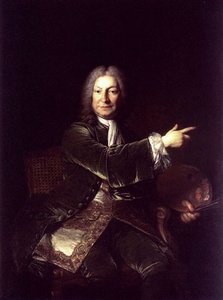
Robert Le Vrac de Tournières (1667-1752) was a significant figure in 18th-century French art, recognized for his ability to capture both likenesses and atmosphere. He began his artistic journey under the tutelage of prominent masters, absorbing their techniques and developing his own distinctive style. Tournières’ work reflects a period of transition, bridging the formality of the Baroque era with the playful exuberance of Rococo. He was twice admitted into the Académie royale de peinture, first in 1702 for his portraiture skills, and again in 1716 as a history painter, showcasing his versatility. Despite not being considered among the most celebrated painters of his time, Tournières’ meticulous technique and refined execution earned him a respected place within the artistic community. His legacy endures through works like “Count Ferdinand Adolf von Plettenberg and His Family,” offering a captivating glimpse into the world of European aristocracy and the artistry of a talented transitional painter. Reproductions of this piece continue to be sought after by collectors and interior designers alike, appreciating its timeless elegance and evocative portrayal of family life.Obras relacionadas
Biografía del artista
Robert Le Vrac de Tournières: Una Vida en Transición
Primeros Años y Educación
Robert Le Vrac de Tournières nació en Caen, Francia, en 1667. Su viaje artístico comenzó con estudios bajo Lucas Delahaye, un respetado pintor de la época. Posteriormente perfeccionó sus habilidades bajo la tutela de Bon Boullogne y Rigaud, ambos figuras prominentes en la pintura francesa, preparando el escenario para una exitosa carrera.
Desarrollo Artístico y Estilo
El estilo artístico de Tournières refleja un fascinante período de transición dentro del arte francés. Combinó hábilmente elementos de la intimidad holandesa – particularmente evidentes en sus escenas de género – con la ligereza y elegancia emergente que definiría el estilo Rococó. Su paleta se notaba por su colorido delicado, y demostraba un talento agudo para capturar tanto pose como drapeo. Si bien no fue considerado uno de los pintores más poderosos de su época, los críticos reconocieron su técnica cuidadosa y su ejecución refinada.
Reconocimiento Académico y Obras Maestras
Tournières logró un reconocimiento significativo durante su vida, siendo recibido en la Académie royale de peinture dos veces. La primera aceptación en 1702 se basó en sus habilidades para el retrato, específicamente retratos de compañeros artistas Pierre Mosnier y Michel Corneille. Su segunda recepción en 1716, como pintor de historia, llegó con su obra Invento del Dibujo (1716), que representa una escena romántica iluminada por la luz de las velas. Aunque muchas de sus grandes pinturas se han perdido con el tiempo, numerosas obras más pequeñas sobreviven, mostrando su maestría en los detalles y la caracterización.
Influencias y Preocupaciones Artísticas
Tournières fue profundamente influenciado por maestros holandeses como Godfried Schalken y Gerard Dou, dedicando un estudio considerable a sus técnicas. Esta influencia es visible en su atención a la luz, la sombra y la caracterización íntima de la vida cotidiana. También se inspiró en sus maestros, incorporando elementos de sus estilos en su propio enfoque único.
Vida Tardía y Legado
En 1737, Tournières fue ascendido a professeur auxiliaire, consolidando aún más su posición dentro de la comunidad artística. Continuó exhibiendo con éxito en el Salón de 1742. Sin embargo, regresó a Caen en 1749 y dejó de pintar. Su padre, un grabador, tenía conexiones familiares a través del matrimonio con François Lemoyne. A pesar de desvanecerse de la práctica activa, Tournières dejó atrás un considerable cuerpo de retratos que siguen siendo muy apreciados y se encuentran en colecciones notables hoy en día.
Significado Histórico
Robert Le Vrac de Tournières ocupa un lugar importante como figura de transición en el arte francés. Embodica el cambio del estilo más formal Barroco hacia la estética más ligera y decorativa Rococó. Su capacidad para sintetizar el realismo holandés con las sensibilidades francesas emergentes hace que su obra sea particularmente valiosa para comprender la evolución de la pintura del siglo XVIII.
Robert Le Vrac de Tournières
1667 - 1752 , Francia
Datos clave
- Artistic Movement Or Style: Rococó, Arte francés Regencia
- Artists Or Movements Influenced By This Artist:
- Godfried Schalken
- Gerard Dou
- Artists Who Influenced This Artist:
- Lucas Delahaye
- Bon Boullogne
- Rigaud
- Date Of Birth: 1667
- Full Name: Robert Le Vrac de Tournières
- Nationality: Francés
- Notable Artworks:
- Invento del Dibujo (1716)
- Retratos
- Place Of Birth: Caen, Francia
Artículos relacionados

Goya: Las 25 Obras Maestras del Genio Español | Reproducciones de Arte en ArtsDot
Descubre las 25 obras maestras de Goya, el genio español. Explora retratos icónicos, 'Los Caprichos' y 'Las Pinturas Negras'. Reproducciones de arte en lienzo de alta calidad para decorar tu hogar con estilo. ¡Encuentra tu obra favorita en ArtsDot.com!

Acerca de nosotros
Descubre nuestra historia! Llevamos el arte de clase mundial a tu vida gracias a una selección experta, creaciones personalizadas y vistas previas gratuitas. Aprobado por particulares y empresas desde el año 2000.
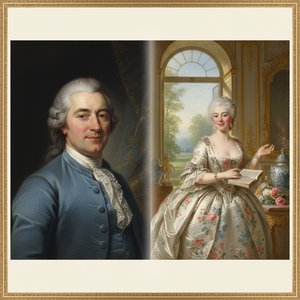
Maurice Quentin de La Tour: Light, Shadow & the Rococo Portrait
Explore the captivating world of Maurice Quentin de La Tour, a master of Rococo portraiture. Discover his innovative pastel techniques, intimate depictions of French aristocracy, and lasting artistic legacy. Learn more at ArtsDot.

La Estética Rococó: Opulencia, Rebelión y Placer en el Arte del Siglo XVIII
Descubre la fascinante estética rococó: su historia, características clave y los artistas más influyentes del siglo XVIII. Un análisis profundo para amantes del arte y coleccionistas.

Rococó: 10 Obras Maestras que Definieron una Época | Arte y Decoración en
Descubre las 10 obras maestras del Rococó que marcaron una época. Explora la elegancia de Fragonard, Boucher y Watteau en . Reproducciones de arte de calidad museo para decorar tu hogar con estilo.

