

 Ver en contexto
 Enviar
 Compartir
 Detalles

 Descargar
 Similares
 Radiografía
 Presentación de diapositivas
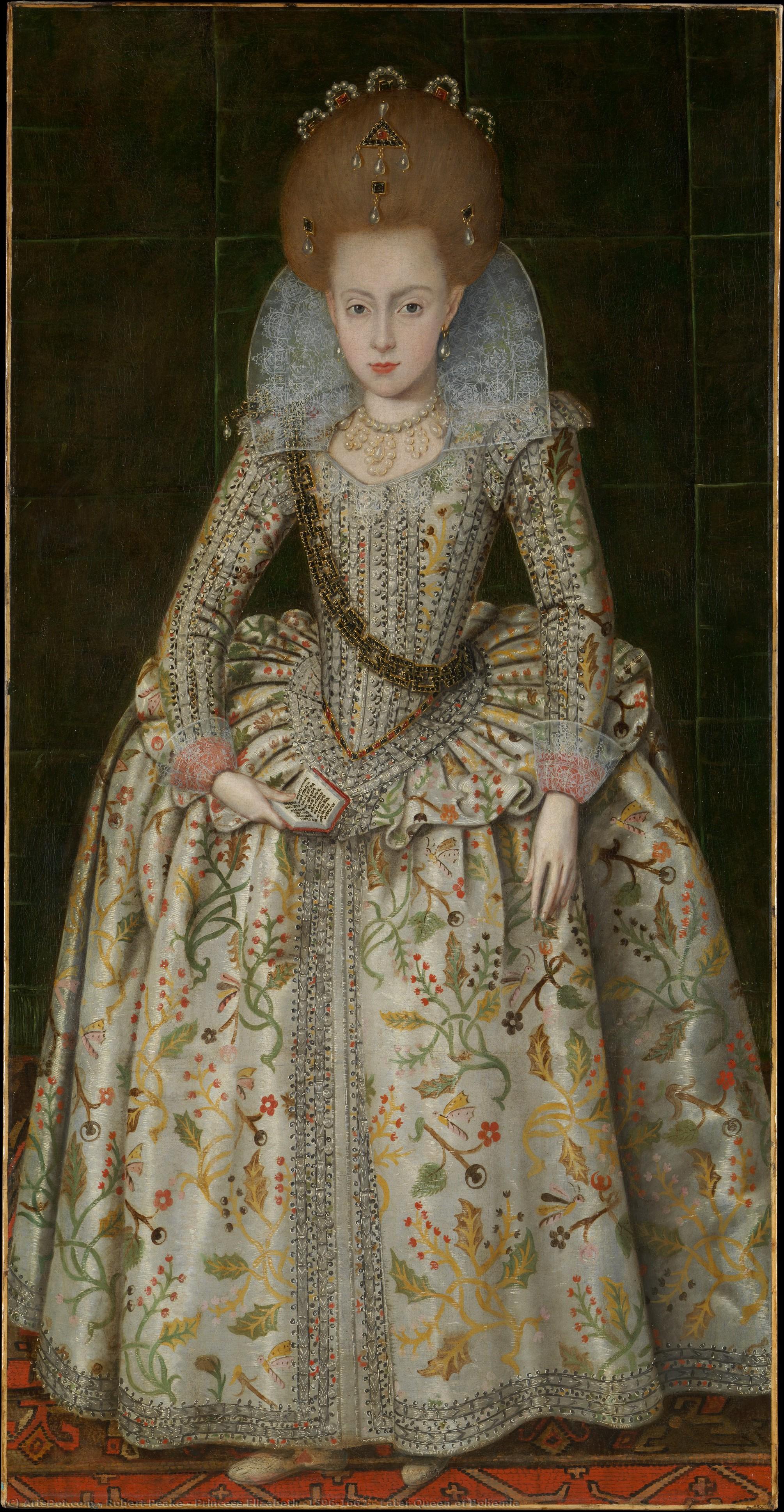
Princess Elizabeth (1596–1662), Later Queen of Bohemia
 Elizabethan Portraiture
 1606
1606 154.0 x 79.0 cm
 Museo Metropolitano de Arte
 Ver más
Reproducción al óleo hecha a mano
Óleo sobre lienzo pintado a mano en el tamaño y marco de su elección, realizado por encargo por nuestros artistas. ( Comprar impresión Comprar imagen)




P118B $10

P118H $10

P118W $10

P438Z $10

P508JH $12

P508YH $12

P805H $10

P805Z $10

P919BZ $10

P919G $10

P919XJ $10

P959ZH $10

P968JZ $12

W106C $8

W218G $10

W218JH $8

W218Y $10

W307PJ $10

W316G $10

W316PJ $8

W316Y $10

W398PJ $8

W4111J $10

W500HY $15

W500JH $15

W692G $12

W849H $8

W940BG $15

W953PJ $8




Elija entre nuestros tamaños predefinidos que respetan las proporciones originales de la obra.

Puede ingresar sus propias dimensiones para adaptarse a un marco o espacio específico. Si el tamaño seleccionado no coincide con las proporciones de la imagen original, recortaremos la obra o extenderemos la pintura con elementos adicionales pintados a mano. Se le enviará una maqueta digital para su aprobación antes de comenzar la producción.
Tenga en cuenta que la vista previa en pantalla no refleja el recorte o la extensión reales. Solo la maqueta mostrará con precisión la composición final.
Si bien existen tamaños personalizados, recomendamos seleccionar una dimensión de la lista predefinida para preservar las proporciones originales.
Tras realizar el pedido, el equipo de ArtsDot.com enviará un correo electrónico al cliente para solicitar instrucciones y proporcionarle una vista previa del boceto.
Envío a todo el mundo () en 3-4 semanas en lugar de las 5 semanas estándar. (26 agosto). Sin comprometer la calidad.

Envío exprés gratuito a todo el mundo

Lienzo de lino de alta calidad

Seguro de envío total

Garantía de reembolso de impuestos aduaneros

Garantía de fidelidad cromática exacta

Política de devolución de 60 días (solo por defectos)

Garantía de devolución del 100% del dinero

Descuento por cantidad
 La opción de vidrio solo está disponible en tamaños inferiores a 110 cm.

Princess Elizabeth (1596–1662), Later Queen of Bohemia
Técnica de reproducción
Dimensiones de la reproducción
-


Precio total final
$ 263
Descripción de la obra
Obras relacionadas
Biografía del artista
A Courtly Brush: The Life and Art of Robert Peake the Elder
Robert Peake the Elder, a name resonating with the opulence and political intrigue of late Elizabethan and early Jacobean England, stands as a pivotal figure in the development of English portraiture. Born around 1551, his life unfolded against a backdrop of shifting power dynamics, religious tensions, and an evolving artistic landscape. While details of his early training remain somewhat elusive—apprenticed to a London goldsmith in 1565—it’s clear that Peake quickly gravitated towards the decorative arts, finding employment at court as early as 1576. This initial foray into royal service would prove foundational, shaping not only his career trajectory but also the very style for which he became renowned. He wasn't merely a painter; he was a craftsman of image, tasked with constructing and disseminating carefully curated representations of power and status.The Rise to Prominence: Serving Two Monarchs
Peake’s ascent within the courtly hierarchy accelerated under both Elizabeth I and James I. In 1604, he was appointed Principal Picture Maker to Henry, Prince of Wales, a role that thrust him into the spotlight. This commission wasn't simply about creating likenesses; it was about cultivating an image—presenting the young prince as a vigorous, capable heir, embodying the hopes and aspirations of the nation. He specialized in full-length “costume pieces,” vibrant portraits showcasing the Prince on horseback, engaged in aristocratic pursuits like hunting or displaying his martial prowess. These weren’t intimate psychological studies; they were statements—bold declarations of lineage, wealth, and future authority. In 1607, Peake further solidified his position with the appointment as Serjeant Painter to King James I, a post he shared with John de Critz. This dual role allowed him to navigate the complex artistic demands of both the royal family and the wider courtly circle. His workshop became a hub of activity, producing portraits that reflected not just physical appearance but also social standing and political allegiance.A Style Defined: Brilliance, Detail, and Collaboration
Peake’s distinctive style is characterized by its dazzling use of color, meticulous attention to detail—particularly in the rendering of fabrics and jewels—and a somewhat formal, idealized approach to representation. He was not alone in this aesthetic; he worked closely with other prominent artists like Marcus Gheeraerts the Younger and Isaac Oliver, forming a collaborative network that defined English portraiture during this period. Attributing specific works definitively to Peake can be challenging, as workshops often involved multiple hands and assistants. However, his influence is undeniable—a shared emphasis on elaborate costumes, flattened perspectives, and symbolic details permeates the work of these artists. His portraits weren’t simply about capturing a face; they were about constructing an identity, layering meaning onto every element of the composition. The bright colors, while visually striking, also served a practical purpose: to convey wealth and status in a society where clothing was a potent symbol of social rank.Family Legacy and Historical Significance
Robert Peake’s influence extended beyond his own artistic output; he established a family dynasty of painters and print sellers. His son, William Peake, followed in his footsteps as a painter, while his grandson, Sir Robert Peake, became a prominent figure in the printing trade—even serving as a royalist during the English Civil War. This familial continuity underscores the importance of workshop traditions and the transmission of artistic knowledge within early modern England. Peake’s work provides invaluable insight into the courtly culture of Elizabeth I and James I, offering a glimpse into the values, aspirations, and political machinations of the era. His portraits weren't merely decorative objects; they were powerful tools of propaganda, used to shape public perception and reinforce royal authority. His legacy lies not only in his technical skill but also in his ability to capture the spirit of an age—an age defined by ambition, spectacle, and a relentless pursuit of power. He remains a crucial figure for understanding the development of English portraiture and its role in shaping national identity.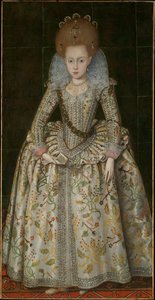
Datos clave
- Artistic Movement Or Style: Elizabethan portraits
- Artists Who Influenced This Artist: ['Nicholas Hilliard']
- Date Of Birth: c. 1551
- Date Of Death: 1619
- Full Name: Robert Peake the Elder
- Nationality: English
- Notable Artworks:
- Peake Princess Elizabeth
- Prince Henry & Essex
Artículos relacionados

David Roberts: A Scottish Pioneer of Topographical Art & Orientalist Vision
Explore the captivating world of David Roberts, a pioneering Scottish painter renowned for his detailed Orientalist scenes & stunning Egyptian landscapes. Discover his legacy and find museum-quality reproductions at ArtsDot.
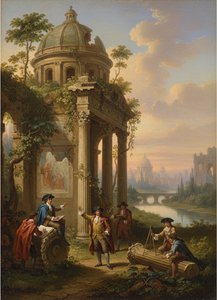
Hubert Robert: Picturing Ruins, Preserving Memory – A Study of Romantic Antiquarianism & Artistic Innovation
Explore the captivating world of Hubert Robert, master of Romantic landscape painting & 'capriccio' ruins. Discover his historical context, artistic innovations, and collecting insights with ArtsDot.
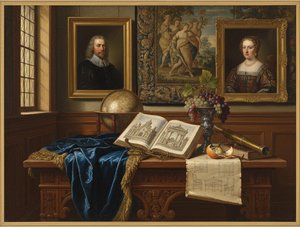
El Siglo XVII en el Arte: 10 Obras Maestras para Decorar con Historia y Elegancia
Descubre 10 obras maestras del siglo XVII: Rembrandt, Vermeer, Caravaggio y más. Explora la historia, el arte barroco y encuentra reproducciones de alta calidad para decorar tu hogar con elegancia en ArtsDot.com.
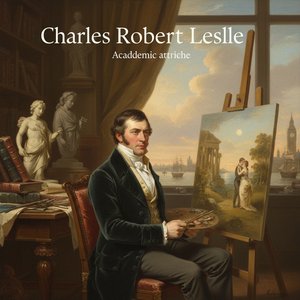
Charles Robert Leslie: Navigating Romantic Ideals & Academic Tradition
Explore the life & art of Charles Robert Leslie, a key figure bridging Romantic ideals with Victorian academic tradition. Discover his captivating portraits, literary scenes, and enduring legacy as Constable’s biographer.
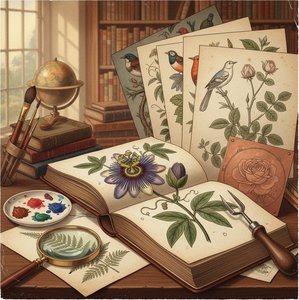
Robert Havell Sr.: Botanical Precision & the Rise of Colour Plate Publishing
Explore the life & work of Robert Havell Sr., a pioneer of botanical illustration and key collaborator with Audubon. Discover his stunning aquatint engravings, artistic techniques, and lasting impact on 19th-century art.

