 Ver en contexto
 Enviar
 Compartir
 Detalles

 Descargar
 Similares
 Radiografía
 Presentación de diapositivas
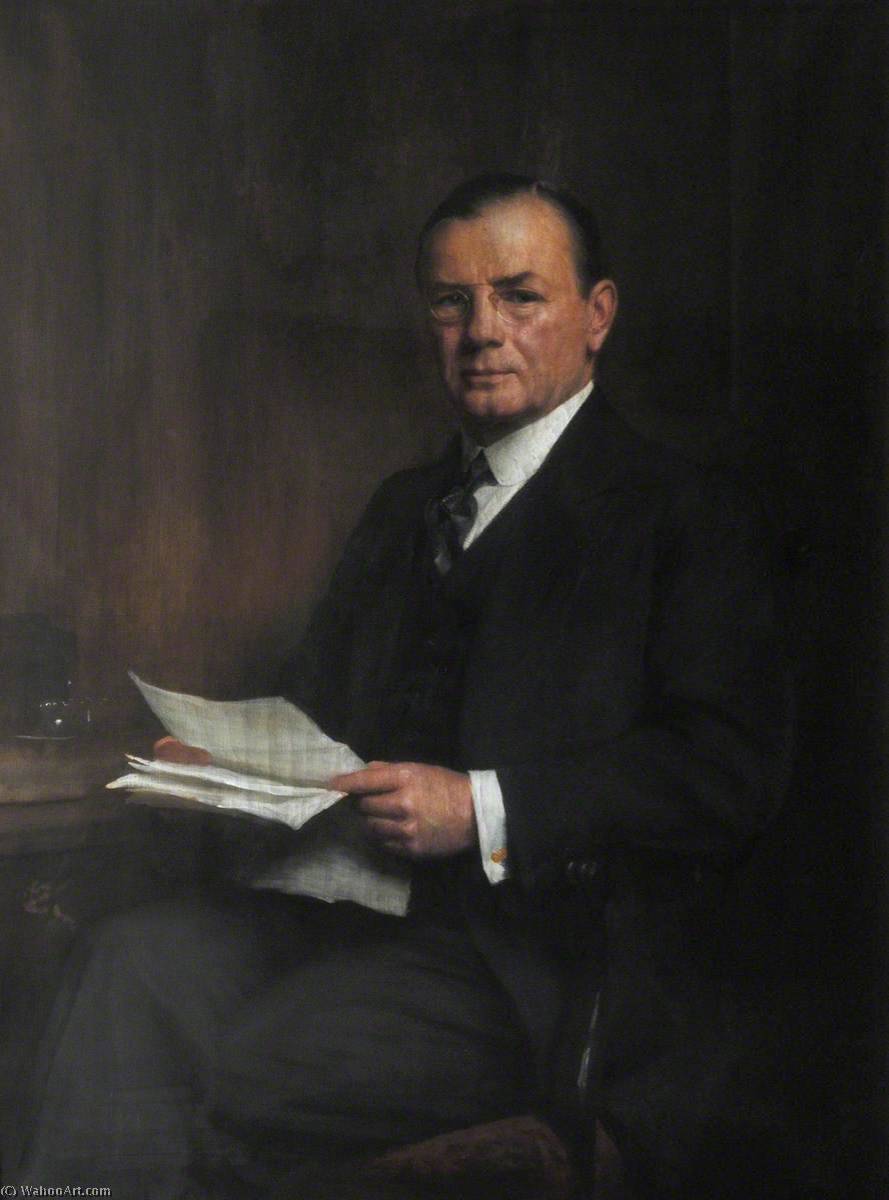
Leopold Charles Maurice Stennet Amery (1873–1955), CH, Exhibitioner (1892), Honorary Fellow (1946), Secretary of State for India (1940–1945)
 Oil On Canvas
- WallArt
- Academic Realism
 1925
1925 107.0 x 86.0 cm
 Balliol College
 Ver más
Giclée / Impresión de arte
Impresiones giclée o en lienzo de calidad de museo con producción rápida y opciones de acabado flexibles. ( Comprar pintura hecha a mano Comprar imagen)




P118B $10

P118H $10

P118W $10

P438Z $10

P508JH $12

P508YH $12

P805H $10

P805Z $10

P919BZ $10

P919G $10

P919XJ $10

P959ZH $10

P968JZ $12

W106C $8

W218G $10

W218JH $8

W218Y $10

W307PJ $10

W316G $10

W316PJ $8

W316Y $10

W398PJ $8

W4111J $10

W500HY $15

W500JH $15

W692G $12

W849H $8

W940BG $15

W953PJ $8




Elija entre nuestros tamaños predefinidos que respetan las proporciones originales de la obra.

Puede introducir sus propias dimensiones para adaptarse a un marco o espacio específico. Si el tamaño seleccionado no coincide con las proporciones de la imagen original, recortaremos la obra de arte o extenderemos la imagen con un borde con efecto espejo o de color sólido. Se enviará una maqueta digital para su aprobación antes de que comience la producción.
Tenga en cuenta que la vista previa en pantalla no refleja el recorte o la extensión real. Solo la maqueta mostrará con precisión la composición final.
Aunque existen tamaños personalizados, recomendamos seleccionar una dimensión de la lista predefinida para preservar las proporciones originales.
Envío a todo el mundo () en 2 semanas en lugar de las 4/5 semanas estándar. (27 agosto)

Envío exprés gratuito a todo el mundo

Lienzo de lino de alta calidad

Seguro de envío total

Garantía de reembolso de impuestos aduaneros

Garantía de fidelidad cromática exacta

Política de devolución de 60 días (solo por defectos)

Garantía de devolución del 100% del dinero

Descuento por cantidad
 La opción de vidrio solo está disponible en tamaños inferiores a 110 cm.

Leopold Charles Maurice Stennet Amery (1873–1955), CH, Exhibitioner (1892), Honorary Fellow (1946), Secretary of State for India (1940–1945)
Giclée / Impresión de arte
Dimensiones de la reproducción
-


Precio total final
$ 62
A Portrait of Power and Purpose: Samuel Luke Fildes’s Leopold Amery
Samuel Luke Fildes's 1925 portrait of Leopold Charles Maurice Stennet Amery is more than just a likeness; it’s a carefully constructed tableau of authority, intellect, and the weight of public service. Rendered in a strikingly realistic style reminiscent of classical oil painting, the artwork immediately commands attention with its dramatic chiaroscuro – a masterful manipulation of light and shadow that sculpts Amery's face and imbues the scene with an air of solemn dignity. The composition, a vertical arrangement emphasizing the subject’s upper body and face, directs our gaze towards his serious expression, conveying a sense of profound contemplation and unwavering resolve.
Fildes, a pivotal figure bridging Victorian illustration and painting, was deeply influenced by Frederick Walker's social realism movement. This influence is evident in Amery’s posture – upright and formal, yet subtly suggesting an inner strength. The meticulously rendered details—the texture of the wool suit, the sheen of the polished shoes, the subtle folds of drapery behind him—speak to Fildes’s technical skill and his commitment to capturing not just appearance but also the very essence of his subject. The choice of a dark background further amplifies the figure's presence, creating a sense of isolation that underscores Amery’s role as a key player in British politics.
Historical Context: A Secretary of State in Turbulent Times
Leopold Amery’s life and career were inextricably linked to the tumultuous period following World War I. Serving as Secretary of State for India from 1940 to 1945, he navigated the complexities of British colonial rule amidst growing calls for independence. The portrait itself was created in 1925, a time when the foundations of the Indian Empire were being tested by rising nationalist sentiment and the looming shadow of World War II. Amery’s position demanded both strategic acumen and unwavering dedication – qualities subtly conveyed through his expression and the documents he holds, hinting at the immense responsibility borne by this influential figure.
The portrait's creation coincided with a broader shift in British art towards a more academic realism, influenced by the Royal Academy Schools where Fildes received his training. However, unlike purely celebratory portraits of the era, Fildes imbues Amery’s image with a quiet gravitas, reflecting the serious nature of his role and the challenges he faced. The inclusion of documents – likely related to his duties as Secretary of State – serves as a visual reminder of his commitment to public service and the weighty decisions that shaped India's future.
Symbolism and Artistic Technique
Beyond mere representation, Fildes employs several artistic techniques to imbue the portrait with symbolic meaning. The strong chiaroscuro not only creates depth but also suggests a moral weight – Amery’s face is partially obscured by shadow, hinting at the burdens of leadership and the difficult choices he had to make. The formal attire—the three-piece suit, the polished shoes—underscores his status as a man of authority and decorum. The careful layering of paint and subtle gradations in tone demonstrate Fildes’s mastery of oil painting techniques, creating a rich and textured surface that invites close examination.
The composition itself is carefully balanced, with Amery centrally positioned against the dark background. Linear perspective guides our eye across the portrait, emphasizing his face and upper body while subtly drawing attention to the documents he holds. The use of geometric shapes—rectangles for the suit, oval for the face—contributes to a sense of order and control, reflecting Amery’s role as a figure of stability amidst political upheaval.
A Legacy in Oil: Reproductions and Artistic Appreciation
Samuel Luke Fildes's portrait of Leopold Amery stands as a testament to his skill as an artist and his ability to capture the essence of a complex historical figure. Today, high-quality reproductions offer art lovers and collectors alike the opportunity to experience this remarkable artwork firsthand. The dramatic lighting, meticulous detail, and symbolic richness of Fildes’s portrait continue to resonate with viewers, inviting contemplation on themes of power, responsibility, and the enduring legacy of British colonialism.
Obras relacionadas
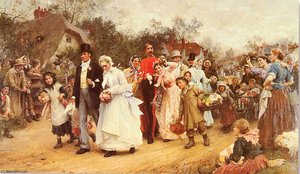
Biografía del artista
Primeros Años y Formación
- Nacimiento: Liverpool, Reino Unido, 3 de octubre de 1843
- Fallecimiento: 28 de febrero de 1927 (a los 83 años)
- Antecedentes Familiares: Nieto de la activista política Mary Fildes. Su padre era marinero y agente de envíos.
- Educación Temprana: Asistió a la Escuela de Arte de Warrington en 1860.
- Formación Formal: Estudió en las Escuelas South Kensington (posteriormente Royal College of Art) y de la Royal Academy, comenzando en 1865. Conoció a Hubert von Herkomer y Frank Holl durante este tiempo.
- Influencias: Fuertemente influenciado por Frederick Walker, un líder del movimiento realista social en Gran Bretaña.
Carrera como Ilustrador y Comentarista Social
- Primeros Trabajos para *The Graphic*: Se unió al personal del periódico ilustrado semanal *The Graphic* en 1869, editado por William Luson Thomas.
- Realismo Social: Adoptó un estilo realista social para representar la pobreza y la injusticia, alineándose con la dirección editorial de *The Graphic*.
- Ilustraciones para Charles Dickens: Fue comisionado por Charles Dickens para ilustrar *El Misterio de Edwin Drood* después de que una ilustración de Fildes de la silla vacía de Dickens tras su muerte ganó amplio reconocimiento.
- Ilustraciones Notables: Creó ilustraciones para otras publicaciones periódicas como el *Sunday Magazine*, *The Cornhill Magazine* y *The Gentleman's Magazine*.
- "Sin Hogar y Hambrientos": Una significativa xilografía publicada en *The Graphic* que representaba a personas sin hogar buscando refugio, lo cual llamó la atención de Dickens.
Transición a la Pintura y Desarrollo Artístico
- Cambio a la Pintura al Óleo: En 1870, Fildes abandonó la ilustración para centrarse en la pintura al óleo.
- Ascenso como Pintor: Se reconoció como uno de los pintores ingleses líderes de su tiempo.
- Obras Clave: Pinturas notables incluyen *El Pabellón Casual* (1874), *El Viudo* (1876), *La Boda del Pueblo* (1883), *Un Retrato al Aire Libre* (1889) y *El Doctor* (1891).
- Escenas Venecianas: Pintó numerosas escenas de la vida veneciana.
- Retratismo: Creó muchos retratos notables, incluyendo los que conmemoraban la coronación del rey Eduardo VII y la reina Alexandra.
Reconocimiento y Vida Posterior
- Membresía en la Royal Academy: Fue elegido Asociado de la Royal Academy (A.R.A.) en 1879 y Académico Real (R.A.) en 1887.
- Caballería: Fue nombrado caballero por el rey Eduardo VII en 1906.
- Orden del Mérito: Fue designado Caballero Comendador de la Orden Victoriana Real (KCVO) por el rey Jorge V en 1918.
- Pseudónimo "Elf": Produjo caricaturas para *Vanity Fair* bajo el seudónimo “Elf”.
- Escuela Neo-Veneciana: Se le considera un líder de la escuela neo-veneciana junto con Henry Woods.
- Vida Familiar: Se casó con Fanny Woods (hermana de Henry Woods) en 1874. Tuvieron dos hijos, Philip y Sir Paul Fildes (un eminente científico).
Significado Histórico y Legado
- Comentario Social: Su obra a menudo abordaba temas sociales, particularmente la pobreza y el sufrimiento de los menos afortunados, reflejando el activismo de su abuela.
- Influencia en Van Gogh: Su ilustración de la silla vacía de Dickens inspiró la pintura *La Silla Amarilla* de Vincent van Gogh.
- "El Doctor": Esta icónica pintura se utilizó en una campaña de 1949 de la Asociación Médica Americana contra la atención médica nacionalizada, destacando el poder de su arte para influir en la opinión pública.
- Impacto Duradero: El estilo realista y el comentario social de Fildes contribuyeron significativamente al arte victoriano y continúan resonando con el público actual.
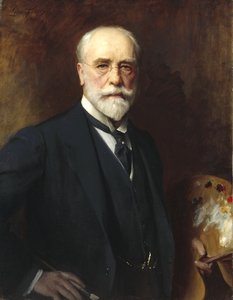
Samuel Luke Fildes
1843 - 1927 , Reino Unido
Datos clave
- Artistas Que Influyeron: ['Frederick Walker']
- Fecha De Fallecimiento: 28 de febrero de 1927
- Fecha De Nacimiento: 3 de octubre de 1843
- Influenciado Por: ['Vincent van Gogh']
- Lugar De Nacimiento: Liverpool, Reino Unido
- Movimiento Artístico: Realismo social
- Nacionalidad: Británico
- Nombre Completo: Sir Samuel Luke Fildes
- Obras Notables:
- The Casual Ward
- The Widower
- La boda aldeana
- An Al Fresco Toilette
- El Doctor
Artículos relacionados
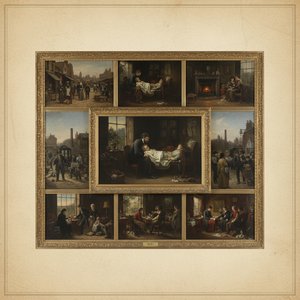
Samuel Luke Fildes: Capturing Victorian Life Through Narrative & Social Realism
Explore the poignant world of Samuel Luke Fildes, a master of Victorian Social Realism. Discover his iconic paintings like 'The Doctor' and delve into his artistic journey with ArtsDot.

The Enduring Legacy of Oil on Canvas: Technique, History & Aesthetic Impact
Explore the rich history & techniques of oil painting – from Renaissance masters to Impressionism. Discover pigments, layering methods, and why this timeless medium endures. Expert insights for artists & art enthusiasts.

El Óleo sobre Lienzo: Historia, Técnica y la Persistencia de un Medio Artístico Atemporal
Descubre la historia y técnica del óleo sobre lienzo. Explora reproducciones fieles hechas a mano, personalización artística y consejos de expertos con ArtsDot. ¡Colecciona arte con confianza!
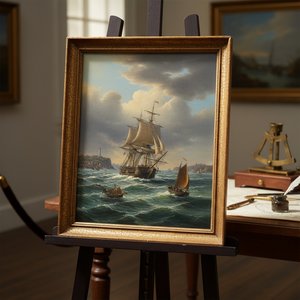
Samuel Walters: Capturing Victorian Maritime Life with Precision & Artistry
Explore the exquisite maritime paintings of Samuel Walters (1811-1882). Discover his mastery of detail, historical scenes & influence on Victorian art. Learn about collecting his works and find high-quality reproductions at ArtsDot.

The Enduring Power of Painting: A Historical & Contemporary Exploration of Form and Emotion
Explore the rich history & enduring techniques of oil painting with ArtsDot. Discover masterpieces, learn about art collecting, and find authentic handmade reproductions crafted by skilled artists.