 Ver en contexto
 Enviar
 Compartir
 Detalles

 Descargar
 Similares
 Radiografía
 Presentación de diapositivas
Adoration of the Kings

 Ver más
Reproducción al óleo hecha a mano
Óleo sobre lienzo pintado a mano en el tamaño y marco de su elección, realizado por encargo por nuestros artistas. ( Comprar impresión Comprar imagen)




P118B $10

P118H $10

P118W $10

P438Z $10

P508JH $12

P508YH $12

P805H $10

P805Z $10

P919BZ $10

P919G $10

P919XJ $10

P959ZH $10

P968JZ $12

W106C $8

W218G $10

W218JH $8

W218Y $10

W307PJ $10

W316G $10

W316PJ $8

W316Y $10

W398PJ $8

W4111J $10

W500HY $15

W500JH $15

W692G $12

W849H $8

W940BG $15

W953PJ $8




Elija entre nuestros tamaños predefinidos que respetan las proporciones originales de la obra.

Puede ingresar sus propias dimensiones para adaptarse a un marco o espacio específico. Si el tamaño seleccionado no coincide con las proporciones de la imagen original, recortaremos la obra o extenderemos la pintura con elementos adicionales pintados a mano. Se le enviará una maqueta digital para su aprobación antes de comenzar la producción.
Tenga en cuenta que la vista previa en pantalla no refleja el recorte o la extensión reales. Solo la maqueta mostrará con precisión la composición final.
Si bien existen tamaños personalizados, recomendamos seleccionar una dimensión de la lista predefinida para preservar las proporciones originales.
Tras realizar el pedido, el equipo de ArtsDot.com enviará un correo electrónico al cliente para solicitar instrucciones y proporcionarle una vista previa del boceto.
Envío a todo el mundo () en 3-4 semanas en lugar de las 5 semanas estándar. (22 agosto). Sin comprometer la calidad.

Envío exprés gratuito a todo el mundo

Lienzo de lino de alta calidad

Seguro de envío total

Garantía de reembolso de impuestos aduaneros

Garantía de fidelidad cromática exacta

Política de devolución de 60 días (solo por defectos)

Garantía de devolución del 100% del dinero

Descuento por cantidad
 La opción de vidrio solo está disponible en tamaños inferiores a 110 cm.

Adoration of the Kings
Técnica de reproducción
Dimensiones de la reproducción
-


Precio total final
$ 263
Descripción de la obra
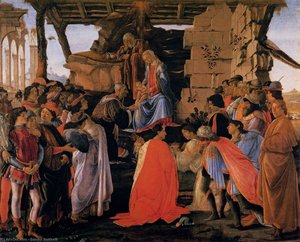
The Adoration of the Kings: Botticelli’s Vision of Divine Reverence
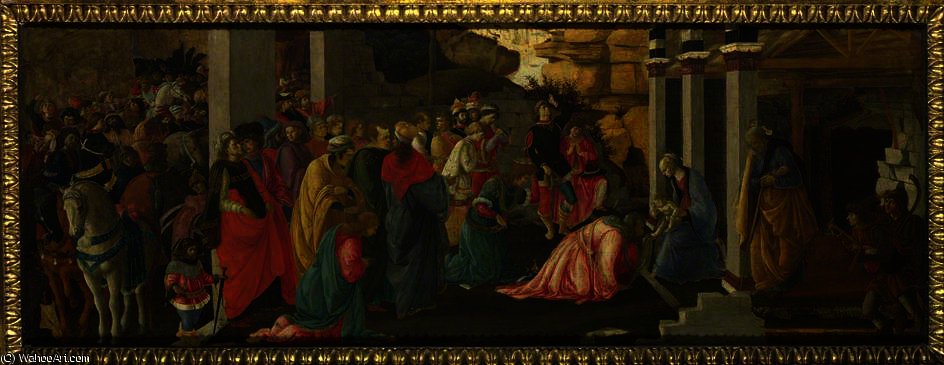
Botticelli's "Adoration of the Kings," completed around 1470-5, stands as one of his most ambitious undertakings—a monumental tondo depicting the Magi’s pilgrimage to Bethlehem and their veneration of infant Jesus. More than just a depiction of biblical narrative, it embodies the humanist ideals flourishing in Renaissance Florence and reflects the profound spiritual convictions of its patrons, notably Lorenzo de Medici and his family. The painting's sheer scale (approximately 130.8 × 130.8 cm) immediately commands attention, transporting viewers into a meticulously crafted scene brimming with symbolic richness.- Composition & Setting: Botticelli skillfully employs a circular format—a ‘tondo’—to emphasize the centrality of Christ and invite contemplation. The backdrop is dominated by a stylized architectural ruin reminiscent of Roman temples, subtly hinting at the triumph of Christianity over pagan idolatry. A bench occupies the lower right corner, grounding the scene in earthly reality while simultaneously elevating it to a realm of divine majesty.
- Figures & Movement: Botticelli’s figures are rendered with an exquisite grace and fluidity characteristic of his style—a legacy inherited from Fra Filippo Lippi. The Magi, dressed in opulent robes adorned with gold embroidery, dominate the outer ring, their gestures conveying reverence and humility as they prostrate themselves before Christ. Their expressions are serene, reflecting the profound spiritual significance of the event.
- Symbolism & Detail: Botticelli’s meticulous attention to detail extends beyond mere representation; it communicates complex symbolic meanings. The star guiding the Magi—a motif borrowed from Jan van Eyck's “Stigmatization of Saint Francis”—represents divine providence and illuminates the path towards salvation. The gifts presented by the Magi—gold, frankincense and myrrh—symbolize spiritual riches and foreshadow Christ’s sacrificial death.
- Technique: Botticelli employed egg tempera on wood – a technique known for its luminosity and durability – to achieve remarkable tonal subtlety and textural nuance. This meticulous layering of pigment allowed him to capture the ethereal beauty of the scene with unparalleled precision, creating an image that transcends mere visual representation and speaks directly to the viewer’s soul.
Historical Context & Patronage
The painting's creation coincided with a period of intense artistic innovation in Florence—the High Renaissance—fueled by the patronage of influential families like the Medici. Lorenzo de Medici, known as “Lorenzo il Magnifico,” commissioned several monumental artworks to glorify his family’s prestige and reinforce their role as protectors of humanist ideals. Botticelli's "Adoration of the Kings" served not only as a devotional masterpiece but also as a powerful emblem of Florentine civic pride—a testament to the city’s cultural leadership and its commitment to artistic excellence.Emotional Impact & Legacy
Botticelli’s “Adoration of the Kings” continues to captivate audiences centuries after its creation, eliciting feelings of awe and reverence for its sublime beauty. Its serene composition, harmonious color palette, and exquisitely rendered figures convey a profound sense of spiritual contemplation—inviting viewers to reflect on themes of faith, humility, and divine grace. Botticelli’s masterpiece remains an enduring symbol of Renaissance artistic achievement and continues to inspire artists and collectors alike, cementing its place as one of the most treasured treasures of Florentine art history.Obras relacionadas
Biografía del artista
vida temprana y formación
Sandro Botticelli, nacido Alessandro di Mariano di Vanni Filipepi alrededor de 1445, fue una figura clave en el Renacimiento temprano de la pintura italiana. Inicialmente eclipsado post mortem, la obra de Botticelli fue revitalizada a finales del siglo XIX por los pre-rafaelitas, lo que llevó a una reevaluación de sus contribuciones artísticas. Botticelli nació en Florencia, Italia, y vivió toda su vida en el mismo barrio. Su familia, incluyendo a su padre Mariano di Vanni d'Amadeo Filipepi, estuvo involucrada en diversas profesiones, lo que les permitió entrar en contacto con artistas. Giorgio Vasari informó que Botticelli fue inicialmente entrenado como joyero.Estilo artístico y obras notables
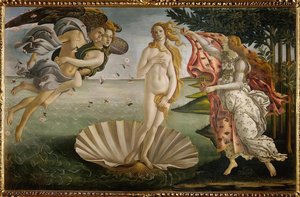
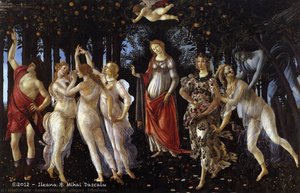
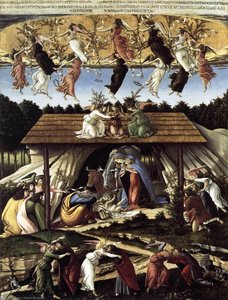
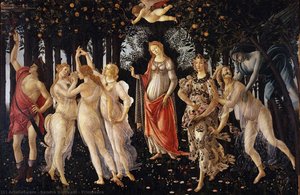
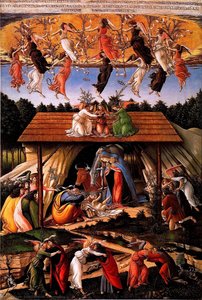
La obra de Botticelli se caracteriza por una elegante linealidad, que conecta el gótico tardío italiano con el Renacimiento temprano. Sus obras más famosas, El nacimiento de Venus y Primavera, se exhiben en la Galería Uffizi en Florencia, que alberga una importante colección de su arte. * El nacimiento de Venus (ver en ArtsDot) * Primavera (explorar el arte de Sandro Botticelli en ArtsDot) * La natividad mística (Galería Nacional, Londres), fechada en 1501, es la única obra de Botticelli con una fecha clara.Legado e influencia
El estilo de Botticelli evolucionó hacia un enfoque más personal en la década de 1490, divergente de sus contemporáneos como Leonardo da Vinci y el estilo del Alto Renacimiento emergente. Su obra ha sido reconocida como una contribución significativa al movimiento artístico del Renacimiento italiano. * El movimiento artístico del Renacimiento italiano * Sandro Botticelli en Wikipedia- Artistas notables del Renacimiento italiano incluyen a Sandro Botticelli, Leonardo da Vinci, Miguel Ángel y Tiziano.
- La Galería Uffizi de Florencia alberga una importante colección de arte de Botticelli.
- La obra de Botticelli ha sido reconocida como una figura clave en el Renacimiento temprano de la pintura italiana.
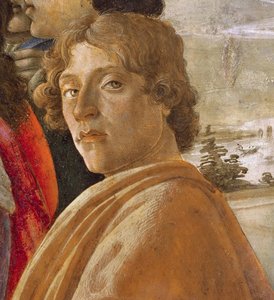
Sandro Botticelli
1445 - 1510 , Italia
Datos clave
- Artistas Que Influyeron:
- Fra Angelico
- Paolo Uccello
- Estilo Artístico: Renacimiento Temprano
- Fecha De Muerte: 1510
- Fecha De Nacimiento: c. 1445
- Influenciado A Artistas: ['Pre-Rafaelitas']
- Lugar De Nacimiento: Florencia, Italia
- Nacionalidad: Italiana
- Nombre Completo: Sandro Botticelli
- Obras Notables:
- El Nacimiento de Venus
- Primavera
- Natividad Mística
Artículos relacionados
Botticelli: Las 25 Obras Maestras del Renacimiento para Decorar con Arte y Elegancia
Descubre las 25 obras maestras de Sandro Botticelli, el genio del Renacimiento italiano. Explora 'El Nacimiento de Venus', 'Primavera' y más: historia, técnica y belleza clásica. Encuentra reproducciones de arte exclusivas en ArtsDot.com.
Los 25 Tesoros del Uffizi: Arte Renacentista para tu Hogar | ArtsDot
Descubre los 25 tesoros del Uffizi en Florencia: Botticelli, Leonardo da Vinci y más. Explora la historia, el arte renacentista y encuentra reproducciones de alta calidad para tu hogar. ¡Inspírate con ArtsDot.com!
Los 10 Maestros del Renacimiento Temprano: Arte que Transformó el Mundo |
Descubre los 10 maestros del Renacimiento Temprano: Botticelli, Leonardo da Vinci y más. Explora la historia, técnica y belleza de obras icónicas italianas. Reproducciones de arte exclusivas en .
Sacred Narratives Embodied: A Comprehensive Exploration of Religious Iconography in Art History
Explore the rich history of religious iconography in art! Discover symbolism, movements & masterpieces from Byzantine to Renaissance periods. Expert insights for collectors and enthusiasts at ArtsDot.
Sacred Narratives on Canvas: Exploring Religious Scenes & Their Enduring Influence
Explore the rich history of religious art from Giotto to the Renaissance masters with ArtsDot. Discover symbolism, techniques & enduring legacies. Museum-quality reproductions available.