 Ver en contexto
 Enviar
 Compartir
 Detalles

 Descargar
 Similares
 Radiografía
 Presentación de diapositivas
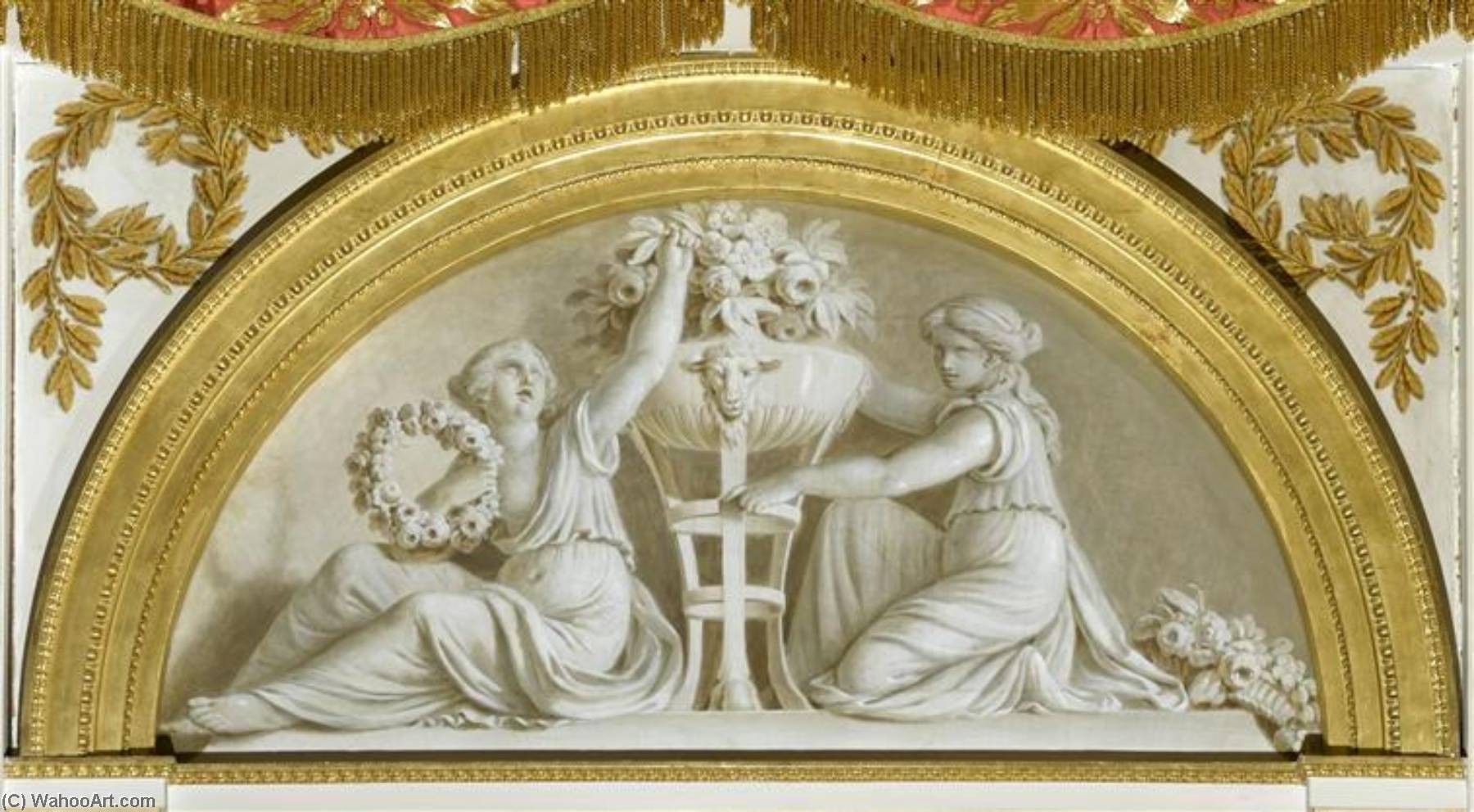
GRISAILLES. DEUX FEMMES AVEC DES FLEURS

 Ver más
Giclée / Impresión de arte
Impresiones giclée o en lienzo de calidad de museo con producción rápida y opciones de acabado flexibles. ( Comprar pintura hecha a mano Comprar imagen)




































Elija entre nuestros tamaños predefinidos que respetan las proporciones originales de la obra.

Puede introducir sus propias dimensiones para adaptarse a un marco o espacio específico. Si el tamaño seleccionado no coincide con las proporciones de la imagen original, recortaremos la obra de arte o extenderemos la imagen con un borde con efecto espejo o de color sólido. Se enviará una maqueta digital para su aprobación antes de que comience la producción.
Tenga en cuenta que la vista previa en pantalla no refleja el recorte o la extensión real. Solo la maqueta mostrará con precisión la composición final.
Aunque existen tamaños personalizados, recomendamos seleccionar una dimensión de la lista predefinida para preservar las proporciones originales.
Envío a todo el mundo () en 2 semanas en lugar de las 4/5 semanas estándar. (6 septiembre)

Envío exprés gratuito a todo el mundo

Lienzo de lino de alta calidad

Seguro de envío total

Garantía de reembolso de impuestos aduaneros

Garantía de fidelidad cromática exacta

Política de devolución de 60 días (solo por defectos)

Garantía de devolución del 100% del dinero

Descuento por cantidad
 La opción de vidrio solo está disponible en tamaños inferiores a 110 cm.

GRISAILLES. DEUX FEMMES AVEC DES FLEURS
Giclée / Impresión de arte
Dimensiones de la reproducción
-


Precio total final
$ 62
Un Vistazo a la Serena Belleza: "Grisailles. Deux Femmes Avec Des Fleurs" de Sauvage Piat
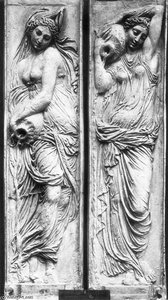
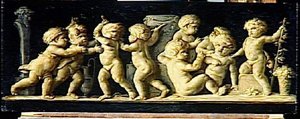
Esta exquisita escultura en relieve, "Grisailles. Deux Femmes Avec Des Fleurs", creada por Pieter Joseph Sauvage (también conocido como Sauvage Piat), ofrece una ventana cautivadora a la refinada estética del arte francés del siglo XVIII. Originalmente destinada como un adorno arquitectónico – quizás adornando una pared o techo dentro de una casa señorial – esta pieza encarna la elegancia y la tranquilidad características tanto de los estilos Rococó como Neoclásico.
Tema y Estilo: Feminidad Idealizada y Armonía Clásica
La obra representa a dos figuras femeninas, sentadas con gracia en medio de un exuberante follaje. Sus poses reflejadas y la disposición simétrica alrededor de un árbol o columna estilizado central crean una sensación de equilibrio perfecto y orden. Esta composición está firmemente arraigada en la tradición neoclásica, que se inspiró en el arte griego y romano antiguo. Las formas idealizadas de las mujeres, sus expresiones serenas y los motivos clásicos – evidentes en el marco arquitectónico y los elementos decorativos – contribuyen a esta estética. Si bien influenciado por la predilección rococó por la ornamentación, el trabajo de Sauvage Piat demuestra una contención y claridad que se alinea con los principios neoclásicos.
Técnica y Materiales: El Arte del Relieve Grisaille
"Grisailles" se refiere específicamente a obras de arte monocromáticas o casi monocromáticas ejecutadas en tonos de gris, blanco y, a veces, negro. Esta pieza en particular está representada como una escultura en relieve – lo que significa que las figuras están talladas en detalle elevado desde un fondo plano. El artista utiliza hábilmente el mármol (probablemente) como su principal medio, logrando una superficie lisa y pulida que refleja la luz sutilmente. La aplicación estratégica de pan de oro o pintura resalta los bordes del arco y los detalles decorativos, agregando un toque de opulencia y atrayendo la atención a los elementos clave dentro de la composición.
Simbolismo e Impacto Emocional
Más allá de su atractivo estético, "Grisailles. Deux Femmes Avec Des Fleurs" tiene peso simbólico. La simetría inherente al diseño evoca una sensación de orden, equilibrio y tranquilidad – valores muy apreciados durante el período neoclásico. Los motivos florales frecuentemente simbolizan la fertilidad, el crecimiento y la abundancia, enriqueciendo aún más el significado de la obra. El tono emocional general es de serena elegancia; invita a la contemplación y ofrece un momento de respiro de las preocupaciones cotidianas. La iluminación difusa realza esta sensación de calma, creando una atmósfera de belleza atemporal.
Contexto Histórico y Legado de Sauvage Piat
Pieter Joseph Sauvage (1744-1818) fue un artista belga que trabajó principalmente en Francia, demostrando su versatilidad y adaptabilidad dentro del panorama artístico en evolución. Si bien los detalles biográficos sobre él siguen siendo algo escasos, sus obras son reconocidas por su hábil ejecución y refinadas sensibilidades estéticas. Contribuyó a proyectos decorativos significativos, mostrando su capacidad para integrar el arte sin problemas en los espacios arquitectónicos. Esta pieza ejemplifica su dominio de los grisailles y la escultura en relieve, consolidando su lugar como una figura notable en el arte francés del siglo XVIII.
Obras relacionadas
Biografía del artista
The Illusionist of the Rococo: The Life and Art of Piat Joseph Sauvage
In the grand, gilded halls of eighteenth-century Europe, where the boundaries between reality and artifice were often intentionally blurred, few artists mastered the art of deception as exquisitely as Piat Joseph Sauvage. A true polymath of the Rococo era, Sauvage was not merely a painter but a sculptor, printmaker, and academician whose work breathed life into cold surfaces. Born in 1744 in Tournai, his journey began far from the prestigious salons of Paris, rooted in the tactile world of craftsmanship. As the son of Antoine, a skilled glass cutter, the young Sauvage spent his formative years immersed in the precise, luminous environment of his father’s glass factory. This early exposure to the interplay of light and material would later become the cornerstone of his artistic identity, informing his ability to manipulate perception through trompe l'oeil—the "trick of the eye."
His transition from craftsman to fine artist was marked by a rigorous academic pursuit. Seeking to elevate his natural talent, he traveled to the Antwerp Academy, where he studied under the tutelage of Martin Joseph Geeraerts. It was here that Sauvage refined his command over grisaille, a technique involving monochrome painting that mimics the appearance of stone or relief sculpture. This mastery of monochromatic depth allowed him to create works that appeared as three-dimensional carvings, bridging the gap between the two-dimensional canvas and the sculptural medium. His education provided him with a profound understanding of history painting and classical composition, yet it was his ability to marry these lofty traditions with decorative innovation that would eventually set him apart in the competitive French art scene.
A Master of Illusion and Royal Patronage
The year 1774 marked a pivotal turning point in Sauvage’s career when he relocated to Paris. Joining the Académie de Saint-Luc, he quickly ascended the ranks of the artistic elite through sheer technical brilliance. His talent for creating illusions was so profound that it earned him entry into the prestigious Académie royale de peinture et de sculpture. One of his most celebrated achievements was a breathtaking trompe l'oeil painting of a round table, draped in an embroidered cloth and adorned with a collection of delicate objects—a child’s statue, a helmet, books, and a violin. This work, which resides in the Palace of Fontainebleau, serves as a testament to his ability to command the viewer's senses, making the painted surface appear to pulse with physical weight and texture.
As his reputation for decorative mastery grew, so too did his list of illustrious patrons. Sauvage became the preferred artist for some of the most powerful figures of the age, serving as the court painter to the Prince de Condé and eventually to King Louis XVI and the French Royal Family. His commissions were not limited to mere canvases; he was a master of medium, often utilizing precious materials such as marble, porcelain, and ivory to support his miniature paintings and carvings. Whether adorning the grand interiors of Versailles or creating intimate portraits of Marie-Antoinette, Sauvage’s work embodied the elegance, luxury, and sophisticated whimsy of the Rococo period.
Legacy of a Versatile Visionary
Despite the political upheavals of the French Revolution, which saw many royal artists stripped of their status, Sauvage navigated the changing tides with remarkable resilience. His artistic output remained diverse, ranging from large-scale allegorical murals to delicate, small-scale portrait sculptures. This versatility allowed him to leave an indelible mark on the decorative arts of the late eighteenth century. His ability to transform a flat surface into a window of depth and a hard material into a soft, lifelike texture remains his greatest contribution to art history.
Today, the works of Piat Joseph Sauvage are remembered as pinnacle examples of Rococo decorative artistry. His legacy is defined by several key artistic pillars:
- Technical Virtuosity: The seamless integration of painting and sculpture through the use of grisaille and trompe l'oeil.
- Material Innovation: An extraordinary ability to work across diverse supports, including ivory, porcelain, and marble.
- Atmospheric Precision: A lifelong dedication to capturing the subtle nuances of light and shadow, a skill inherited from his glassmaking roots.
- Historical Significance: Serving as a vital link between the decorative traditions of the Southern Netherlands and the height of French royal splendor.
In every brushstroke and every carved detail, Sauvage invited his audience to question the nature of sight itself, leaving behind a body of work that continues to enchant those who find beauty in the masterful deception of the senses.
sauvage pieter joseph (sauvage piat)
1744 - 1818
Datos clave
- Artistic Movement Or Style: Rococo Art
- Artists Or Movements Influenced By This Artist: ['Louis XVI']
- Artists Who Influenced This Artist: ['Martin Joseph Geeraerts']
- Date Of Death: 1818
- Full Name: Piat Joseph Sauvage
- Nationality: Belgian
- Notable Artworks:
- The Death of Germanicus
- Grisailles. Deux Femmes Avec Des Fleurs
- GRISAILLES (Une Fileuse )
- Place Of Birth: Tournai
Artículos relacionados

Esculturas de Bronce Legendarias: 10 Obras Maestras que Transformaron el Arte | ArtsDot
Descubre las 10 esculturas de bronce más legendarias que revolucionaron el arte. Explora la historia de Rodin, Degas y otros maestros del bronce. Encuentra reproducciones de alta calidad e inspiración para tu hogar en ArtsDot.com.

The Enduring Form: Exploring Themes & Techniques in Sculpture Across Historical Periods
Explore the rich history of sculpture from ancient masterpieces to contemporary innovations. Discover key techniques, influential artists & investment potential for discerning art collectors.

The Enduring Form: Sculpture Across History, Technique & Emotional Resonance
Explore the rich history of sculpture with ArtsDot. Discover key techniques, influential artists & investment potential for discerning collectors. Expert insights into valuing and collecting timeless masterpieces.

Las 10 Obras Maestras de Bronce que Revolucionaron la Historia del Arte | ArtsDot
Descubre las 10 esculturas de bronce más influyentes de la historia del arte. Explora obras maestras de Rodin, Degas y otros genios. Encuentra reproducciones de arte de calidad museo en ArtsDot.com.
Antonio Canova: Neoclassical Sculpture & the Pursuit of Emotional Perfection
Explore the life & art of Antonio Canova, the greatest Neoclassical sculptor. Discover his masterpieces, innovative techniques, and lasting influence on fine art collecting. Expert insights for discerning investors.