Sauvage Pieter Joseph (1744 - 1818): A Master of Rococo Grisailles and Trompe l'oeil
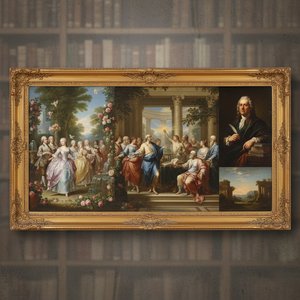
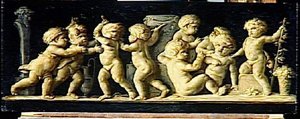
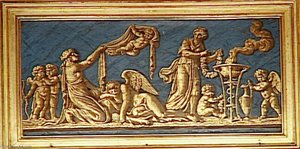
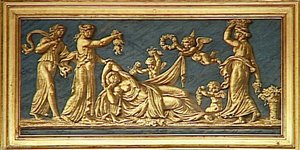
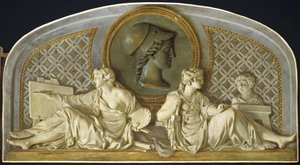
Piat Joseph Sauvage, or Pieter Joseph Sauvage (January 19, 1744 – June 11, 1818), was a prolific Flemish painter, sculptor, printmaker, and academic lecturer who achieved renown during the Rococo period in France. Born in Tournai, he honed his artistic skills initially within his father’s glassmaking workshop before pursuing formal training at the Antwerp Academy under Martin Joseph Geeraerts, establishing himself as a leading figure in decorative art and portrait sculpture. His distinctive style—characterized by serene interiors rendered with meticulous grisaille and masterful trompe l'oeil illusions—secured him positions as court painter to influential patrons like Prince de Condé and Louis XVI, cementing his legacy as one of the era’s foremost artists.
Early Life and Artistic Education
Antoine Sauvage, Piat Joseph’s father, operated a glass factory in Tournai, providing him with an early exposure to craftsmanship and visual precision. Recognizing his son's artistic inclinations, Antoine ensured he received comprehensive instruction at the Antwerp Academy, where Geeraerts instilled in him a deep understanding of grisaille technique—a method of painting monochrome images on plaster surfaces using pigments mixed with resin—and history painting principles. This formative period established Sauvage’s foundational knowledge and cemented his commitment to classical artistic traditions.
Career Highlights: Court Painter and Decorative Artistry
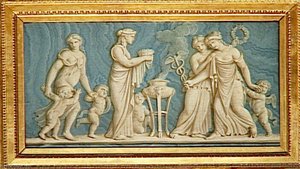
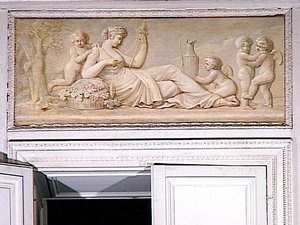
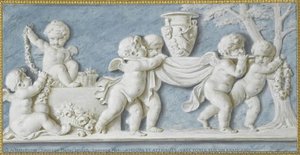
Sauvage's career ascended rapidly upon relocating to Paris in 1774, where he joined the Académie de Saint-Luc and quickly gained recognition for his innovative approach to decorative painting. He swiftly secured commissions from prominent figures—including Louis XVI—demonstrating an exceptional ability to capture grandeur and elegance within interior spaces. His celebrated trompe l'oeil murals, notably those adorning Versailles and Fontainebleau palaces, showcased his unparalleled skill in creating illusions of depth and perspective, transforming ordinary rooms into breathtaking vistas. Furthermore, Sauvage’s porcelain figurines for Sèvres cemented his reputation as a master craftsman, blending artistic vision with technical mastery.
Style and Technique: Grisaille and Trompe l'oeil Mastery
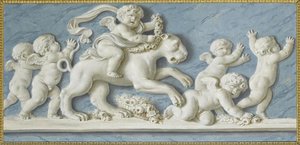
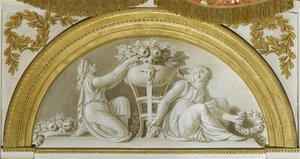
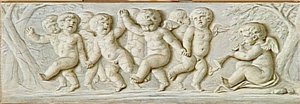
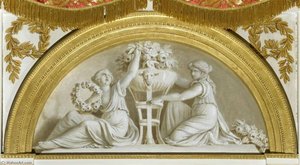
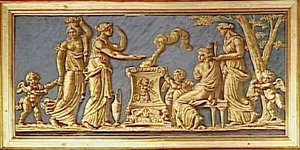
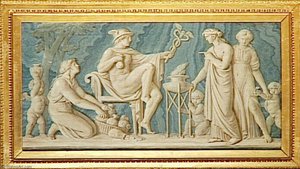
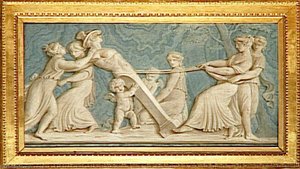
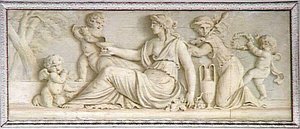
Sauvage’s artistic signature lay in his masterful manipulation of grisaille—a technique he perfected to achieve remarkable realism and luminosity on plaster surfaces—and his pioneering use of trompe l'oeil, or illusionistic painting. Unlike conventional color palettes, Sauvage favored monochrome shades of gray, skillfully blending pigments with resin to produce textures that mimicked stone and marble, creating an immersive experience for the viewer. His ability to deceive the eye through perspective and shading elevated his paintings beyond mere representation, transforming them into captivating visual narratives. This distinctive style profoundly influenced subsequent generations of artists and solidified Sauvage’s place as a pivotal figure in Rococo art history.
Legacy and Influence
Piat Joseph Sauvage died in Tournai in 1818, leaving behind an impressive oeuvre encompassing paintings, sculptures, and prints that continue to inspire admiration for their elegance and technical brilliance. His contributions to the decorative arts—particularly his monumental grisaille murals—remain visible today, serving as tangible reminders of the artistic fervor of the Enlightenment era. Sauvage’s influence extended beyond his immediate contemporaries, shaping aesthetic sensibilities and establishing precedents for trompe l'oeil artistry that endure into the present day. He is remembered not merely as a painter but as an innovator who elevated decorative art to new heights of sophistication and illusionistic grandeur.