 Preview
 Send
Send Share
Share
 Details

 Download
 Similars
 X-Ray
X-Ray Diaporama
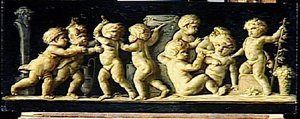
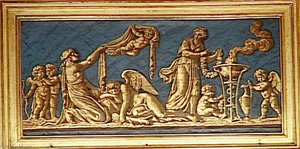
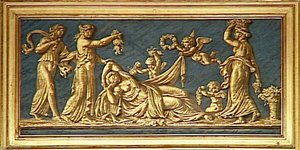
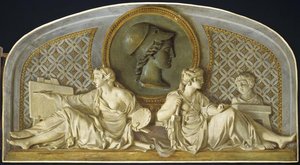
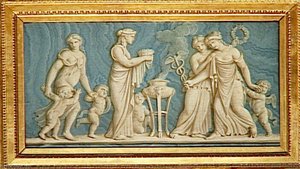
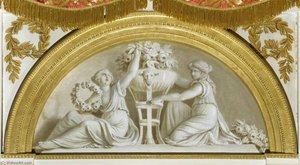
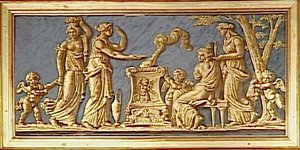
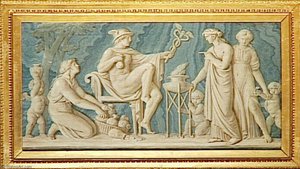
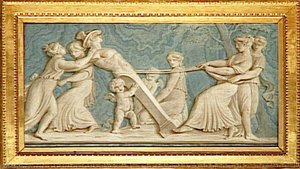
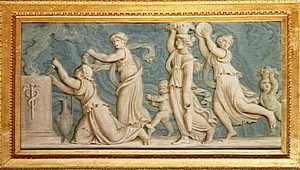
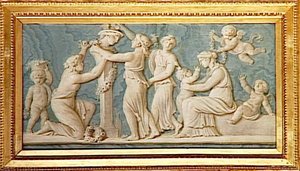
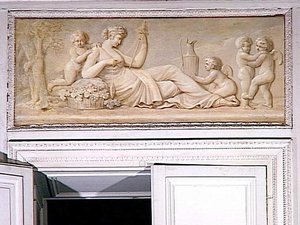
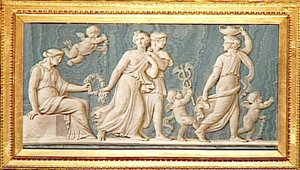
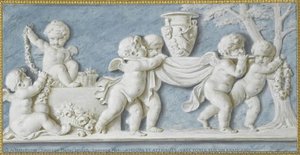
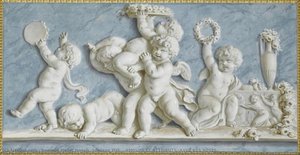
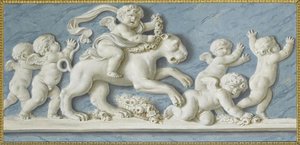
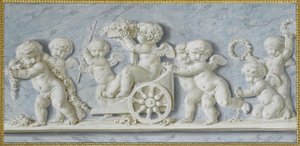
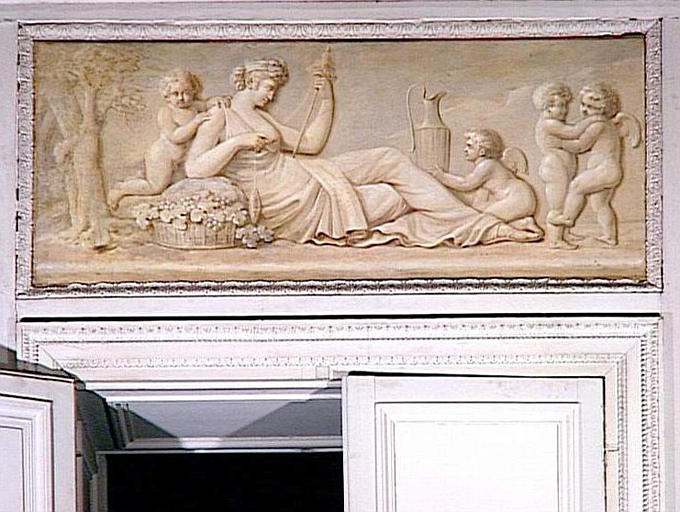
GRISAILLES (UNE FILEUSE )
 Read More
Hand Made Oil Reproduction
Hand-painted oil on canvas in your size and frame, made to order by our artists. ( Buy Print Buy Image)




































Pick from our preset sizes that match the artwork's original proportions.

You may enter your own dimensions to fit a specific frame or space. If your selected size does not match the original image's proportions, we will either crop the artwork or extend the painting with additional hand-painted elements. A digital mockup will be sent for your approval before production begins.
Please note that the on-screen preview does not reflect the actual cropping or extension. Only the mockup will accurately show the final composition.
While custom sizes are available, we recommend selecting a dimension from the predefined list to preserve the original proportions.
After order, ArtsDot.com team will email client for instructions and provide a mockup preview
Worldwide Delivery () in 3/4 weeks instead of standard 5 weeks. (26 August). No compromise on quality.

Free Worldwide Express Shipping

High-Quality Linen Canvas

Full Shipping Insurance

Customs Tax Refund Guarantee

True Color Matching Guarantee

60-Day Return Policy (Defects Only)

100% Money-Back Guarantee

Bulk Discount Offer
 Glass option is only available in size under 110 CM

GRISAILLES (UNE FILEUSE )
Reproduction Medium
Reproduction Size
-


Total Price
$ 313
Related Artworks









Artist Biography
The Illusionist of the Rococo: The Life and Art of Piat Joseph Sauvage
In the grand, gilded halls of eighteenth-century Europe, where the boundaries between reality and artifice were often intentionally blurred, few artists mastered the art of deception as exquisitely as Piat Joseph Sauvage. A true polymath of the Rococo era, Sauvage was not merely a painter but a sculptor, printmaker, and academician whose work breathed life into cold surfaces. Born in 1744 in Tournai, his journey began far from the prestigious salons of Paris, rooted in the tactile world of craftsmanship. As the son of Antoine, a skilled glass cutter, the young Sauvage spent his formative years immersed in the precise, luminous environment of his father’s glass factory. This early exposure to the interplay of light and material would later become the cornerstone of his artistic identity, informing his ability to manipulate perception through trompe l'oeil—the "trick of the eye."
His transition from craftsman to fine artist was marked by a rigorous academic pursuit. Seeking to elevate his natural talent, he traveled to the Antwerp Academy, where he studied under the tutelage of Martin Joseph Geeraerts. It was here that Sauvage refined his command over grisaille, a technique involving monochrome painting that mimics the appearance of stone or relief sculpture. This mastery of monochromatic depth allowed him to create works that appeared as three-dimensional carvings, bridging the gap between the two-dimensional canvas and the sculptural medium. His education provided him with a profound understanding of history painting and classical composition, yet it was his ability to marry these lofty traditions with decorative innovation that would eventually set him apart in the competitive French art scene.
A Master of Illusion and Royal Patronage
The year 1774 marked a pivotal turning point in Sauvage’s career when he relocated to Paris. Joining the Académie de Saint-Luc, he quickly ascended the ranks of the artistic elite through sheer technical brilliance. His talent for creating illusions was so profound that it earned him entry into the prestigious Académie royale de peinture et de sculpture. One of his most celebrated achievements was a breathtaking trompe l'oeil painting of a round table, draped in an embroidered cloth and adorned with a collection of delicate objects—a child’s statue, a helmet, books, and a violin. This work, which resides in the Palace of Fontainebleau, serves as a testament to his ability to command the viewer's senses, making the painted surface appear to pulse with physical weight and texture.
As his reputation for decorative mastery grew, so too did his list of illustrious patrons. Sauvage became the preferred artist for some of the most powerful figures of the age, serving as the court painter to the Prince de Condé and eventually to King Louis XVI and the French Royal Family. His commissions were not limited to mere canvases; he was a master of medium, often utilizing precious materials such as marble, porcelain, and ivory to support his miniature paintings and carvings. Whether adorning the grand interiors of Versailles or creating intimate portraits of Marie-Antoinette, Sauvage’s work embodied the elegance, luxury, and sophisticated whimsy of the Rococo period.
Legacy of a Versatile Visionary
Despite the political upheavals of the French Revolution, which saw many royal artists stripped of their status, Sauvage navigated the changing tides with remarkable resilience. His artistic output remained diverse, ranging from large-scale allegorical murals to delicate, small-scale portrait sculptures. This versatility allowed him to leave an indelible mark on the decorative arts of the late eighteenth century. His ability to transform a flat surface into a window of depth and a hard material into a soft, lifelike texture remains his greatest contribution to art history.
Today, the works of Piat Joseph Sauvage are remembered as pinnacle examples of Rococo decorative artistry. His legacy is defined by several key artistic pillars:
- Technical Virtuosity: The seamless integration of painting and sculpture through the use of grisaille and trompe l'oeil.
- Material Innovation: An extraordinary ability to work across diverse supports, including ivory, porcelain, and marble.
- Atmospheric Precision: A lifelong dedication to capturing the subtle nuances of light and shadow, a skill inherited from his glassmaking roots.
- Historical Significance: Serving as a vital link between the decorative traditions of the Southern Netherlands and the height of French royal splendor.
In every brushstroke and every carved detail, Sauvage invited his audience to question the nature of sight itself, leaving behind a body of work that continues to enchant those who find beauty in the masterful deception of the senses.
sauvage pieter joseph (sauvage piat)
1744 - 1818
Quick Facts
- Artistic Movement Or Style: Rococo Art
- Artists Or Movements Influenced By This Artist: ['Louis XVI']
- Artists Who Influenced This Artist: ['Martin Joseph Geeraerts']
- Date Of Death: 1818
- Full Name: Piat Joseph Sauvage
- Nationality: Belgian
- Notable Artworks:
- The Death of Germanicus
- Grisailles. Deux Femmes Avec Des Fleurs
- GRISAILLES (Une Fileuse )
- Place Of Birth: Tournai