 Ver en contexto
 Enviar
 Compartir
 Detalles

 Descargar
 Similares
 Radiografía
 Presentación de diapositivas
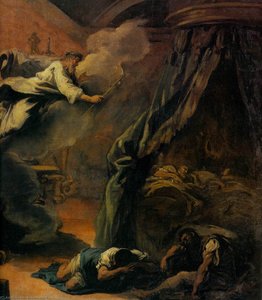
Miracle of Saint Francis of Paola
 Oil On Canvas
- WallArt
- Baroque
 1733
1733 84.0 x 35.0 cm
 Galería Nacional de Arte
 Ver más
Giclée / Impresión de arte
Impresiones giclée o en lienzo de calidad de museo con producción rápida y opciones de acabado flexibles. ( Comprar pintura hecha a mano Comprar imagen)




P118B $10

P118H $10

P118W $10

P438Z $10

P508JH $12

P508YH $12

P805H $10

P805Z $10

P919BZ $10

P919G $10

P919XJ $10

P959ZH $10

P968JZ $12

W106C $8

W218G $10

W218JH $8

W218Y $10

W307PJ $10

W316G $10

W316PJ $8

W316Y $10

W398PJ $8

W4111J $10

W500HY $15

W500JH $15

W692G $12

W849H $8

W940BG $15

W953PJ $8




Elija entre nuestros tamaños predefinidos que respetan las proporciones originales de la obra.

Puede introducir sus propias dimensiones para adaptarse a un marco o espacio específico. Si el tamaño seleccionado no coincide con las proporciones de la imagen original, recortaremos la obra de arte o extenderemos la imagen con un borde con efecto espejo o de color sólido. Se enviará una maqueta digital para su aprobación antes de que comience la producción.
Tenga en cuenta que la vista previa en pantalla no refleja el recorte o la extensión real. Solo la maqueta mostrará con precisión la composición final.
Aunque existen tamaños personalizados, recomendamos seleccionar una dimensión de la lista predefinida para preservar las proporciones originales.
Envío a todo el mundo () en 2 semanas en lugar de las 4/5 semanas estándar. (1 septiembre)

Envío exprés gratuito a todo el mundo

Lienzo de lino de alta calidad

Seguro de envío total

Garantía de reembolso de impuestos aduaneros

Garantía de fidelidad cromática exacta

Política de devolución de 60 días (solo por defectos)

Garantía de devolución del 100% del dinero

Descuento por cantidad
 La opción de vidrio solo está disponible en tamaños inferiores a 110 cm.

Miracle of Saint Francis of Paola
Giclée / Impresión de arte
Dimensiones de la reproducción
-


Precio total final
$ 62
A Vision of Faith and Divine Intervention
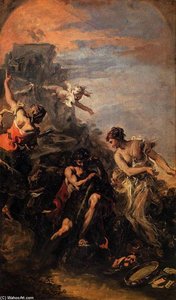
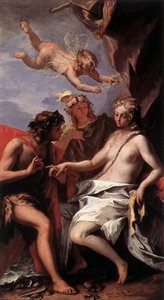
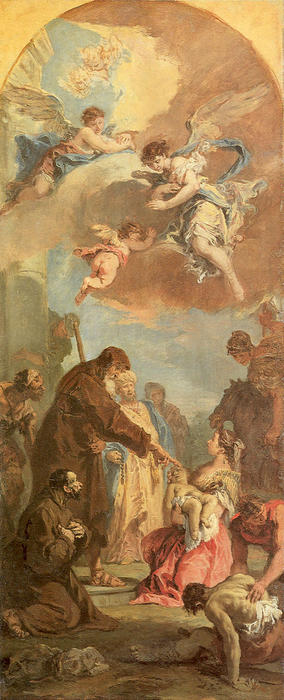
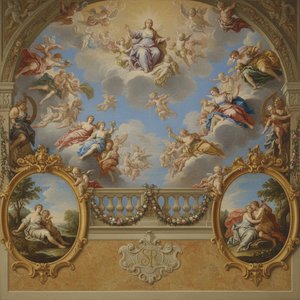
Sebastiano Ricci’s “Miracle of Saint Francis of Paola,” painted in 1733, is more than just a religious depiction; it's a vibrant tableau of faith, hope, and the tangible power of divine grace. The scene unfolds within a meticulously rendered Italian interior – a modest room bathed in diffused light that suggests both earthly reality and an ethereal presence. At its heart stands Saint Francis of Paola (1416-1507), not as a stern ascetic, but as a figure radiating warmth and compassion. He’s depicted mid-action, his arms outstretched towards a young woman kneeling before him, her forehead gently touched by his hand. This simple gesture – a touch that seems to bypass the physical realm – is the catalyst for a miraculous healing.
Ricci, a pivotal figure in late Baroque Venetian painting, masterfully captures the drama of this moment with a dynamic composition and an impressive command of color and light. His style, heavily influenced by the grand manner fresco traditions of earlier masters like Dal Monte and Titian, is characterized by rich textures, luminous flesh tones, and a dramatic use of chiaroscuro – the interplay between light and shadow – that intensifies the emotional impact of the scene. The artist skillfully employs a pyramidal structure to draw the viewer’s eye towards Saint Francis, emphasizing his central role as the conduit for divine intervention.
The Legend Behind the Canvas
The painting is rooted in a compelling legend surrounding Saint Francis of Paola, a charismatic friar known for his extraordinary miracles. Born in Calabria, he dedicated his life to poverty and prayer, earning renown for his ability to heal the sick and raise the dead. The central miracle depicted – the restoration of a young woman’s sight – is one of the most celebrated accounts from his life. Ricci doesn't simply illustrate this event; he imbues it with an almost palpable sense of urgency and spiritual significance. The surrounding figures—angels hovering above, a crowd gathered in silent witness, and the woman herself radiating gratitude—all contribute to the narrative’s emotional resonance.
It’s important to note that Ricci's depiction aligns with the broader devotional trends of the 18th century. The popularity of Saint Francis of Paola was surging during this period, fueled by his reputation for miracles and his association with the Order of Minims, a branch of the Franciscan order known for its strict observance of poverty and devotion to prayer. Ricci’s painting served as both a visual testament to the saint's power and a powerful encouragement for his followers.
Symbolism and Artistic Technique
Beyond the immediate narrative, “Miracle of Saint Francis of Paola” is rich in symbolic detail. The light emanating from Saint Francis’ hand symbolizes divine grace and healing. The woman’s posture—kneeling in humility and supplication—underscores her vulnerability and faith. The angels, rendered with delicate wings and serene expressions, represent the heavenly realm and God's intervention. Ricci’s masterful use of oil paint allows for a remarkable level of detail – from the folds of the fabric to the textures of the faces – creating a sense of realism that enhances the painting’s emotional impact.
The composition also incorporates elements of Italianate architecture, subtly suggesting the sanctity and timelessness of the scene. The use of warm earth tones—ochre, umber, and sienna—creates a harmonious atmosphere, while touches of gold highlight the divine presence. Ricci’s meticulous attention to detail and his skillful manipulation of light and shadow combine to produce a work that is both visually stunning and deeply moving.
A Legacy of Faith and Artistic Brilliance
“Miracle of Saint Francis of Paola” stands as a testament to Sebastiano Ricci's artistic talent and his ability to capture the essence of religious devotion. The painting’s enduring appeal lies in its powerful depiction of faith, hope, and the transformative power of divine grace. Today, reproductions of this captivating artwork continue to inspire viewers with their beauty and spiritual depth.
Obras relacionadas
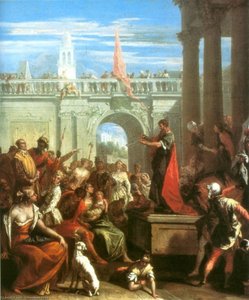
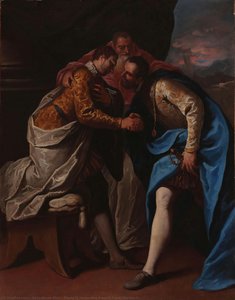
Biografía del artista
biografía de un pintor vigoroso y luminoso
sebastiano ricci, un pintor italiano originario de belluno, nació el 1 de agosto de 1659 y falleció el 15 de mayo de 1734. Fue una figura destacada en la escuela veneciana tardía del barroco, conocido por su estilo de pintura al fresco a gran escala.primera vida y formación
La trayectoria artística de ricci comenzó a temprana edad. En 1671, fue aprendiz de federico cervelli de venecia. Sin embargo, algunas fuentes afirman que su primer maestro fue sebastiano mazzoni.obras y encargos notables
* baco y ariadna (galería nacional, londres, reino unido), una pintura que muestra la maestría de ricci en el estilo barroco. * memorial al almirante sir clowdisley shovell (óleo sobre lienzo), un testimonio de su habilidad para capturar la esencia de un momento. * la decoración del oratorio de la madonna del serraglio (1685-1687) en colaboración con ferdinando galli-bibiena, recibiendo un pago de 4.482 liras.estilo artístico e influencias
El trabajo de ricci fue influenciado por el estilo de giovanni domenico ferretti durante su tiempo en bolonia. Sus pinturas a menudo presentaban temas grandiosos, luminosos y vigorosos, lo que lo convirtió en un representante de la escuela veneciana tardía del barroco. También se vio influenciado por giovanni gioseffo dal sole durante su estancia en bolonia.vida posterior y legado
La carrera artística de ricci estuvo marcada por períodos de turbulencia, incluyendo encarcelamiento y escándalos. Sin embargo, continuó produciendo obras notables, como venus abandona a adonis, que mostró su habilidad para capturar representaciones celestiales. Finalmente, aceptó el patrocinio extranjero en londres, trabajando en un encargo para lord burlington.- vea la obra de sebastiano ricci en ArtsDot.com
- explore más sobre la escuela barroca de venecia y sus influencias en wikipedia
- descubra otros artistas notables del mismo período, como luigi bonazza, en ArtsDot.com
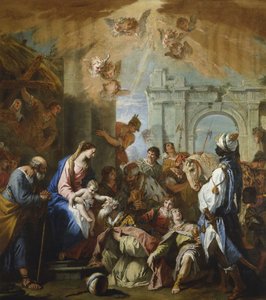
Sebastiano Ricci
1659 - 1734 , Italia
Datos clave
- Artistas Que Influyeron:
- Giovanni Gioseffo dal Sole
- Federico Cervelli
- Sebastiano Mazzoni
- Estilo Artístico: Barroco veneciano tardío
- Fecha De Fallecimiento: 15 de mayo de 1734
- Fecha De Nacimiento: 1 de agosto de 1659
- Influencia En Artistas:
- Giovanni Domenico Ferretti
- Marco Ricci
- Lugar De Nacimiento: Belluno, Italia
- Nacionalidad: Italiana
- Nombre Completo: Sebastiano Ricci
- Obras Notables:
- Baco y Ariadna
- Memorial a Sir Clowdisley Shovell
- Venus se despide de Adonis
Artículos relacionados
Francis Bacon: Las 25 Obras Maestras del Expresionismo y su Impacto en el Arte Moderno
Explora las 25 obras maestras de Francis Bacon, el expresionismo visceral y la angustia humana. Descubre retratos icónicos, trípticos impactantes y su legado en el arte moderno. Reproducciones de museo en ArtsDot.com.
Sebastiano Ricci: Venetian Master of Baroque Illusionism & Rococo Grace
Explore the captivating world of Sebastiano Ricci, a leading Venetian Baroque painter renowned for his luminous frescoes & illusionistic masterpieces. Discover his life, techniques, and lasting influence on art history.

The Dramatic Flourish: Exploring the Baroque Movement's Enduring Legacy in Art History
Explore the dramatic world of Baroque art! Discover iconic artists like Caravaggio & Rubens, defining techniques, and its lasting impact on art history. Expert insights for collectors & enthusiasts at ArtsDot.

Barroco Sublime: 10 Obras Maestras que Definieron una Época |
Descubre las 10 obras maestras del Barroco que marcaron una época. Caravaggio, Bernini y Velázquez cobran vida en . Reproducciones de arte de calidad museo para decorar tu hogar con elegancia. ¡Explora la colección online!

Drama Barroca: Llevando la Grandeza y la Emoción a los Interiores Contemporáneos
Descubre cómo el drama y la grandeza del arte barroco pueden transformar tus interiores. Guía experta, inspiración y reproducciones de alta calidad en .