periodo
movimiento
vibra
temas
palabras clave
matiz
color principal
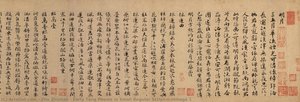
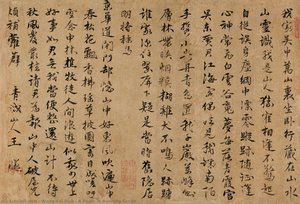
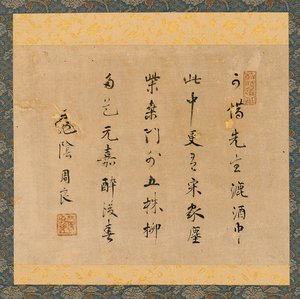
- Early Tang Poems in Small Regular Script\n\nImage 1
- Seven-character Quatrain
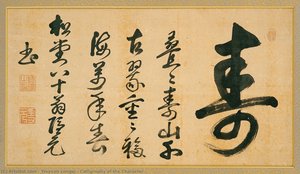
- Calligraphy of the Character
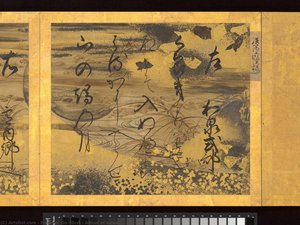
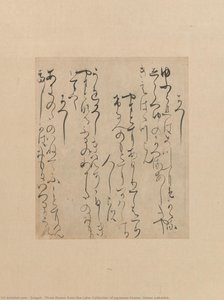
- Three Poems from the Later Collection of Japanese Poems (Gosen wakashū)
- An Account of the Final Day of Chinese New Year’s Celebrations, from the Wise Counsel for Social Intercourse
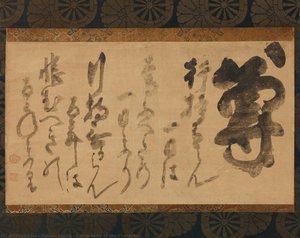
- Calligraphy of the Character
- A Poem in Running Script
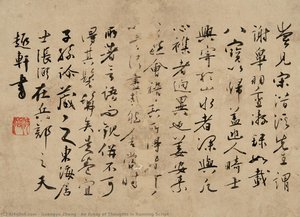
- An Essay of Thoughts in Running Script
- Calligraphy of a Seven-character Line About the Seven Deities of Good Fortune
- Seven-character Quatrain
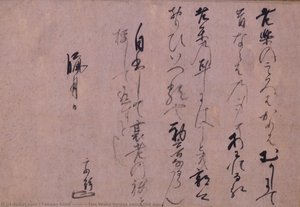
- Two Waka Verses about Old Age
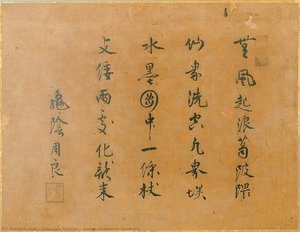
- Seven-character Quatrain
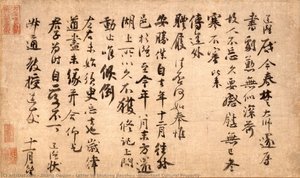
- Letter to Shutong Jiaoshou (Important Cultural Property)
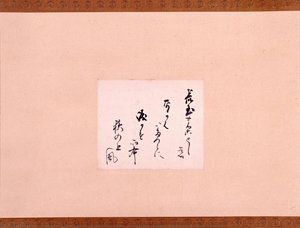
- Japanese poem on shikishi paper. By Emperor Gomizuno-o
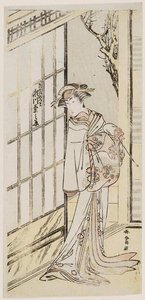
- Actor Segawa Kikunojô Como La Cortesa
- Seven-Character Cursive Script\n\nSeven-Character Cursive Script
- Letter of Certification of Awakening
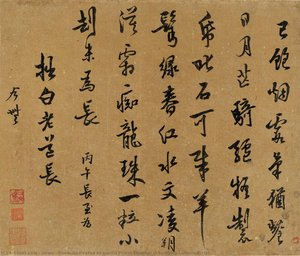
- Poem Dedicated to Daoist Priest Zhuobai in Running-cursive Script
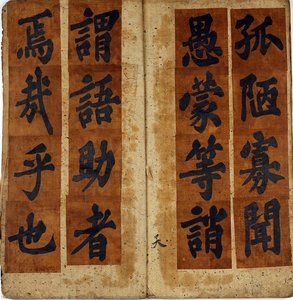
- Thousand Characters Classic with Big Character(2)
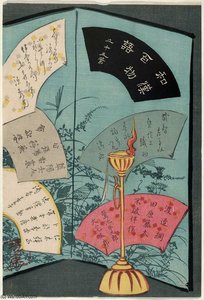
- Wakan Hyaku Monogatari
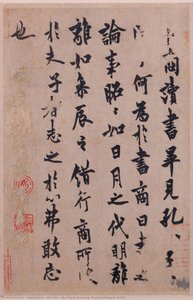
- Bu Shang Studying, Running Regular Script
- Album of waka
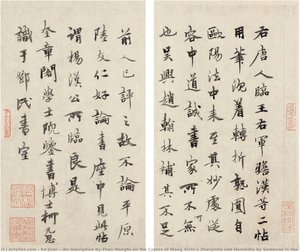
- “An Inscription by Zhao Mengfu on the Copies of Wang Xizhi’s Zhanjintie and Hanshitie by Someone in the Tang Dynasty” in Running Regular Script