

 Ver en contexto
 Enviar
 Compartir
 Detalles

 Descargar
 Similares
 Radiografía
 Presentación de diapositivas
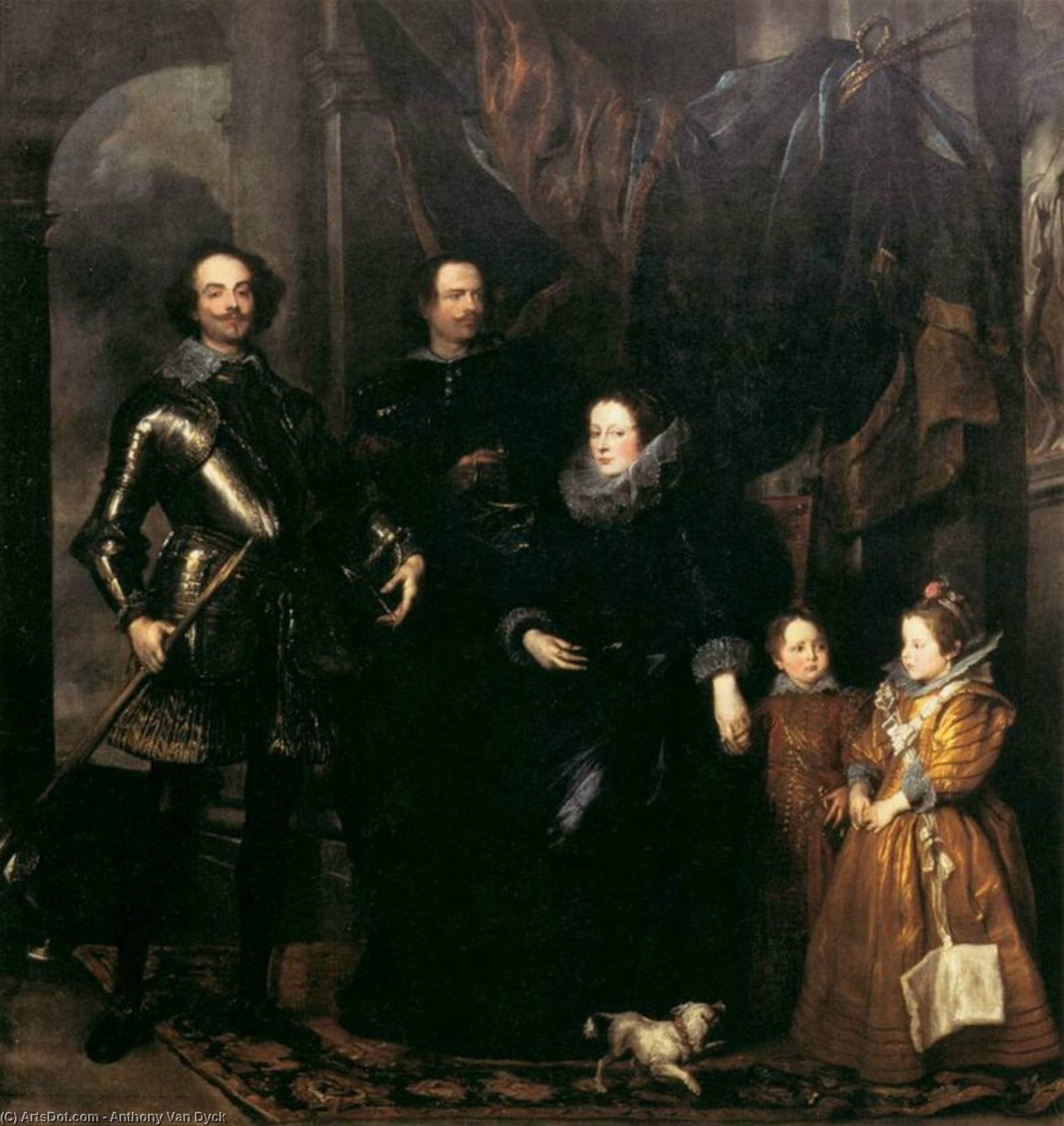
The Lomellini Family
 Baroque Style
 1626
1626- Renaissance
 269.0 x 254.0 cm
 Galería Nacional de Escocia
 Ver más
Adquiera una imagen digital de alta resolución y optimizada, muy superior a la vista previa en línea.
Cada archivo es preparado meticulosamente por nuestros especialistas internos mediante el uso de herramientas avanzadas y un experto retoque manual. Nos aseguramos de que cada imagen posea una claridad excepcional, una precisión cromática impecable y un detalle minucioso.
El archivo final se entrega por correo electrónico en un plazo de 72 horas, optimizado para su uso inmediato en entornos profesionales, editoriales y de impresión. Esta es la misma calidad en la que confían los estudios de diseño, las editoriales y las galerías de primer nivel.
Imagen Digital
Descarga un archivo de alta resolución para exhibición personal, impresión y proyectos creativos. ( Comprar impresión Comprar pintura hecha a mano)
Incluido en cada pedido de imágenes digitales
Entrega digital experta, garantizada.
Al elegir ArtsDot.com, no solo está adquiriendo una imagen; está recibiendo una obra de arte digital mejorada profesionalmente, elaborada con precisión y respaldada por una garantía de satisfacción. Esto es todo lo que incluye su pedido, automáticamente:

Entrega rápida por email
Recibirá su archivo de imagen digital en alta resolución por correo electrónico en un plazo de 72 horas tras realizar su pedido, listo para su uso inmediato.

Archivo digital optimizado por IA
Su obra de arte se optimiza profesionalmente mediante herramientas avanzadas de IA y edición manual, garantizando el máximo detalle, claridad y precisión cromática.

Reenvío gratuito de por vida
¿Has borrado o perdido tu archivo por error? No te preocupes: te lo volveremos a enviar en cualquier momento, sin coste adicional.

Sin gastos de importación, siempre
Disfrute de su obra de arte al instante sin aduanas, aranceles ni gastos de envío; las descargas digitales siempre están libres de impuestos.

Garantía de fidelidad de color
Garantizamos que su imagen digital refleje los colores originales con la mayor fidelidad posible, mediante el uso de herramientas profesionales y gestión del color.

Garantía de satisfacción de 60 días
Si no está satisfecho con su imagen digital, la revisaremos o le reembolsaremos el 100% en un plazo de 60 días, sin preguntas.

100% Garantía de devolución de dinero
¿No está satisfecho? Obtenga un reembolso completo dentro de los 60 días posteriores a la recepción de su archivo digital, sin necesidad de explicaciones.

Descuentos por pedidos grandes
Compra 3 imágenes, ahorra 10% - Compra 5, ahorra 15% - Compra 10+, ahorra 20%. Ideal para proyectos creativos, galerías y agencias.
Descripción del coleccionable
A Portrait of Genoese Nobility: Exploring Anthony van Dyck’s ‘The Lomellini Family’
Sir Anthony van Dyck's “The Lomellini Family,” completed in 1627, stands as a testament to the Baroque aesthetic—a style characterized by dramatic lighting, opulent textures, and an unwavering focus on portraying individuals with dignity and grandeur. Executed on canvas measuring 269 x 254 cm, this monumental portrait captures a scene of familial comfort within the Lomellini household in Genoa, Italy, offering viewers a glimpse into the social elite of its time. The painting’s meticulous detail speaks volumes about Van Dyck's mastery and his ability to convey not merely likeness but also character—a skill that cemented his reputation as one of Europe’s foremost portraitists.The Artist’s Legacy: Rubensian Influence and Flemish Roots
Anthony van Dyck’s artistic journey began in Antwerp, Belgium, where he honed his craft under the tutelage of Hendrick van Balen, absorbing the stylistic conventions prevalent during the period. However, it was his collaboration with Peter Paul Rubens that truly propelled him to international acclaim. Rubens' influence is palpable throughout Van Dyck’s oeuvre—particularly evident in “The Lomellini Family”—where dynamic compositions and masterful use of chiaroscuro (the interplay between light and shadow) mirror Rubens’ signature approach. This technique elevates the painting beyond a simple depiction of faces; it imbues the scene with an atmosphere of warmth, intimacy, and aristocratic refinement.Detailed Observation: Composition and Technique
The composition itself is carefully considered, placing the Lomellini family—a man, woman, and two children—within a richly furnished interior. A stately chair anchors the group, subtly directing the viewer’s gaze towards the central figures. To the right, a dog adds a touch of domesticity, while a bird perched near the top left corner introduces an element of natural beauty into the formal setting. Van Dyck skillfully employs oil paint on canvas—a technique favored during the Baroque era—allowing for exceptional luminosity and tonal range. The artist’s meticulous brushwork captures subtle nuances in skin texture and drapery folds, demonstrating his unwavering commitment to realism while simultaneously adhering to stylistic conventions.Symbolism Within Elegance: Reflecting Renaissance Ideals
Beyond its technical brilliance, “The Lomellini Family” resonates with symbolic significance rooted in the humanist ideals of the Renaissance. The family’s attire—elaborate fabrics and jewelry—represents wealth and status, reflecting the Lomellini family's position within Genoese society. Furthermore, the inclusion of a book symbolizes education and intellectual pursuits – values highly esteemed during this period. These elements contribute to the painting’s overarching message: an affirmation of familial bonds and a celebration of noble heritage.Emotional Resonance: Capturing Dignity and Grace
Ultimately, Van Dyck succeeds in conveying not just visual information but also emotional depth. The subjects gaze outwards with composure and confidence—expressions that communicate dignity and grace. This careful portrayal captures the essence of aristocratic life—a life characterized by refinement, responsibility, and a profound appreciation for beauty. “The Lomellini Family” remains an enduring masterpiece, inviting viewers to contemplate not only the visual splendor of its execution but also the humanist values it embodies. It serves as a poignant reminder of Van Dyck’s ability to transform mere likeness into evocative art—a legacy that continues to inspire admiration and fascination centuries later.Obras relacionadas
Biografía del artista
A Flemish Master at the Courts of Europe
Sir Anthony van Dyck, born in Antwerp in 1599, emerged as one of the most celebrated and influential portraitists of the Baroque era. His life, though tragically cut short at just forty-two years old, was a whirlwind of artistic exploration and prestigious commissions that took him from his native Flanders to Italy and ultimately to the heart of the English court. From an early age, van Dyck displayed remarkable talent, entering Hendrick van Balen’s workshop as a young apprentice and quickly absorbing the prevailing styles of the time. However, it was his association with Peter Paul Rubens – not merely as a student but as a collaborator – that truly shaped his artistic foundation. He learned from Rubens' dynamic compositions, rich color palettes, and masterful handling of light and shadow, yet van Dyck soon began to forge his own distinct path, one characterized by an elegance and refinement that would become his signature.Italian Sojourns and the Birth of a Style
The years van Dyck spent in Italy, beginning around 1621, proved pivotal in his artistic development. He resided primarily in Genoa, where he found favor among the city’s aristocratic families. It was here that he began to cultivate the sophisticated style for which he would become renowned – a style marked by graceful poses, luxurious fabrics, and an almost palpable sense of nobility. Unlike the robust energy often found in Rubens' work, van Dyck’s Italian portraits exude a refined composure, capturing not just physical likeness but also the inner character and social standing of his sitters. During this period, he embarked on his *Iconography*, a series of meticulously rendered portrait etchings featuring prominent figures of his time – artists, scholars, and rulers alike. This project showcased his exceptional technical skill and established him as a leading printmaker. These etchings weren’t simply records; they were carefully constructed images designed to immortalize the subjects and convey their status and intellect. He experimented with new techniques and constantly refined his style, pushing boundaries of artistic expression.The King's Painter: Van Dyck in England
In 1632, van Dyck received an invitation that would forever alter his career trajectory – a summons from Charles I of England to become the court painter. This appointment marked a turning point, not only for van Dyck but also for English portraiture. He arrived in London with a considerable reputation and quickly became indispensable to the king, tasked with creating images that projected an aura of power, majesty, and divine right. Van Dyck’s portraits of Charles I are particularly noteworthy; he moved away from the stiff, formal representations favored by earlier artists, instead portraying the king as a dynamic, charismatic leader. He employed innovative techniques – dramatic lighting, sweeping gestures, and carefully chosen backgrounds – to create images that were both visually stunning and politically charged. His influence extended beyond the royal family, shaping the visual culture of the English aristocracy for generations to come. He revolutionized portrait painting by prioritizing psychological insight alongside physical likeness.Legacy and Enduring Influence
Van Dyck's untimely death in 1641 robbed the art world of a prodigious talent, but his legacy endures to this day. His impact on English portraiture is immeasurable; he established a standard of elegance and sophistication that subsequent artists would strive to emulate. He was recognized as one of the most important Flemish painters of the Baroque era. His influence can still be seen today in fashion, photography, and contemporary portraiture—a testament to the timeless appeal of his art. He remains an icon of artistic excellence and continues to inspire admiration for his masterful compositions and refined aesthetic sensibilities.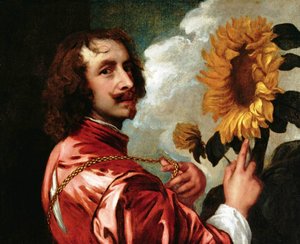
Sir Anthony van Dyck
1599 - 1641 , Bélgica
Breves datos
- Artistic Movement Or Style: Baroque
- Artists Who Influenced This Artist: ['Peter Paul Rubens']
- Date Of Birth: March 22, 1599
- Full Name: Sir Anthony van Dyck
- Nationality: Flemish
- Notable Artworks:
- Portrait of a Woman
- Charles I in Three Positions
- Place Of Birth: Antwerp, Belgium

