 Ver en contexto
 Enviar
 Compartir
 Detalles

 Descargar
 Similares
 Radiografía
 Presentación de diapositivas
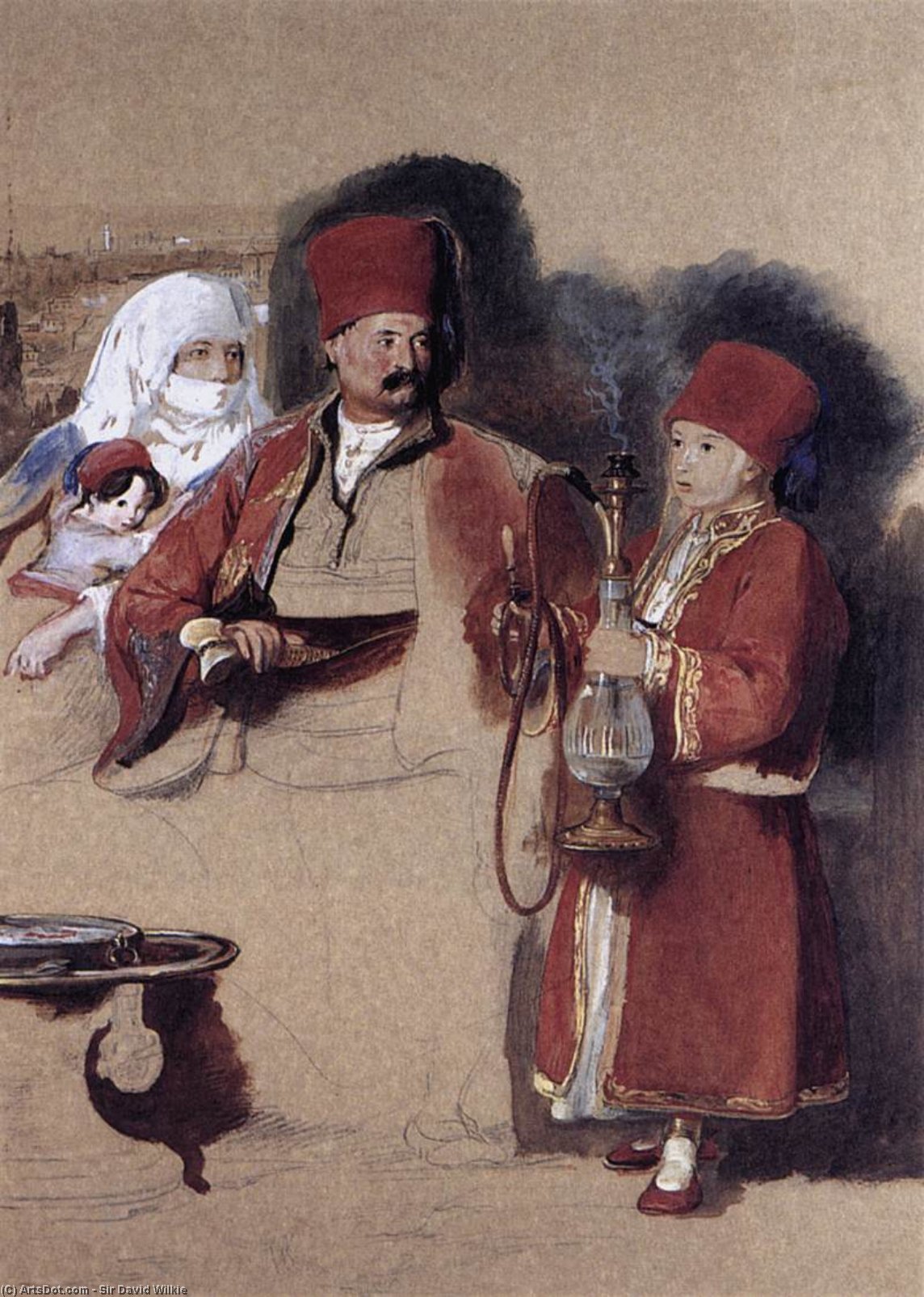
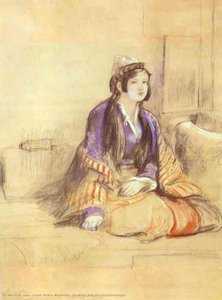
Sotiri, Dragoman of Mr Colquhoun
 Acrylic On Canvas
- WallArt
- Victorian Genre Painting
 1840
1840 475.0 x 328.0 cm
 Museo Ashmolean
 Ver más
Giclée / Impresión de arte
Impresiones giclée o en lienzo de calidad de museo con producción rápida y opciones de acabado flexibles. ( Comprar pintura hecha a mano Comprar imagen)




P118B $10

P118H $10

P118W $10

P438Z $10

P508JH $12

P508YH $12

P805H $10

P805Z $10

P919BZ $10

P919G $10

P919XJ $10

P959ZH $10

P968JZ $12

W106C $8

W218G $10

W218JH $8

W218Y $10

W307PJ $10

W316G $10

W316PJ $8

W316Y $10

W398PJ $8

W4111J $10

W500HY $15

W500JH $15

W692G $12

W849H $8

W940BG $15

W953PJ $8




Elija entre nuestros tamaños predefinidos que respetan las proporciones originales de la obra.

Puede introducir sus propias dimensiones para adaptarse a un marco o espacio específico. Si el tamaño seleccionado no coincide con las proporciones de la imagen original, recortaremos la obra de arte o extenderemos la imagen con un borde con efecto espejo o de color sólido. Se enviará una maqueta digital para su aprobación antes de que comience la producción.
Tenga en cuenta que la vista previa en pantalla no refleja el recorte o la extensión real. Solo la maqueta mostrará con precisión la composición final.
Aunque existen tamaños personalizados, recomendamos seleccionar una dimensión de la lista predefinida para preservar las proporciones originales.
Envío a todo el mundo () en 2 semanas en lugar de las 4/5 semanas estándar. (4 septiembre)

Envío exprés gratuito a todo el mundo

Lienzo de lino de alta calidad

Seguro de envío total

Garantía de reembolso de impuestos aduaneros

Garantía de fidelidad cromática exacta

Política de devolución de 60 días (solo por defectos)

Garantía de devolución del 100% del dinero

Descuento por cantidad
 La opción de vidrio solo está disponible en tamaños inferiores a 110 cm.

Sotiri, Dragoman of Mr Colquhoun
Giclée / Impresión de arte
Dimensiones de la reproducción
-


Precio total final
$ 62
The Portrait of a Moment – Sir David Wilkie’s “Sotiri, Dragoman of Mr Colquhoun”
Sir David Wilkie's "Sotiri, Dragoman of Mr Colquhoun," painted in 1840, isn’t merely a portrait; it’s a meticulously crafted snapshot of Victorian society, brimming with subtle social commentary and an undeniable warmth. The painting captures a scene within the bustling environs of a London coffee house, specifically the establishment frequented by Sir John Colquhoun, a prominent figure in Scottish society. At the heart of this tableau stands Sotiri, a Dragoman – essentially a servant or attendant – depicted holding a pipe with a thoughtful expression, radiating an air of quiet dignity amidst the surrounding activity.
Wilkie’s genius lies not just in his technical skill—the delicate rendering of fabrics, the subtle play of light and shadow, and the remarkably lifelike portrayal of each individual—but also in his ability to imbue a seemingly simple scene with profound meaning. The composition is carefully balanced; Sotiri occupies a central position, drawing our attention while simultaneously allowing us to observe the interactions and dynamics unfolding around him. The inclusion of children adds an element of innocence and vulnerability, subtly highlighting the social hierarchy at play.
A Masterclass in Watercolor Technique
Painted entirely in watercolor, “Sotiri” exemplifies Wilkie’s mastery of this challenging medium. He employed a technique known as ‘wet-on-wet,’ layering washes of color to create soft edges and luminous effects. This approach lends the painting an ethereal quality, capturing the hazy atmosphere of the coffee house with remarkable precision. Notice how he builds up layers of pigment to achieve depth and texture – from the sheen on Sotiri’s clothing to the rough surface of the wooden table. The loose brushstrokes contribute to a sense of immediacy and spontaneity, as if we've stumbled upon this intimate scene unexpectedly.
Wilkie’s use of color is particularly noteworthy. He employs a restrained palette—primarily browns, blues, and greens—to create a harmonious and understated effect. The subtle variations in tone and hue contribute to the overall sense of realism and depth. The careful placement of highlights draws our eye to key details, such as Sotiri’s face and the pipe he holds, while the darker shadows define the forms and create a sense of volume.
Historical Context & Social Observation
To fully appreciate “Sotiri,” it's crucial to understand the social context in which it was created. The mid-19th century was a period of rapid industrialization and social change in Britain, marked by growing inequality and shifting class structures. Wilkie’s work reflects these changes, offering a nuanced portrayal of Victorian society—a society grappling with issues of poverty, labor, and social mobility.
The Dragoman figure itself is significant. Historically, Dragomans were Ottoman officials who served as intermediaries between European powers and the Ottoman Empire. In this painting, however, Wilkie uses the role to subtly comment on the complexities of social relationships and the dynamics of power. Sotiri’s position—a servant within a wealthy household—reflects the realities of Victorian society, where opportunities for advancement were limited for those born into lower classes.
Symbolism & Emotional Resonance
Beyond its historical context, “Sotiri” is rich in symbolism. The pipe itself can be interpreted as a symbol of contemplation and quiet dignity—a moment of respite amidst the hustle and bustle of daily life. Sotiri’s gaze, directed slightly off-camera, suggests a sense of introspection and perhaps even melancholy. The painting evokes a feeling of gentle nostalgia, inviting us to reflect on the lives of ordinary people and the complexities of human relationships.
Wilkie's ability to capture such subtle emotions through his masterful technique is what elevates “Sotiri” beyond a simple portrait—it’s a poignant reminder of the humanity that lies beneath the surface of Victorian society. Reproductions of this remarkable work offer a captivating glimpse into a bygone era, inviting viewers to contemplate the enduring themes of social observation and human connection.
Obras relacionadas
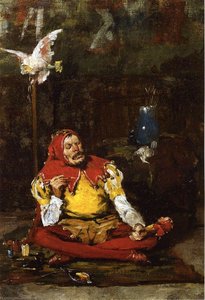
Biografía del artista
Sir David Wilkie (1785–1841): El Pintor Popular y Visionario Romántico
David Wilkie, nacido el 18 de noviembre de 1785, en Escocia, ocupa un lugar destacado en el arte británico del siglo XIX—un pintor celebrado no solo por su dominio técnico sino también por capturar el espíritu de la vida cotidiana con notable empatía. Falleció el 1 de junio de 1841, dejando atrás una obra impresionante que sigue inspirando admiración y estudio académico. Wilkie comenzó su viaje artístico en medio del creciente movimiento romántico, moldeando así su estilo distintivo y preocupaciones temáticas.Primeros años y formación artística
La infancia de Wilkie transcurrió en Edimburgo, donde recibió una educación artística rigurosa bajo John Ramsay, perfeccionando sus habilidades en dibujo y pintura paisajes y retratos. Esta formación fundamental inculcó en él una atención meticulosa al detalle y una profunda comprensión de la graduación tonal—características que serían señuelo de su obra madura. Su talento rápidamente obtuvo reconocimiento, impulsándolo hacia el escenario artístico londinense donde establecióse como artista respetado y profesor.Pintura de género: Capturando la esencia de la vida
Wilkie se distinguió principalmente por la pintura de género—escenas que representan la vida cotidiana con un grado de realismo y profundidad psicológica excepcional. A diferencia de muchos artistas de su tiempo que favorecieron narrativas históricas grandiosas, Wilkie se enfocó en capturar los matices de la experiencia humana—las expresiones de emoción, las interacciones entre individuos y los detalles sutiles que transmitían atmósfera y carácter. Su obra maestra, “Los Pensionistas Chelsea Leyendo el Despatch de Waterloo”, ejemplifica este enfoque perfectamente; no es simplemente una representación de un evento histórico sino una imagen inmersiva de los hombres mismos, comunicando sus ansiedades, esperanzas y camaradería con precisión impresionante. Esta pintura ahora se encuentra en apsley house.Comisiones históricas y estilo artístico
La fama de Wilkie aumentó cuando fue nombrado Pintor Principal en Orden Público al Rey Guillermo IV y Reina Victoria—una posición prestigiosa que aseguró obras encargadas para pinturas monumentales históricas y retratos de la realeza. Él abrazó el desafío con dedicación característica, produciendo lienzos impregnados de grandeza e infundidos con idealismo romántico. Su estilo evolucionó a lo largo del tiempo, incorporando influencias de Caravaggio y Rembrandt, pero manteniendo una sensibilidad escocesa distintiva caracterizada por paletas cromáticas luminosas y maestría en el manejo del pincel. Su hija, Sophia Wilkie, posteriormente señora James Winfield, fue una importante defensora de sus esfuerzos artísticos.Obras destacadas y legado
El legado artístico de Wilkie trasciende obras individuales; influyó profundamente en el desarrollo del arte británico. Su observación meticulosa de la naturaleza—evidente en paisajes como “La Pastora Regresando del Agua”—estableciólo como pionero en la pintura toposférica. Además, sus retratos, incluidos aquellos de Reina Victoria y Príncipe Alberto, se consideran entre los mejores de su época, capturando no solo semejanza física sino también profundidad psicológica. Admire ‘A Bookcase’ por Sir David Wilkie – una impresionante pintura neoclasicista de impecable detalle y maestría técnica. Aprecie su importancia histórica y belleza atemporal. Malcolm Simmons (1946-2014) fue un legendario piloto británico que pasó inesperadamente a la pintura—un testimonio de adrenalina y creatividad—junto con obras por Velázquez y Wilkie en ArtsDot. Descubra un legado más allá del circuito!. Charles Shreiff, miniaturista escocés reconocido por sus exquisitos retratos diminutos y paisajes, también fue una figura importante de su tiempo. La Colección Fleming: la colección artística británica líder! Descubra más de 600 obras, desde Raeburn hasta los Coloristas y los Niños Glasgow, a través de visitas guiadas y préstamos. Un museo sin paredes.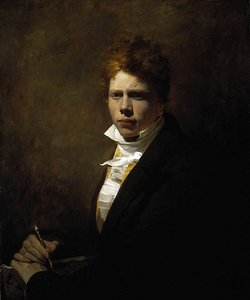
Sir David Wilkie
1785 - 1841 , Escocia
Datos clave
- Artistic Movement Or Style: Pintura de género
- Artists Or Movements Influenced By This Artist: ['Arte británico']
- Artists Who Influenced This Artist: ['Romanticismo']
- Date Of Birth: November 18, 1785
- Date Of Death: June 1, 1841
- Full Name: David Wilkie
- Nationality: Escocés
- Notable Artworks:
- Chelsea Pensioners Reading Waterloo Dispatch
- Una Estantería
- Place Of Birth: Scotland
Artículos relacionados
Sir David Wilkie: Narrative Detail & the Rise of Victorian Genre Painting
Explore the life & work of Sir David Wilkie, a pivotal figure in Victorian genre painting. Discover his narrative detail, social commentary, and lasting influence on 19th-century British art. Learn more at ArtsDot.

The Gaze of a Changing World: Victorian Realism & Modern Life
Explore the captivating world of Victorian Realism! Discover genre painting's rise, social commentary in art, & masters like Fedotov and Wilkie. Expert analysis & high-quality reproductions at ArtsDot.
George Goodwin Kilburne: Capturing Victorian Sentimentality Through Genre Painting
Explore the evocative Victorian paintings of George Goodwin Kilburne. Discover his detailed scenes of domestic life, masterful use of light, and lasting impact on British genre painting. Learn more at ArtsDot.
John Gilbert: A Comprehensive Exploration of Technique, Context, and Enduring Legacy in Victorian Genre Painting
Explore the life & art of John Gilbert, a prolific Victorian painter renowned for his captivating genre scenes and Venetian-inspired style. Discover his legacy with ArtsDot.
Robert Lillie: A Study in Victorian Genre Painting and Domestic Narrative
Explore the captivating Victorian genre paintings of Robert Lillie (1867-1949). Discover his serene Scottish landscapes and intimate domestic scenes, reflecting a unique artistic vision. Learn about his life, style & legacy.