

 Ver en contexto
 Enviar
 Compartir
 Detalles

 Descargar
 Similares
 Radiografía
 Presentación de diapositivas
 Estadísticas
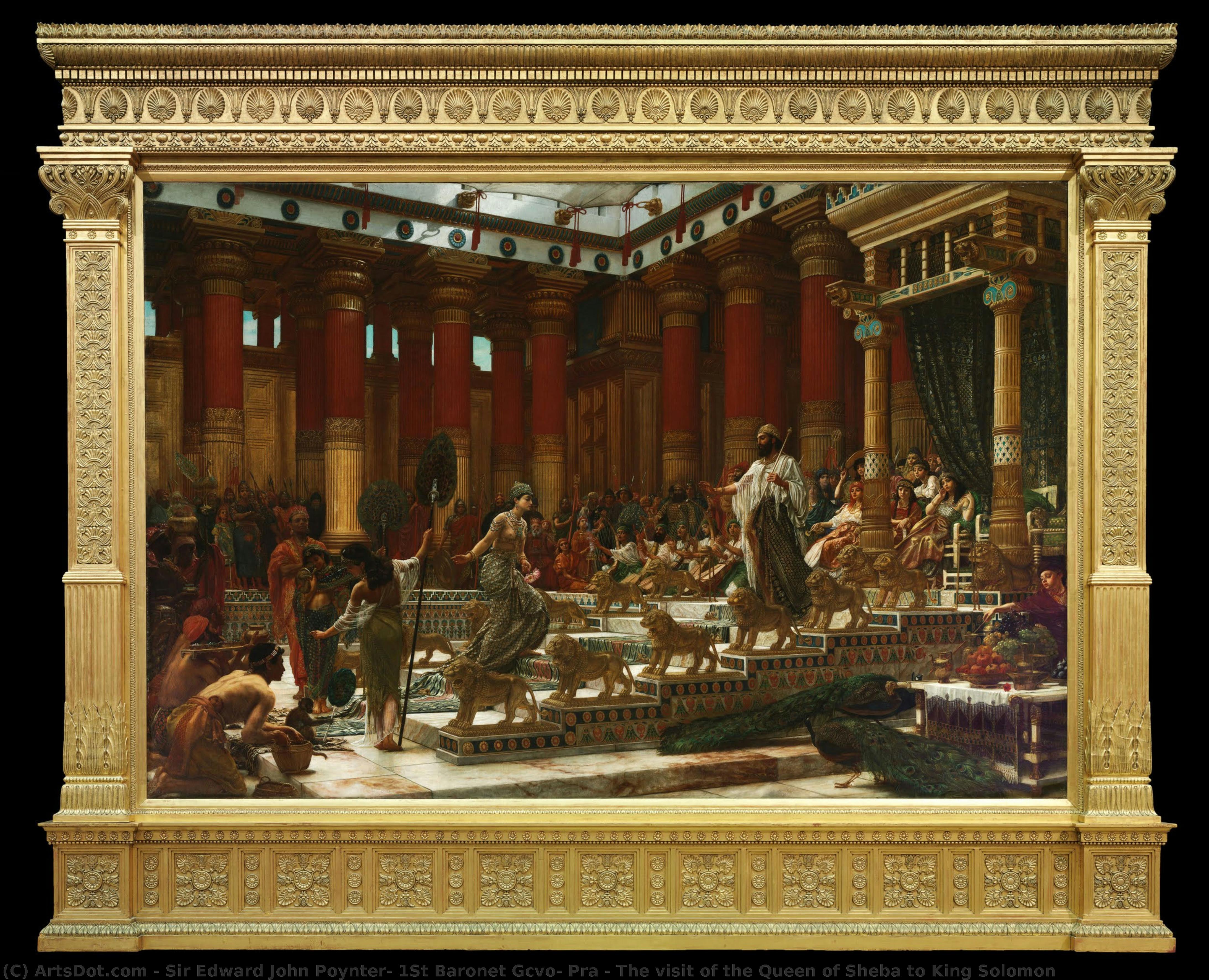
The visit of the Queen of Sheba to King Solomon
 Oil On Canvas
- WallArt
- Academic/Historical Painting
 1890
1890 421.0 x 341.0 cm
 Galería de Arte de Nueva Gales del Sur
 Ver más
Adquiera una imagen digital de alta resolución y optimizada, muy superior a la vista previa en línea.
Cada archivo es preparado meticulosamente por nuestros especialistas internos mediante el uso de herramientas avanzadas y un experto retoque manual. Nos aseguramos de que cada imagen posea una claridad excepcional, una precisión cromática impecable y un detalle minucioso.
El archivo final se entrega por correo electrónico en un plazo de 72 horas, optimizado para su uso inmediato en entornos profesionales, editoriales y de impresión. Esta es la misma calidad en la que confían los estudios de diseño, las editoriales y las galerías de primer nivel.
Imagen Digital
Descarga un archivo de alta resolución para exhibición personal, impresión y proyectos creativos. ( Cambiar a Impresión Comprar pintura hecha a mano)
Incluido en cada pedido de imágenes digitales
Entrega digital experta, garantizada.
Al elegir ArtsDot.com, no solo está adquiriendo una imagen; está recibiendo una obra de arte digital mejorada profesionalmente, elaborada con precisión y respaldada por una garantía de satisfacción. Esto es todo lo que incluye su pedido, automáticamente:

Entrega rápida por email
Recibirá su archivo de imagen digital en alta resolución por correo electrónico en un plazo de 72 horas tras realizar su pedido, listo para su uso inmediato.

Archivo digital optimizado por IA
Su obra de arte se optimiza profesionalmente mediante herramientas avanzadas de IA y edición manual, garantizando el máximo detalle, claridad y precisión cromática.

Reenvío gratuito de por vida
¿Has borrado o perdido tu archivo por error? No te preocupes: te lo volveremos a enviar en cualquier momento, sin coste adicional.

Sin gastos de importación, siempre
Disfrute de su obra de arte al instante sin aduanas, aranceles ni gastos de envío; las descargas digitales siempre están libres de impuestos.

Garantía de fidelidad de color
Garantizamos que su imagen digital refleje los colores originales con la mayor fidelidad posible, mediante el uso de herramientas profesionales y gestión del color.

Garantía de satisfacción de 100 días
Si no está satisfecho con su imagen digital, la revisaremos o le reembolsaremos el 100% en un plazo de 100 días, sin preguntas.

100% Garantía de devolución de dinero
¿No está satisfecho? Obtenga un reembolso completo dentro de los 100 días posteriores a la recepción de su archivo digital, sin preguntas.

Descuentos por pedidos grandes
Compra 3 imágenes, ahorra 10% - Compra 5, ahorra 15% - Compra 10+, ahorra 20%. Ideal para proyectos creativos, galerías y agencias.
A Grand Encounter: Sir Edward Poynter’s “The Visit of the Queen of Sheba to King Solomon”
Step into a world of opulent grandeur and ancient mystery with "The Visit of the Queen of Sheba to King Solomon," a monumental oil painting by Sir Edward John Poynter, completed in 1890. More than just a depiction of a biblical narrative, this artwork offers a captivating glimpse into the Victorian fascination with archaeology, Orientalism, and the pursuit of idealized beauty. Poynter’s masterpiece resides within the Art Gallery of New South Wales, Sydney, a testament to its enduring appeal and artistic merit.
Poynter, a prominent figure in late 19th-century British art, was deeply influenced by the burgeoning field of archaeology. The discovery of Egyptian antiquities at the time sparked an intense curiosity about the ancient world, fueling a desire to recreate and interpret these lost civilizations through artistic representation. “The Visit of the Queen of Sheba” embodies this trend perfectly, meticulously researched and rendered with a remarkable attention to detail. It’s not merely a painting; it's a carefully constructed historical tableau, reflecting the Victorian era’s romanticized vision of antiquity.
A Symphony of Color and Composition
The painting immediately commands attention with its sheer scale – measuring an impressive 234.5 x 350.5 cm. Poynter masterfully employs a rich palette, dominated by deep reds, golds, and blues, evoking the luxurious atmosphere of Solomon’s court. The composition is deliberately grand and symmetrical, drawing the eye towards the central figures of Queen Sheba and King Solomon. The architectural setting—a vast hall adorned with intricate columns and elaborate ornamentation—is itself a marvel of detail, clearly informed by archaeological discoveries of ancient temples and palaces.
Poynter’s technique is characterized by his meticulous realism and his ability to capture the textures and materials of the scene. He skillfully utilizes light and shadow to create depth and drama, highlighting the regal splendor of the figures and the opulence of the surroundings. The brushstrokes are smooth and controlled, contributing to the painting's polished and refined appearance – a hallmark of academic art training.
Symbolism and Narrative Depth
Beyond its visual appeal, “The Visit of Sheba” is laden with symbolic meaning. The encounter between the Queen and King represents not just a diplomatic meeting but also a potent allegory for wisdom and power. Solomon’s throne room becomes a stage for showcasing his intellectual prowess and divine authority, while Sheba's presence symbolizes foreign influence and the potential for cultural exchange. The elaborate jewelry, rich fabrics, and symbolic objects—such as the golden goblets and precious stones—further reinforce this narrative.
Interestingly, Poynter’s meticulous attention to detail sometimes results in figures that appear somewhat stylized or ‘doll-like,’ a characteristic often associated with academic painting. However, this stylistic choice serves to emphasize the idealized nature of the scene, reflecting the Victorian era's desire for perfection and order.
A Window into Victorian Aesthetics
“The Visit of the Queen of Sheba to King Solomon” offers a valuable insight into the aesthetic sensibilities of the late 19th century. It exemplifies the Victorian fascination with classical antiquity, archaeological discoveries, and the pursuit of idealized beauty. Poynter’s work reflects a broader cultural trend—a yearning for stability and order in an era marked by rapid industrialization and social change. The painting's grandeur and formality speak to a desire to return to a perceived golden age, while its meticulous detail demonstrates a commitment to accuracy and realism.
Today, reproductions of this magnificent artwork continue to captivate audiences worldwide, offering a glimpse into the artistic vision and historical context of a bygone era. It remains a powerful testament to Sir Edward Poynter’s skill as an artist and his enduring legacy in the world of art history.
Obras relacionadas




Biografía del artista
Sir Edward John Poynter (1836–1919) – Un Maestro de la Historia Victoriana
Edward John Poynter, nacido en París en 1836, fue una figura destacada del arte académico inglés, cuyo legado continúa inspirando artistas y estudiosos hasta nuestros días. Hijo de arquitecto Ambrose Poynter, recibió una educación privilegiada en Brighton College e Ipswich School, donde desarrolló una temprana pasión por el dibujo y la pintura. Esta formación temprana marcó el inicio de un viaje artístico que lo llevaría a convertirse en uno de los más importantes representantes del siglo XIX.Una Carrera Impulsada por la Belleza Clásica y el Mito
Poynter comenzó su carrera artística estudiando en Leigh’s Academy en Newman Street y posteriormente en las Escuela Real de Pintura Académica, donde tuvo como maestros a Charles Gleyre y James Mathews Leigh. Fue en París donde encontró inspiración en figuras clave como Frederic Leighton y George du Maurier, artistas que compartirían con él una visión estética centrada en la belleza clásica y los temas mitológicos. Esta influencia se reflejaría directamente en sus obras maestras.El Éxito Histórico: Pinturas Monumentales para la Academia Real
La verdadera grandeza de Poynter llegó cuando fue elegido Presidente de la Academia Real entre 1896 y 1918, una posición que ejerció con responsabilidad y visión artística. Durante este periodo crucial, Poynter impulsó reformas significativas en la institución, fomentando el estudio de nuevas tendencias artísticas y consolidando la importancia del arte académico como vehículo de conocimiento y belleza. Su liderazgo dejó una huella imborrable en el panorama artístico británico.Obras Emblemáticas: Narrativas Visuales Inspiradas en la Historia y la Mitología
Poynter alcanzó la fama internacional gracias a sus pinturas históricas, especialmente *Israel en Egipto* (1867), obra que muestra su dominio de la composición y el uso del color para transmitir emociones profundas. También destacó por *St George and the Dragon* (1868), una representación poderosa del héroe cristiano luchando contra el dragón, símbolo del mal y la oscuridad. Estas obras son consideradas ejemplos paradigmáticos del estilo académico victoriano y siguen siendo estudiadas y admiradas en museos de todo el mundo. Entre ellos destacan el Museo Británico y la Galería Nacional de Londres.Un Legado Duradero: Influencia y Reconocimiento
Sir Edward John Poynter fue nombrado caballero comandante de la Orden Victoriana Real en 1894 y luego baronet en 1896, títulos que reflejan el reconocimiento público de su talento artístico y su contribución al desarrollo del arte británico. Su obra permanece vigente como fuente de inspiración para artistas contemporáneos y como testimonio de una época dorada en la historia del arte europeo. Hoy en día, sus pinturas pueden apreciarse en instituciones culturales prestigiosas como el Museo Británico y la Galería Nacional de Londres, donde siguen fascinando a visitantes de todas las edades.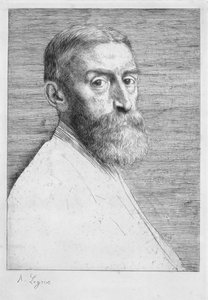
Sir Edward John Poynter
1836 - 1919 , Francia
Breves datos
- Artistic Movement Or Style: Victorian Painting
- Artists Or Movements Influenced By This Artist: ['Pre-Raphaelites']
- Artists Who Influenced This Artist: ['Frederic Leighton']
- Date Of Birth: March 20, 1836
- Date Of Death: July 26, 1919
- Full Name: Sir Edward John Poynter, 1st Baronet
- Nationality: English
- Notable Artworks:
- Israel in Egypt
- St George and the Dragon
- Place Of Birth: Paris, France