 Ver en contexto
 Enviar
 Compartir
 Detalles

 Descargar
 Similares
 Radiografía
 Presentación de diapositivas
John Gibson (1790–1866), RA
 Oil On Canvas
- WallArt
- Academic Realism
 1850
1850- 19th Century
 93.0 x 72.0 cm
 Ver más
Reproducción al óleo hecha a mano
Óleo sobre lienzo pintado a mano en el tamaño y marco de su elección, realizado por encargo por nuestros artistas. ( Comprar impresión Comprar imagen)




































Elija entre nuestros tamaños predefinidos que respetan las proporciones originales de la obra.

Puede ingresar sus propias dimensiones para adaptarse a un marco o espacio específico. Si el tamaño seleccionado no coincide con las proporciones de la imagen original, recortaremos la obra o extenderemos la pintura con elementos adicionales pintados a mano. Se le enviará una maqueta digital para su aprobación antes de comenzar la producción.
Tenga en cuenta que la vista previa en pantalla no refleja el recorte o la extensión reales. Solo la maqueta mostrará con precisión la composición final.
Si bien existen tamaños personalizados, recomendamos seleccionar una dimensión de la lista predefinida para preservar las proporciones originales.
Tras realizar el pedido, el equipo de ArtsDot.com enviará un correo electrónico al cliente para solicitar instrucciones y proporcionarle una vista previa del boceto.
Envío a todo el mundo () en 3-4 semanas en lugar de las 5 semanas estándar. (24 agosto). Sin comprometer la calidad.

Envío exprés gratuito a todo el mundo

Lienzo de lino de alta calidad

Seguro de envío total

Garantía de reembolso de impuestos aduaneros

Garantía de fidelidad cromática exacta

Política de devolución de 60 días (solo por defectos)

Garantía de devolución del 100% del dinero

Descuento por cantidad
 La opción de vidrio solo está disponible en tamaños inferiores a 110 cm.

John Gibson (1790–1866), RA
Técnica de reproducción
Dimensiones de la reproducción
-


Precio total final
$ 263
Descripción de la obra
A Study in Dignity: The Soul of a Portrait
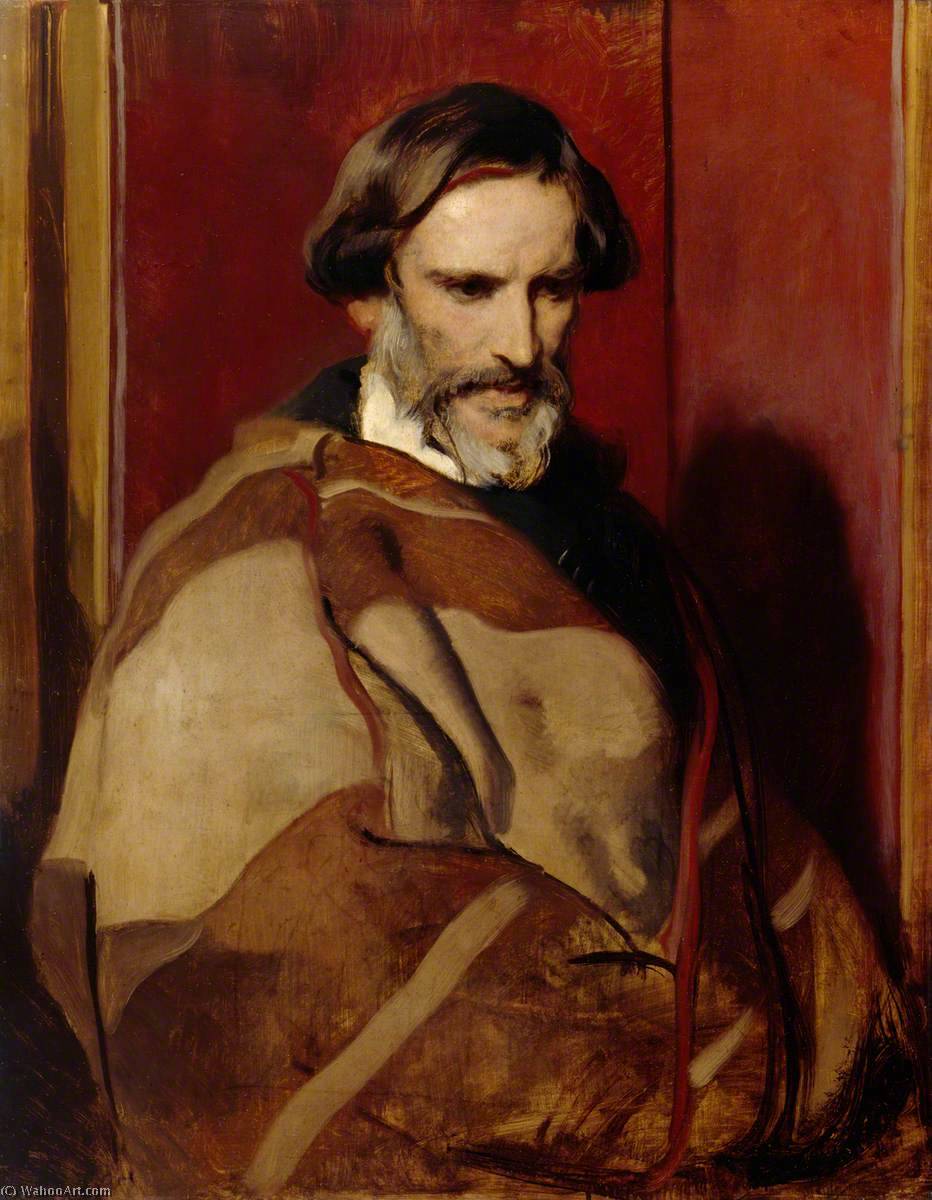
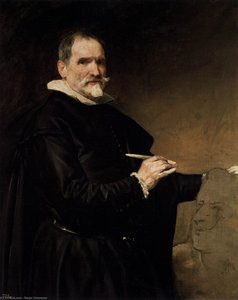
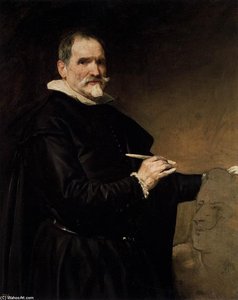
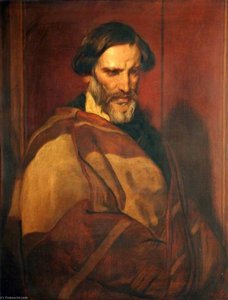
In this evocative portrait of John Gibson, Sir Edwin Henry Landseer transcends the boundaries of traditional portraiture to capture not just a likeness, but a profound sense of character and temporal weight. The painting presents an elderly man seated in a moment of quiet contemplation, his presence commanding the space through a masterful use of light and shadow. Set against a deep, resonant red background, the subject emerges from the darkness with a striking clarity that draws the viewer into his personal orbit. Every wrinkle, every strand of his weathered hair, and the heavy folds of his garments are rendered with an academic precision that speaks to the sitter's importance and the artist's immense skill.
The composition is intimate yet grand, focusing the observer's gaze on the interplay between the man’s features and the textures surrounding him. There is a palpable sense of history within the frame; the way the light catches the contours of his face suggests a life lived through seasons of intellect and experience. For the collector or interior designer, this piece offers a focal point of immense gravity, capable of anchoring a room with its somber elegance and timelessness.
Technique and the Mastery of Light
Landseer’s technical prowess is on full display through his use of the impasto technique, where thick, deliberate applications of oil paint create a tactile surface that breathes life into the canvas. This layering of pigment does more than just define shape; it creates a physical topography that catches actual light within a room, adding a dynamic quality to the work. The artist employs a rich, warm palette dominated by earthy browns, deep crimsons, and soft creams, creating a harmonious atmosphere that feels both luxurious and grounded.
The lighting is decidedly directional, reminiscent of the great masters of the Baroque period, casting intentional shadows that lend a sculptural depth to the subject. This chiaroscuro effect serves to highlight the organic shapes of the man's face and the heavy, draped fabric of his clothing, suggesting a scholarly or perhaps even religious significance to his station in life. The visible brushstrokes do not detract from the realism but rather add an energetic, human element to the work, reminding us of the hand of the artist behind the meticulous detail.
A Legacy of Victorian Realism
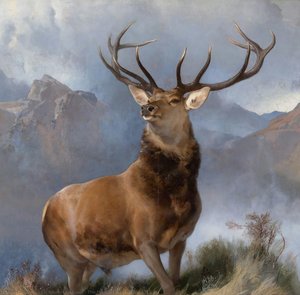
Created in 1850, this portrait stands as a testament to the height of 19th-century academic realism. While Landseer is often celebrated for his emotive and legendary animal portraits, such as The Monarch of the Glen, his ability to imbue human subjects with similar psychological depth is equally remarkable. In this work, he applies the same anatomical rigor and emotional sensitivity that defined his wildlife studies to the human form, treating the sitter's features with the same reverence one might accord a majestic creature of the wild.
The painting evokes an era of profound transition, capturing a sense of stability and dignity amidst the changing tides of the Victorian age. For those seeking to adorn a space with art that inspires reflection, this reproduction offers more than mere decoration; it provides a window into a bygone era of intellectual rigor and artistic devotion. It is a piece designed for those who appreciate the nuances of texture, the drama of light, and the enduring power of a well-told visual story.
Obras relacionadas
Biografía del artista
Primeros años y formación
Sir Edwin Henry Landseer, un destacado pintor y escultor inglés, nació el 7 de marzo de 1802 en Londres, Reino Unido. Como hijo del grabador John Landseer A.R.A., estuvo expuesto al mundo del arte desde una edad temprana. El talento prodigioso de Landseer fue reconocido, lo que le llevó a estudiar con varios artistas, incluyendo a su padre y al pintor de historia Benjamin Robert Haydon.Carrera artística
La carrera artística de Landseer se caracterizó por su excepcional habilidad para capturar animales, particularmente caballos, perros y ciervos. Sin embargo, sus obras más famosas son las esculturas de leones en la Plaza del Trafalagar, Londres. Sir Edwin Henry Landseer fue miembro de la Royal Academy, exhibiendo obras a los 13 años y luego convirtiéndose en asociado a los 24 y académico a los 31.Obras notables y colaboraciones
Algunas de las obras notables de Landseer incluyen:- Monarca del Glen (1851), un majestuoso estudio de ciervo, que muestra su habilidad para capturar la belleza de la naturaleza.
- En camino al rescate (1827), una pintura con un perro Terranova, destacando su capacidad para retratar animales nobles.
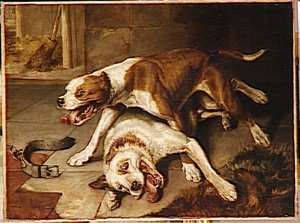
- Imponiendo la ley (1840), una pieza satírica con un grupo de perros, demostrando su sentido del humor y creatividad.
Museos que exhiben las obras de Landseer
Las obras de Landseer se pueden encontrar en varios museos, incluyendo:- Tate Britain, Londres, Reino Unido
- Victoria and Albert Museum, Londres, Reino Unido
- Kenwood House, Londres, Reino Unido
- The Wallace Collection, Londres, Reino Unido
Legado
El legado de Sir Edwin Henry Landseer se extiende más allá de su arte, con la variedad "Landseer" de perro Terranova siendo nombrada en su honor. Sus colaboraciones con el pintor Frederick Richard Lee y sus retratos de la reina Victoria y su familia solidifican aún más su impacto en el arte británico.Recursos en línea
Para obtener más información sobre la vida y las obras de Sir Edwin Henry Landseer, visite:- ArtsDot.com: sir edwin henry landseer
- wikipedia: sir edwin landseer
Conclusión
El talento notable y las contribuciones de Sir Edwin Henry Landseer al arte británico han dejado un impacto duradero. Sus obras, con temas de animales y satíricos, continúan inspirando a artistas y entusiastas del arte por igual.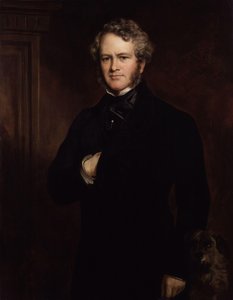
Sir Edwin Henry Landseer
1802 - 1873 , Reino Unido
Datos clave
- Estilo Artístico: Realismo victoriano
- Fecha De Nacimiento: 7 de marzo de 1802
- Lugar De Nacimiento: Londres, Reino Unido
- Nacionalidad: Británico
- Nombre Completo: Sir Edwin Henry Landseer
- Obras Notables:
- Monarch of the Glen
- Off to the Rescue
- Laying Down the Law
Artículos relacionados
Sir Joshua Reynolds: Las 25 Obras Maestras del Retrato Inglés | ArtsDot
Descubre las 25 obras maestras de Sir Joshua Reynolds, el pintor inglés que elevó el retrato a la categoría de arte. Explora su técnica clásica, estilo rococó y significado histórico en ArtsDot.com. ¡Encuentra reproducciones de alta calidad para tu hogar!
Sir Edwin Landseer: Sentiment, Society & the Victorian Animalier Tradition
Explore the life & art of Sir Edwin Landseer, Victorian Britain's foremost animal painter. Discover his iconic works, societal impact, and collecting guide at ArtsDot.

John Singer Sargent: Las 25 Obras Maestras del Retrato y la Belle Époque | ArtsDot
Descubre las 25 obras maestras de John Singer Sargent, el maestro del retrato y la Belle Époque. Explora su técnica impresionista, historias fascinantes y encuentra reproducciones de arte exclusivas para decorar tu hogar con elegancia en ArtsDot.com.

John Constable: Las 25 Obras Maestras del Paisaje Inglés | ArtsDot
Descubre las 25 obras maestras de John Constable, el pintor romántico inglés que capturó la belleza del paisaje. Explora su técnica, historia y significado en ArtsDot.com. Reproducciones de arte de alta calidad para tu hogar.

Alfred Munnings: Las 25 Obras Maestras del Pintor de Caballos | ArtsDot
Descubre las 25 obras maestras de Alfred Munnings, el pintor británico de caballos por excelencia. Explora su impresionismo inglés, escenas campestres y técnica única. Encuentra reproducciones de arte de alta calidad en ArtsDot.com.