 Ver en contexto
 Enviar
 Compartir
 Detalles

 Descargar
 Similares
 Radiografía
 Presentación de diapositivas
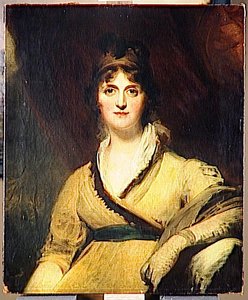
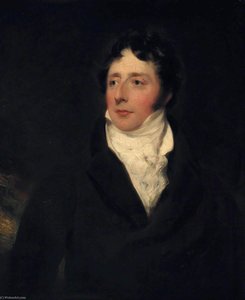
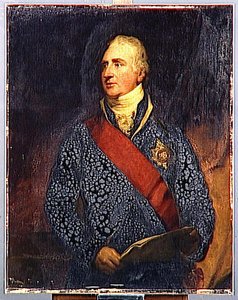
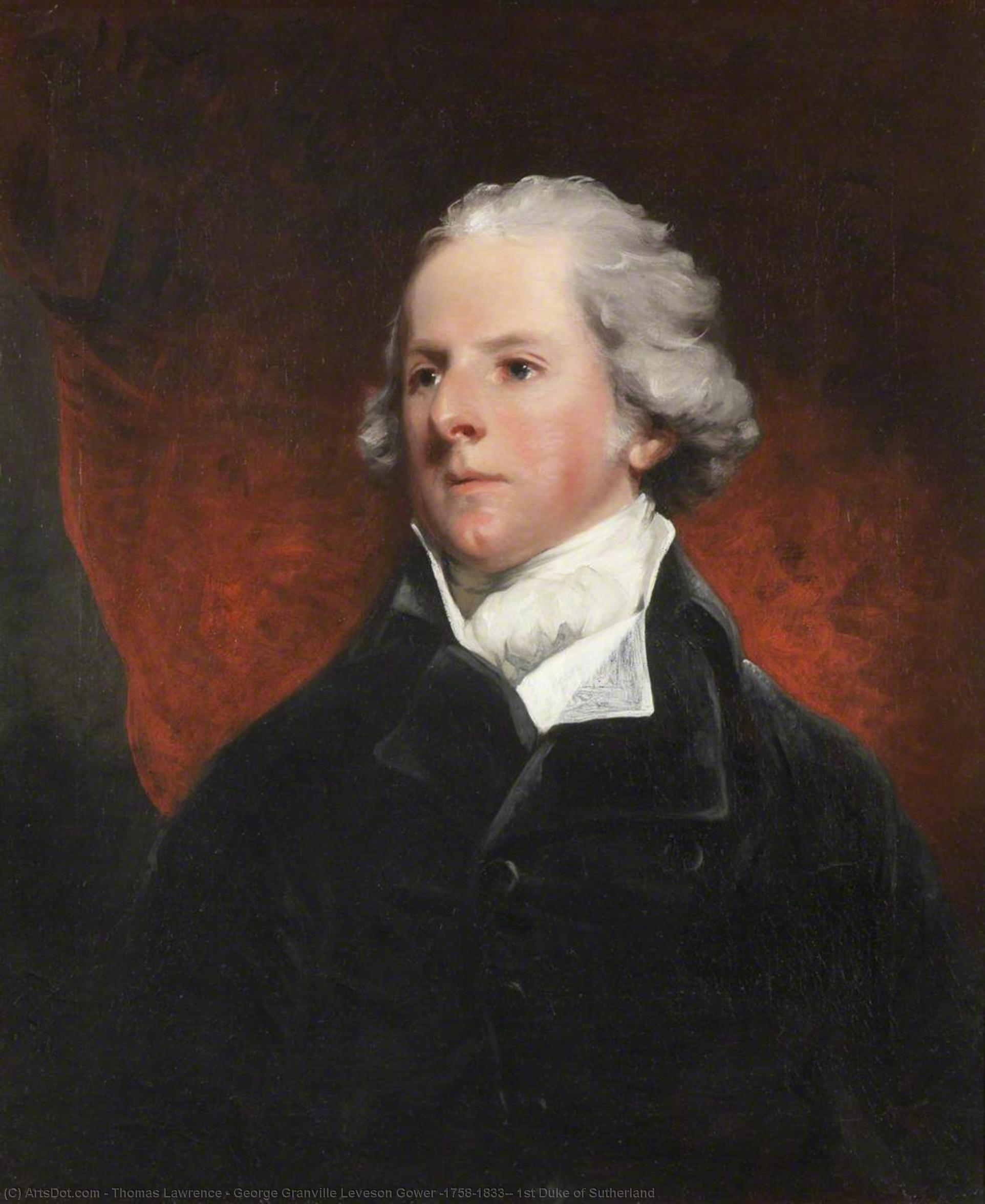
George Granville Leveson Gower (1758–1833), 1st Duke of Sutherland
 Oil On Canvas
- WallArt
- Regency Neoclassicism
 1800
1800- 19th Century
 77.0 x 63.0 cm
 Galería de Arte Abbot Hall
 Ver más
Giclée / Impresión de arte
Impresiones giclée o en lienzo de calidad de museo con producción rápida y opciones de acabado flexibles. ( Comprar pintura hecha a mano Comprar imagen)




P118B $10

P118H $10

P118W $10

P438Z $10

P508JH $12

P508YH $12

P805H $10

P805Z $10

P919BZ $10

P919G $10

P919XJ $10

P959ZH $10

P968JZ $12

W106C $8

W218G $10

W218JH $8

W218Y $10

W307PJ $10

W316G $10

W316PJ $8

W316Y $10

W398PJ $8

W4111J $10

W500HY $15

W500JH $15

W692G $12

W849H $8

W940BG $15

W953PJ $8




Elija entre nuestros tamaños predefinidos que respetan las proporciones originales de la obra.

Puede introducir sus propias dimensiones para adaptarse a un marco o espacio específico. Si el tamaño seleccionado no coincide con las proporciones de la imagen original, recortaremos la obra de arte o extenderemos la imagen con un borde con efecto espejo o de color sólido. Se enviará una maqueta digital para su aprobación antes de que comience la producción.
Tenga en cuenta que la vista previa en pantalla no refleja el recorte o la extensión real. Solo la maqueta mostrará con precisión la composición final.
Aunque existen tamaños personalizados, recomendamos seleccionar una dimensión de la lista predefinida para preservar las proporciones originales.
Envío a todo el mundo () en 2 semanas en lugar de las 4/5 semanas estándar. (27 agosto)

Envío exprés gratuito a todo el mundo

Lienzo de lino de alta calidad

Seguro de envío total

Garantía de reembolso de impuestos aduaneros

Garantía de fidelidad cromática exacta

Política de devolución de 60 días (solo por defectos)

Garantía de devolución del 100% del dinero

Descuento por cantidad
 La opción de vidrio solo está disponible en tamaños inferiores a 110 cm.

George Granville Leveson Gower (1758–1833), 1st Duke of Sutherland
Giclée / Impresión de arte
Dimensiones de la reproducción
-


Precio total final
$ 62
Descripción de la pieza
A Portrait of Regency Power: The First Duke of Sutherland
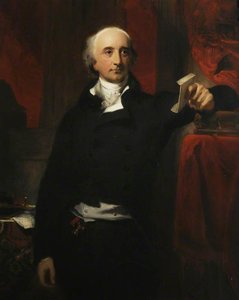
This meticulously rendered portrait of George Granville Leveson Gower, 1st Duke of Sutherland, offers a compelling glimpse into the world of Regency England – a period defined by ambition, social upheaval, and the burgeoning influence of the landed gentry. Painted in 1800 by Sir Thomas Lawrence, a leading portraitist of his time, this work transcends a simple likeness; it’s an embodiment of power, status, and the carefully constructed persona of a man who rose to prominence through military service and strategic land acquisitions.
- The Subject: The Duke himself is presented with a dignified seriousness. His white hair, meticulously styled into a wig – a ubiquitous feature of aristocratic portraiture – speaks to his age and established position. The formal attire, indicative of the era’s strict social codes, underscores his elevated status.
- Sir Thomas Lawrence's Technique: Lawrence was renowned for his ability to capture not just physical appearance but also the character and temperament of his subjects. His brushwork is characterized by a smooth, polished surface achieved through layering thin glazes of oil paint – a technique that lends the portrait an almost luminous quality. The subtle modeling of the face and clothing demonstrates a keen understanding of light and shadow, creating depth and volume.
A Dramatic Red Background
The choice of a deep red background is particularly significant. Red was a color associated with power, wealth, and nobility during the Regency period. It elevates the Duke’s presence, intensifying his gaze and reinforcing his authority. The stark contrast between the red and the pale tones of the subject's clothing further emphasizes his figure and draws the viewer’s eye directly to him. This strategic use of color was a hallmark of Lawrence’s approach, designed to create a visually arresting and emotionally resonant image.
Historical Context: The Sutherland Dynasty
George Granville Leveson Gower's rise to the title of Duke of Sutherland is inextricably linked to the turbulent events of the late 18th and early 19th centuries. He gained his wealth and influence through ruthless suppression of the Jacobite rebellion in Scotland, a brutal campaign that cemented his reputation as a formidable military leader – and a controversial figure. This portrait, therefore, represents not just an individual but also a dynasty built on power and strategic maneuvering. The painting serves as a visual record of this period’s dramatic shifts in social and political landscape.
Symbolism and Emotional Impact
The Duke's contemplative expression invites the viewer to consider his inner thoughts and motivations. While outwardly projecting an image of strength and control, there is a subtle vulnerability in his gaze that adds another layer of complexity to the portrait. The overall effect is one of quiet authority – a man accustomed to command and deeply aware of his position within society. This reproduction offers more than just a likeness; it provides a window into the soul of a remarkable figure from a pivotal era.
Obras relacionadas

Biografía del artista
Primeros Años y Educación
- Nacimiento: Bristol, Reino Unido, 13 de abril de 1769
- Fallecimiento: Londres, 7 de enero de 1830
- Padres: Thomas Lawrence (supervisor de rentas) y Lucy Read.
- Primer Talento: Demostró un prodigioso talento artístico desde una edad temprana, comenzando a dibujar alrededor de los diez años.
- Autodidacta: En gran medida autodidacta, aunque recibió alguna instrucción en francés y latín.
- Apoyo Familiar: Inicialmente apoyó a su familia con retratos pastel mientras vivía en Bath.
- Mudanza a Londres: Se mudó a Londres a la edad de 18 años y rápidamente estableció una reputación como retratista.
Carrera y Desarrollo Artístico
- Primeras Comisiones: Recibió su primera comisión real, un retrato de la Reina Charlotte, en 1789.
- Afiliación a la Royal Academy: Se convirtió en Asociado de la Royal Academy en 1791 y miembro titular en 1794.
- Presidente de la Royal Academy: Sirvió como Presidente de la Royal Academy desde 1820.
- Retratos de la Cámara de Waterloo: Fue comisionado para pintar retratos de líderes aliados para la Cámara de Waterloo en Windsor Castle, mostrando su habilidad y obteniendo reconocimiento internacional.
- Estilo y Técnica: Conocido por su capacidad para capturar rasgos faciales y su virtuosismo al manejar la pintura. Influenciado por Sir Joshua Reynolds. Su estilo evolucionó poco a lo largo de su carrera.
- Temática: Se centró principalmente en el retrato, representando a la nobleza, la realeza y figuras prominentes de la época del Regencia.
Logros Destacados y Reconocimiento
- Retratista más de moda: Fue considerado uno de los retratistas más de moda en Europa durante su tiempo.
- Patronazgo Real: Disfrutó del generoso patrocinio del Príncipe Regente (luego Rey Jorge IV).
- Acogida Internacional: Su obra fue expuesta en el Salón de París de 1824, ganando la admiración de artistas franceses como Delacroix.
- Participación en la National Gallery: Jugó un papel en la fundación de la National Gallery y en asegurar los Mármoles de Elgin para Gran Bretaña.
- Honores: Fue nombrado caballero en 1815.
Influencias y Legado
- Sir Joshua Reynolds: Una influencia significativa en el desarrollo temprano de Lawrence como retratista.
- Antiguos Maestros: Estudió extensamente dibujos de los Antiguos Maestros, particularmente aquellos de Miguel Ángel y Rafael.
- Romanticismo: Su obra reflejó el glamour de la época del Regencia y se alineó con ideales artísticos románticos.
- Declive en la Era Victoriana: La reputación de Lawrence disminuyó durante el período victoriano, pero desde entonces ha sido parcialmente restaurada.
- Impacto Duradero: Sigue siendo una figura importante en la historia del arte británico, celebrado por su habilidad, encanto y capacidad para capturar la esencia de sus sujetos.
Controversias y Vida Personal
- Dificultades Financieras: A pesar de su éxito, Lawrence pasó gran parte de su vida profundamente endeudado.
- Relaciones Complejas: Tuvo relaciones tortuosas con Sally y Maria Siddons.
- Conexiones de los Retratados: Sus retratados incluyeron tanto a dueños de esclavos como a abolicionistas, reflejando el complejo panorama social de su época.
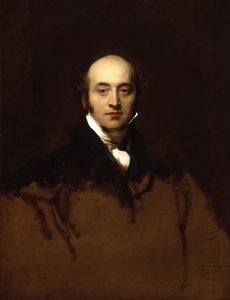
Sir Thomas Lawrence
1769 - 1830 , Reino Unido
Datos clave
- Artistas Que Influyeron: ['Sir Joshua Reynolds']
- Fecha De Fallecimiento: 7 de enero de 1830
- Fecha De Nacimiento: 13 de abril de 1769
- Lugar De Nacimiento: Bristol, Reino Unido
- Movimiento Artístico: Retrato del período Regencia
- Nacionalidad: Británico
- Nombre Completo: Sir Thomas Lawrence
- Obras Notables:
- Retrato de la Reina Charlotte
- Retratos de la Cámara de Waterloo
Artículos relacionados

Crimson Threads of Narrative: Exploring Symbolism & Representation in Artworks Featuring the Red Dress
Explore the rich symbolism of the red dress in art history! From ancient power displays to iconic portraits like Cézanne’s 'Madame Cezanne', discover the cultural and artistic significance behind this captivating color. Expert analysis & insights.
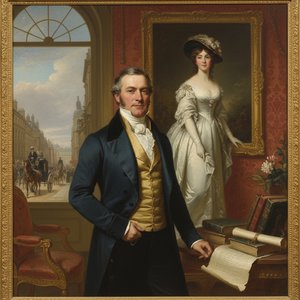
Sir Thomas Lawrence: Portraiture, Power & Regency Society's Aesthetics
Explore the captivating world of Sir Thomas Lawrence, Regency England's premier portraitist. Discover his artistic techniques, powerful representations of society, and enduring legacy. Expert insights for discerning art collectors.
Mark Rothko: Las 25 Obras Maestras que Definen la Expresión Abstracta | ArtsDot
Descubre las 25 obras maestras de Mark Rothko, pionero del expresionismo abstracto. Explora la historia, el significado y los colores vibrantes que definen su arte emocional. Reproducciones de alta calidad en ArtsDot.com.

Jacob Lawrence: Narratives of Struggle, Resilience & Modernist Innovation
Explore the powerful narratives of Jacob Lawrence, a pivotal African American artist of the Harlem Renaissance. Discover his iconic 'Migration Series,' dynamic cubism style, and lasting impact on American art history.
F.A.Q.: ¿Personalizar fondos en pinturas personalizadas? Exclusividad para coleccionistas exigentes.
Personalice los fondos de sus pinturas personalizadas en . Expertos artistas crean réplicas y obras únicas con mockup digital. Calidad museo, confianza garantizada para coleccionistas exigentes.