 Ver en contexto
 Enviar
 Compartir
 Detalles

 Descargar
 Similares
 Radiografía
 Presentación de diapositivas
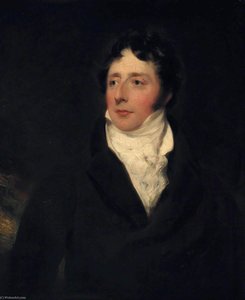
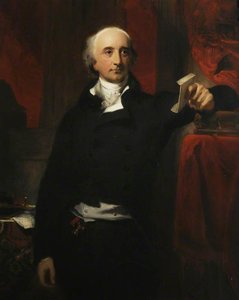
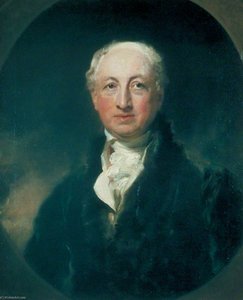
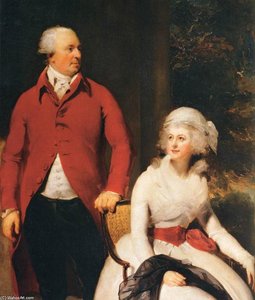
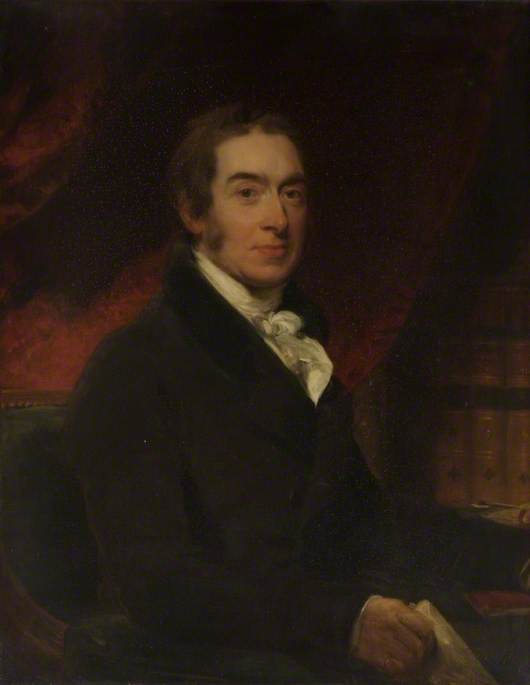
John Vivian of Claverton (1756–1828)
 Acrylic On Canvas
- WallArt
- Regency Romanticism
 90.0 x 70.0 cm
 Número 1 Royal Crescent
 Ver más
Giclée / Impresión de arte
Impresiones giclée o en lienzo de calidad de museo con producción rápida y opciones de acabado flexibles. ( Comprar pintura hecha a mano Comprar imagen)




P118B $10

P118H $10

P118W $10

P438Z $10

P508JH $12

P508YH $12

P805H $10

P805Z $10

P919BZ $10

P919G $10

P919XJ $10

P959ZH $10

P968JZ $12

W106C $8

W218G $10

W218JH $8

W218Y $10

W307PJ $10

W316G $10

W316PJ $8

W316Y $10

W398PJ $8

W4111J $10

W500HY $15

W500JH $15

W692G $12

W849H $8

W940BG $15

W953PJ $8




Elija entre nuestros tamaños predefinidos que respetan las proporciones originales de la obra.

Puede introducir sus propias dimensiones para adaptarse a un marco o espacio específico. Si el tamaño seleccionado no coincide con las proporciones de la imagen original, recortaremos la obra de arte o extenderemos la imagen con un borde con efecto espejo o de color sólido. Se enviará una maqueta digital para su aprobación antes de que comience la producción.
Tenga en cuenta que la vista previa en pantalla no refleja el recorte o la extensión real. Solo la maqueta mostrará con precisión la composición final.
Aunque existen tamaños personalizados, recomendamos seleccionar una dimensión de la lista predefinida para preservar las proporciones originales.
Envío a todo el mundo () en 2 semanas en lugar de las 4/5 semanas estándar. (30 agosto)

Envío exprés gratuito a todo el mundo

Lienzo de lino de alta calidad

Seguro de envío total

Garantía de reembolso de impuestos aduaneros

Garantía de fidelidad cromática exacta

Política de devolución de 60 días (solo por defectos)

Garantía de devolución del 100% del dinero

Descuento por cantidad
 La opción de vidrio solo está disponible en tamaños inferiores a 110 cm.

John Vivian of Claverton (1756–1828)
Giclée / Impresión de arte
Dimensiones de la reproducción
-


Precio total final
$ 62
A Portrait of Regency Dignity: Unveiling John Vivian
Sir Thomas Lawrence’s “John Vivian of Claverton” isn't merely a portrait; it’s a meticulously crafted window into the social and artistic landscape of early 19th-century England. Painted around 1820, this oil on canvas captures not just the likeness of John Vivian, a prominent figure in Cornish society and a key player in the burgeoning world of art patronage, but also embodies the refined elegance and understated power of the Regency era. The painting’s quiet dignity speaks volumes about Vivian's position – a man of considerable wealth, influence, and a keen appreciation for both the arts and the social graces that defined his time.
Lawrence, a master of capturing the nuances of personality through subtle brushstrokes and carefully considered composition, employs a classic three-quarter pose. Vivian sits with his hands folded neatly in his lap – a gesture that conveys both composure and quiet confidence. His attire, meticulously rendered with rich fabrics and intricate details, reflects his status: a dark coat adorned with fine embroidery, a crisp white shirt, and a silk cravat hinting at wealth and taste. The background is deliberately understated, featuring a simple chair and two books – symbols of intellectual pursuits and the gentleman’s cultivated mind. The lighting, expertly controlled by Lawrence, highlights Vivian's face, drawing attention to his features and conveying an air of thoughtful contemplation.
The Artist and His Patron: A Collaboration in Style
Understanding Sir Thomas Lawrence requires appreciating his unique position within the British art world. Initially a successful portrait painter catering to the wealthy elite, he was later appointed President of the Royal Academy in 1820 – a testament to his influence and standing. His style during this period is characterized by its elegance, naturalism, and ability to capture both physical likeness and inner character. “John Vivian of Claverton” exemplifies these qualities perfectly. The painting’s success was partly due to Lawrence's close relationship with the subject; Vivian himself commissioned the portrait, demonstrating his confidence in the artist’s abilities and a desire to secure a lasting representation of his identity.
The commission also speaks volumes about the importance of patronage during this era. Lawrence relied heavily on wealthy patrons like Vivian for financial support, allowing him to pursue his artistic endeavors and maintain a comfortable lifestyle. This reciprocal relationship fostered a vibrant exchange between artist and subject, resulting in portraits that were not simply likenesses but carefully constructed narratives reflecting both individual identity and social standing.
Symbolism and the Regency Aesthetic
Beyond its immediate depiction of Vivian, the painting is rich with symbolic elements characteristic of the Regency period. The books suggest a man of learning and intellectual curiosity – qualities highly valued in the educated elite. The restrained colors and elegant composition reflect the prevailing aesthetic ideals of the time: a focus on restraint, balance, and refined beauty. The overall mood is one of quiet dignity and understated power, mirroring the social dynamics of Regency England.
Furthermore, the painting’s meticulous detail—the texture of the fabrics, the sheen of the polished shoes, the subtle play of light and shadow—demonstrates Lawrence's mastery of technique. He employed a layering method known as ‘sfumato,’ creating soft transitions between colors and tones that contribute to the portrait’s overall sense of realism and depth. The careful attention to detail is not merely decorative; it serves to enhance the painting’s expressive power, conveying Vivian’s status and personality with remarkable subtlety.
A Timeless Portrait: Reproduction Possibilities
Reproductions of “John Vivian of Claverton” offer a wonderful opportunity to bring this captivating portrait into your home or office. Available in various sizes and mediums – from high-quality prints on canvas to meticulously crafted oil reproductions – these pieces capture the essence of Lawrence’s original work while providing an accessible and affordable way to appreciate its beauty. Whether you are a collector of Regency art, an admirer of Sir Thomas Lawrence's skill, or simply seeking a timeless piece of decorative art, this portrait is sure to be a cherished addition to your collection.
Obras relacionadas
Biografía del artista
Primeros Años y Educación
- Nacimiento: Bristol, Reino Unido, 13 de abril de 1769
- Fallecimiento: Londres, 7 de enero de 1830
- Padres: Thomas Lawrence (supervisor de rentas) y Lucy Read.
- Primer Talento: Demostró un prodigioso talento artístico desde una edad temprana, comenzando a dibujar alrededor de los diez años.
- Autodidacta: En gran medida autodidacta, aunque recibió alguna instrucción en francés y latín.
- Apoyo Familiar: Inicialmente apoyó a su familia con retratos pastel mientras vivía en Bath.
- Mudanza a Londres: Se mudó a Londres a la edad de 18 años y rápidamente estableció una reputación como retratista.
Carrera y Desarrollo Artístico
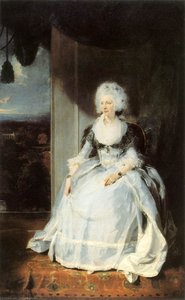
- Primeras Comisiones: Recibió su primera comisión real, un retrato de la Reina Charlotte, en 1789.
- Afiliación a la Royal Academy: Se convirtió en Asociado de la Royal Academy en 1791 y miembro titular en 1794.
- Presidente de la Royal Academy: Sirvió como Presidente de la Royal Academy desde 1820.
- Retratos de la Cámara de Waterloo: Fue comisionado para pintar retratos de líderes aliados para la Cámara de Waterloo en Windsor Castle, mostrando su habilidad y obteniendo reconocimiento internacional.
- Estilo y Técnica: Conocido por su capacidad para capturar rasgos faciales y su virtuosismo al manejar la pintura. Influenciado por Sir Joshua Reynolds. Su estilo evolucionó poco a lo largo de su carrera.
- Temática: Se centró principalmente en el retrato, representando a la nobleza, la realeza y figuras prominentes de la época del Regencia.
Logros Destacados y Reconocimiento
- Retratista más de moda: Fue considerado uno de los retratistas más de moda en Europa durante su tiempo.
- Patronazgo Real: Disfrutó del generoso patrocinio del Príncipe Regente (luego Rey Jorge IV).
- Acogida Internacional: Su obra fue expuesta en el Salón de París de 1824, ganando la admiración de artistas franceses como Delacroix.
- Participación en la National Gallery: Jugó un papel en la fundación de la National Gallery y en asegurar los Mármoles de Elgin para Gran Bretaña.
- Honores: Fue nombrado caballero en 1815.
Influencias y Legado
- Sir Joshua Reynolds: Una influencia significativa en el desarrollo temprano de Lawrence como retratista.
- Antiguos Maestros: Estudió extensamente dibujos de los Antiguos Maestros, particularmente aquellos de Miguel Ángel y Rafael.
- Romanticismo: Su obra reflejó el glamour de la época del Regencia y se alineó con ideales artísticos románticos.
- Declive en la Era Victoriana: La reputación de Lawrence disminuyó durante el período victoriano, pero desde entonces ha sido parcialmente restaurada.
- Impacto Duradero: Sigue siendo una figura importante en la historia del arte británico, celebrado por su habilidad, encanto y capacidad para capturar la esencia de sus sujetos.
Controversias y Vida Personal
- Dificultades Financieras: A pesar de su éxito, Lawrence pasó gran parte de su vida profundamente endeudado.
- Relaciones Complejas: Tuvo relaciones tortuosas con Sally y Maria Siddons.
- Conexiones de los Retratados: Sus retratados incluyeron tanto a dueños de esclavos como a abolicionistas, reflejando el complejo panorama social de su época.
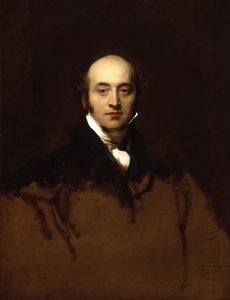
Sir Thomas Lawrence
1769 - 1830 , Reino Unido
Datos clave
- Artistas Que Influyeron: ['Sir Joshua Reynolds']
- Fecha De Fallecimiento: 7 de enero de 1830
- Fecha De Nacimiento: 13 de abril de 1769
- Lugar De Nacimiento: Bristol, Reino Unido
- Movimiento Artístico: Retrato del período Regencia
- Nacionalidad: Británico
- Nombre Completo: Sir Thomas Lawrence
- Obras Notables:
- Retrato de la Reina Charlotte
- Retratos de la Cámara de Waterloo
Artículos relacionados

John Singer Sargent: Las 25 Obras Maestras del Retrato y la Belle Époque | ArtsDot
Descubre las 25 obras maestras de John Singer Sargent, el maestro del retrato y la Belle Époque. Explora su técnica impresionista, historias fascinantes y encuentra reproducciones de arte exclusivas para decorar tu hogar con elegancia en ArtsDot.com.

John Constable: Las 25 Obras Maestras del Paisaje Inglés | ArtsDot
Descubre las 25 obras maestras de John Constable, el pintor romántico inglés que capturó la belleza del paisaje. Explora su técnica, historia y significado en ArtsDot.com. Reproducciones de arte de alta calidad para tu hogar.
Sir Thomas Lawrence: Portraiture, Power & Regency Society's Aesthetics
Explore the captivating world of Sir Thomas Lawrence, Regency England's premier portraitist. Discover his artistic techniques, powerful representations of society, and enduring legacy. Expert insights for discerning art collectors.
Gwen John: Intimacy, Modernity & the Quiet Power of Welsh Portraiture
Explore the captivating world of Gwen John, a pioneering Welsh artist renowned for her intimate portraits & subtle style. Discover her life, legacy, and how to bring her timeless beauty into your home with ArtsDot.
Thomas Barker of Bath: Landscape Painting & Societal Reflection in Early 19th-Century England
Explore the life & work of Thomas Barker of Bath, a key figure in 19th-century English Romanticism. Discover his Parisian success, iconic paintings like 'The Bride of Death', and lasting artistic legacy. Learn more at ArtsDot.