 Ver en contexto
 Enviar
 Compartir
 Detalles

 Descargar
 Similares
 Radiografía
 Presentación de diapositivas
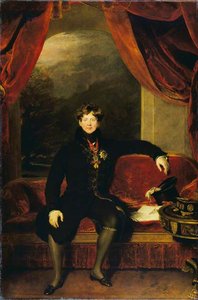
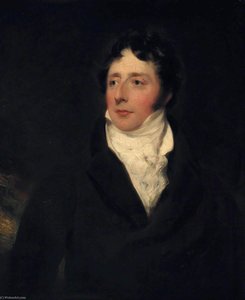
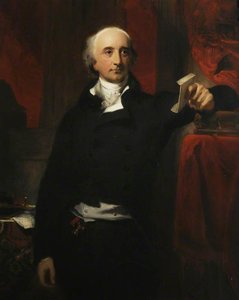
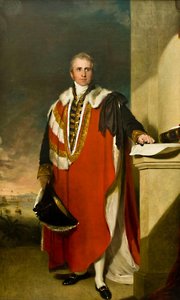
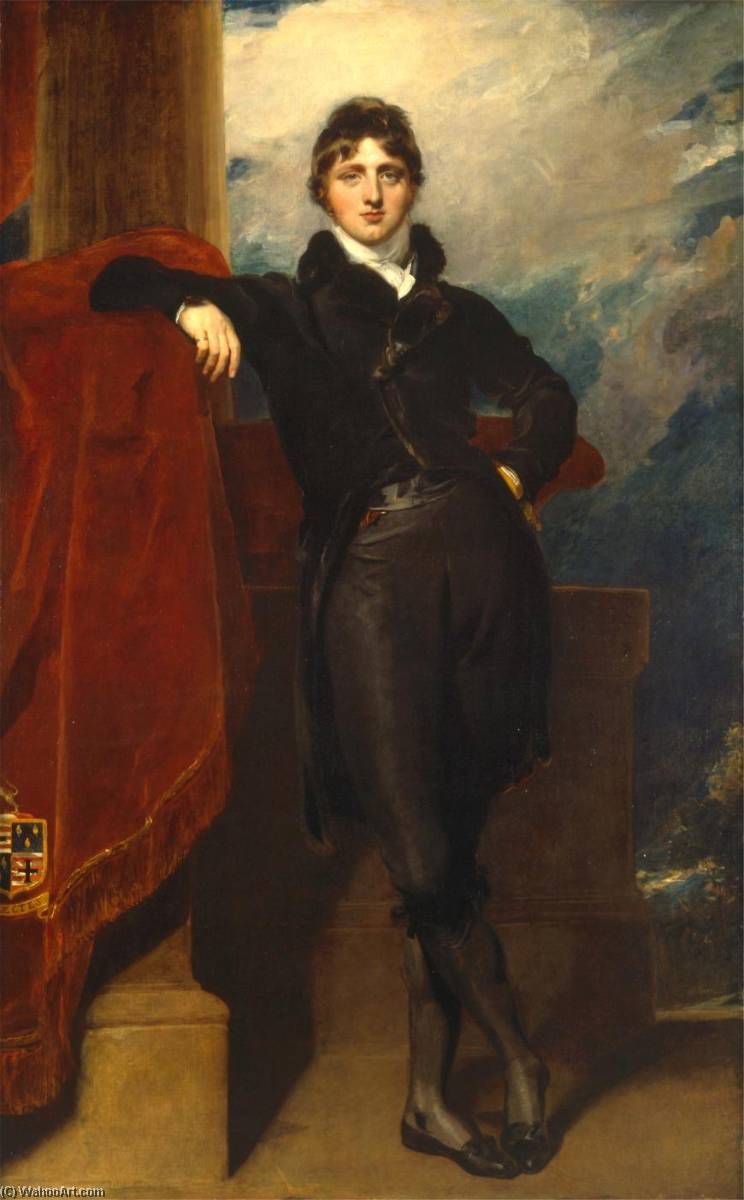
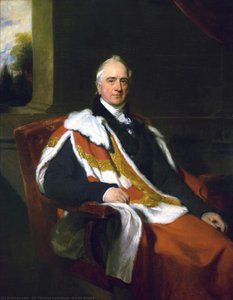
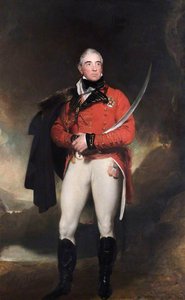
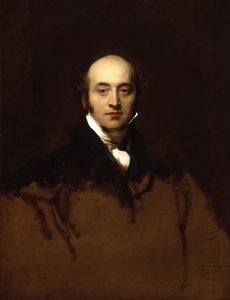
Lord Granville Leveson Gower, later 1st Earl Granville


 Ver más
Reproducción al óleo hecha a mano
Óleo sobre lienzo pintado a mano en el tamaño y marco de su elección, realizado por encargo por nuestros artistas. ( Comprar impresión Comprar imagen)




P118B $10

P118H $10

P118W $10

P438Z $10

P508JH $12

P508YH $12

P805H $10

P805Z $10

P919BZ $10

P919G $10

P919XJ $10

P959ZH $10

P968JZ $12

W106C $8

W218G $10

W218JH $8

W218Y $10

W307PJ $10

W316G $10

W316PJ $8

W316Y $10

W398PJ $8

W4111J $10

W500HY $15

W500JH $15

W692G $12

W849H $8

W940BG $15

W953PJ $8




Elija entre nuestros tamaños predefinidos que respetan las proporciones originales de la obra.

Puede ingresar sus propias dimensiones para adaptarse a un marco o espacio específico. Si el tamaño seleccionado no coincide con las proporciones de la imagen original, recortaremos la obra o extenderemos la pintura con elementos adicionales pintados a mano. Se le enviará una maqueta digital para su aprobación antes de comenzar la producción.
Tenga en cuenta que la vista previa en pantalla no refleja el recorte o la extensión reales. Solo la maqueta mostrará con precisión la composición final.
Si bien existen tamaños personalizados, recomendamos seleccionar una dimensión de la lista predefinida para preservar las proporciones originales.
Tras realizar el pedido, el equipo de ArtsDot.com enviará un correo electrónico al cliente para solicitar instrucciones y proporcionarle una vista previa del boceto.
Envío a todo el mundo () en 3-4 semanas en lugar de las 5 semanas estándar. (27 agosto). Sin comprometer la calidad.

Envío exprés gratuito a todo el mundo

Lienzo de lino de alta calidad

Seguro de envío total

Garantía de reembolso de impuestos aduaneros

Garantía de fidelidad cromática exacta

Política de devolución de 60 días (solo por defectos)

Garantía de devolución del 100% del dinero

Descuento por cantidad
 La opción de vidrio solo está disponible en tamaños inferiores a 110 cm.

Lord Granville Leveson Gower, later 1st Earl Granville
Técnica de reproducción
Dimensiones de la reproducción
-


Precio total final
$ 263
Descripción de la obra
A Vision of Regency Grandeur: The Majesty of Lord Granville Leveson Gower
In the sweeping annals of British portraiture, few eras capture the intoxicating blend of aristocratic poise and romantic idealism quite like the Regency period. Sir Thomas Lawrence’s portrait of Lord Granville Levan Gower, completed between 1804 and 1809, serves as a breathtaking window into this gilded age. As a quintessential emblem of high society, the painting transcends a mere physical likeness; it is a meticulously crafted tableau that speaks to the very soul of an era defined by opulent patronage and an unwavering fascination with visual prestige. When one gazes upon this work, there is an immediate sense of encountering a man of profound significance, captured at the height of his social and political promise.
The subject, who would later ascend to become the 1st Earl Granville, is presented with a commanding presence that demands attention. Lawrence utilizes the "grand manner" style—a tradition inherited from the legendary Joshua Reynolds—to imbue the sitter with an aura of effortless authority. Positioned centrally within the frame, Lord Granville stands with his hands resting confidently on his hips, a posture that radiates self-assurance and noble dignity. His gaze, directed slightly upward and toward the viewer, establishes a psychological connection that is both intimate and imposing, inviting the observer to participate in the silent dialogue of the aristocracy.
Mastery of Light and the Art of the Brush
Technically, the portrait is a triumph of Lawrence’s virtuoso handling of oil on canvas. The artist was renowned for his ability to achieve a luminous, almost ethereal surface through the painstaking application of translucent glazes. This technique allows light to penetrate the upper layers of paint, reflecting back from the base to create a skin tone that feels warm, breathing, and remarkably lifelike. Every brushstroke serves a purpose; while some are refined and precise to capture the intricate textures of the sitter's attire, others possess an expressive, fluid quality that lends the composition a sense of movement and vitality.
The color palette is a masterclass in sophisticated restraint. Lawrence employs a backdrop of muted reds and deep blues, colors traditionally associated with the richness of aristocratic interiors. This choice does more than provide contrast; it anchors the figure within a space of luxury and permanence. The subtle interplay of light and shadow—the chiaroscuro effect—sculpts the sitter's features, lending depth to the folds of his clothing and creating a dramatic tension that keeps the eye wandering across the canvas, discovering new nuances in the fabric and the soft, atmospheric clouds visible in the distance.
Symbolism and the Emotional Resonance of a Legacy
Beyond the technical brilliance lies a profound layer of symbolism that would have been instantly recognizable to a contemporary audience. The inclusion of the heavy red curtain is not merely decorative; it is a theatrical device used to signify prestige, power, and the grandeur of the stage upon which the elite performed their social roles. Furthermore, the suggestion of clouds in the background introduces an element of the sublime, hinting at the sitter’s intellectual depth and his engagement with the philosophical and romantic ideals of the time. It suggests a man whose influence extends beyond the terrestrial halls of politics into the realm of thought and contemplation.
For the discerning collector or interior designer, this portrait offers much more than aesthetic beauty. It provides a sense of historical weight and an atmosphere of timeless elegance. Whether placed in a formal study, a grand hallway, or a curated gallery space, a high-quality reproduction of this masterpiece brings with it the spirit of the Regency era—a period of unparalleled sophistication. To possess such a work is to invite a piece of British history into one's environment, fostering an atmosphere of intellectual curiosity and refined taste that continues to inspire awe centuries after Lawrence first laid his brush to canvas.
Obras relacionadas
Biografía del artista
Primeros Años y Educación
- Nacimiento: Bristol, Reino Unido, 13 de abril de 1769
- Fallecimiento: Londres, 7 de enero de 1830
- Padres: Thomas Lawrence (supervisor de rentas) y Lucy Read.
- Primer Talento: Demostró un prodigioso talento artístico desde una edad temprana, comenzando a dibujar alrededor de los diez años.
- Autodidacta: En gran medida autodidacta, aunque recibió alguna instrucción en francés y latín.
- Apoyo Familiar: Inicialmente apoyó a su familia con retratos pastel mientras vivía en Bath.
- Mudanza a Londres: Se mudó a Londres a la edad de 18 años y rápidamente estableció una reputación como retratista.
Carrera y Desarrollo Artístico
- Primeras Comisiones: Recibió su primera comisión real, un retrato de la Reina Charlotte, en 1789.
- Afiliación a la Royal Academy: Se convirtió en Asociado de la Royal Academy en 1791 y miembro titular en 1794.
- Presidente de la Royal Academy: Sirvió como Presidente de la Royal Academy desde 1820.
- Retratos de la Cámara de Waterloo: Fue comisionado para pintar retratos de líderes aliados para la Cámara de Waterloo en Windsor Castle, mostrando su habilidad y obteniendo reconocimiento internacional.
- Estilo y Técnica: Conocido por su capacidad para capturar rasgos faciales y su virtuosismo al manejar la pintura. Influenciado por Sir Joshua Reynolds. Su estilo evolucionó poco a lo largo de su carrera.
- Temática: Se centró principalmente en el retrato, representando a la nobleza, la realeza y figuras prominentes de la época del Regencia.
Logros Destacados y Reconocimiento
- Retratista más de moda: Fue considerado uno de los retratistas más de moda en Europa durante su tiempo.
- Patronazgo Real: Disfrutó del generoso patrocinio del Príncipe Regente (luego Rey Jorge IV).
- Acogida Internacional: Su obra fue expuesta en el Salón de París de 1824, ganando la admiración de artistas franceses como Delacroix.
- Participación en la National Gallery: Jugó un papel en la fundación de la National Gallery y en asegurar los Mármoles de Elgin para Gran Bretaña.
- Honores: Fue nombrado caballero en 1815.
Influencias y Legado
- Sir Joshua Reynolds: Una influencia significativa en el desarrollo temprano de Lawrence como retratista.
- Antiguos Maestros: Estudió extensamente dibujos de los Antiguos Maestros, particularmente aquellos de Miguel Ángel y Rafael.
- Romanticismo: Su obra reflejó el glamour de la época del Regencia y se alineó con ideales artísticos románticos.
- Declive en la Era Victoriana: La reputación de Lawrence disminuyó durante el período victoriano, pero desde entonces ha sido parcialmente restaurada.
- Impacto Duradero: Sigue siendo una figura importante en la historia del arte británico, celebrado por su habilidad, encanto y capacidad para capturar la esencia de sus sujetos.
Controversias y Vida Personal
- Dificultades Financieras: A pesar de su éxito, Lawrence pasó gran parte de su vida profundamente endeudado.
- Relaciones Complejas: Tuvo relaciones tortuosas con Sally y Maria Siddons.
- Conexiones de los Retratados: Sus retratados incluyeron tanto a dueños de esclavos como a abolicionistas, reflejando el complejo panorama social de su época.
Sir Thomas Lawrence
1769 - 1830 , Reino Unido
Datos clave
- Artistas Que Influyeron: ['Sir Joshua Reynolds']
- Fecha De Fallecimiento: 7 de enero de 1830
- Fecha De Nacimiento: 13 de abril de 1769
- Lugar De Nacimiento: Bristol, Reino Unido
- Movimiento Artístico: Retrato del período Regencia
- Nacionalidad: Británico
- Nombre Completo: Sir Thomas Lawrence
- Obras Notables:
- Retrato de la Reina Charlotte
- Retratos de la Cámara de Waterloo
Artículos relacionados
Sir Thomas Lawrence: Portraiture, Power & Regency Society's Aesthetics
Explore the captivating world of Sir Thomas Lawrence, Regency England's premier portraitist. Discover his artistic techniques, powerful representations of society, and enduring legacy. Expert insights for discerning art collectors.
Los 25 Tesoros del Museo Británico: Arte, Historia y Decoración Excepcional
Descubre los 25 tesoros del Museo Británico: desde la Piedra Rosetta hasta obras de Rembrandt y Van Gogh. Explora su historia, técnica y significado. Reproducciones de arte exclusivas en ArtsDot.com para decorar tu hogar con elegancia.

The Enduring Legacy of Oil on Canvas: Technique, History & Aesthetic Impact
Explore the rich history & techniques of oil painting – from Renaissance masters to Impressionism. Discover pigments, layering methods, and why this timeless medium endures. Expert insights for artists & art enthusiasts.
Thomas Hudson: A Study in 18th-Century Portraiture & British Artistic Identity
Explore the life & work of Thomas Hudson, a leading 18th-century British portraitist. Discover his mastery of the 'Grand Manner,' influential style, and lasting impact on British art. Learn about his notable portraits like Judge William Noel & Alexander Van Aken.

El Óleo sobre Lienzo: Historia, Técnica y la Persistencia de un Medio Artístico Atemporal
Descubre la historia y técnica del óleo sobre lienzo. Explora reproducciones fieles hechas a mano, personalización artística y consejos de expertos con ArtsDot. ¡Colecciona arte con confianza!