 Ver en contexto
 Enviar
 Compartir
 Detalles

 Descargar
 Similares
 Radiografía
 Presentación de diapositivas
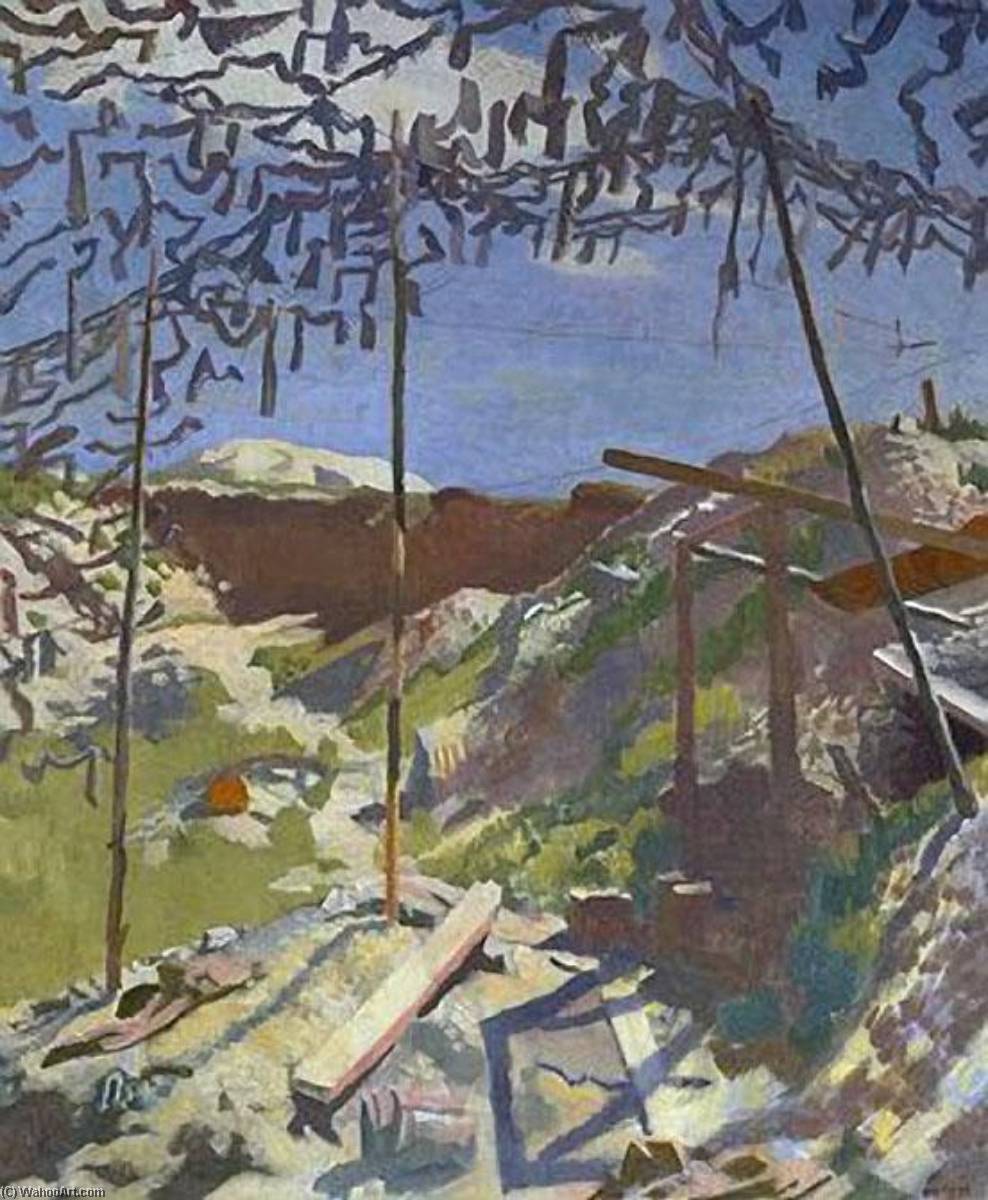
A German Gunners Shelter, Warlencourt


 Ver más
Giclée / Impresión de arte
Impresiones giclée o en lienzo de calidad de museo con producción rápida y opciones de acabado flexibles. ( Comprar pintura hecha a mano Comprar imagen)




P118B $10

P118H $10

P118W $10

P438Z $10

P508JH $12

P508YH $12

P805H $10

P805Z $10

P919BZ $10

P919G $10

P919XJ $10

P959ZH $10

P968JZ $12

W106C $8

W218G $10

W218JH $8

W218Y $10

W307PJ $10

W316G $10

W316PJ $8

W316Y $10

W398PJ $8

W4111J $10

W500HY $15

W500JH $15

W692G $12

W849H $8

W940BG $15

W953PJ $8




Elija entre nuestros tamaños predefinidos que respetan las proporciones originales de la obra.

Puede introducir sus propias dimensiones para adaptarse a un marco o espacio específico. Si el tamaño seleccionado no coincide con las proporciones de la imagen original, recortaremos la obra de arte o extenderemos la imagen con un borde con efecto espejo o de color sólido. Se enviará una maqueta digital para su aprobación antes de que comience la producción.
Tenga en cuenta que la vista previa en pantalla no refleja el recorte o la extensión real. Solo la maqueta mostrará con precisión la composición final.
Aunque existen tamaños personalizados, recomendamos seleccionar una dimensión de la lista predefinida para preservar las proporciones originales.
Envío a todo el mundo () en 2 semanas en lugar de las 4/5 semanas estándar. (2 septiembre)

Envío exprés gratuito a todo el mundo

Lienzo de lino de alta calidad

Seguro de envío total

Garantía de reembolso de impuestos aduaneros

Garantía de fidelidad cromática exacta

Política de devolución de 60 días (solo por defectos)

Garantía de devolución del 100% del dinero

Descuento por cantidad
 La opción de vidrio solo está disponible en tamaños inferiores a 110 cm.

A German Gunners Shelter, Warlencourt
Giclée / Impresión de arte
Dimensiones de la reproducción
-


Precio total final
$ 62
A Haunting Echo of the Western Front: "A German Gunners Shelter, Warlencourt" by Sir William Orpen
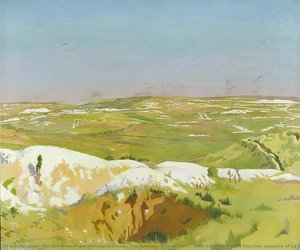
Sir William Newenham Montague Orpen’s “A German Gunners Shelter, Warlencourt” is more than a depiction of a wartime scene; it's a visceral encounter with the brutal realities of the First World War. Painted in 1917, this artwork offers a poignant and unsettling glimpse into the lives of soldiers caught amidst the relentless carnage of the Western Front. The painting’s power resides not just in its subject matter – a hastily constructed German gun shelter – but in Orpen's masterful execution and the palpable sense of desolation he evokes.
Orpen, born in Ireland in 1878, was a prolific war artist, renowned for his unflinching portrayals of combat. His training and experience are evident in the painting’s realism; visible brushstrokes contribute to a textured surface that speaks of weathered wood and the harsh conditions endured by those who occupied this shelter. The color palette – dominated by earthy browns, greys, and muted blues – reinforces the bleakness of the landscape and the psychological weight of the scene. This deliberate choice in color contributes significantly to the artwork’s emotional impact, mirroring the pervasive gloom that characterized the war years.
Technical Mastery and a Realistic Approach
- Brushwork: Orpen's signature brushwork is immediately apparent, creating a sense of immediacy and movement. The application of paint isn’t smooth or idealized; instead, it captures the rough texture of the wooden structures and the chaotic debris scattered around them. This technique lends the scene an authentic quality, reflecting the urgency and disarray of wartime conditions.
- Perspective & Composition: The low-angle perspective draws the viewer into the scene, intensifying the feeling of vulnerability and emphasizing the scale of the shelter against the vastness of the rolling hills and brooding sky. This compositional choice is a key element in Orpen’s ability to convey both the physical isolation and psychological impact of the setting.
- Materiality: The artist meticulously renders the materials – the weathered wood, the scattered metal fragments – creating a convincing illusion of reality. This attention to detail elevates the painting beyond a simple depiction of a shelter; it becomes a study in the effects of war on the landscape and its inhabitants.
Historical Context and Symbolic Resonance
“A German Gunners Shelter, Warlencourt” was created during a pivotal moment in the First World War. The Battle of Warlencourt Ridge, fought in 1917, was one of the most fiercely contested sectors of the Western Front. This painting serves as a historical document, offering a rare and intimate glimpse into the conditions faced by German soldiers seeking temporary refuge amidst the relentless artillery bombardment.
Beyond its immediate historical significance, the artwork carries symbolic weight. The abandoned shelter represents not just physical destruction but also the loss of hope and the fragility of human existence in the face of overwhelming conflict. The scattered debris – a broken piece of metal, perhaps shrapnel – serves as a stark reminder of the violence inherent in war and its devastating consequences.
A Powerful Reproduction for Collectors & Design
ArtsDot.com offers meticulously crafted hand-painted reproductions of “A German Gunners Shelter, Warlencourt,” allowing you to bring this powerful artwork into your home or office. Each reproduction is created using the same techniques and attention to detail as the original painting, ensuring an authentic representation of Orpen’s vision. This piece would be a compelling addition to any collection focused on 20th-century art, military history, or the impact of war. Furthermore, its evocative imagery makes it suitable for interior design projects seeking to create a space that is both thought-provoking and visually arresting.
Obras relacionadas
Biografía del artista
Primeros años y formación
Sir William Newenham Montague Orpen, un renombrado artista irlandés, nació el 27 de noviembre de 1878 en Stillorgan, condado de Dublín. Era el cuarto y más joven hijo de Arthur Herbert Orpen, abogado, y Anne Caulfield, pintora aficionada. La primera infancia de Orpen estuvo marcada por una feliz niñez en Oriel, una gran casa con extensos terrenos. El talento artístico de Orpen fue evidente desde temprana edad. A los 13 años, se inscribió en la Escuela de Arte Metropolitana de Dublín, donde ganó todos los premios principales y la medalla de oro para dibujo a vivo de las Islas Británicas. Posteriormente estudió en la Slade School of Art entre 1897 y 1899, dominando la pintura al óleo y experimentando con diversas técnicas.Carrera artística
La carrera artística de Orpen se caracterizó por su excelente dominio del dibujo y sus exitosos retratos comercialmente rentables de la alta sociedad eduardiana. Sin embargo, muchas de sus pinturas más impactantes son autorretratos. Durante la Primera Guerra Mundial, fue el artista oficial más prolífico, produciendo 138 dibujos y pinturas que donó al gobierno británico y que ahora forman parte de la colección del Imperial War Museum.- Las conexiones de Sir William Newenham Montague Orpen con los rangos superiores del ejército británico le permitieron permanecer más tiempo en Francia que otros artistas de guerra oficiales.
- Fue nombrado Caballero Comendador de la Orden del Imperio Británico en 1918 y elegido miembro de la Royal Academy of Arts.
- La determinación de Orpen de servir como artista de guerra le costó tanto su salud como su posición social en Inglaterra.
Obras notables y legado
- La escena de la obra Hamlet, una pintura de dos metros de ancho, ganó el premio Slade Composition Prize en 1899.
- El espejo, expuesta en el New English Art Club en 1900, hace referencia al retrato de Arnolfini de Jan van Eyck y a elementos de los interiores holandeses del siglo XVII.
- Mediodía en la playa, expuesta en el New English Art Club en 1910, muestra su distintivo estilo *plein-air*.
Museos y colecciones
- El Imperial War Museum alberga las 138 obras donadas por Orpen, incluidos dibujos y pinturas de la Primera Guerra Mundial.
- La colección del British Council, operada por la Galería de Arte Hugh Lane y el Ayuntamiento de Dublín, presenta una amplia gama de obras de arte, incluidas las de artistas reconocidos como Morris Louis, William Larkin y Alison Watt.
- El museo de la Facultad de Lengua Inglesa y Literatura en Oxford, Reino Unido, es un tesoro para los entusiastas de la literatura, con obras de arte que muestran la rica historia de la literatura inglesa.
Conclusión
El legado artístico de Sir William Newenham Montague Orpen es un testimonio de su maestría en el retrato eduardiano. Sus contribuciones a la colección del Imperial War Museum y su impacto en la escena artística británica son innegables. Explore más obras de Orpen y otros artistas notables en ArtsDot.com, y descubra el mundo del arte con las tranquilas escenas de género de Gerard ter Borch o los meticulosos grabados de Edward Fisher.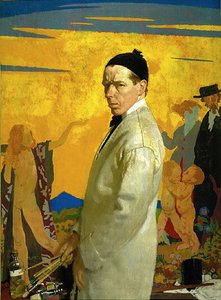
Sir William Newenham Montague Orpen
1878 - 1931 , Irlanda
Datos clave
- Artistas Que Influyeron: ['Jan van Eyck']
- Estilo Artístico: Realismo, Plein-air
- Fecha De Fallecimiento: 1931
- Fecha De Nacimiento: 27 de noviembre de 1878
- Lugar De Nacimiento: Stillorgan, Irlanda
- Nacionalidad: Irlandés
- Nombre Completo: Sir William Newenham Montague Orpen
- Obras Notables:
- The Play Scene from Hamlet
- The Mirror
- Midday on the Beach
Artículos relacionados
Sir William Orpen: A Study in Edwardian Portraiture & the Shadows of Modernity
Explore the life & art of Sir William Orpen, a master of Edwardian portraiture and poignant WWI depictions. Discover his unique realism, psychological depth, and enduring legacy in this insightful analysis.
Expresionismo Alemán: 10 Obras Maestras que Transformaron el Arte | ArtsDot
Descubre las 10 obras maestras del Expresionismo Alemán: Kirchner, Munch y más. Explora la historia, técnica y emoción detrás de estos lienzos icónicos. Reproducciones de arte de museo en ArtsDot.com. ¡Inspira tu hogar con arte!
William Owen: A Poetic Vision of War & Landscape in British Modernism
Explore the poignant war poetry of Wilfred Owen, a key figure in British Modernism. Discover his innovative style, themes of loss & camaraderie, and lasting impact on 20th-century literature. Analysis & historical context included.
Anton von Werner: Imperial Painter, Historical Witness & Shifting German Identity
Explore the life & work of Anton von Werner, Imperial Germany's leading painter. Discover his dramatic depictions of war, unification, and court life – a fascinating insight into 19th-century German history & art.
C.R.W. Nevinson: A Vorticist Vision of War & Modernity
Explore the powerful art of C.R.W. Nevinson, a key British Vorticist painter. Discover his impactful depictions of WWI and evolution beyond Futurism. Expert analysis & high-quality reproductions at ArtsDot.