 Ver en contexto
 Enviar
 Compartir
 Detalles

 Descargar
 Similares
 Radiografía
 Presentación de diapositivas
 Estadísticas
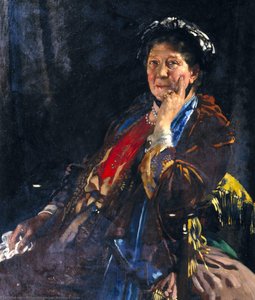
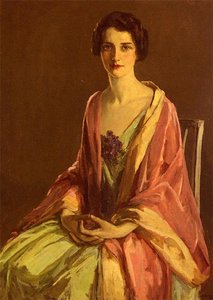
Francine J. M. Clark


 Ver más
Reproducción al óleo hecha a mano
Óleo sobre lienzo pintado a mano en el tamaño y marco de su elección, realizado por encargo por nuestros artistas. ( Cambiar a Impresión Cambiar a imagen digital)




P118B $10

P118H $10

P118W $10

P438Z $10

P508JH $12

P508YH $12

P805H $10

P805Z $10

P919BZ $10

P919G $10

P919XJ $10

P959ZH $10

P968JZ $12

W106C $8

W218G $10

W218JH $8

W218Y $10

W307PJ $10

W316G $10

W316PJ $8

W316Y $10

W398PJ $8

W4111J $10

W500HY $15

W500JH $15

W692G $12

W849H $8

W940BG $15

W953PJ $8




Elija entre nuestros tamaños predefinidos que respetan las proporciones originales de la obra.

Puede ingresar sus propias dimensiones para adaptarse a un marco o espacio específico. Si el tamaño seleccionado no coincide con las proporciones de la imagen original, recortaremos la obra o extenderemos la pintura con elementos adicionales pintados a mano. Se le enviará una maqueta digital para su aprobación antes de comenzar la producción.
Tenga en cuenta que la vista previa en pantalla no refleja el recorte o la extensión reales. Solo la maqueta mostrará con precisión la composición final.
Si bien existen tamaños personalizados, recomendamos seleccionar una dimensión de la lista predefinida para preservar las proporciones originales.
Tras realizar el pedido, el equipo de ArtsDot.com enviará un correo electrónico al cliente para solicitar instrucciones y proporcionarle una vista previa del boceto.
Envío a todo el mundo () en 3-4 semanas en lugar de las 5 semanas estándar. (10 septiembre). Sin comprometer la calidad.

Envío exprés gratuito a todo el mundo

Lienzo de lino de alta calidad

Seguro de envío total

Garantía de reembolso de impuestos aduaneros

Garantía de fidelidad cromática exacta

Política de devolución de 100 días (solo por defectos)

Garantía de devolución del 100% del dinero

Descuento por cantidad
 La opción de vidrio solo está disponible en tamaños inferiores a 110 cm.

Francine J. M. Clark
Técnica de reproducción
Dimensiones de la reproducción
-


Precio total final
$ 263
The Enigmatic Gaze: Sir William Orpen’s “Francine J. M. Clark”
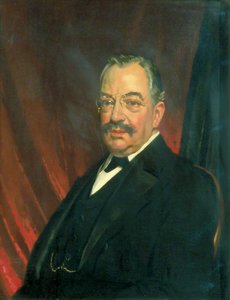
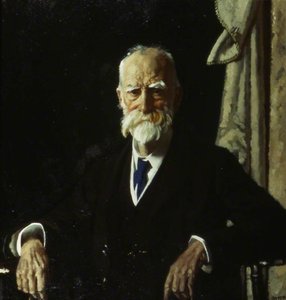
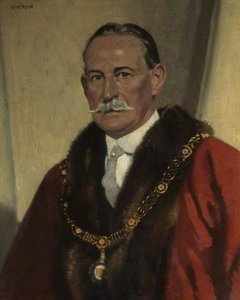
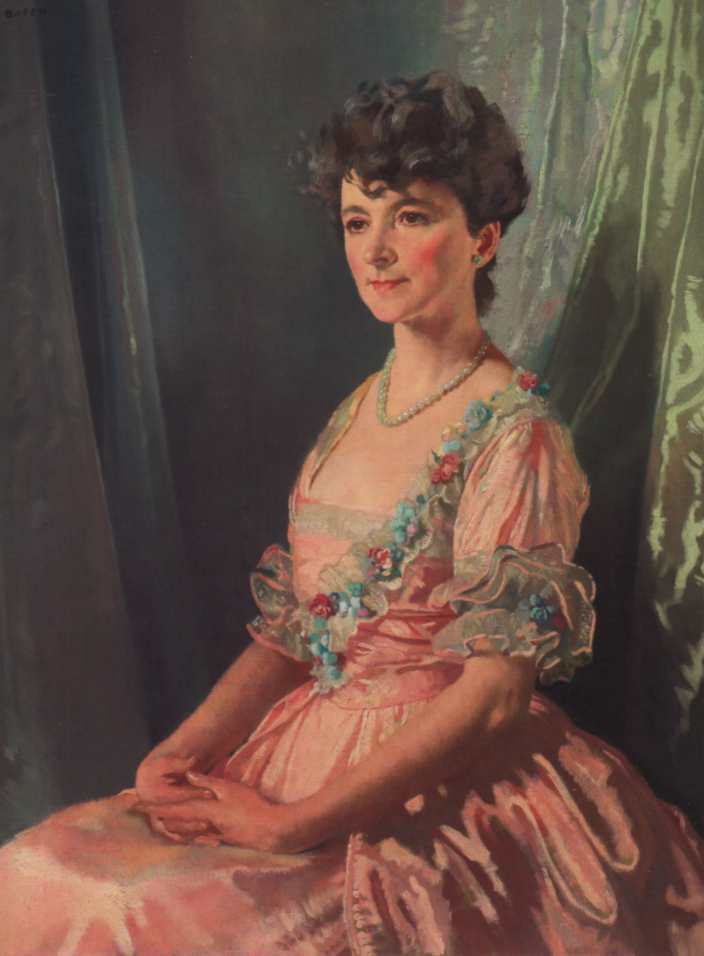
Sir William Newenham Montague Orpen's "Francine J. M. Clark," painted in 1921, is more than a simple portrait; it’s a carefully constructed tableau of Victorian elegance and subtle psychological depth. The painting captures Francine Clary, a prominent figure within the Sterling and Francine Clark Art Institute, seated with an air of quiet contemplation. Her posture—hands gently clasped in her lap, gaze directed towards the viewer—immediately establishes a connection, inviting us into her private world. Orpen’s masterful use of light and shadow sculpts her features, highlighting the delicate curve of her jawline and the gentle slope of her shoulders, while simultaneously hinting at an underlying reserve.
- Subject & Context: The portrait was commissioned during a period of significant artistic transition. Orpen, a veteran of WWI known for his unflinching depictions of battle, was increasingly drawn to quieter subjects and refined techniques. The Clark Art Institute itself represents this shift – a deliberate move away from the grand collections of European aristocracy towards a more accessible and democratic approach to art appreciation.
- Style & Technique: Orpen’s style here is distinctly characterized by his meticulous attention to detail, combined with an expressive use of color and texture. He employs a rich palette—muted greens, browns, and creams—creating a sense of understated luxury. The brushstrokes are visible yet controlled, lending the painting a tactile quality that draws the viewer in. Notice particularly how he uses light to define the folds of her dress and the subtle sheen on her skin.
A Symphony of Color and Light: Unpacking Orpen’s Palette
The color choices within “Francine J. M. Clark” are profoundly deliberate, contributing significantly to the painting's overall mood and narrative. The dominant greens—a deep, forest hue—evoke a sense of tranquility and perhaps even melancholy, subtly mirroring Francine’s contemplative state. These greens are juxtaposed with warmer tones – creams and browns – that suggest comfort and familiarity. Orpen masterfully uses chiaroscuro, the dramatic contrast between light and dark, to create a three-dimensional effect, emphasizing the subject's form and adding depth to the composition. The subtle highlights on her face and hands draw our attention to her features, while the shadows subtly conceal and reveal, creating an intriguing sense of mystery.
- Green Symbolism: Green has long been associated with nature, growth, and renewal, but in this context, it might also represent a certain restraint or a quiet dignity.
- Light as Revelation: Orpen’s skillful manipulation of light isn't merely decorative; it serves to illuminate Francine’s inner life, inviting us to contemplate her thoughts and emotions.
Beyond the Portrait: Reflections on Victorian Society
“Francine J. M. Clark” offers a fascinating glimpse into Victorian society—a period defined by strict social conventions, elaborate rituals, and a complex interplay of restraint and aspiration. The portrait’s formality reflects this era's emphasis on decorum and propriety. Francine’s posture and attire—the pearl necklace, the elegant dress—are all carefully chosen to convey an image of respectability and refinement. However, beneath the surface of outward composure, Orpen subtly hints at a more complex inner life. Her gaze, direct yet slightly distant, suggests a thoughtful observer, perhaps even a woman yearning for something beyond the confines of her social role.
- Social Commentary: The portrait can be interpreted as a subtle commentary on the constraints placed upon women in Victorian society.
- Psychological Depth: Orpen’s ability to capture such nuanced emotion within a formal portrait is a testament to his artistic skill and psychological insight.
A Timeless Masterpiece: Reproduction & Legacy
Reproductions of “Francine J. M. Clark” offer an exceptional opportunity to experience the beauty and artistry of this iconic painting. Whether displayed in a grand salon or a more intimate setting, it continues to captivate viewers with its elegance, subtlety, and profound emotional resonance. The painting’s enduring appeal lies not only in Orpen's technical mastery but also in his ability to capture the essence of a particular moment in time—a portrait that speaks volumes about Victorian society and the complexities of human experience.
Obras relacionadas
Biografía del artista
Primeros años y formación
Sir William Newenham Montague Orpen, un renombrado artista irlandés, nació el 27 de noviembre de 1878 en Stillorgan, condado de Dublín. Era el cuarto y más joven hijo de Arthur Herbert Orpen, abogado, y Anne Caulfield, pintora aficionada. La primera infancia de Orpen estuvo marcada por una feliz niñez en Oriel, una gran casa con extensos terrenos. El talento artístico de Orpen fue evidente desde temprana edad. A los 13 años, se inscribió en la Escuela de Arte Metropolitana de Dublín, donde ganó todos los premios principales y la medalla de oro para dibujo a vivo de las Islas Británicas. Posteriormente estudió en la Slade School of Art entre 1897 y 1899, dominando la pintura al óleo y experimentando con diversas técnicas.Carrera artística
La carrera artística de Orpen se caracterizó por su excelente dominio del dibujo y sus exitosos retratos comercialmente rentables de la alta sociedad eduardiana. Sin embargo, muchas de sus pinturas más impactantes son autorretratos. Durante la Primera Guerra Mundial, fue el artista oficial más prolífico, produciendo 138 dibujos y pinturas que donó al gobierno británico y que ahora forman parte de la colección del Imperial War Museum.- Las conexiones de Sir William Newenham Montague Orpen con los rangos superiores del ejército británico le permitieron permanecer más tiempo en Francia que otros artistas de guerra oficiales.
- Fue nombrado Caballero Comendador de la Orden del Imperio Británico en 1918 y elegido miembro de la Royal Academy of Arts.
- La determinación de Orpen de servir como artista de guerra le costó tanto su salud como su posición social en Inglaterra.
Obras notables y legado
- La escena de la obra Hamlet, una pintura de dos metros de ancho, ganó el premio Slade Composition Prize en 1899.
- El espejo, expuesta en el New English Art Club en 1900, hace referencia al retrato de Arnolfini de Jan van Eyck y a elementos de los interiores holandeses del siglo XVII.
- Mediodía en la playa, expuesta en el New English Art Club en 1910, muestra su distintivo estilo *plein-air*.
Museos y colecciones
- El Imperial War Museum alberga las 138 obras donadas por Orpen, incluidos dibujos y pinturas de la Primera Guerra Mundial.
- La colección del British Council, operada por la Galería de Arte Hugh Lane y el Ayuntamiento de Dublín, presenta una amplia gama de obras de arte, incluidas las de artistas reconocidos como Morris Louis, William Larkin y Alison Watt.
- El museo de la Facultad de Lengua Inglesa y Literatura en Oxford, Reino Unido, es un tesoro para los entusiastas de la literatura, con obras de arte que muestran la rica historia de la literatura inglesa.
Conclusión
El legado artístico de Sir William Newenham Montague Orpen es un testimonio de su maestría en el retrato eduardiano. Sus contribuciones a la colección del Imperial War Museum y su impacto en la escena artística británica son innegables. Explore más obras de Orpen y otros artistas notables en ArtsDot.com, y descubra el mundo del arte con las tranquilas escenas de género de Gerard ter Borch o los meticulosos grabados de Edward Fisher.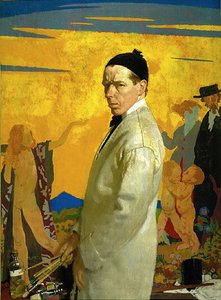
Sir William Newenham Montague Orpen
1878 - 1931 , Irlanda
Datos clave
- Artistas Que Influyeron: ['Jan van Eyck']
- Estilo Artístico: Realismo, Plein-air
- Fecha De Fallecimiento: 1931
- Fecha De Nacimiento: 27 de noviembre de 1878
- Lugar De Nacimiento: Stillorgan, Irlanda
- Nacionalidad: Irlandés
- Nombre Completo: Sir William Newenham Montague Orpen
- Obras Notables:
- The Play Scene from Hamlet
- The Mirror
- Midday on the Beach
Artículos relacionados
Penry Williams: Evoking Welsh Nostalgia Through Impressionistic Landscapes
Explore the captivating world of Penry Williams (1802-1885), a Welsh artist renowned for his evocative Impressionistic landscapes and scenes of Italy. Discover his life, style & legacy with ArtsDot.
Los 10 Cuadros Más Famosos en Tonos Rosa Pastel: Arte y Decoración
Descubre los 10 cuadros más icónicos en tonos rosa pastel. Explora la historia de Monet, Renoir y otros maestros del impresionismo y el arte moderno. Encuentra reproducciones de alta calidad para decorar tu hogar con .
J.M.W. Turner: Light, Atmosphere & the Romantic Sublime
Explore the life & art of J.M.W. Turner, a master of Romantic landscape painting. Discover his innovative techniques, key works, and lasting influence on Impressionism. Find high-quality reproductions at ArtsDot.
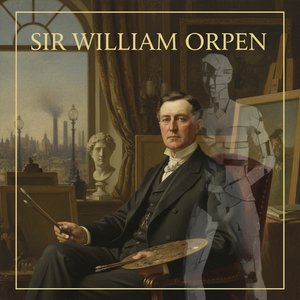
Sir William Orpen: A Study in Edwardian Portraiture & the Shadows of Modernity
Explore the life & art of Sir William Orpen, a master of Edwardian portraiture and poignant WWI depictions. Discover his unique realism, psychological depth, and enduring legacy in this insightful analysis.
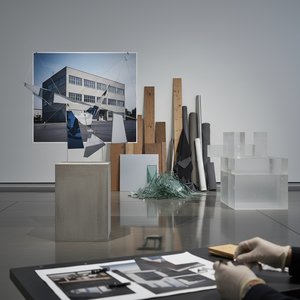
Christopher Williams: Deconstructing Representation & Materiality in Contemporary Art
Explore the groundbreaking work of Christopher Williams, a pivotal figure in contemporary art. This analysis delves into his deconstruction of representation, materiality, and institutional critique – essential reading for serious collectors.