 Ver en contexto
 Enviar
 Compartir
 Detalles

 Descargar
 Similares
 Radiografía
 Presentación de diapositivas
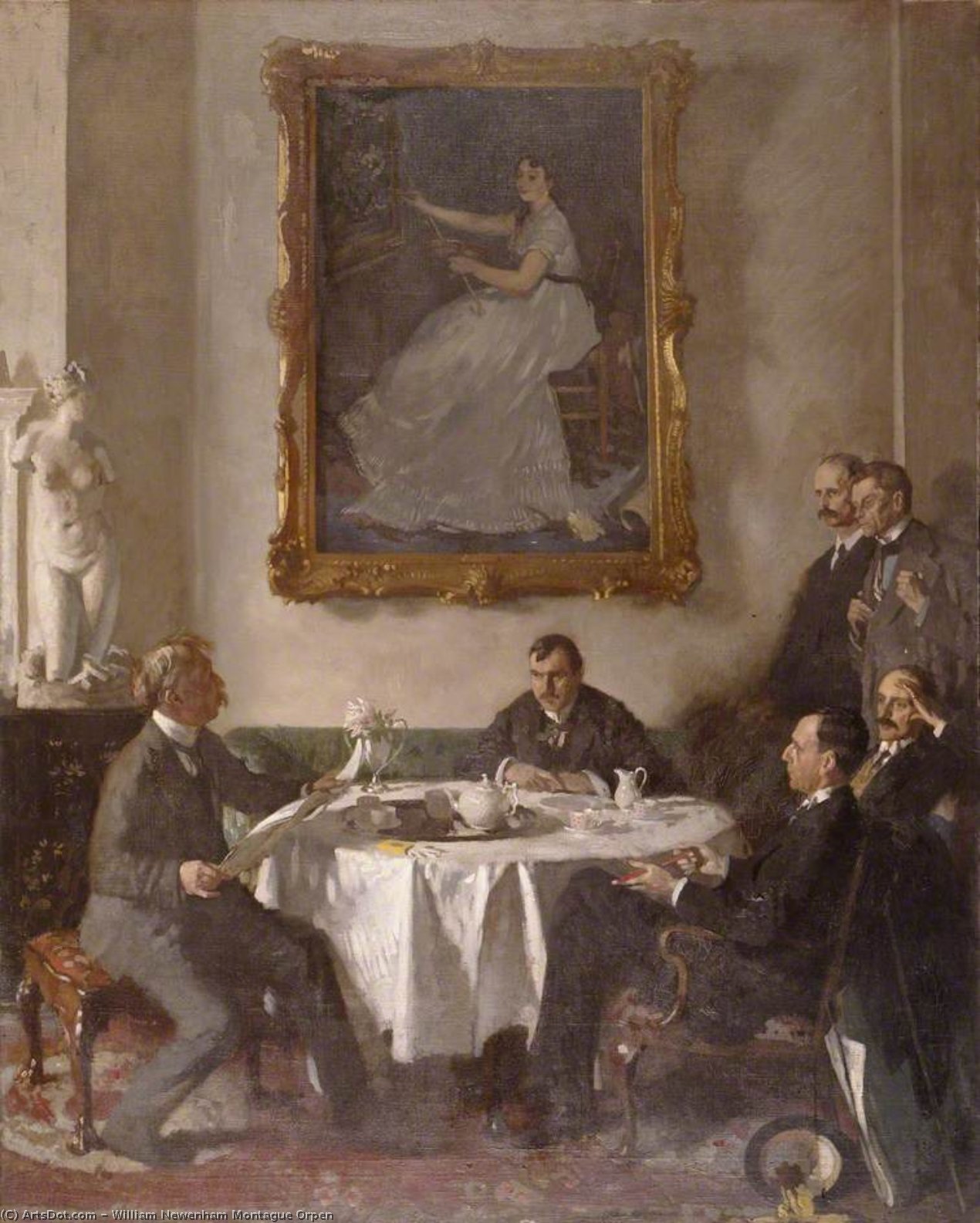
Hommage to Manet


 Ver más
Reproducción al óleo hecha a mano
Óleo sobre lienzo pintado a mano en el tamaño y marco de su elección, realizado por encargo por nuestros artistas. ( Comprar impresión Comprar imagen)




P118B $10

P118H $10

P118W $10

P438Z $10

P508JH $12

P508YH $12

P805H $10

P805Z $10

P919BZ $10

P919G $10

P919XJ $10

P959ZH $10

P968JZ $12

W106C $8

W218G $10

W218JH $8

W218Y $10

W307PJ $10

W316G $10

W316PJ $8

W316Y $10

W398PJ $8

W4111J $10

W500HY $15

W500JH $15

W692G $12

W849H $8

W940BG $15

W953PJ $8




Elija entre nuestros tamaños predefinidos que respetan las proporciones originales de la obra.

Puede ingresar sus propias dimensiones para adaptarse a un marco o espacio específico. Si el tamaño seleccionado no coincide con las proporciones de la imagen original, recortaremos la obra o extenderemos la pintura con elementos adicionales pintados a mano. Se le enviará una maqueta digital para su aprobación antes de comenzar la producción.
Tenga en cuenta que la vista previa en pantalla no refleja el recorte o la extensión reales. Solo la maqueta mostrará con precisión la composición final.
Si bien existen tamaños personalizados, recomendamos seleccionar una dimensión de la lista predefinida para preservar las proporciones originales.
Tras realizar el pedido, el equipo de ArtsDot.com enviará un correo electrónico al cliente para solicitar instrucciones y proporcionarle una vista previa del boceto.
Envío a todo el mundo () en 3-4 semanas en lugar de las 5 semanas estándar. (2 septiembre). Sin comprometer la calidad.

Envío exprés gratuito a todo el mundo

Lienzo de lino de alta calidad

Seguro de envío total

Garantía de reembolso de impuestos aduaneros

Garantía de fidelidad cromática exacta

Política de devolución de 60 días (solo por defectos)

Garantía de devolución del 100% del dinero

Descuento por cantidad
 La opción de vidrio solo está disponible en tamaños inferiores a 110 cm.

Hommage to Manet
Técnica de reproducción
Dimensiones de la reproducción
-


Precio total final
$ 263
A Gathering of Dignity: The Soul of Hommage à Manet
In the quiet, amber-hued atmosphere of Sir William Newenham Montague Orpen’s 1909 masterpiece, Hommage à Manet, we are invited to witness more than just a social gathering; we are pulled into a profound meditation on legacy and identity. This evocative group portrait captures a moment of refined repose among members of the Royal Yacht Squadron, yet beneath the surface of this Edwardian assembly lies a complex dialogue between the artist and his predecessors. Orpen, a master of capturing the psychological weight of his subjects, uses this composition to bridge the gap between the burgeoning modernity of the early 20th century and the enduring brilliance of Impressionist ideals.
The painting functions as a layered narrative of prestige and contemplation. As the eye wanders across the table, it encounters faces rendered with astonishing accuracy—most notably the likeness of the legendary explorer Sir Ernest Shackleton. These are not merely static figures; there is a palpable sense of movement in their conversation, a subtle tension held within the way wine glasses catch the light and how hands rest upon the tablecloth. The scene breathes with the quiet energy of an elite class navigating a world in flux, caught in a singular moment of stillness before the rapid industrialization of the era reshaped the social fabric forever.
Mastery of Light and Textural Depth
Technically, Hommage à Manet is a triumph of oil on canvas, showcasing Orpen’s ability to manipulate tonal subtlety to create atmosphere. The artist employs a sophisticated layering of brushstrokes that lends a remarkable textural richness to the work. One can almost feel the heavy weight of the men's formal drapery and the smooth, cool surface of the porcelain on the table. By drawing inspiration from the light-drenched palettes of Monet, Orpen achieves a luminous quality that prevents the darker, more masculine hues of the foreground from feeling somber. Instead, the light seems to dance across the scene, imbuing the gathering with a sense of serene, dignified repose.
This interplay of light and shadow serves a dual purpose: it provides a realistic depiction of an indoor evening setting while simultaneously elevating the subjects to a level of mythic importance. The subtle gradations of color—from the deep, velvety blacks of formal attire to the soft, glowing highlights on skin and glass—create a visual rhythm that guides the viewer through the composition. For the collector or interior designer, this mastery of light makes the piece an extraordinary focal point, capable of adding both warmth and intellectual depth to a sophisticated living space.
Symbolism and the Silent Counterpoint
Beyond the immediate impression of a social portrait, Orpen embeds profound symbolic elements within the frame. A striking feature is the presence of a statue of a woman positioned in the background, her pale complexion and serene gaze acting as a silent, ethereal counterpoint to the masculine energy dominating the foreground. This deliberate inclusion invites the viewer to contemplate themes of femininity, idealized virtue, and the permanence of art against the fleeting nature of human social interaction. The statue stands as a ghostly sentinel, a reminder of the classical beauty that informs the very foundation of Orpen's artistic lineage.
Ultimately, Hommage à Manet is an emotional journey through the concept of homage itself. It is a tribute not only to Édouard Manet but to the very act of looking and remembering. The painting resonates with a sense of nostalgia and respect for tradition, making it a captivating acquisition for those who appreciate art that tells a story of continuity. Whether viewed as a historical document of Edwardian society or as a deeply personal artistic statement, this work remains a timeless testament to the power of portraiture to capture the enduring essence of the human spirit.
Obras relacionadas
Biografía del artista
Primeros años y formación
Sir William Newenham Montague Orpen, un renombrado artista irlandés, nació el 27 de noviembre de 1878 en Stillorgan, condado de Dublín. Era el cuarto y más joven hijo de Arthur Herbert Orpen, abogado, y Anne Caulfield, pintora aficionada. La primera infancia de Orpen estuvo marcada por una feliz niñez en Oriel, una gran casa con extensos terrenos. El talento artístico de Orpen fue evidente desde temprana edad. A los 13 años, se inscribió en la Escuela de Arte Metropolitana de Dublín, donde ganó todos los premios principales y la medalla de oro para dibujo a vivo de las Islas Británicas. Posteriormente estudió en la Slade School of Art entre 1897 y 1899, dominando la pintura al óleo y experimentando con diversas técnicas.Carrera artística
La carrera artística de Orpen se caracterizó por su excelente dominio del dibujo y sus exitosos retratos comercialmente rentables de la alta sociedad eduardiana. Sin embargo, muchas de sus pinturas más impactantes son autorretratos. Durante la Primera Guerra Mundial, fue el artista oficial más prolífico, produciendo 138 dibujos y pinturas que donó al gobierno británico y que ahora forman parte de la colección del Imperial War Museum.- Las conexiones de Sir William Newenham Montague Orpen con los rangos superiores del ejército británico le permitieron permanecer más tiempo en Francia que otros artistas de guerra oficiales.
- Fue nombrado Caballero Comendador de la Orden del Imperio Británico en 1918 y elegido miembro de la Royal Academy of Arts.
- La determinación de Orpen de servir como artista de guerra le costó tanto su salud como su posición social en Inglaterra.
Obras notables y legado
- La escena de la obra Hamlet, una pintura de dos metros de ancho, ganó el premio Slade Composition Prize en 1899.
- El espejo, expuesta en el New English Art Club en 1900, hace referencia al retrato de Arnolfini de Jan van Eyck y a elementos de los interiores holandeses del siglo XVII.
- Mediodía en la playa, expuesta en el New English Art Club en 1910, muestra su distintivo estilo *plein-air*.
Museos y colecciones
- El Imperial War Museum alberga las 138 obras donadas por Orpen, incluidos dibujos y pinturas de la Primera Guerra Mundial.
- La colección del British Council, operada por la Galería de Arte Hugh Lane y el Ayuntamiento de Dublín, presenta una amplia gama de obras de arte, incluidas las de artistas reconocidos como Morris Louis, William Larkin y Alison Watt.
- El museo de la Facultad de Lengua Inglesa y Literatura en Oxford, Reino Unido, es un tesoro para los entusiastas de la literatura, con obras de arte que muestran la rica historia de la literatura inglesa.
Conclusión
El legado artístico de Sir William Newenham Montague Orpen es un testimonio de su maestría en el retrato eduardiano. Sus contribuciones a la colección del Imperial War Museum y su impacto en la escena artística británica son innegables. Explore más obras de Orpen y otros artistas notables en ArtsDot.com, y descubra el mundo del arte con las tranquilas escenas de género de Gerard ter Borch o los meticulosos grabados de Edward Fisher.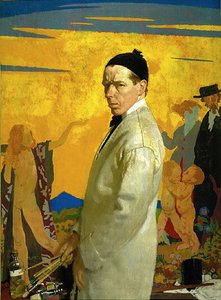
Sir William Newenham Montague Orpen
1878 - 1931 , Irlanda
Datos clave
- Artistas Que Influyeron: ['Jan van Eyck']
- Estilo Artístico: Realismo, Plein-air
- Fecha De Fallecimiento: 1931
- Fecha De Nacimiento: 27 de noviembre de 1878
- Lugar De Nacimiento: Stillorgan, Irlanda
- Nacionalidad: Irlandés
- Nombre Completo: Sir William Newenham Montague Orpen
- Obras Notables:
- The Play Scene from Hamlet
- The Mirror
- Midday on the Beach
Artículos relacionados
Sir William Orpen: A Study in Edwardian Portraiture & the Shadows of Modernity
Explore the life & art of Sir William Orpen, a master of Edwardian portraiture and poignant WWI depictions. Discover his unique realism, psychological depth, and enduring legacy in this insightful analysis.
Sir William Beechey: Portraiture, Patronage & Shaping Georgian Society
Explore the life & art of Sir William Beechey, a leading British portraitist of the Georgian era. Discover his royal commissions, aristocratic subjects, and lasting influence on 18th-century painting. Learn more at ArtsDot.
The Enduring Legacy of Formal Portraiture: Power, Identity & Artistic Exploration
Explore the rich history of formal portraiture & its enduring power to capture identity and shape perception. Discover investment-worthy artworks, expert appraisals, and custom reproduction services at ArtsDot.
Arthur William Devis: A Provincial Eye on Georgian Life & Naval History
Explore the life & work of Arthur William Devis (1762-1822), a key figure in Georgian portraiture and naval history painting. Discover his intimate 'conversation pieces' and captivating depictions of colonial India. Learn more at ArtsDot.
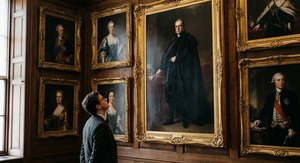
The Grandeur of Presence: Exploring Representations of Stately Bearing in Western Portraiture
Explore the art of stately bearing in Western portraiture with expert analysis of Renaissance & Baroque masterpieces. Discover symbolism, techniques, and the legacy of iconic portraits – a guide for discerning collectors.