 Ver en contexto
 Enviar
 Compartir
 Detalles

 Descargar
 Similares
 Radiografía
 Presentación de diapositivas
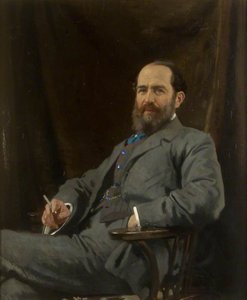
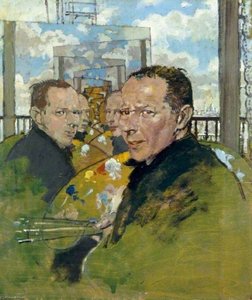
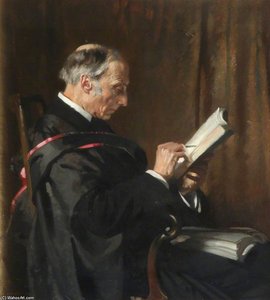
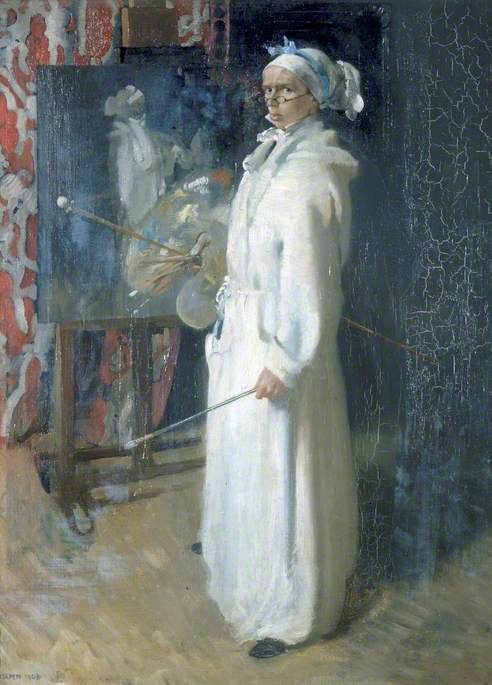
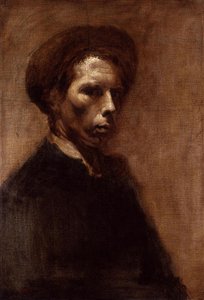
Portrait of the Artist
 Acrylic On Canvas
- WallArt
- Realistic Portrait Painting
 1908
1908 93.0 x 72.0 cm
 Laing Art Gallery
 Ver más
Giclée / Impresión de arte
Impresiones giclée o en lienzo de calidad de museo con producción rápida y opciones de acabado flexibles. ( Comprar pintura hecha a mano Comprar imagen)




P118B $10

P118H $10

P118W $10

P438Z $10

P508JH $12

P508YH $12

P805H $10

P805Z $10

P919BZ $10

P919G $10

P919XJ $10

P959ZH $10

P968JZ $12

W106C $8

W218G $10

W218JH $8

W218Y $10

W307PJ $10

W316G $10

W316PJ $8

W316Y $10

W398PJ $8

W4111J $10

W500HY $15

W500JH $15

W692G $12

W849H $8

W940BG $15

W953PJ $8




Elija entre nuestros tamaños predefinidos que respetan las proporciones originales de la obra.

Puede introducir sus propias dimensiones para adaptarse a un marco o espacio específico. Si el tamaño seleccionado no coincide con las proporciones de la imagen original, recortaremos la obra de arte o extenderemos la imagen con un borde con efecto espejo o de color sólido. Se enviará una maqueta digital para su aprobación antes de que comience la producción.
Tenga en cuenta que la vista previa en pantalla no refleja el recorte o la extensión real. Solo la maqueta mostrará con precisión la composición final.
Aunque existen tamaños personalizados, recomendamos seleccionar una dimensión de la lista predefinida para preservar las proporciones originales.
Envío a todo el mundo () en 2 semanas en lugar de las 4/5 semanas estándar. (5 septiembre)

Envío exprés gratuito a todo el mundo

Lienzo de lino de alta calidad

Seguro de envío total

Garantía de reembolso de impuestos aduaneros

Garantía de fidelidad cromática exacta

Política de devolución de 60 días (solo por defectos)

Garantía de devolución del 100% del dinero

Descuento por cantidad
 La opción de vidrio solo está disponible en tamaños inferiores a 110 cm.

Portrait of the Artist
Giclée / Impresión de arte
Dimensiones de la reproducción
-


Precio total final
$ 62
A Moment Captured: Exploring William Orpen’s “Portrait of the Artist”
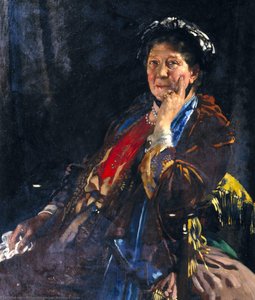
The painting "Portrait of the Artist," executed by Sir William Newenham Montague Orpen in 1908, stands as a testament to both artistic ambition and quiet contemplation. More than just a likeness of a woman—likely Orpen himself—it embodies a deeper exploration of identity and creative process within the framework of Edwardian Britain. Examining its stylistic choices, technical prowess, and symbolic resonance reveals layers of meaning that continue to captivate viewers today.Style and Technique: Realism Infused with Impressionistic Touches
Orpen’s approach defies simple categorization; he skillfully blends realism with subtle influences from Impressionism. The figure is rendered with meticulous detail—the folds of her dress meticulously observed, the delicate modeling of light highlighting her face—demonstrating a commitment to capturing accurate anatomical representation. However, this realism isn't pursued without acknowledging the fleeting effects of illumination. Notice how dappled sunlight filters through the window, casting soft shadows across the wall and subtly altering the tonal palette. This technique lends an ethereal quality to the scene, elevating it beyond mere portraiture into something akin to a psychological study. The artist’s brushstrokes are confident yet controlled, conveying both precision and expressive nuance.Historical Context: Artistic Identity Amidst Victorian Legacy
Painted during the waning years of Queen Victoria's reign, “Portrait of the Artist” reflects the anxieties and aspirations of its time. The Edwardian era witnessed a burgeoning interest in psychology and introspection—themes that find expression in Orpen’s portrayal of his subject. Artists like Orpen were grappling with how to define their own artistic voice amidst the traditions of Victorian art, which often prioritized grandeur and formality. Yet, there's an undeniable vulnerability present in this self-portrait; the woman’s gaze directs outwards, suggesting a yearning for connection and perhaps a questioning of societal expectations—a sentiment that resonates powerfully across generations. The choice of floral wallpaper – specifically crimson roses – adds another layer to the narrative. Roses have long been associated with beauty, passion, and remembrance, hinting at themes of artistic inspiration and personal reflection.Symbolism: Light, Color, and Inner Vision
The dominant color scheme—dominated by muted browns and creams—contrasts sharply with the vibrant red roses adorning the wall. This deliberate juxtaposition serves as a visual metaphor for the artist’s inner world – the quiet contemplation juxtaposed against the fiery impulse of creativity. The easel itself symbolizes Orpen's creative endeavor, representing not just the physical act of painting but also the pursuit of artistic vision. Light plays an equally crucial role in conveying mood and emotion; its diffused quality reinforces the sense of introspection and invites viewers to contemplate the subject’s inner thoughts.Emotional Impact: A Window into Artistic Soul
Ultimately, “Portrait of the Artist” succeeds in capturing a moment of profound stillness—a glimpse into the artist's soul as he confronts his own identity and contemplates the creative process. It is not merely an image; it’s an invitation to engage with themes of self-awareness, artistic ambition, and the enduring power of observation. The painting lingers in the mind long after viewing, prompting reflection on what it means to strive for authenticity and to express oneself truthfully—qualities that remain eternally relevant in our own time.Obras relacionadas
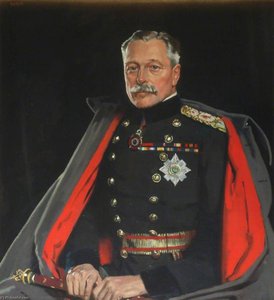
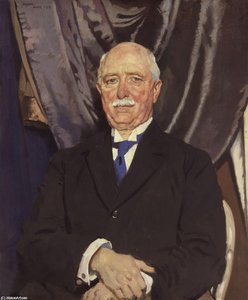
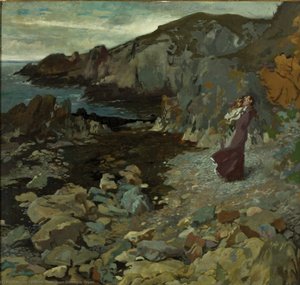
Biografía del artista
Primeros años y formación
Sir William Newenham Montague Orpen, un renombrado artista irlandés, nació el 27 de noviembre de 1878 en Stillorgan, condado de Dublín. Era el cuarto y más joven hijo de Arthur Herbert Orpen, abogado, y Anne Caulfield, pintora aficionada. La primera infancia de Orpen estuvo marcada por una feliz niñez en Oriel, una gran casa con extensos terrenos. El talento artístico de Orpen fue evidente desde temprana edad. A los 13 años, se inscribió en la Escuela de Arte Metropolitana de Dublín, donde ganó todos los premios principales y la medalla de oro para dibujo a vivo de las Islas Británicas. Posteriormente estudió en la Slade School of Art entre 1897 y 1899, dominando la pintura al óleo y experimentando con diversas técnicas.Carrera artística
La carrera artística de Orpen se caracterizó por su excelente dominio del dibujo y sus exitosos retratos comercialmente rentables de la alta sociedad eduardiana. Sin embargo, muchas de sus pinturas más impactantes son autorretratos. Durante la Primera Guerra Mundial, fue el artista oficial más prolífico, produciendo 138 dibujos y pinturas que donó al gobierno británico y que ahora forman parte de la colección del Imperial War Museum.- Las conexiones de Sir William Newenham Montague Orpen con los rangos superiores del ejército británico le permitieron permanecer más tiempo en Francia que otros artistas de guerra oficiales.
- Fue nombrado Caballero Comendador de la Orden del Imperio Británico en 1918 y elegido miembro de la Royal Academy of Arts.
- La determinación de Orpen de servir como artista de guerra le costó tanto su salud como su posición social en Inglaterra.
Obras notables y legado
- La escena de la obra Hamlet, una pintura de dos metros de ancho, ganó el premio Slade Composition Prize en 1899.
- El espejo, expuesta en el New English Art Club en 1900, hace referencia al retrato de Arnolfini de Jan van Eyck y a elementos de los interiores holandeses del siglo XVII.
- Mediodía en la playa, expuesta en el New English Art Club en 1910, muestra su distintivo estilo *plein-air*.
Museos y colecciones
- El Imperial War Museum alberga las 138 obras donadas por Orpen, incluidos dibujos y pinturas de la Primera Guerra Mundial.
- La colección del British Council, operada por la Galería de Arte Hugh Lane y el Ayuntamiento de Dublín, presenta una amplia gama de obras de arte, incluidas las de artistas reconocidos como Morris Louis, William Larkin y Alison Watt.
- El museo de la Facultad de Lengua Inglesa y Literatura en Oxford, Reino Unido, es un tesoro para los entusiastas de la literatura, con obras de arte que muestran la rica historia de la literatura inglesa.
Conclusión
El legado artístico de Sir William Newenham Montague Orpen es un testimonio de su maestría en el retrato eduardiano. Sus contribuciones a la colección del Imperial War Museum y su impacto en la escena artística británica son innegables. Explore más obras de Orpen y otros artistas notables en ArtsDot.com, y descubra el mundo del arte con las tranquilas escenas de género de Gerard ter Borch o los meticulosos grabados de Edward Fisher.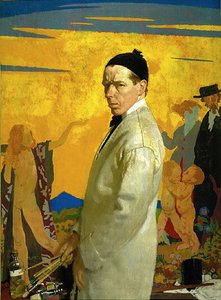
Sir William Newenham Montague Orpen
1878 - 1931 , Irlanda
Datos clave
- Artistas Que Influyeron: ['Jan van Eyck']
- Estilo Artístico: Realismo, Plein-air
- Fecha De Fallecimiento: 1931
- Fecha De Nacimiento: 27 de noviembre de 1878
- Lugar De Nacimiento: Stillorgan, Irlanda
- Nacionalidad: Irlandés
- Nombre Completo: Sir William Newenham Montague Orpen
- Obras Notables:
- The Play Scene from Hamlet
- The Mirror
- Midday on the Beach
Artículos relacionados
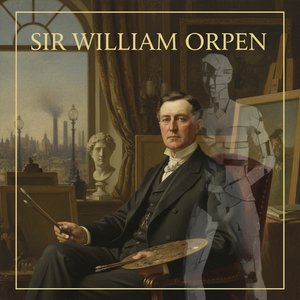
Sir William Orpen: A Study in Edwardian Portraiture & the Shadows of Modernity
Explore the life & art of Sir William Orpen, a master of Edwardian portraiture and poignant WWI depictions. Discover his unique realism, psychological depth, and enduring legacy in this insightful analysis.
Reflecting the Self: A History of Portraiture & Psychological Insight
Explore the fascinating history of self-portraiture from Renaissance masters like Dürer & Rembrandt to modern interpretations. Discover the psychological insights and artistic techniques behind these iconic works. Expert analysis for art enthusiasts.
El Eco del Ser: La Reflexividad como Tema Central en la Historia del Arte y la Práctica Contemporánea
Explore la evolución del autorretrato en la historia del arte, desde Rembrandt hasta Gauguin y Léger. Análisis profundo de la introspección artística y su relevancia contemporánea. Descubra el legado de los maestros.
The Inner Landscape: Exploring Themes of Introspection in Visual Art Across Movements & Eras
Explore the captivating world of introspective art! Discover how artists across eras – from Rembrandt to Kahlo – used self-portraiture to reveal their inner worlds and emotional depths. A journey through art history & psychology.
Reimaginando la Historia: El Impacto Artístico y Psicológico de la Auto-Inserción en Obras Maestras Icónicas
Descubre el fascinante mundo de la auto-inserción en el arte. Análisis profundo de su historia, psicología y evolución con ejemplos icónicos y las últimas tendencias digitales. ¡Expertos en arte!